
Are you curious about what makes diet tonic water a popular choice for so many? Whether you’re watching your calorie intake or simply looking for a refreshing, low-calorie drink option, diet tonic water might be exactly what you need.
But is it really as healthy as it sounds? You’ll discover the surprising facts about diet tonic water—what’s inside, how it affects your body, and why it could be a smart addition to your daily routine. Keep reading to find out how this bubbly beverage can fit into your lifestyle without compromising taste or health.
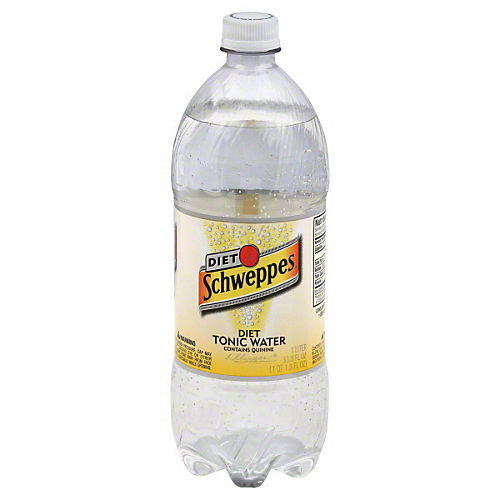
Credit: www.heb.com
What Is Diet Tonic Water
Diet tonic water is a low-calorie soft drink. It offers the classic bitter taste of tonic water but with fewer sugars and calories. This makes it a popular choice for people who want to enjoy tonic water without extra calories.
It combines carbonated water, natural flavors, and artificial sweeteners. The key ingredient that gives tonic water its distinct taste is quinine. Quinine is a bitter compound originally used to treat malaria. In diet tonic water, quinine is present in small amounts to add flavor.
Ingredients In Diet Tonic Water
- Carbonated water
- Quinine
- Artificial sweeteners (such as sucralose or aspartame)
- Natural flavors
- Citric acid or other acidity regulators
How Diet Tonic Water Differs From Regular Tonic Water
Regular tonic water contains sugar or high-fructose corn syrup. Diet tonic water replaces sugar with sweeteners that have fewer or no calories. This change reduces the calorie count drastically. The taste is slightly different but still bitter and refreshing.
Common Uses Of Diet Tonic Water
- Mixed with spirits like gin or vodka
- As a mixer in cocktails
- Refreshing drink on its own
- Alternative to sugary sodas
Key Ingredients And Their Effects
Diet tonic water contains specific ingredients that define its unique taste and health effects. Understanding these ingredients helps in choosing the right beverage. Each component plays a role in flavor, calorie content, and overall impact on the body.
Role Of Quinine
Quinine gives tonic water its signature bitter taste. It comes from the bark of the cinchona tree. Historically, quinine treated malaria. Today, it adds flavor without adding calories. The amount in diet tonic water is small and safe. Some people may feel mild side effects, like headaches, but these are rare.
Artificial Sweeteners Used
Diet tonic water uses artificial sweeteners to avoid sugar. Common sweeteners include:
- Aspartame
- Sucralose
- Acesulfame potassium (Ace-K)
These sweeteners provide sweetness without calories. They do not raise blood sugar levels. This makes diet tonic water a choice for people watching their sugar intake.
Calorie And Sugar Content
Diet tonic water has very few calories. Usually, it contains less than 5 calories per serving. It often contains zero sugar. This makes it a better choice than regular tonic water for weight control. Low calories and no sugar help keep energy levels steady.
Health Benefits Of Diet Tonic Water
Diet tonic water offers more than just a fizzy alternative to sugary drinks. It provides unique health benefits that can fit well into your daily routine. Understanding these benefits can help you make smarter choices about what you drink and how it affects your body.
Hydration With Low Calories
Staying hydrated is essential, but many flavored drinks come loaded with sugar and calories. Diet tonic water keeps you refreshed without adding extra calories, making it easier to meet hydration goals. If you’re watching your calorie intake, swapping sugary sodas for diet tonic water is a simple switch that supports your health.
Have you noticed how staying hydrated can improve your energy and focus? Choosing a low-calorie option means you can drink more without guilt or unwanted weight gain.
Potential Antioxidant Properties
Quinine, the key ingredient in tonic water, is known to have antioxidant effects. Antioxidants help protect your cells from damage caused by free radicals. While diet tonic water contains quinine in small amounts, it might still contribute to your overall antioxidant intake.
Think about how adding small sources of antioxidants to your diet can support long-term health. Even a modest boost from your beverage choice can add up over time.
Supporting Weight Management
Diet tonic water contains little to no sugar, which helps reduce your overall sugar consumption. Managing sugar intake is crucial if you’re trying to lose or maintain weight. Drinking diet tonic water instead of regular tonic or sugary drinks can help control cravings and calorie intake.
Have you ever felt that sugary drinks spike your appetite? Choosing diet tonic water can be a practical step toward better weight control and healthier drinking habits.
Comparing Diet Tonic Water To Regular Tonic Water
Diet tonic water and regular tonic water look similar and serve the same purpose in your drinks, but they have key differences that can affect your choice. Understanding these differences helps you pick the right tonic water for your health needs and taste preferences. Let’s break down how they compare in calories, flavor, and suitability for people managing blood sugar.
Calorie Differences
Regular tonic water contains sugar, which adds calories—usually around 80 to 90 calories per 12-ounce serving. Diet tonic water replaces sugar with artificial or natural sweeteners, cutting calories to nearly zero.
If you’re watching your weight or counting calories, diet tonic water is a clear winner. But have you noticed how those zero-calorie options sometimes taste different because of the sweeteners used?
Taste And Flavor Variations
Regular tonic water has a slightly sweet, citrusy, and bitter flavor thanks to the quinine and sugar mix. Diet versions keep the quinine but swap sugar for sweeteners like stevia or sucralose, which can change the flavor profile.
Some people find diet tonic water tastes sharper or has a slight aftertaste. Others don’t mind or even prefer it, especially when mixed in cocktails. What’s your experience—do you prefer the classic taste or the lighter diet option?
Suitability For Diabetics
For diabetics, regular tonic water’s sugar content can cause blood sugar spikes, making it less ideal. Diet tonic water, with no sugar, offers a safer alternative that won’t raise blood glucose levels.
Still, it’s important to check labels carefully. Some diet tonic waters may contain small amounts of carbs or additives that affect blood sugar. Have you checked how different brands impact your energy or glucose readings?
Incorporating Diet Tonic Water In Your Lifestyle
Diet tonic water fits easily into a healthy lifestyle. It offers a crisp, refreshing taste without the added sugar. People use it to stay hydrated and enjoy flavorful drinks with fewer calories. Its versatility makes it popular for many occasions, from casual sips to social gatherings.
Best Times To Drink
Choose diet tonic water as a light drink throughout the day. It works well:
- With meals to aid digestion.
- During workouts for a refreshing boost.
- In the evening to relax without extra calories.
It’s a great alternative to sugary sodas at any time.
Mixers For Healthy Cocktails
Diet tonic water pairs well with many healthy mixers. Some popular options include:
- Fresh lime or lemon juice for a zesty twist.
- Herbal infusions like mint or basil for flavor.
- Low-calorie spirits such as vodka or gin.
These combinations create tasty, low-calorie cocktails to enjoy responsibly.
Alternatives And Variations
Try different versions of diet tonic water to keep things interesting. Options include:
- Flavored diet tonic waters with hints of citrus or berry.
- Sparkling water with a splash of tonic for milder taste.
- Adding fresh fruit slices for natural sweetness and aroma.
Experimenting with these variations adds fun and variety to your drinks.

Credit: shop.winndixie.com
Potential Side Effects And Considerations
Diet tonic water is a popular choice for those looking to enjoy a fizzy drink without the calories. However, it’s important to be aware of potential side effects and considerations before making it a regular part of your diet. Understanding these factors can help you make smarter choices and avoid unexpected health issues.
Sensitivity To Quinine
Quinine is the ingredient that gives tonic water its distinctive bitter taste. Some people are sensitive to quinine and may experience side effects like headaches, nausea, or skin rashes after drinking tonic water. If you notice any unusual symptoms after consuming diet tonic water, consider whether quinine might be the cause and consult a healthcare professional.
Effects Of Artificial Sweeteners
Diet tonic water often contains artificial sweeteners like aspartame or sucralose to keep calories low. While these sweeteners are generally recognized as safe, some people report digestive discomfort or headaches after consuming them. Pay attention to how your body reacts, especially if you consume other products with artificial sweeteners throughout the day.
Recommended Consumption Limits
Moderation is key when enjoying diet tonic water. Drinking large amounts can increase the risk of side effects related to quinine and artificial sweeteners. Most experts suggest limiting intake to one or two servings a day. Are you mindful of how much tonic water you drink, or do you reach for it without thinking?

Credit: www.amazon.com
Frequently Asked Questions
What Is Diet Tonic Water?
Diet tonic water is a sugar-free version of regular tonic water. It contains artificial sweeteners instead of sugar. It’s often used as a mixer in cocktails or enjoyed on its own. Many people choose it for its lower calorie content while still enjoying a refreshing taste.
Is Diet Tonic Water Healthy?
Diet tonic water can be a healthier choice due to its lower calories. However, it contains artificial sweeteners, which some people prefer to avoid. It’s important to consume it in moderation as part of a balanced diet. Always check the label for specific ingredients and nutritional information.
Does Diet Tonic Water Have Quinine?
Yes, diet tonic water typically contains quinine, which gives it a slightly bitter taste. Quinine is a compound originally used to treat malaria. In tonic water, it’s present in small, safe amounts. If you have specific health concerns, consult a healthcare professional before consumption.
Can I Drink Diet Tonic Water On Keto?
Yes, diet tonic water is generally keto-friendly due to its low carbohydrate content. It uses artificial sweeteners instead of sugar, making it suitable for a keto diet. Always check the label for any hidden carbs or additives that may affect your diet goals.
Conclusion
Diet tonic water offers a low-calorie alternative to regular tonic water. It can satisfy your taste without adding sugar. Many enjoy it in cocktails or on its own. Remember to check the ingredients to suit your health needs. Choose wisely and enjoy your drink in balance.
Simple swaps like this can help maintain a healthy lifestyle. Give diet tonic water a try and see if it fits your taste. Small changes make a difference over time.







