
Are you curious about how much caffeine is in your favorite Diet Mt Dew? Knowing this can help you stay alert without going overboard.
Whether you need a quick energy boost or want to avoid jitters, understanding the caffeine content in Diet Mt Dew is key. You’ll discover exactly what’s inside your can and how it can affect your body. Keep reading to make smarter choices for your energy and health.
Diet Mt Dew Caffeine Content
Understanding the caffeine content in Diet Mt Dew can help you manage your daily intake better. Whether you need a quick energy boost or want to avoid overstimulation, knowing exactly how much caffeine is in your drink is key. Let’s break down the details to give you clear insights.
Amount Of Caffeine Per Serving
Diet Mt Dew contains about 54 milligrams of caffeine per 12-ounce can. This amount gives a moderate boost compared to other popular sodas. If you’re sensitive to caffeine, even this amount can impact your alertness and sleep patterns.
I remember grabbing a Diet Mt Dew during a late-night study session. That 54 mg gave me just enough focus without making me jittery. How does your body respond to this level of caffeine?
Comparison With Other Sodas
| Soda | Caffeine Content (per 12 oz) |
|---|---|
| Diet Mt Dew | 54 mg |
| Coca-Cola Classic | 34 mg |
| Pepsi | 38 mg |
| Diet Coke | 46 mg |
Diet Mt Dew has noticeably more caffeine than many other sodas. This means you might feel a stronger kick with a single can. If you switch between these drinks often, your caffeine intake could be higher or lower than you expect.
Impact Of Serving Size
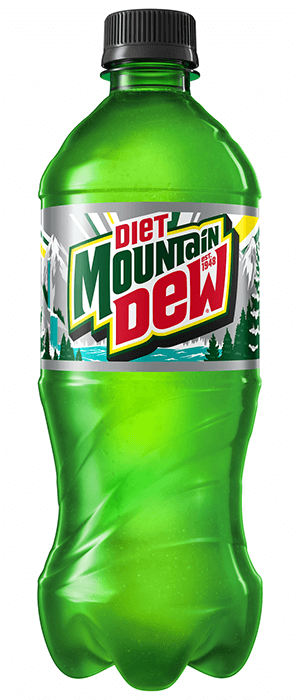
Keep in mind that caffeine content changes with serving size. A 20-ounce bottle of Diet Mt Dew packs around 90 mg of caffeine. Drinking more means consuming more caffeine, which can add up quickly.
Have you ever finished a large bottle and felt more wired than usual? That’s the caffeine talking. Paying attention to serving size helps you control how much caffeine you actually consume.
Credit: www.pepsicoproductfacts.com
Immediate Effects Of Caffeine
Caffeine is a key ingredient in Diet Mt Dew. It acts quickly after consumption. The immediate effects can shape your experience with this drink. Understanding these effects helps in knowing what to expect right away.
Energy Boost And Alertness
Caffeine stimulates the central nervous system. This results in a quick surge of energy. You may feel more awake and ready to act. Many people drink Diet Mt Dew for this fast energy lift. It helps reduce tiredness and fight sleepiness.
Mood And Cognitive Function
Caffeine can improve mood by increasing dopamine levels. This boost often leads to feeling happier and more motivated. It also sharpens focus and attention. Tasks may seem easier and thoughts clearer. These effects make caffeine popular for mental tasks.
Potential Jitters And Anxiety
Too much caffeine can cause jitters or nervousness. Some people feel shaky or restless after drinking Diet Mt Dew. Anxiety may increase, especially in sensitive individuals. These side effects depend on caffeine tolerance and amount consumed.
Long-term Impact On Health
Understanding the long-term impact of Diet Mt Dew caffeine on your health is crucial if you enjoy this popular beverage regularly. Caffeine affects many body systems, and while it can boost alertness, its effects stretch far beyond just waking you up. Let’s look closely at how persistent caffeine intake from Diet Mt Dew might change your body and mind over time.
Sleep Disruption
Caffeine blocks adenosine, a chemical that helps you feel sleepy. Drinking Diet Mt Dew late in the day can delay your sleep cycle, making it harder to fall asleep. Over time, poor sleep can affect your mood, memory, and even your immune system.
You might think skipping your afternoon cup will solve it, but caffeine stays in your system for hours. Have you noticed feeling wired even after your evening routine? That’s your body struggling to relax.
Dependence And Withdrawal
Your body can get used to caffeine’s effects, leading to dependence. This means you might need more Diet Mt Dew to feel the same energy boost. If you suddenly stop, withdrawal symptoms like headaches, tiredness, and irritability can hit hard.
Think about the last time you missed your usual soda—did you feel a noticeable drop in energy or mood? These signs suggest your brain has adapted to caffeine’s presence, making it tough to cut back without discomfort.
Effects On Heart Health
Caffeine can raise your heart rate and blood pressure temporarily. For most people, this isn’t dangerous, but consistent high intake could stress your cardiovascular system. Some studies link long-term caffeine use to increased risks of arrhythmias or other heart conditions, especially if you have existing heart issues.
Are you monitoring your blood pressure regularly? If not, your daily Diet Mt Dew habit might be silently affecting your heart health. It’s worth checking with your doctor if you notice palpitations or unusual chest sensations after caffeine consumption.
Diet Mt Dew And Weight Management
Diet Mt Dew is a popular choice for those watching their weight. It offers a low-calorie alternative to regular soda. Many wonder how its caffeine and artificial sweeteners affect weight management. Understanding these factors helps make better beverage choices.
Caffeine’s Role In Metabolism
Caffeine is a natural stimulant found in Diet Mt Dew. It can slightly boost metabolism and increase energy use. This effect may help burn a few more calories daily. Caffeine also improves alertness and reduces tiredness. The impact on weight is small but noticeable for some.
Artificial Sweeteners And Appetite
Diet Mt Dew uses artificial sweeteners instead of sugar. These sweeteners provide sweetness without calories. Some studies suggest they might affect appetite. They may cause cravings for sweet or high-calorie foods. Others find they help reduce overall calorie intake. Responses vary between individuals.
Potential For Weight Gain
Diet Mt Dew itself has no calories, so it does not directly cause weight gain. Drinking it in place of sugary drinks can aid weight control. Still, overconsumption of diet sodas may lead to other unhealthy habits. Some people might eat more after drinking diet soda. Balance and moderation remain important for weight management.
Surprising Reactions To Diet Mt Dew
Diet Mt Dew contains caffeine and artificial sweeteners, which can cause unexpected effects. Some people may face health issues after drinking it regularly. These reactions are often overlooked but important to know.
Digestive Issues
Diet Mt Dew can upset the stomach. The artificial sweeteners may cause bloating or gas. Some users report stomach cramps after drinking it. Caffeine in the drink can increase acid in the stomach. This may lead to discomfort or heartburn.
Impact On Bone Health
High caffeine intake from Diet Mt Dew can affect bones. It may reduce calcium absorption in the body. This can weaken bones over time. People who drink it often might face a higher risk of bone problems. Calcium-rich foods can help balance this effect.
Interactions With Medications
Caffeine in Diet Mt Dew may interfere with some medicines. It can increase the effects of stimulant drugs. Some blood pressure medicines might be less effective. Always check with a doctor before combining it with medications. Being cautious helps avoid unwanted side effects.
Credit: www.gianteagle.com
Safe Consumption Tips
Understanding how to safely enjoy Diet Mt Dew’s caffeine content can help you avoid jitters and crashes. Managing your intake wisely lets you benefit from the energy boost without overwhelming your system. Let’s look at some practical tips that keep your caffeine consumption balanced and effective.
Recommended Daily Limits
The FDA suggests a maximum of 400 mg of caffeine per day for most healthy adults. Diet Mt Dew contains about 54 mg of caffeine per 12-ounce can, so keeping track of how many you drink is essential. Drinking more than 7 cans a day might push you over the limit, causing headaches or insomnia.
Think about your total caffeine intake from all sources, including coffee and tea. Are you counting those extra cups along with your soda? Staying below the limit helps maintain steady energy without negative side effects.
Timing Your Intake
When you drink Diet Mt Dew matters as much as how much you drink. Consuming caffeine late in the afternoon can disrupt your sleep cycle, leaving you tired the next day. Try to have your last can at least six hours before bedtime.
Spacing out your caffeine intake during the day prevents sudden spikes and crashes. Have one in the morning and another around midday if you need a boost. This approach keeps your alertness steady without overloading your system.
Alternatives To Diet Mt Dew
If you want to reduce caffeine but still enjoy a refreshing drink, consider some alternatives. Sparkling water with a splash of fruit juice offers flavor without caffeine’s side effects. Herbal teas like chamomile or peppermint provide a calming ritual without stimulating your nerves.
Occasionally swapping Diet Mt Dew with these options can help you lower your caffeine load. Have you tried mixing sparkling water with a twist of lemon? It’s a simple change that can make a big difference in how you feel throughout the day.
Credit: www.gianteagle.com
Frequently Asked Questions
How Much Caffeine Is In Diet Mt Dew?
Diet Mt Dew contains approximately 54 mg of caffeine per 12-ounce can. This is slightly less than the caffeine content in a standard cup of coffee. The caffeine in Diet Mt Dew can provide a mild energy boost for those seeking an alternative to coffee or other caffeinated beverages.
Is Diet Mt Dew Caffeine-free?
No, Diet Mt Dew is not caffeine-free. It contains about 54 mg of caffeine per 12-ounce serving. This amount is moderate compared to other sodas. If you’re looking for a caffeine-free option, consider checking other soda brands that offer similar flavor profiles without caffeine.
Can Diet Mt Dew Keep You Awake?
Yes, Diet Mt Dew can help keep you awake due to its caffeine content. With 54 mg of caffeine per can, it provides a moderate energy boost. However, individual sensitivity to caffeine varies, so effects may differ. It’s important to consume it in moderation, especially if you’re sensitive to caffeine.
Is Diet Mt Dew A Good Coffee Alternative?
Diet Mt Dew can be a coffee alternative if you prefer a soda’s taste. It offers a moderate caffeine boost with 54 mg per can. However, it lacks the rich flavors and antioxidants found in coffee. It’s suitable for those seeking a caffeinated beverage without the bold taste of coffee.
Conclusion
Diet Mt Dew contains caffeine that can boost your energy quickly. Drinking it in small amounts is usually safe for most people. Too much caffeine may cause jitters or trouble sleeping. Always check the label to know how much caffeine you consume.
Balance is key to enjoying Diet Mt Dew without side effects. Stay aware of your body’s reaction to caffeine. Choose wisely and enjoy your drink responsibly.







