
Have you ever stopped to wonder what exactly goes into your Diet Mountain Dew? If you’re curious about what’s behind that fizzy, refreshing taste, you’re in the right place.
Understanding the ingredients in your favorite drink can help you make smarter choices for your health and lifestyle. Keep reading, and you’ll discover what’s really inside Diet Mountain Dew—and why it matters to you.
Key Ingredients In Diet Mountain Dew
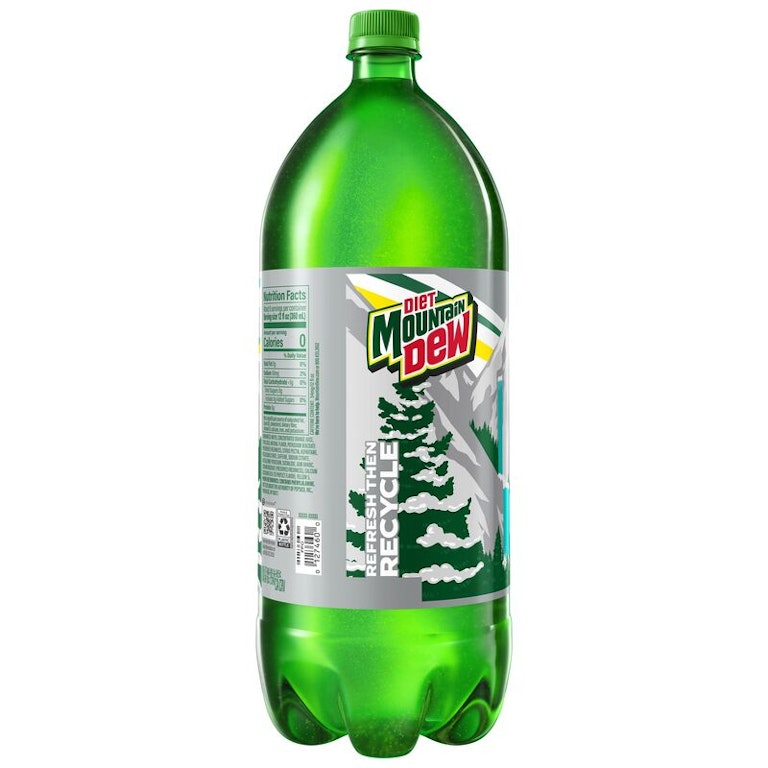
Diet Mountain Dew offers a unique taste with fewer calories. Its ingredients mix to create a fizzy, refreshing drink. Understanding these key ingredients helps you know what you consume.
Carbonated Water
Carbonated water forms the base of Diet Mountain Dew. It adds bubbles and fizz to the drink. This ingredient provides a crisp and lively texture.
Artificial Sweeteners
Diet Mountain Dew uses artificial sweeteners for a sweet taste without calories. Common sweeteners include aspartame and acesulfame potassium. These help reduce sugar content while keeping flavor.
Citric Acid
Citric acid adds a tangy flavor to Diet Mountain Dew. It also acts as a preservative to keep the drink fresh. This ingredient enhances the overall taste experience.
Natural Flavors
Natural flavors give Diet Mountain Dew its distinct citrus taste. These flavors come from various fruit extracts. They make the drink enjoyable and flavorful.
Caffeine Content
Diet Mountain Dew contains caffeine for an energy boost. It has about 54 mg of caffeine per 12-ounce can. This amount is similar to many other sodas.
Credit: www.gianteagle.com
Role Of Artificial Sweeteners
Artificial sweeteners play a key role in Diet Mountain Dew. They give the drink its sweetness without adding calories. These sweeteners help people enjoy soda without sugar. Understanding these ingredients helps explain the flavor and health aspects of the drink.
Aspartame And Acesulfame Potassium
Aspartame and acesulfame potassium are the main sweeteners in Diet Mountain Dew. Aspartame is about 200 times sweeter than sugar. Acesulfame potassium, also known as Ace-K, is 200 times sweeter too. Both work together to create a balanced sweetness.
Aspartame breaks down in the body into natural substances. Ace-K is not broken down but passes through the body. These sweeteners add zero calories, making the drink diet-friendly.
Sweetener Safety
These sweeteners are approved by health authorities worldwide. Studies show they are safe for most people. Some may worry about side effects, but research supports their safety. People with a rare condition called phenylketonuria should avoid aspartame.
Regulatory agencies set limits to keep consumption safe. Many experts agree that these sweeteners are safe at normal levels. This helps consumers enjoy diet sodas without health risks.
Impact On Taste
Artificial sweeteners give Diet Mountain Dew its unique taste. They provide sweetness without the heaviness of sugar. Some people notice a slight aftertaste, which varies by person. The blend of aspartame and Ace-K helps reduce this effect.
The sweeteners keep the soda light and refreshing. They also help maintain flavor over time. This makes Diet Mountain Dew a popular choice for those avoiding sugar.
Caffeine And Its Effects
Caffeine is a key ingredient in Diet Mountain Dew that many people rely on for a quick pick-me-up. Understanding how much caffeine you consume and its effects on your body can help you make smarter choices. Whether you drink it to stay alert or just enjoy the taste, knowing the impact of caffeine is important for your health and daily energy levels.
Amount Of Caffeine In Each Serving
A standard 12-ounce can of Diet Mountain Dew contains approximately 54 milligrams of caffeine. This amount is higher than many other diet sodas but lower than a typical cup of coffee, which usually has around 95 milligrams. Knowing this helps you keep track if you’re trying to limit your daily caffeine intake.
Energy Boost And Alertness
Caffeine works by blocking adenosine, a brain chemical that makes you feel tired. This results in increased alertness and a temporary energy boost. Many people notice they can concentrate better and feel more awake after a can of Diet Mountain Dew, which can be helpful during long workdays or study sessions.
Potential Side Effects
Too much caffeine can lead to jitters, anxiety, or trouble sleeping. Some people may experience a rapid heartbeat or stomach upset after consuming caffeinated drinks like Diet Mountain Dew. If you find yourself feeling restless or unable to focus, it might be time to cut back and see if your symptoms improve.
Additives And Preservatives
Diet Mountain Dew contains additives and preservatives to maintain flavor and freshness. These ingredients help keep the drink stable and safe to consume over time. Common preservatives include citric acid and potassium benzoate.
Diet Mountain Dew, like many soft drinks, contains a blend of additives and preservatives designed to enhance flavor, maintain freshness, and ensure a consistent experience with every sip. These ingredients play a crucial role, but have you ever wondered what each one does? Let’s explore some of the common additives and preservatives found in Diet Mountain Dew.Purpose Of Citric Acid
Citric acid is a key player in many beverages, including Diet Mountain Dew. It provides a tangy flavor that balances the sweetness of the drink. But did you know it also acts as a preservative? By lowering the pH, citric acid helps prevent spoilage and extends the shelf life of your favorite soda. Next time you take a sip, consider the subtle complexity citric acid adds to the drink. Do you find it refreshing?Use Of Sodium Benzoate
Sodium benzoate is another important preservative. It inhibits the growth of bacteria, yeast, and molds. This ensures the drink remains safe and tasty during its time on the store shelf. While some debate its safety, it’s approved by food safety authorities worldwide. Have you ever checked if your other favorite beverages contain sodium benzoate?Coloring Agents
Coloring agents give Diet Mountain Dew its iconic hue. These include Yellow 5, which is widely used in the food industry. It’s fascinating how a small amount of coloring can create such vibrant results. Ever noticed how color influences your perception of taste? It’s an intriguing aspect of food science that affects how we enjoy our drinks. Understanding these ingredients offers a glimpse into the science behind what we consume daily. How do you feel about these additives and preservatives in your diet soda?Health Considerations
Health considerations are important when choosing any beverage, including Diet Mountain Dew. Understanding its ingredients helps assess its effects on the body. This section explores key health aspects to consider before drinking it regularly.
Impact On Weight And Metabolism
Diet Mountain Dew contains artificial sweeteners instead of sugar. These sweeteners add no calories, which may help control weight. Yet, some studies suggest artificial sweeteners can affect metabolism and hunger. Drinking it in moderation is wise to avoid unwanted effects on weight management.
Effects On Dental Health
Diet Mountain Dew is acidic due to citric acid and other additives. Acid can wear down tooth enamel over time. Lack of sugar reduces the risk of cavities but acid still harms teeth. Rinsing the mouth with water after drinking can protect dental health.
Suitability For Special Diets
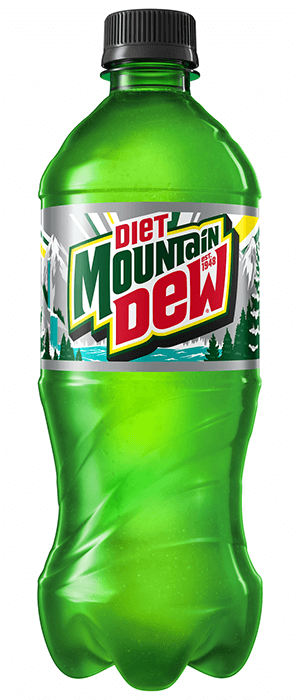
This drink is free from sugar and calories, fitting many diets. It suits low-carb, keto, and diabetic meal plans. Contains caffeine, so those sensitive should limit intake. No gluten or dairy, safe for those with allergies. Always check labels for personal dietary needs.
Credit: www.pepsicoproductfacts.com
Comparing Diet Mountain Dew To Regular Versions
Comparing Diet Mountain Dew to its regular counterpart reveals important differences that can influence your choice. Whether you’re watching your calorie intake or curious about taste, understanding what sets these two apart helps you make smarter decisions. Let’s break down the key distinctions in ingredients and experience.
Calorie And Sugar Differences
Diet Mountain Dew contains zero calories and no sugar, thanks to artificial sweeteners like sucralose and acesulfame potassium. On the other hand, regular Mountain Dew has about 170 calories and 46 grams of sugar per 12-ounce can.
This drastic difference means Diet Mountain Dew can fit better into weight-conscious lifestyles or low-sugar diets. Are you surprised by how much sugar is in regular soda? It’s worth checking labels next time you reach for a fizzy drink.
Flavor Variations
The absence of sugar in Diet Mountain Dew leads to a noticeably different taste. Many people describe the diet version as having a slightly sharper, more artificial flavor compared to the sweet, citrusy burst of the regular one.
Personal taste plays a big role here. Some enjoy the crispness of Diet Mountain Dew, while others find it less satisfying. Have you ever tried both side-by-side to see which suits your palate better?
Consumer Preferences
Many consumers choose Diet Mountain Dew to reduce calorie intake without giving up their favorite soda. Others prefer the classic sugary flavor for its familiar and satisfying taste.
Interestingly, some fans switch between the two depending on their mood or dietary needs. What’s your typical choice when grabbing a soda? Understanding your own preferences can help you enjoy your drink without compromise.
Credit: www.gianteagle.com
Frequently Asked Questions
What Are The Main Ingredients In Diet Mountain Dew?
Diet Mountain Dew primarily contains carbonated water, citric acid, natural flavors, and artificial sweeteners like aspartame and acesulfame potassium. It also includes caffeine and preservatives to maintain freshness and flavor.
Does Diet Mountain Dew Contain Caffeine?
Yes, Diet Mountain Dew contains caffeine. Each 12-ounce can has approximately 54 mg of caffeine, which is slightly higher than many other diet sodas.
Are Artificial Sweeteners Safe In Diet Mountain Dew?
Artificial sweeteners like aspartame and acesulfame potassium used in Diet Mountain Dew are approved by health authorities. They are considered safe for consumption in moderate amounts.
Is There Any Sugar In Diet Mountain Dew?
No, Diet Mountain Dew contains zero sugar. It uses artificial sweeteners to provide sweetness without the calories found in regular sugary sodas.
Conclusion
Diet Mountain Dew contains several ingredients that affect taste and health. It uses artificial sweeteners instead of sugar. Some ingredients may cause concern for sensitive individuals. Reading labels helps you make smarter choices. Knowing what you drink supports better health habits.
Always balance treats with healthy foods and water. Understanding ingredients is a step toward mindful drinking. Choose what fits your lifestyle and needs best.







