
Craving that burst of energy to kickstart your day or power through a mid-afternoon slump? Diet Mountain Dew might just be your go-to beverage.
But have you ever wondered how much caffeine is really in that electrifying can? Understanding the caffeine content in your favorite fizzy drink is more than just trivia; it’s about making informed choices that impact your energy levels and overall well-being.
We’ll uncover the caffeine secrets behind Diet Mountain Dew, helping you decide if it’s the right pick for you. Stay with us as we dive into what makes this drink tick and how it can fit into your lifestyle. Your next sip might just surprise you!
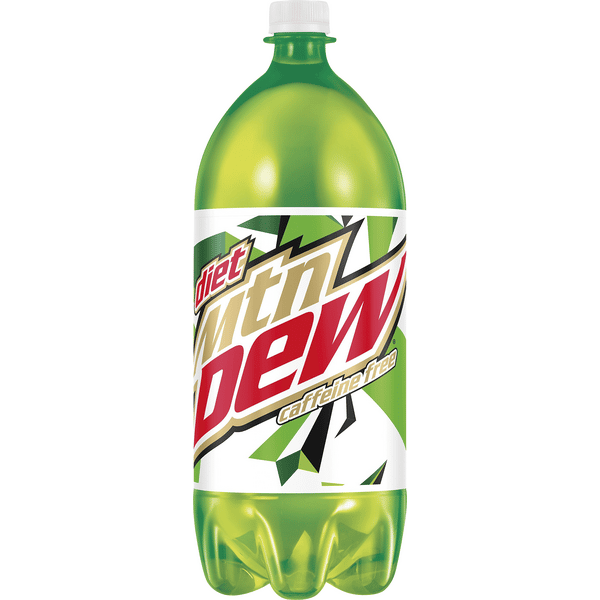
Credit: hy-vee.com
Caffeine Content In Diet Mountain Dew
Understanding the caffeine content in Diet Mountain Dew helps consumers make informed choices. Caffeine affects energy, alertness, and sometimes sleep. Knowing how much caffeine is in Diet Mountain Dew guides how much to drink safely. It also helps compare it with other drinks.
Comparing To Regular Mountain Dew
Diet Mountain Dew and Regular Mountain Dew have different caffeine levels. Diet Mountain Dew usually has slightly more caffeine. Regular Mountain Dew has about 54 mg of caffeine per 12-ounce can. Diet Mountain Dew contains around 46 mg per the same size. The difference is small but noticeable for caffeine-sensitive people.
Serving Size And Caffeine Levels
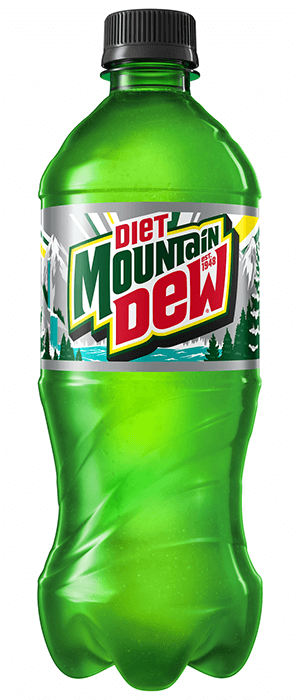
Caffeine amounts depend on the serving size. Most cans come in 12-ounce servings. Larger bottles or cans have more caffeine because they hold more liquid. Here is a quick guide:
| Serving Size | Caffeine in Diet Mountain Dew |
|---|---|
| 12 oz (can) | 46 mg |
| 20 oz (bottle) | 77 mg |
| 24 oz (bottle) | 92 mg |
Drinkers should check the label for exact caffeine content. Serving size greatly impacts total caffeine intake.
Credit: www.pepsicoproductfacts.com
How Caffeine Affects Your Body
Caffeine is a natural stimulant found in many drinks, including Diet Mountain Dew. It affects the body by interacting with the brain and nervous system. These effects can be both quick and lasting. Understanding how caffeine works helps you make better choices about your intake.
Short-term Effects
Caffeine quickly enters your bloodstream after drinking. It blocks a chemical called adenosine, which makes you feel tired. This leads to increased alertness and energy.
- Improved focus and concentration
- Increased heart rate
- Faster reaction times
- Temporary boost in mood
- Possible jitteriness or nervousness
These effects usually begin within 15 minutes and last for a few hours. Too much caffeine may cause headaches or upset stomach.
Long-term Impact
Regular caffeine use changes how your body reacts over time. You may develop a tolerance, needing more caffeine to feel the same effects.
- Possible dependence or mild addiction
- Sleep disturbances if consumed late in the day
- Increased risk of anxiety for some people
- Potential benefits like reduced risk of some diseases
Long-term effects vary by person. Monitoring your caffeine habits can help maintain a healthy balance.
Diet Mountain Dew Vs Other Popular Drinks
Diet Mountain Dew contains caffeine but less than many popular drinks. Comparing its caffeine content helps choose the right drink for energy and taste. Different drinks offer varying caffeine amounts and other effects.
Sodas
Diet Mountain Dew has about 54 mg of caffeine per 12 ounces. Regular colas like Coca-Cola have around 34 mg per 12 ounces. Pepsi contains about 38 mg per 12 ounces. Some sodas have no caffeine at all, like Sprite. Diet Mountain Dew has more caffeine than many sodas.
Energy Drinks
Energy drinks often have much more caffeine than sodas. A 16-ounce Red Bull has about 151 mg of caffeine. Monster Energy has around 160 mg in 16 ounces. These drinks aim to boost energy fast. Diet Mountain Dew has less than a third of this caffeine.
Coffee And Tea
Coffee usually has the highest caffeine content. An 8-ounce cup of brewed coffee has about 95 mg of caffeine. Black tea has around 47 mg per 8 ounces. Green tea contains less, about 28 mg per cup. Diet Mountain Dew falls between tea and coffee in caffeine levels.
Hidden Ingredients That Influence Energy
Diet Mountain Dew contains more than just caffeine to influence energy. Some hidden ingredients play a role in how your body reacts. These components affect alertness and energy levels differently than plain caffeine.
Artificial Sweeteners
Diet Mountain Dew uses artificial sweeteners instead of sugar. Common ones include aspartame and acesulfame potassium. These sweeteners add flavor without calories.
Artificial sweeteners can impact energy indirectly. Some studies suggest they may affect gut bacteria. This change might influence energy and mood over time.
Unlike sugar, they do not provide quick energy boosts. Their impact is subtle but worth noting for sensitive individuals.
Other Stimulants
Besides caffeine, Diet Mountain Dew may contain other mild stimulants. Ingredients like citric acid and sodium benzoate appear harmless but can affect energy.
Citric acid helps preserve freshness but may cause slight acidity, influencing digestion and energy.
Sodium benzoate acts as a preservative. It may affect energy levels through interaction with body chemistry.
These stimulants work quietly alongside caffeine. Their combined effect can differ from pure caffeine drinks.
Who Should Limit Intake
Diet Mountain Dew contains caffeine, which can affect people differently. Some groups should be cautious about how much they consume. Limiting intake helps avoid side effects like jitteriness, sleep problems, or other health issues. Understanding who should limit caffeine helps maintain better health.
Pregnant Women
Pregnant women should limit caffeine to protect their baby. High caffeine intake may increase risks during pregnancy. Doctors often recommend keeping caffeine below 200 mg per day. Diet Mountain Dew contains caffeine, so drinking too much can add up quickly.
Children And Teens
Children and teens are more sensitive to caffeine’s effects. Too much caffeine can cause sleep trouble and nervousness in young people. Experts advise limiting caffeine intake for anyone under 18. Diet Mountain Dew’s caffeine can affect growth and focus in children.
People Sensitive To Caffeine
Some people feel caffeine’s effects more strongly than others. Symptoms include rapid heartbeat, anxiety, or trouble sleeping. Those sensitive to caffeine should limit or avoid Diet Mountain Dew. Choosing caffeine-free options can help reduce side effects.
Tips For Managing Caffeine Consumption
Managing your caffeine intake from Diet Mountain Dew is key to staying alert without feeling jittery or anxious. Knowing how much caffeine you consume helps you avoid crashes and sleepless nights. Let’s look at practical ways you can keep your caffeine levels in check and still enjoy your favorite drink.
Reading Labels
Always check the caffeine content on the label before reaching for a can of Diet Mountain Dew. A standard 12-ounce can contains about 54 mg of caffeine, but this can vary with different sizes or versions. Understanding these numbers lets you track your total caffeine intake throughout the day.
Look out for other ingredients that might affect how caffeine impacts you, like sugar substitutes or additives. Some people react strongly to artificial sweeteners, which can worsen jitters or upset your stomach. Knowing what’s in your drink helps you make smarter choices about when and how much to consume.
Alternatives To Diet Mountain Dew
If you want to cut back on caffeine or switch things up, there are plenty of lower-caffeine or caffeine-free options. Herbal teas, flavored sparkling water, or decaffeinated sodas can satisfy your craving for a fizzy drink without the buzz. These alternatives help you stay hydrated and refreshed without overloading on caffeine.
Trying different drinks can also help you discover what suits your taste and lifestyle best. You might find you enjoy a natural fruit-infused water or a mild green tea as much as your usual soda. What’s your go-to drink when you want to avoid caffeine but still feel energized?
Balancing Daily Intake
Keep track of all the caffeine sources in your diet—coffee, tea, energy drinks, and Diet Mountain Dew included. The FDA recommends a maximum of 400 mg of caffeine per day for most adults, but your ideal limit might be lower depending on your sensitivity. Spreading your caffeine intake evenly throughout the day can prevent spikes and crashes.
Pay attention to how your body reacts after drinking caffeine. If you notice trouble sleeping or feeling anxious, try reducing your intake or switching to caffeine-free drinks in the afternoon. Balancing your caffeine consumption helps you stay productive without sacrificing your well-being.

Credit: shop.cashwise.com
Frequently Asked Questions
How Much Caffeine Is In Diet Mountain Dew?
Diet Mountain Dew contains about 54 mg of caffeine per 12 fl oz can. This amount is moderate, providing a noticeable energy boost without excessive jitters. It’s suitable for those seeking caffeine from a low-calorie soda alternative.
Is Diet Mountain Dew Caffeine Content Higher Than Regular Soda?
Yes, Diet Mountain Dew generally has more caffeine than many regular sodas. It contains 54 mg per 12 oz, while regular sodas like Coca-Cola have around 34 mg. This makes it a popular choice for caffeine seekers needing a stronger kick.
Does Caffeine In Diet Mountain Dew Affect Sleep?
Yes, caffeine in Diet Mountain Dew can affect sleep if consumed late. It stimulates the nervous system and delays sleep onset. Limiting intake in the afternoon or evening helps prevent insomnia or disturbed sleep patterns.
Is Diet Mountain Dew Caffeine Safe For Daily Consumption?
Moderate caffeine intake from Diet Mountain Dew is generally safe for most adults. Experts recommend limiting caffeine to 400 mg daily. Drinking up to 3-4 cans fits within this limit, but individual sensitivity varies.
Conclusion
Diet Mountain Dew contains a moderate amount of caffeine. It can give you a quick boost of energy. Keep track of how much you drink daily. Too much caffeine may cause jitters or trouble sleeping. Always read the label to know what you consume.
Choose drinks that fit your health needs and lifestyle. Enjoy Diet Mountain Dew as part of a balanced diet. Stay aware and make smart choices for your body.







