
Are you curious about what exactly goes into your favorite fizzy drink? Diet cola might seem like a guilt-free choice, but have you ever wondered about its nutritional content?
You’re not alone. Many of us reach for that refreshing can without giving a second thought to what we’re really consuming. In this eye-opening article, you’ll discover the nutritional breakdown of diet cola, uncovering the truths behind its zero-calorie promise.
Stick around to find out how it fits into your lifestyle and what it really means for your health. If you’re ready to make informed choices, keep reading to learn everything you need to know about diet cola nutrition.

Credit: www.valumart.ca
Calories And Sweeteners
Calories and sweeteners shape the diet cola experience. They influence taste and health impacts. Understanding these elements helps make better choices. Diet cola uses sweeteners that add little or no calories.
This section breaks down the types of artificial sweeteners used. It also compares calorie content with regular cola.
Artificial Sweeteners Used
Diet cola often contains these artificial sweeteners:
- Aspartame – Common in many brands, low calorie.
- Sucralose – Derived from sugar, very sweet, no calories.
- Stevia – A natural plant extract, zero calories, gentle taste.
- Saccharin – One of the oldest sweeteners, calorie-free.
These sweeteners provide sweetness without sugar’s calories. They help keep the drink tasty while reducing calorie intake.
Calorie Content Compared To Regular Cola
| Beverage | Calories (per 12 oz) |
|---|---|
| Regular Cola | 140 |
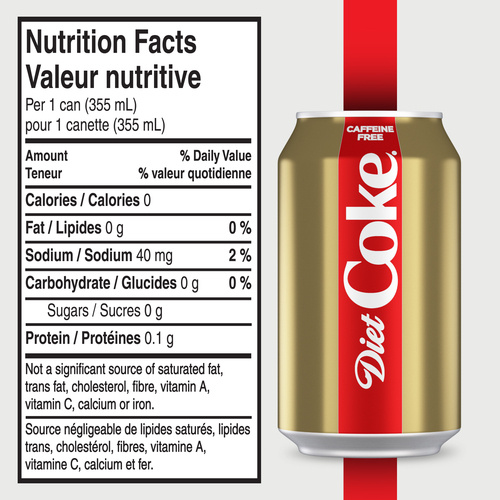
| Diet Cola | 0 to 5 |
Regular cola contains sugar and many calories. Diet cola has little to no calories. This makes diet cola popular for weight management.
Impact On Blood Sugar
Diet cola is a popular choice for those watching their blood sugar. Unlike regular soda, diet cola contains artificial sweeteners instead of sugar. These sweeteners have a different effect on blood sugar and insulin levels. Understanding this impact helps people make better dietary choices, especially those with blood sugar concerns.
Effects On Insulin Levels
Artificial sweeteners in diet cola do not raise blood sugar directly. Some studies suggest they might still affect insulin levels. Insulin is a hormone that controls blood sugar. Small insulin spikes can happen after drinking diet cola. These spikes are usually much lower than with sugary drinks. The long-term effects of these insulin changes remain unclear. Drinking diet cola occasionally is unlikely to cause major insulin problems.
Suitability For Diabetics
Diet cola is often seen as a safer drink for diabetics. It has zero sugar and very few calories. This helps avoid sudden blood sugar spikes. Still, diabetics should monitor their blood sugar after drinking it. Some artificial sweeteners may affect people differently. Consulting a healthcare provider before making diet cola a regular choice is wise. Moderation is key to managing blood sugar well.
Nutritional Value
Understanding the nutritional value of diet cola can help you make smarter choices about what you drink. While it may seem like a simple calorie-free alternative to regular soda, its actual content reveals more about what you’re putting into your body. Let’s look closely at what vitamins and minerals it offers and what it lacks.
Vitamins And Minerals Present
Diet cola typically contains very small amounts of vitamins and minerals. Some brands add tiny traces of sodium, potassium, or caffeine, but these are minimal and unlikely to affect your daily nutrient intake.
Occasionally, diet colas might include additives like phosphoric acid, which can influence calcium absorption, but they don’t provide any significant vitamins such as A, C, or B-complex vitamins.
Have you ever checked the label to see if your favorite diet cola offers any nutrients? Most likely, the answer is no, so it’s important not to rely on these drinks for nutritional support.
Lack Of Nutrients
One of the biggest facts about diet cola is that it contains no calories, no protein, no fiber, and no essential nutrients. This means it doesn’t contribute to your daily intake of vitamins or minerals.
This lack of nutrients means diet cola won’t help you meet your nutritional goals. Drinking it won’t replace the benefits of eating whole fruits, vegetables, or other nutrient-rich foods.
Think about your hydration habits—are you drinking enough water and nutrient-packed beverages, or is diet cola taking up space in your diet? It’s a simple choice that can affect your overall well-being.

Credit: www.lundsandbyerlys.com
Dental Health Concerns
Diet cola might seem like a harmless alternative to sugary sodas, but it carries some hidden risks for your dental health. Understanding how diet cola interacts with your teeth can help you make smarter choices. Let’s look closely at what happens when your teeth come in contact with this popular beverage.
Acidity And Tooth Enamel
Diet cola is acidic, primarily due to ingredients like phosphoric acid and citric acid. This acid can wear down your tooth enamel, the hard outer layer that protects your teeth. Once enamel weakens, your teeth become more sensitive and prone to damage.
Think about the last time you felt a sharp pain after drinking something cold or sweet. That sensitivity might be linked to enamel erosion caused by acidic drinks like diet cola. Protecting your enamel is crucial because it does not regenerate once it’s gone.
Risk Of Cavities
You might assume diet cola doesn’t cause cavities since it contains no sugar. However, the acids in diet cola create an environment where cavity-causing bacteria can thrive. These bacteria feed on the acids, producing substances that further damage your teeth.
Even without sugar, regular exposure to diet cola can increase your risk of tooth decay. Do you consider how often you sip on diet soda throughout the day? The more frequently your teeth encounter acid, the greater the risk.
- Limit diet cola intake to protect your enamel.
- Use a straw to reduce contact with teeth.
- Rinse your mouth with water after drinking diet cola.
- Wait at least 30 minutes before brushing your teeth to avoid brushing away softened enamel.
Weight Management Effects
Weight management is a key reason many choose diet cola over regular soda. Understanding how diet cola affects hunger and body weight helps make smarter choices. This section explores the impact of diet cola on appetite and what research says about weight changes.
Influence On Appetite
Diet cola contains artificial sweeteners that provide sweetness without calories. These sweeteners can trick the brain, sometimes increasing hunger signals. Some people may feel hungrier after drinking diet cola.
On the other hand, diet cola has no sugar or fat, so it does not add calories that cause weight gain. For some, it may reduce cravings for sweet, high-calorie foods.
- Artificial sweeteners might increase appetite in some individuals.
- No added calories help avoid extra energy intake.
- May reduce sugar cravings and snacking for some people.
Studies On Weight Gain Or Loss
Research on diet cola and weight shows mixed results. Some studies link diet cola to weight loss or weight maintenance. Others suggest possible weight gain over time.
One reason is that people who drink diet cola might eat more calories elsewhere. Another factor is individual body responses to artificial sweeteners.
| Study Type | Findings |
|---|---|
| Clinical Trials | Often show diet cola can help reduce calorie intake and support weight loss. |
| Observational Studies | Sometimes link diet cola with weight gain, possibly due to other lifestyle factors. |
Credit: www.sobeys.com
Hydration And Diet Cola
Hydration is essential for your body’s performance and overall health. While diet cola can quench your thirst, it’s important to understand how it affects your hydration compared to plain water. Let’s break down the impact of diet cola on your body’s hydration and see how it stacks up against water.
Effect On Body Hydration
Diet cola contains water, which naturally contributes to your daily fluid intake. However, it also has caffeine and artificial sweeteners, which can influence hydration differently than plain water.
Caffeine acts as a mild diuretic, meaning it can increase urine production slightly. For most people, moderate consumption of diet cola doesn’t lead to significant dehydration, but excessive intake might make you feel thirstier.
Have you noticed feeling more thirsty after a few cans of diet cola? That’s your body signaling the need for better hydration. Listening to these cues helps you balance your fluid intake better.
Comparison With Water
Water remains the gold standard for hydration. Unlike diet cola, it contains no additives that may affect how your body retains fluids.
| Aspect | Diet Cola | Water |
|---|---|---|
| Hydration Efficiency | Good but slightly reduced due to caffeine | Excellent, pure hydration |
| Calories | Zero or very low | Zero |
| Additional Ingredients | Caffeine, artificial sweeteners, acids | None |
| Effect on Thirst | May increase thirst if consumed in excess | Reduces thirst effectively |
Choosing water over diet cola for hydration keeps your body balanced and free from unnecessary additives. Could swapping one can of diet cola per day with a glass of water improve how you feel?
Potential Health Risks
Diet cola often seems like a smart choice for those watching their calorie intake. However, it’s important to understand the potential health risks tied to drinking it regularly. Knowing these risks helps you make better decisions about what you put in your body.
Long-term Consumption Effects
Drinking diet cola over many years may affect your body in unexpected ways. Some people report headaches, digestive issues, and changes in taste preferences after regular consumption.
The artificial sweeteners in diet cola, such as aspartame or sucralose, can confuse your metabolism. Your body might crave more sugary foods because it expects real sugar, leading to overeating.
Have you noticed how your energy levels fluctuate after a can of diet cola? This is because the caffeine content can cause dependency, making you feel tired without it.
Links To Chronic Diseases
Research suggests that diet cola consumption might be linked to certain chronic diseases. Studies have found associations between frequent diet soda intake and increased risk of type 2 diabetes and heart disease.
One surprising insight is that even without calories, diet cola can impact insulin response. This means your blood sugar could be affected negatively despite no sugar content.
Are you aware that drinking diet cola daily might increase your risk of stroke or dementia? Some studies highlight these concerns, though more research is needed to understand how strong these links are.
- Possible increased risk of metabolic syndrome
- Potential changes in gut bacteria affecting health
- Impact on bone density with excessive consumption
Considering these risks, you might want to rethink reaching for diet cola as your go-to beverage. What healthier alternatives could replace it in your daily routine?
Diet Cola Vs. Other Beverages
Choosing between diet cola and other beverages often comes down to what fits best with your lifestyle and health goals. Understanding the differences can help you make better choices, especially if you monitor your calorie intake or sugar levels. Let’s compare diet cola with regular soda and explore some alternative drinks that might suit your taste and nutrition needs.
Comparison With Regular Soda
Diet cola contains zero or very few calories, while regular soda is loaded with sugar and calories. This makes diet cola a popular choice for people trying to reduce calorie intake without giving up their fizzy drink. However, diet colas use artificial sweeteners like aspartame or sucralose, which some people prefer to avoid due to personal health concerns.
Regular soda can spike your blood sugar quickly, which might not be ideal if you are managing diabetes or trying to avoid sugar crashes. On the other hand, diet cola doesn’t affect blood sugar in the same way, but it may impact gut health or appetite regulation for some individuals. What matters most is how your body reacts to these ingredients and what your health priorities are.
Alternatives To Diet Cola
If you want to cut back on both sugar and artificial sweeteners, there are other drink options to consider. Sparkling water with a splash of natural fruit juice offers fizz without the additives found in sodas. Unsweetened iced tea or herbal teas can also provide flavor and hydration without calories or sweeteners.
- Infused water with cucumber, lemon, or berries for natural taste
- Kombucha for a probiotic boost and a tangy fizz
- Cold-brewed coffee for a low-calorie caffeine fix
Have you tried swapping your diet cola for one of these alternatives? Your taste buds might surprise you, and your body could thank you for the change. It’s worth experimenting to find the beverage that feels right for your daily routine.
Frequently Asked Questions
What Are The Main Ingredients In Diet Cola?
Diet cola mainly contains carbonated water, artificial sweeteners like aspartame, caramel color, phosphoric acid, caffeine, and natural flavors. These ingredients provide flavor without adding sugar or calories.
How Many Calories Are In A Can Of Diet Cola?
A standard 12-ounce can of diet cola contains zero or very few calories, usually less than 5. This makes it a popular low-calorie beverage option.
Is Diet Cola Safe For Daily Consumption?
Yes, diet cola is generally safe when consumed in moderation. Artificial sweeteners used are approved by health authorities and considered safe for most people.
Does Diet Cola Affect Weight Loss Or Gain?
Diet cola has no calories, so it doesn’t directly cause weight gain. However, excessive intake may affect appetite or metabolism indirectly.
Conclusion
Diet cola offers a low-calorie alternative to regular soda. It contains artificial sweeteners instead of sugar. This can help reduce calorie intake. Yet, it lacks vitamins and minerals your body needs. Drinking it in moderation is important for health. Water and natural juices remain better choices.
Understanding diet cola nutrition helps you make smart decisions. Balance is key for a healthy lifestyle. Choose drinks that support your overall well-being. Keep your body happy and hydrated every day.







