
Have you ever stopped to think about what’s really inside your diet cola? You might be surprised to learn what those simple-looking ingredients actually are.
Understanding what goes into your favorite drink can help you make smarter choices for your health. You’ll discover the key ingredients in diet cola, what they do, and how they might affect your body. Keep reading to unlock the secrets behind that fizzy, low-calorie sip you enjoy every day.

Credit: shop.bristolfarms.com
Key Ingredients In Diet Cola
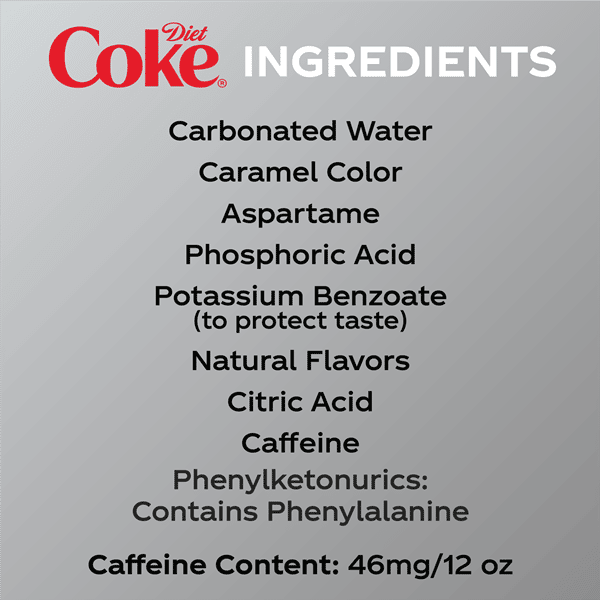
Diet cola has a unique mix of ingredients. These ingredients create its distinctive taste and texture without adding sugar. Each component plays a specific role to keep the flavor enjoyable and the drink refreshing. Understanding these key ingredients helps you know what goes into your favorite beverage.
Artificial Sweeteners
Diet cola uses artificial sweeteners to provide sweetness without calories. Common sweeteners include aspartame, sucralose, and acesulfame potassium. These ingredients are much sweeter than sugar, so only a small amount is needed. They help reduce calorie intake while maintaining the sweet taste.
Acids And Preservatives
Acids give diet cola its tangy flavor and help preserve freshness. Phosphoric acid and citric acid are the most common acids used. Preservatives like sodium benzoate prevent spoilage and extend shelf life. These ingredients keep the drink safe and tasty for longer periods.
Flavoring Agents
Flavoring agents create the signature taste of diet cola. Natural and artificial flavors blend to mimic the classic cola taste. These ingredients include extracts from spices, herbs, and fruits. The exact recipe is often a secret but is essential for the drink’s appeal.
Caffeine Content
Caffeine adds a mild stimulant effect to diet cola. It helps improve alertness and provides a slight bitterness to balance sweetness. The caffeine amount varies but usually stays below 50 milligrams per serving. This keeps the drink refreshing without causing strong jitters.
Color Additives
Color additives give diet cola its dark, rich appearance. Caramel color is the most common dye used. It provides the deep brown shade associated with cola drinks. Color additives do not affect the taste but enhance the visual appeal of the beverage.
Credit: www.hy-vee.com
Artificial Sweeteners Explained
Artificial sweeteners are the key players behind diet cola’s sweet taste without the calories. They trick your taste buds but don’t raise your blood sugar the way regular sugar does. Understanding these sweeteners helps you make smarter choices about what you drink and how it affects your body.
Aspartame And Its Effects
Aspartame is one of the most common artificial sweeteners found in diet sodas. It’s about 200 times sweeter than sugar, so only tiny amounts are needed to sweeten your drink. However, some people report headaches or sensitivity after consuming aspartame, which raises questions about its effects on your health.
Despite concerns, many studies show aspartame is safe for most people. But if you have a condition called phenylketonuria (PKU), you must avoid it completely. Have you noticed any changes in how you feel after drinking diet cola with aspartame?
Sucralose And Safety Concerns
Sucralose is another popular sweetener used in diet colas. It’s made from sugar but modified so your body doesn’t absorb it. This means it provides sweetness without calories, which sounds ideal for weight management.
Still, some research suggests sucralose might affect gut bacteria or cause digestive issues in sensitive individuals. Do you pay attention to how your stomach reacts after consuming products with sucralose?
Saccharin’s History And Usage
Saccharin is the oldest artificial sweetener, discovered over a century ago. It’s about 300-400 times sweeter than sugar and was the first widely used sugar substitute. You might recognize its slightly bitter aftertaste in some diet sodas.
Earlier, saccharin faced safety doubts, but later studies cleared it for use. It’s still used today, especially in combination with other sweeteners to balance taste. Have you ever wondered why some diet drinks taste different even if they claim to be sugar-free?
Health Impacts To Consider
Diet cola is popular for its low calorie content. People often choose it to reduce sugar intake. Despite this, it contains ingredients that can affect health. Understanding these effects helps make better choices. Below are key health impacts to consider when drinking diet cola.
Metabolic Effects
Artificial sweeteners in diet cola may confuse the body. They can alter how the body processes sugar. Some studies suggest these sweeteners might increase cravings for sweet foods. This could lead to overeating and weight gain. Also, diet cola may affect insulin response. Insulin helps control blood sugar levels. Changes in insulin response may increase diabetes risk.
Impact On Gut Health
Diet cola ingredients can change gut bacteria. Healthy gut bacteria are important for digestion. Artificial sweeteners may reduce beneficial bacteria. This change can lead to digestive problems like bloating or gas. A disrupted gut microbiome may also affect the immune system. Long-term effects on gut health are still being studied.
Potential Allergic Reactions
Some people may react to diet cola ingredients. Common triggers include artificial sweeteners and preservatives. Symptoms can range from mild to severe. They may include headaches, skin rashes, or stomach pain. People with allergies should check ingredient labels carefully. Consulting a doctor is wise if reactions occur after drinking diet cola.
Environmental And Ethical Issues
Diet cola ingredients raise important environmental and ethical questions. These concerns cover how ingredients are produced, sourced, and packaged. Understanding these aspects helps us make better choices for the planet.
Production Footprint
Making diet cola involves energy and water use. Factories emit greenhouse gases during production. These emissions add to climate change. Waste and pollution can harm nearby areas. Reducing energy use lowers the environmental footprint.
Sourcing Of Ingredients
Ingredients like sweeteners and additives come from farms or factories. Some crops need lots of water and chemicals. This can damage soil and water quality. Ethical sourcing means fair pay and good conditions for workers. Choosing suppliers with strong ethics benefits communities.
Packaging Concerns
Diet cola bottles and cans create waste. Many containers end up in landfills or oceans. Recycling rates vary by region and material. Plastic packaging especially harms wildlife and ecosystems. Using recycled materials and reducing packaging helps protect nature.
Common Misconceptions
Many people have wrong ideas about diet cola ingredients. These myths affect how people view diet sodas. Separating fact from fiction helps make better choices.
Diet Cola And Weight Loss
Some think diet cola helps with weight loss. It has no sugar and fewer calories. But drinking it alone won’t cause weight loss. Other factors like diet and exercise matter more. Diet cola can be part of a calorie-controlled plan. It does not directly burn fat or reduce weight.
Sugar-free Means Healthy
Diet cola is sugar-free but not always healthy. It contains artificial sweeteners and additives. These ingredients may affect health in some ways. Drinking diet cola in moderation is safer. It is not a health drink or nutrient source. Water and natural juices are better for health.
Caffeine Levels Compared To Coffee
Diet cola contains caffeine, but less than coffee. A can of diet cola has about 30-40 mg of caffeine. A cup of coffee has about 95 mg or more. Diet cola gives a small caffeine boost. It is not as strong or energizing as coffee. People sensitive to caffeine should watch their intake.
Credit: drinkcantrip.com
Alternatives To Diet Cola
Choosing an alternative to diet cola can refresh your daily drink routine and reduce your intake of artificial ingredients. Many options provide satisfying flavors without the extra chemicals or aftertaste that diet colas sometimes leave behind. Let’s look at some tasty and healthier choices you can easily try at home or find in stores.
Natural Sweetener Options
If you want to avoid artificial sweeteners like aspartame or sucralose, natural sweeteners can be a great choice. Honey, maple syrup, and agave nectar add sweetness without the harsh chemical taste.
Stevia and monk fruit extract are popular zero-calorie natural sweeteners that don’t spike blood sugar. They work well in iced teas or sparkling water, giving you a gentle sweetness without guilt.
Have you thought about adjusting the sweetness level to your taste? Sometimes, just a small amount of natural sweetener can satisfy cravings and help you cut down on sugar gradually.
Herbal And Fruit-based Drinks
Herbal teas like hibiscus, chamomile, and peppermint offer complex flavors without calories or artificial ingredients. They can be enjoyed hot or cold, and you can add a splash of lemon for extra zest.
Fruit-infused water is another delicious option. Just add slices of cucumber, berries, or citrus fruits to plain or sparkling water for a refreshing drink that feels special.
Have you tried making your own kombucha? This fermented tea drink adds probiotics and a tangy flavor that can replace the fizzy sensation of diet cola.
Homemade Low-calorie Beverages
Making your own drinks lets you control exactly what goes inside. Try mixing sparkling water with fresh lime juice and a dash of natural sweetener for a quick, bubbly refresher.
Another idea is to blend your favorite fruits with ice and a splash of water for a naturally sweet smoothie with zero added sugar. It’s a nourishing alternative that keeps you hydrated.
Why not experiment with herbal infusions? Steeping fresh herbs like rosemary or basil in cold water creates unique flavors that can replace your usual soda fix.
Frequently Asked Questions
What Are The Main Ingredients In Diet Cola?
Diet cola typically contains carbonated water, artificial sweeteners like aspartame, caffeine, phosphoric acid, and natural flavors. These ingredients help provide the signature taste and fizz. The absence of sugar makes it a low-calorie alternative to regular cola.
Does Diet Cola Contain Caffeine?
Yes, diet cola usually contains caffeine. Caffeine is added to provide an energy boost and enhance the flavor. However, the caffeine content can vary between different brands and formulations. Always check the label for specific caffeine amounts.
Are Artificial Sweeteners In Diet Cola Safe?
Artificial sweeteners like aspartame and sucralose are generally considered safe. They are approved by regulatory bodies, such as the FDA. However, some individuals may prefer to limit their intake due to personal health considerations or taste preferences.
How Does Diet Cola Differ From Regular Cola?
Diet cola differs from regular cola mainly in its sweetening agents. Instead of sugar, it uses artificial sweeteners, making it lower in calories. This makes it a popular choice for those watching their calorie intake while still enjoying a cola beverage.
Conclusion
Diet cola contains a mix of ingredients that create its unique taste. Sweeteners replace sugar to lower calories. Acids add a tangy flavor, while caffeine provides a mild energy boost. Preservatives help keep the drink fresh longer. Knowing these ingredients helps you make informed choices.
Always check labels if you have allergies or health concerns. Understanding what’s inside supports a balanced lifestyle. Choose drinks that fit your taste and health needs. Simple awareness leads to better decisions every day.







