
Have you ever wondered what makes diet cola cans so popular? Maybe you grab one to cut calories or just enjoy the fizzy taste without the guilt.
But there’s more to these cans than meets the eye. From the design that fits perfectly in your hand to the secret behind their unique flavor, diet cola cans hold surprises you didn’t expect. Keep reading, and you’ll discover why these cans are more than just a drink—they’re a smart choice for your lifestyle.

Credit: www.amazon.com
Origins Of Diet Cola
Diet cola cans have a fascinating past. Their creation reflects changes in consumer tastes and health awareness. These drinks offer a low-calorie alternative to regular sodas. The story of diet cola begins decades ago, blending science and marketing to meet new demands.
Early Invention And Popularity
Diet cola first appeared in the 1950s. It targeted people wanting to reduce sugar intake. Early formulas used artificial sweeteners instead of sugar. These products quickly found a loyal audience.
Advertising highlighted diet cola as a smart choice. People liked the idea of enjoying soda without extra calories. The cans made it easy to carry and serve the drink anywhere.
Evolution Of Formulas
Over time, formulas changed to improve taste and safety. New sweeteners replaced older ones with health concerns. Companies tested blends to match classic cola flavor.
Manufacturers also focused on can design and packaging. The goal was to keep the drink fresh and attractive. Today’s diet cola cans reflect decades of innovation and feedback.
Ingredients Inside The Can
Diet cola cans contain a mix of ingredients designed to deliver flavor without sugar. Each component plays a role in taste, texture, and shelf life. Understanding these ingredients helps you make informed choices about what you drink.
Artificial Sweeteners Explained
Diet colas use artificial sweeteners to provide sweetness without calories. These sweeteners are much sweeter than sugar, so only small amounts are needed.
- Aspartame:Common in many diet sodas; breaks down into amino acids and a small amount of methanol.
- Sucralose:Made from sugar, but not absorbed by the body, so it adds no calories.
- Acesulfame potassium:Often combined with other sweeteners to enhance taste.
These sweeteners help reduce calorie intake while keeping the familiar sweet flavor.
Additives And Preservatives
Additives keep the drink fresh and stable over time. They also improve flavor and appearance.
- Phosphoric Acid:Adds tangy flavor and controls acidity.
- Caffeine:Provides the stimulating effect many enjoy.
- Caramel Color:Gives the cola its dark color.
- Preservatives:Prevent bacterial growth and extend shelf life.
These ingredients ensure the soda tastes good and lasts longer on shelves.
Health Effects To Consider
Diet cola cans are a popular choice for many who want a sweet drink without the calories. Understanding their health effects helps in making better choices. Some effects are positive, while others may raise concerns. This section explores key health aspects linked to diet cola consumption.
Impact On Weight Management
Diet cola has zero or very few calories. This can help reduce daily calorie intake. Many use it to replace sugary sodas and avoid weight gain. Yet, studies show mixed results on weight loss. Some people may eat more after drinking diet cola. This may happen because sweet taste tricks the brain. It expects calories that never arrive. Over time, this can lead to weight gain instead of loss.
Effects On Metabolism And Appetite
Artificial sweeteners in diet cola can affect metabolism. Some research suggests they may change gut bacteria. These changes might influence how the body handles sugar and fat. Appetite may also be affected. Diet cola can increase cravings for sweet or high-calorie foods. This can lead to overeating. The exact effects vary from person to person. More research is needed to understand these impacts fully.

Credit: www.gianteagle.com
Environmental Impact
Diet cola cans are a staple in many households, offering a low-calorie option for soda lovers. However, these convenient cans come with an environmental impact that’s worth exploring. Understanding the lifecycle of a diet cola can can help us make more sustainable choices.
Recycling Challenges
Recycling diet cola cans might seem straightforward, but it presents several challenges. Not all recycling facilities are equipped to process aluminum efficiently. Additionally, contamination from leftover liquid or food can hinder the recycling process.
Have you ever wondered if your recycled can actually gets a second life? The reality is that many cans end up in landfills due to these complications. Ensuring your cans are clean and dry before recycling can improve their chances of being reused.
Carbon Footprint Of Production
The production of diet cola cans involves significant carbon emissions. From mining bauxite to producing aluminum, each step requires energy-intensive processes. This contributes to the carbon footprint of the can, even before it’s filled with your favorite beverage.
Consider the journey of a single can. It travels from production to your local store, and eventually to your fridge. Each stage of this journey adds to its environmental impact. Are there ways you can reduce this footprint? Perhaps by choosing locally produced beverages or reducing consumption.
By understanding these impacts, you can make informed decisions. Small changes in your habits can contribute to a healthier planet. What changes are you willing to make today?
Myths Vs Facts
Diet cola cans often spark debates filled with myths and truths. Sorting these out helps you make better choices about what you drink. Let’s break down some common misunderstandings and see what science really says.
Common Misconceptions Debunked
Many people believe diet cola causes weight gain, but it actually contains zero calories. However, some think artificial sweeteners trick your brain into craving more sugar, which can lead to overeating. While this might happen for some, it’s not a universal rule.
Another myth is that diet cola harms your bones or causes cancer. These claims lack strong evidence and often come from outdated studies. The truth is, moderate consumption is generally safe for most people.
Have you ever heard that diet cola causes diabetes? The link is not direct. Studies show that lifestyle choices play a bigger role than just drinking diet soda.
Scientific Research Findings
Research has found that artificial sweeteners in diet cola do not raise blood sugar levels. This is good news if you are managing diabetes or watching your sugar intake. Still, relying too much on any sweetened beverage isn’t ideal.
Studies also show that drinking diet cola in moderation does not increase the risk of heart disease. In fact, some research suggests it may help reduce calorie intake when used as a soda alternative. But balance is key—water and natural drinks should always be part of your diet.
One interesting study tracked people over several years and found no clear evidence that diet cola causes significant health problems. It highlights how lifestyle, including diet and exercise, matters more than one food or drink item.
Global Popularity Trends
The global popularity of diet cola cans has grown steadily over the past few decades. This rise reflects changing consumer preferences toward low-calorie and sugar-free beverage options. Understanding these trends can help you see why diet cola remains a staple in many households around the world.
Consumption Patterns Worldwide
People in North America and Europe have traditionally led in diet cola consumption due to heightened health awareness. However, recent data shows rapid growth in Asian and Latin American markets as urban lifestyles increase demand for convenient, low-calorie drinks.
Interestingly, younger generations prefer smaller cans and value eco-friendly packaging more than previous ones. Have you noticed how some brands now offer 250ml cans, perfect for a quick, guilt-free refreshment? This shift reflects evolving habits and a focus on portion control.
- Urban areas show higher consumption rates due to busy lifestyles.
- Health-conscious consumers choose diet cola as an alternative to sugary sodas.
- Emerging markets present untapped potential for diet cola brands.
Marketing Strategies
Brands emphasize the zero-sugar and calorie-free benefits in their advertising to attract health-aware buyers. They also use social media influencers and sponsorship of fitness events to connect with younger audiences.
Packaging innovations like sleek, colorful cans grab attention on store shelves. Limited edition designs and collaborations with popular artists create excitement and encourage collection among fans.
| Strategy | Purpose |
|---|---|
| Highlighting health benefits | Appeals to consumers seeking diet-friendly options |
| Influencer partnerships | Engages younger demographics via trusted voices |
| Unique packaging | Increases shelf visibility and consumer interest |
Are you paying attention to how your favorite diet cola brand reaches out to you? Understanding these tactics might change the way you pick your next can. What marketing approach influences your purchase the most?
Alternatives To Diet Cola
Diet cola cans offer a low-calorie soda choice, but some prefer to avoid artificial sweeteners and chemicals. There are many alternatives to diet cola that provide refreshing flavors without the additives. These options can satisfy cravings while offering a healthier approach to soft drinks.
Natural Sweetened Options
Natural sweetened drinks use sugars from fruits or plants. They avoid artificial ingredients and taste fresh. Examples include:
- Fruit-infused sparkling water
- Coconut water with a splash of lemon
- Tea sweetened with honey or agave syrup
- 100% fruit juices diluted with sparkling water
These drinks hydrate and refresh without the harsh aftertaste common in diet colas.
Homemade Drink Recipes
Making drinks at home gives control over ingredients and sweetness. Simple recipes include:
- Lemon and mint sparkling water
- Ginger and lime soda made with fresh juice
- Herbal iced teas with natural sweeteners
- Berry-infused water with a touch of stevia
Homemade drinks are easy to prepare and cost-effective. They bring natural flavors and keep sugar levels in check.
Credit: www.walmart.com
Frequently Asked Questions
What Ingredients Are In Diet Cola Cans?
Diet cola cans typically contain carbonated water, caramel color, phosphoric acid, artificial sweeteners like aspartame, caffeine, and natural flavors. These ingredients create the familiar taste without sugar, making diet cola a low-calorie alternative to regular soda.
Are Diet Cola Cans Safe For Daily Consumption?
Yes, diet cola cans are generally safe for daily consumption in moderation. Artificial sweeteners used are approved by health authorities. However, excessive intake may cause health concerns, so it’s best to enjoy them as part of a balanced diet.
How Many Calories Are In A Diet Cola Can?
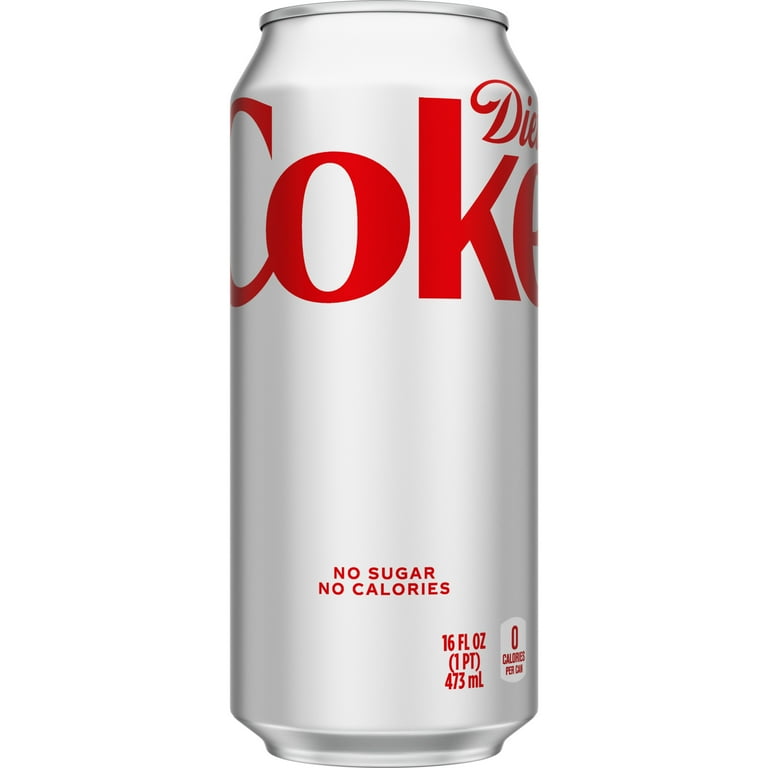
A standard diet cola can contains zero or very few calories, usually less than 5 calories per 12-ounce can. This makes diet cola popular for those managing calorie intake while still enjoying a fizzy beverage.
Do Diet Cola Cans Contain Caffeine?
Yes, most diet cola cans contain caffeine, similar to regular cola. The caffeine content varies but typically ranges around 30-40 mg per 12-ounce can, providing a mild stimulant effect for energy and alertness.
Conclusion
Diet cola cans offer a low-calorie alternative to regular soda. They come in many sizes and flavors to suit your taste. While they have less sugar, drink them in moderation. Reading labels helps you choose the best option for health.
Staying informed lets you enjoy diet cola safely and smartly. Choose what fits your lifestyle and preferences. Balance is key for any drink choice. Keep your body and mind happy.







