
Are you struggling to stay consistent with your workouts? Imagine having a simple checklist that keeps you motivated and on track every single day.
Your daily workout checklist can turn chaos into clarity, helping you focus on what truly matters—your progress and results. You’ll discover easy and effective checklist ideas designed to boost your energy, sharpen your focus, and make every workout count. Keep reading, and you’ll never miss a step toward your fitness goals again.
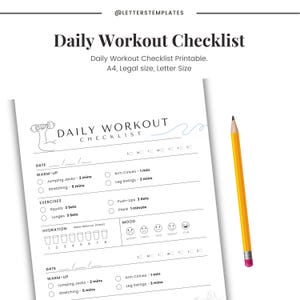
Credit: www.etsy.com
Essential Warm-up Moves
Warming up is a key part of any workout. It prepares your body and mind for exercise. Proper warm-up moves reduce injury risk and boost performance. Start with gentle activities that increase blood flow and loosen muscles. Focus on exercises that wake up your whole body. Here are some essential warm-up moves to add to your daily workout checklist.
Dynamic Stretches To Start
Dynamic stretches gently stretch muscles while moving. They improve flexibility and range of motion. Try leg swings to loosen hips and hamstrings. Arm circles help warm up shoulders. Walking lunges activate leg muscles and improve balance. These moves raise your heart rate slightly and prepare muscles for action.
Light Cardio Options
Light cardio gets your heart pumping without fatigue. Choose activities like brisk walking or slow jogging. Jumping jacks increase circulation and warm up your whole body. Skipping rope is another great option to raise your pulse. Aim for 3-5 minutes of light cardio to prepare your cardiovascular system.
Joint Mobility Drills
Joint mobility drills improve movement in key joints. Neck circles reduce stiffness in your neck. Hip circles increase flexibility in the hips. Ankle rolls prepare your ankles for impact. These drills help prevent joint pain and stiffness during workouts. Perform each movement slowly and with control.
Strength Training Must-dos
Create a daily workout checklist to stay consistent with strength training. Include warm-up, main exercises, and cool-down for balanced progress. Tracking sets and reps helps measure improvement over time.
Strength training is an essential part of any workout routine. It builds muscle, boosts metabolism, and enhances overall fitness. Whether you’re a beginner or a seasoned athlete, incorporating strength training into your daily workout checklist is crucial.Bodyweight Exercises
Bodyweight exercises are a great starting point. They require no equipment and can be done anywhere, making them incredibly convenient. Include moves like push-ups, squats, and lunges to target multiple muscle groups. Feel free to adjust the intensity by modifying the number of reps. If you’re new, start with 10 reps and gradually increase as you get stronger. Consistency is key, so aim to do these exercises at least three times a week.Weightlifting Basics
Weightlifting can transform your body, but it’s essential to start correctly. Focus on mastering the basics like bicep curls, deadlifts, and bench presses. Proper form is crucial to prevent injuries and maximize results. Start with lighter weights to get a feel for each exercise. Gradually increase the load as your confidence and strength grow. If you’re unsure about your form, consider watching instructional videos or consulting a trainer.Core Strength Focus
A strong core is the foundation of all physical activities. It supports your spine, improves posture, and enhances balance. Planks, Russian twists, and leg raises are excellent exercises to strengthen your core. Integrate these exercises into your routine for a well-rounded workout. Challenge yourself by holding planks longer or adding a twist to your Russian twists. You’ll soon notice improvements not just in your workouts but in everyday tasks. How do you incorporate strength training into your daily routine? Are there specific exercises that have transformed your fitness journey? Share your thoughts and tips in the comments below!Cardio Activities To Include
Cardio activities are essential to any daily workout checklist. They boost your heart health, burn calories, and improve endurance. Choosing the right cardio exercises can keep your routine exciting and effective.
Running And Jogging Tips
Running and jogging are straightforward ways to get your heart pumping. Start with a comfortable pace and gradually increase your speed or distance to avoid injury.
Remember to wear proper shoes to support your feet and reduce impact. Mixing up your route can keep your runs interesting and challenge different muscles.
Have you tried timing your intervals? Alternating between faster and slower speeds can help you improve stamina faster than steady pacing.
Cycling And Spinning
Cycling is a low-impact cardio activity that strengthens your legs and improves cardiovascular health. You can cycle outdoors or join a spinning class for a more intense experience.
To get the best results, focus on maintaining a steady cadence and adjusting resistance to match your fitness level. Setting small goals, like increasing your distance or time, can keep motivation high.
Think about how cycling fits into your lifestyle. Could you swap short car trips for bike rides? This adds cardio without extra time commitment.
High-intensity Interval Training
High-Intensity Interval Training (HIIT) mixes short bursts of intense activity with brief rest periods. This method burns more calories in less time and boosts your metabolism.
Try exercises like jumping jacks, burpees, or sprint intervals. Keep your effort high during work periods and fully recover during rests for maximum benefit.
Wondering how to fit HIIT into your day? Even 15 minutes can make a big difference if you push yourself during those intervals.
Flexibility And Cool-down
Flexibility and cool-down are essential parts of your daily workout checklist. They help your muscles recover and reduce soreness. Taking time to stretch and relax after exercise improves your overall performance and keeps injuries at bay.
Static Stretching Routines
Static stretching means holding a stretch for 20 to 30 seconds without moving. Focus on major muscle groups like hamstrings, calves, and shoulders. Holding stretches helps lengthen your muscles and improve flexibility over time.
Try these simple stretches after your workout:
- Seated hamstring stretch: Sit with one leg extended and reach for your toes.
- Chest opener: Clasp your hands behind your back and lift your arms gently.
- Quad stretch: Stand on one leg and pull your other foot toward your buttocks.
Have you noticed how holding each stretch calmly can make your muscles feel looser and more relaxed?
Breathing And Relaxation
Deep breathing helps calm your nervous system and reduces muscle tension. Try inhaling deeply through your nose, then exhaling slowly through your mouth. This simple act can enhance your cool-down by lowering your heart rate and mental stress.
Adding a few minutes of focused breathing after exercise might be the key to feeling refreshed. Have you ever felt more relaxed just by paying attention to your breath?
Foam Rolling Techniques
Foam rolling massages your muscles and breaks up knots. It’s a great way to increase blood flow and speed up recovery. Use a foam roller on tight areas like calves, quads, and upper back.
Roll slowly over each muscle for 30 to 60 seconds, pausing on tight spots. This can feel uncomfortable at first but often leads to relief and improved mobility. Would you be willing to add just five minutes of foam rolling to your routine?
Tracking Your Progress
Tracking your progress is key to staying motivated and improving your fitness. It shows how far you have come and highlights areas to work on. Keeping a record of workouts helps maintain focus and build consistency.
Small improvements add up over time. Watching progress can inspire you to push harder and reach new goals. There are simple ways to track daily workouts that fit any lifestyle.
Using Fitness Apps
Fitness apps provide a quick way to log exercises and track results. Many apps offer features like workout timers, calorie counters, and progress charts. They send reminders to keep you on schedule.
Apps make it easy to record different types of workouts. You can track runs, strength training, yoga, and more. Some apps connect with smart devices for accurate data.
Journaling Workouts
Writing workouts in a journal helps you reflect on each session. You can note exercises, sets, reps, and how you felt. Journals allow personalization and creative tracking methods.
Use bullet points for clarity and quick updates. Journaling creates a habit and gives a clear visual of your routine. It is a simple, low-tech option for progress tracking.
Setting Realistic Goals
Clear and achievable goals give direction to your workout plan. Break big goals into smaller steps to avoid feeling overwhelmed. Celebrate small wins to stay motivated.
Goals should be specific, measurable, and time-bound. For example, increasing push-ups from 10 to 15 in two weeks. Realistic goals help maintain steady improvement and prevent burnout.
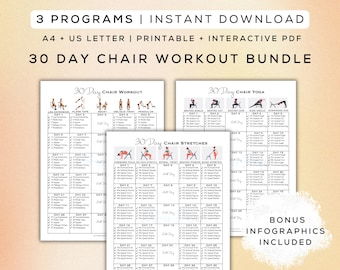
Credit: www.etsy.com
Motivation And Consistency Tips
Sticking to a daily workout can be tough without the right motivation and consistency. You might start strong but lose steam fast if you don’t have a clear plan or support system. The key is to build habits that keep you engaged and make exercise feel like a natural part of your day.
Creating A Workout Schedule
Set specific days and times for your workouts, just like appointments you can’t miss. This reduces the chance of skipping sessions because you know exactly when you’ll exercise.
Try mixing different types of workouts throughout the week to keep things interesting. For example, alternate between strength training, cardio, and flexibility exercises. This variety not only keeps you motivated but also targets different muscle groups.
Have you noticed how planning your workouts ahead boosts your commitment? Writing your schedule down or using a calendar app makes it easier to follow through.
Finding Workout Buddies
Working out with a friend can make exercise more enjoyable and hold you accountable. When someone else expects you to show up, it’s harder to hit the snooze button.
Choose a buddy with similar fitness goals to keep each other motivated. You can share tips, celebrate progress, and even turn workouts into social events.
Ever tried a group class or online fitness community? These environments provide built-in support and friendly competition that can push you further.
Reward Systems
Reward yourself for sticking to your workout plan. Small incentives help reinforce the habit and keep motivation high.
Set clear milestones, like completing a week of workouts or reaching a new personal best. Then, treat yourself to something enjoyable, such as a favorite snack, a movie night, or new workout gear.
Think about what really motivates you beyond just fitness goals. Could a reward system make you look forward to your workouts instead of dreading them?
Healthy Habits Outside Workouts
Healthy habits outside your daily workouts can make a huge difference in your fitness progress. What you do before and after exercise affects your energy, recovery, and overall results. Paying attention to nutrition, hydration, and sleep helps you build a strong foundation for every workout session.
Nutrition For Fitness
Your body needs the right fuel to perform well and recover quickly. Focus on eating balanced meals with protein, healthy fats, and complex carbs. Simple swaps like choosing whole grains instead of white bread can boost your energy levels significantly.
Timing matters too. Eating a small snack with protein and carbs 30-60 minutes before your workout can improve strength and endurance. After exercising, prioritize protein to help muscles rebuild and reduce soreness.
Hydration Strategies
Water supports every function in your body, especially during exercise. Drinking enough fluids before, during, and after your workout can prevent fatigue and cramps. Try to sip water regularly instead of chugging large amounts at once.
Keep a water bottle handy and notice how your body reacts to different hydration levels. If you sweat a lot or exercise for more than an hour, consider drinks with electrolytes. Have you ever felt sluggish just because you forgot to drink enough water?
Quality Sleep Importance
Sleep is where your body repairs muscles and restores energy. Without enough quality sleep, your workouts can feel harder and recovery takes longer. Aim for 7-9 hours of uninterrupted rest each night to keep your progress steady.
Establish a calming bedtime routine to improve sleep quality. This might mean turning off screens an hour before bed or trying deep breathing exercises. How does your sleep affect your workout performance the next day?
Credit: www.lemon8-app.com
Frequently Asked Questions
What Should Be Included In A Daily Workout Checklist?
A daily workout checklist should include warm-up, strength training, cardio, stretching, and cool-down. Tracking sets, reps, and rest times ensures progress. Including hydration and nutrition reminders boosts results. This checklist keeps workouts organized and effective, helping maintain consistency and motivation.
How Can A Workout Checklist Improve Fitness Results?
A workout checklist improves fitness by providing structure and focus. It helps track progress and stay consistent. Checklists prevent skipping essential exercises and promote balanced routines. They also increase motivation by setting clear daily goals, making workouts more efficient and goal-oriented.
How Often Should I Update My Workout Checklist?
Update your workout checklist every 4 to 6 weeks to match progress. Adjust exercises, intensity, and goals as fitness improves. Regular updates prevent plateaus and keep workouts challenging. This ensures continuous improvement and helps maintain interest in your fitness routine.
Can A Workout Checklist Help Prevent Injuries?
Yes, a workout checklist helps prevent injuries by including warm-ups and stretching. It ensures proper exercise form and balanced muscle training. Tracking rest days avoids overtraining. A well-planned checklist promotes safe and effective workouts, reducing injury risks.
Conclusion
A daily workout checklist keeps your routine clear and simple. It helps track progress and stay motivated every day. Small steps add up to big results over time. Choose exercises that fit your goals and energy level. Consistency beats intensity when building healthy habits.
Keep your list flexible to enjoy variety and avoid boredom. Remember, the key is to move your body regularly. Stick to your plan, and you will feel stronger and healthier soon. A checklist turns good intentions into real actions. Start today and keep going step by step.







