
Living with cystic fibrosis means your body needs extra care, especially when it comes to your diet. What you eat can make a big difference in how you feel every day.
Imagine having more energy, better lung health, and fewer hospital visits just by adjusting your meals. If you want to learn simple, effective ways to eat right for cystic fibrosis, keep reading. This guide will help you take control of your health through smart food choices, so you can live your best life.
Nutritional Needs In Cystic Fibrosis
Understanding your nutritional needs is crucial if you have cystic fibrosis (CF). This condition affects how your body processes nutrients, making it essential to adjust your diet accordingly. Meeting these needs can improve your energy, lung function, and overall quality of life.
Increased Caloric Requirements
Your body works harder to fight infections and maintain lung function, which means you burn more calories than most people. You might need up to 1.5 to 2 times the average daily calorie intake. This can feel overwhelming, especially if eating large meals is tough.
Try adding calorie-dense snacks like nuts, cheese, or smoothies between meals. Have you noticed that small, frequent meals help you feel less full but keep your energy steady?
Key Nutrient Focus
Fat, protein, and vitamins A, D, E, and K are especially important for people with CF. Your pancreas may not release enough enzymes to digest fats properly, so enzyme supplements and higher fat intake can help.
Lean meats, fish, eggs, and healthy oils support muscle strength and immune health. Don’t forget to add colorful fruits and vegetables for vitamins and antioxidants. Are you tracking which foods give you the most energy and wellbeing?
Hydration Importance
CF causes thick mucus and salt loss, which can lead to dehydration faster than usual. Drinking plenty of fluids is essential to keep mucus thin and lungs clear.
Water, electrolyte-rich drinks, and soups are good choices. You might find it helpful to carry a water bottle and sip regularly, especially during exercise or hot weather. How often do you check your hydration levels during the day?
High-calorie Foods To Include
Eating enough calories is important for people with cystic fibrosis. The body needs more energy to fight infections and keep the lungs working well. Choosing foods rich in calories helps maintain weight and strength. High-calorie foods also support growth in children and teens with cystic fibrosis.
Healthy Fats And Oils
Fats provide a lot of energy in small amounts. Healthy fats help the body absorb vitamins and keep the heart healthy.
- Avocados
- Olive oil
- Nuts and nut butters
- Seeds like chia and flaxseeds
- Fatty fish such as salmon and mackerel
Protein-rich Choices
Protein repairs body tissues and builds muscle. It also helps the immune system stay strong.
- Lean meats like chicken and turkey
- Eggs
- Dairy products such as cheese and yogurt
- Beans and lentils
- Protein shakes or supplements if needed
Carbohydrate Sources
Carbohydrates give quick energy and support daily activities. Choosing the right carbs can improve overall health.
- Whole grain bread and pasta
- Brown rice and quinoa
- Potatoes and sweet potatoes
- Fruits like bananas and berries
- Vegetables such as peas and corn
Managing Digestive Challenges
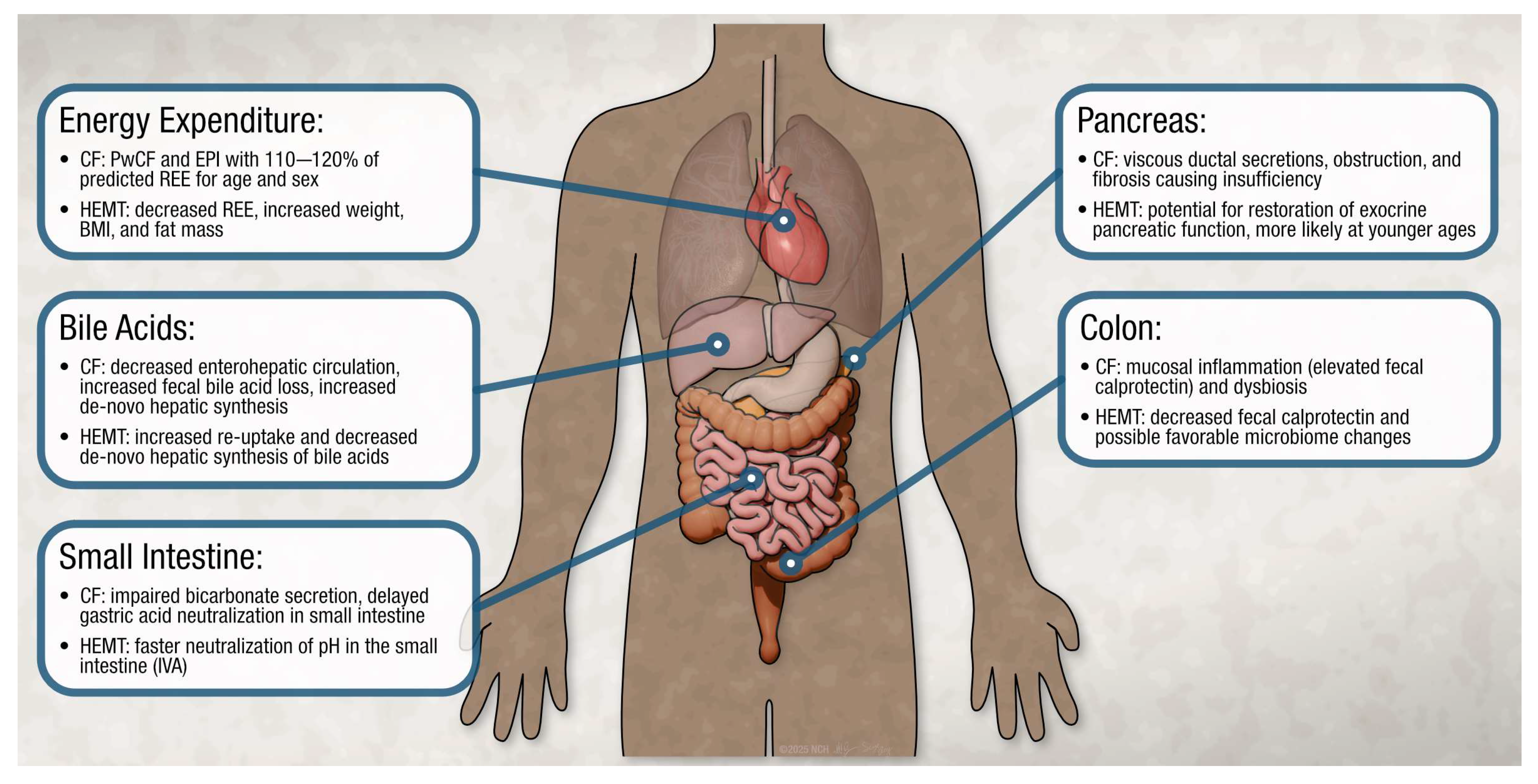
Managing digestive challenges is vital for people with cystic fibrosis. The condition often affects how the body digests food and absorbs nutrients. This can lead to discomfort, poor growth, and nutrient deficiencies. Proper diet and medical care help ease these issues and improve quality of life.
Pancreatic Enzyme Replacement
Many with cystic fibrosis have trouble producing enough pancreatic enzymes. These enzymes break down fats, proteins, and carbohydrates in food. Taking pancreatic enzyme replacement therapy (PERT) helps digest food properly. Doctors prescribe enzyme capsules to take with meals and snacks. This improves nutrient absorption and reduces digestive symptoms like bloating and gas.
Preventing Malabsorption
Malabsorption means the body cannot absorb nutrients well. It causes weight loss and vitamin deficiencies. Eating high-calorie, high-fat meals supports energy needs. Taking vitamins A, D, E, and K is important. These vitamins need fat to be absorbed properly. Regular check-ups monitor nutrient levels and adjust diet or supplements as needed.
Addressing Constipation
Constipation is common in cystic fibrosis and causes discomfort. Drinking plenty of fluids helps keep stools soft. Eating fiber-rich foods like fruits, vegetables, and whole grains promotes healthy digestion. Sometimes doctors recommend stool softeners or laxatives. Keeping active also supports regular bowel movements. Early attention to constipation prevents more serious digestive problems.
Credit: www.mdpi.com
Vitamin And Mineral Support
Vitamin and mineral support plays a vital role in managing cystic fibrosis. The body often struggles to absorb nutrients properly. This makes proper vitamin and mineral intake essential. These nutrients help maintain energy, support the immune system, and promote healthy growth.
Many people with cystic fibrosis need extra vitamins and minerals. These nutrients help replace what the body loses or cannot absorb. Careful attention to vitamin and mineral levels improves overall health and quality of life.
Fat-soluble Vitamins
People with cystic fibrosis often lack fat-soluble vitamins. These include vitamins A, D, E, and K. Fat absorption issues reduce their levels in the body. These vitamins support vision, bone health, blood clotting, and immune function.
Supplementing these vitamins is common. Doctors may recommend special forms that absorb better. Regular blood tests check vitamin levels to avoid deficiencies or excesses.
Electrolyte Balance
Electrolytes like sodium, potassium, and chloride are crucial for cystic fibrosis patients. These minerals help regulate fluid balance and muscle function. Salt loss through sweat is higher in cystic fibrosis.
Replacing lost electrolytes is important, especially during exercise or hot weather. Drinking fluids with added salt or using electrolyte supplements helps maintain balance. Monitoring symptoms like muscle cramps or fatigue guides adjustments.
Supplementation Guidelines
- Follow healthcare provider advice for vitamin and mineral doses.
- Take supplements with meals to improve absorption.
- Use water-miscible forms of fat-soluble vitamins if recommended.
- Regularly test blood levels to adjust supplementation safely.
- Report any side effects or unusual symptoms promptly.
Proper supplementation supports health and reduces complications. Staying consistent with vitamin and mineral intake is key to managing cystic fibrosis effectively.
Meal Planning Strategies
Planning meals for someone with cystic fibrosis requires careful attention to both energy needs and nutrient absorption. Your goal is to keep energy levels steady and support lung function through food. This means thinking beyond three big meals and focusing on how you spread out nutrition throughout the day.
Frequent Small Meals
Eating smaller meals often can help you get enough calories without feeling too full. Try to eat every 2-3 hours to keep your energy up and support digestion.
Instead of three large plates, aim for 5-6 mini meals daily. This approach helps maintain steady blood sugar and avoids the discomfort of overeating at once.
Snack Ideas For Extra Calories
Snacks are a great way to add calories without extra effort. Focus on nutrient-dense options that pack a punch.
- Nut butters on whole grain crackers
- Cheese and fruit slices
- Trail mix with nuts, seeds, and dried fruit
- Greek yogurt topped with honey and granola
- Avocado toast with a sprinkle of salt and pepper
Do you notice how some snacks are both tasty and calorie-rich? Finding snacks you enjoy makes it easier to keep up with your nutrition goals.
Balancing Taste And Nutrition
Food should be enjoyable, not just functional. Mixing flavors and textures keeps meals exciting and encourages you to eat more.
Try adding herbs and spices to boost flavor without extra salt or sugar. For example, cinnamon on oatmeal or garlic on roasted vegetables can make a big difference.
What’s one flavor you love that you can add to your meals today? Small changes can make your diet more satisfying and sustainable.

Credit: www.amazon.ca
Lifestyle Tips For Better Health
Managing cystic fibrosis through diet is more than just choosing the right foods—it’s about adopting a lifestyle that supports your overall health. Small changes in daily habits can have a big impact on how you feel and how well your body fights the challenges of this condition.
Exercise And Nutrition
Exercise helps clear mucus from your lungs and boosts your energy. You don’t need intense workouts; even light activities like walking or stretching can help.
Pair exercise with a high-calorie, nutrient-rich diet to keep your body fueled. Think about adding healthy fats like avocado and nuts to your meals—they provide energy without filling you up too fast.
Have you noticed how staying active makes you feel stronger? Combining movement with proper nutrition can improve your lung function and overall wellbeing.
Monitoring Weight And Growth
Keeping track of your weight and growth is crucial. Sudden changes might signal that your body needs more calories or a different balance of nutrients.
Use simple tools like a weekly weight log or growth chart to see patterns over time. This helps you and your healthcare team make timely adjustments.
Ask yourself: Are you gaining weight steadily or hitting a plateau? Understanding these trends can guide your food choices and treatment plans.
Working With Healthcare Providers
Your healthcare team is your partner in managing cystic fibrosis. Regular check-ins help tailor your diet and lifestyle to your current needs.
Be open about what works and what doesn’t. Sharing your daily challenges can lead to practical solutions like enzyme adjustments or meal planning tips.
Think about scheduling appointments before problems arise. Staying proactive with your providers keeps you ahead in your health journey.

Credit: www.vhtc.org
Frequently Asked Questions
What Foods Are Best For Cystic Fibrosis?
Individuals with cystic fibrosis should focus on high-calorie, nutrient-dense foods. Including lean proteins, whole grains, fruits, and vegetables is essential. Healthy fats like avocados, nuts, and olive oil are beneficial. Adequate hydration and enzyme supplements help digestion and nutrient absorption.
Consult a dietitian for personalized dietary advice.
Can Cystic Fibrosis Patients Eat Dairy Products?
Yes, dairy products are beneficial for cystic fibrosis patients. They provide essential calcium and vitamin D. Choose full-fat options to increase calorie intake. Always monitor for lactose intolerance symptoms. Enzyme supplements may aid digestion. Consult a healthcare provider for tailored dietary guidance.
How Does Salt Intake Affect Cystic Fibrosis?
Cystic fibrosis patients lose more salt through sweat. Increased salt intake is often necessary. This helps maintain proper electrolyte balance. Foods like salted nuts or adding salt to meals can help. Always consult a healthcare provider to determine the right amount for individual needs.
Why Is Enzyme Supplementation Important?
Enzyme supplementation aids digestion in cystic fibrosis patients. It helps break down proteins, fats, and carbohydrates. This ensures better nutrient absorption. Without it, malnutrition and weight loss may occur. Dosage varies per individual, so consult a healthcare provider for personalized recommendations.
Conclusion
A good cystic fibrosis diet supports health and energy every day. Eating nutrient-rich foods helps the body fight infections. Small, frequent meals can make eating easier and more effective. Drinking plenty of fluids keeps the body hydrated and helps digestion.
Always work with a doctor or dietitian to find the best plan. Staying consistent with the diet can improve quality of life. Caring for yourself through food is a strong step forward. Healthy choices matter for living well with cystic fibrosis.







