
Are you ready to transform your fitness game? A CrossFit gym workout plan might be just what you need.
Imagine a workout routine that challenges every muscle, pushes your limits, and keeps boredom at bay. CrossFit isn’t just a workout; it’s a movement that combines strength, endurance, and flexibility into one powerful package. Whether you’re a fitness newbie or a seasoned athlete, CrossFit adapts to you, ensuring every session is both challenging and rewarding.
So, what’s stopping you from diving into this dynamic world? Discover how a CrossFit gym workout plan can revolutionize your routine and keep you coming back for more. Ready to uncover the secrets behind its success? Let’s get started!
Benefits Of Crossfit Workouts
CrossFit workouts offer many benefits beyond just exercise. They combine strength, speed, and endurance training. This mix helps your body and mind grow stronger.
People of all ages and fitness levels find CrossFit effective. It adapts to your goals and improves overall health. The varied workouts keep you motivated and challenged.
Improving Overall Strength
CrossFit uses weightlifting, bodyweight moves, and functional exercises. These target all major muscle groups. The constant variety helps build muscle evenly. Strength gains improve daily activities and prevent injuries.
Enhancing Cardiovascular Fitness
Workouts include high-intensity cardio bursts like running, rowing, and jumping. This improves heart and lung function. Better cardiovascular fitness means more energy and endurance. You can perform tasks longer without feeling tired.
Boosting Mental Toughness
CrossFit challenges push your limits physically and mentally. You learn to stay focused during tough workouts. This builds confidence and discipline. Mental toughness helps handle stress and overcome obstacles.

Credit: recoilfitnessgym.com
Key Components Of A Crossfit Plan
Understanding the key components of a CrossFit plan helps you build a balanced and effective workout routine. Each part targets different fitness aspects, ensuring you develop strength, endurance, and flexibility. Focusing on these areas can transform how you approach your fitness goals and keep your progress steady.
Strength Training
Strength training is the foundation of any CrossFit workout plan. It focuses on lifting weights and performing bodyweight exercises that build muscle power. You might find yourself doing squats, deadlifts, or bench presses regularly to increase your overall strength.
Think about the last time you pushed yourself to lift heavier than before. That moment of progress shows how important strength training is for improving performance and preventing injuries. It’s not just about lifting heavy; it’s about proper form and consistent effort.
Metabolic Conditioning
Metabolic conditioning, or “metcon,” boosts your cardiovascular fitness and stamina. These workouts usually involve high-intensity exercises done in short bursts, like sprints, rowing, or kettlebell swings. The goal is to challenge your body’s energy systems so you recover faster and work harder.
Have you noticed how your breathing changes during a tough metcon session? That’s your body adapting to new demands. Including metcon in your plan helps you stay energized and improves your performance across all activities.
Mobility And Flexibility
Mobility and flexibility often get overlooked but are crucial for long-term health and injury prevention. CrossFit workouts can be intense, so keeping your joints and muscles flexible allows you to move better and recover quicker. Stretching, foam rolling, and dynamic warm-ups are great ways to maintain mobility.
If you’ve ever felt tight or stiff after a workout, focusing on flexibility might be what you need. Regular mobility work helps you perform exercises with proper technique and reduces soreness, making every session more effective.
Designing Your Weekly Workout Schedule
Designing your weekly CrossFit workout schedule is key to steady progress. It helps balance hard training and rest. Planning workouts smartly reduces injury risk and keeps motivation high.
A well-crafted schedule fits your fitness level and goals. It blends strength, cardio, and skill work. This mix builds overall fitness and prevents boredom.
Balancing Intensity And Recovery
Intensity drives improvement but too much causes burnout. Plan intense sessions with lighter days or rest. This approach lets your body heal and grow stronger.
Use active recovery like walking or stretching on easy days. Sleep and nutrition also support recovery. Listen to your body and adjust as needed.
Incorporating Variety To Avoid Plateaus
Repeating the same workout stalls progress. Change movements, weights, and reps regularly. This challenges muscles differently and keeps workouts fresh.
Mix weightlifting, gymnastics, and cardio workouts. Try different CrossFit benchmark WODs. Variety improves all fitness areas and stops boredom.
Sample Weekly Workout Template
| Day | Focus | Example Workout |
|---|---|---|
| Monday | Strength | Back squats + Deadlifts + Core work |
| Tuesday | Metcon (Metabolic Conditioning) | AMRAP 20 min: Row + Burpees + Kettlebell swings |
| Wednesday | Skill & Recovery | Gymnastics drills + Mobility exercises |
| Thursday | Strength | Overhead press + Front squat + Pull-ups |
| Friday | High-intensity Metcon | For time: Thrusters + Double-unders + Box jumps |
| Saturday | Active Recovery | Light jog + Stretching + Foam rolling |
| Sunday | Rest | Complete rest or gentle walk |
Essential Crossfit Movements For Strength
Building strength in CrossFit isn’t just about lifting heavier weights; it’s about mastering key movements that challenge your entire body. These essential CrossFit movements target multiple muscle groups, improve coordination, and boost your overall power. Focusing on these exercises will help you develop a solid foundation and see real progress in your strength training.
Olympic Lifts
Olympic lifts like the clean and jerk and the snatch are staples in CrossFit for good reason. They engage your legs, back, shoulders, and core all at once, making them efficient for building strength and power. Learning proper technique takes time, but it’s worth it—these lifts improve your explosive strength and athleticism.
Think about how these lifts require speed and precision. Are you challenging your coordination and timing as much as your muscles? Adding these lifts to your routine can transform your strength gains and athletic skills.
Bodyweight Exercises
Bodyweight movements such as pull-ups, push-ups, and handstand push-ups build raw strength without needing heavy equipment. They force you to control your own body, which enhances balance and muscular endurance. These exercises also prepare your body for more complex lifts and reduce injury risk.
Have you noticed how controlling your body weight feels tougher than lifting weights sometimes? Mastering these basics can dramatically improve your strength and confidence in more advanced CrossFit workouts.
Kettlebell And Dumbbell Work
Kettlebells and dumbbells add variety and challenge to your strength training. Movements like swings, snatches, and presses develop grip strength, stability, and power. They also allow for unilateral training, helping fix muscle imbalances that often get overlooked with barbells.
When you switch between kettlebells and dumbbells, you engage your muscles differently. Are you giving your body the chance to adapt and grow stronger in multiple ways? Including these tools in your plan can make your strength training more dynamic and effective.
Nutrition Tips To Support Strength Gains
Nutrition plays a crucial role in boosting your strength during CrossFit workouts. Eating the right foods helps your muscles recover faster and grow stronger. If you want to see real gains, your diet needs to match your workout intensity.
Macronutrient Breakdown
Your body needs a balance of protein, carbs, and fats to perform at its best. Protein repairs muscle tissue, carbs provide energy, and fats support hormone production. Try aiming for around 30% protein, 40% carbs, and 30% fatsin your daily meals.
Lean meats, eggs, and dairy are great protein sources. Complex carbs like sweet potatoes and oats fuel your workouts without causing energy crashes. Healthy fats from avocados, nuts, and olive oil keep you feeling full and support recovery.
Hydration Strategies
Staying hydrated is often overlooked but essential for strength gains. Water helps transport nutrients and flush out toxins from your body. Aim to drink at least 3 liters of water a day, more if you sweat heavily during workouts.
Electrolytes matter too—especially after intense sessions. Adding a pinch of salt or drinking coconut water can restore sodium and potassium levels. Have you noticed how you perform better when you’re properly hydrated?
Pre And Post Workout Nutrition
What you eat before and after training impacts your results more than you might think. Before a workout, focus on carbs and a moderate amount of protein to fuel your session and prevent muscle breakdown. A banana with peanut butter or a small bowl of oatmeal works well.
After training, your body craves protein and carbs to rebuild muscles and replenish energy. Try a protein shake combined with a piece of fruit or a chicken and rice meal within 30-60 minutes post-workout. Have you experimented with different foods to see what helps your recovery the most?

Credit: gym-mikolo.com
Tracking Progress And Staying Motivated
Tracking progress and staying motivated are key to success in any CrossFit gym workout plan. Progress shows how far you have come and keeps your spirit high. Motivation drives you to push harder and reach new goals. Both work together to make your fitness journey rewarding and fun.
Using Performance Metrics
Track important numbers to see real progress. Use metrics like:
- Workout times
- Number of reps
- Weights lifted
- Heart rate
Write these down after each session. Small improvements add up over time. This helps you stay focused and aware of your growth.
Setting Realistic Goals
Set goals that you can achieve step by step. Break big goals into smaller targets. For example:
- Increase reps by 5 each week
- Add 2.5 kg to your lift every month
- Improve workout time by 10 seconds
Realistic goals keep you motivated and prevent frustration. Celebrate each success to boost confidence.
Community And Coaching Support
Join a supportive CrossFit community to stay motivated. Share your progress and challenges. Coaches offer guidance and correct your form. They encourage you during tough workouts. Support from others makes workouts more enjoyable and helps you keep going.
Avoiding Common Crossfit Injuries
CrossFit workouts push your limits, but they also carry a risk of injury if you’re not careful. Avoiding common CrossFit injuries requires more than just strength; it demands attention to technique, preparation, and how you treat your body. Let’s look at key ways to keep your training safe and effective.
Proper Warm-up Techniques
Warming up is not just about moving around—it prepares your muscles, joints, and nervous system for intense activity. A good warm-up increases blood flow and improves your range of motion, reducing the chance of strains and sprains.
Start with dynamic stretches like leg swings or arm circles, then add mobility drills specific to the workout. For example, if you plan to do heavy squats, include bodyweight squats and hip openers in your warm-up.
Have you noticed how skipping warm-ups affects your performance? Even a short 10-minute warm-up can make a big difference in how your body handles the workout.
Maintaining Correct Form
Using the right form protects your joints and muscles from unnecessary stress. It’s tempting to rush through reps or add more weight, but poor technique leads to injuries like shoulder impingements or lower back pain.
Focus on quality over quantity. Record yourself or ask a coach to check your posture during lifts and movements. Small adjustments, such as keeping your back straight during deadlifts or engaging your core on overhead presses, can prevent long-term damage.
Think about the last time you felt pain during a workout—was your form off? Fixing your technique early saves you from downtime later.
Listening To Your Body
Your body sends signals when something is wrong. Ignoring pain or discomfort can turn minor issues into serious injuries. Learning to differentiate between muscle fatigue and sharp pain is crucial.
Rest days are part of progress, not setbacks. If you feel persistent soreness or unusual tightness, take a break or modify your workout. Sometimes, backing off is the smartest move for long-term gains.
Have you ever pushed through pain only to regret it later? Pay attention to your limits and adjust accordingly—you’ll get stronger without risking injury.
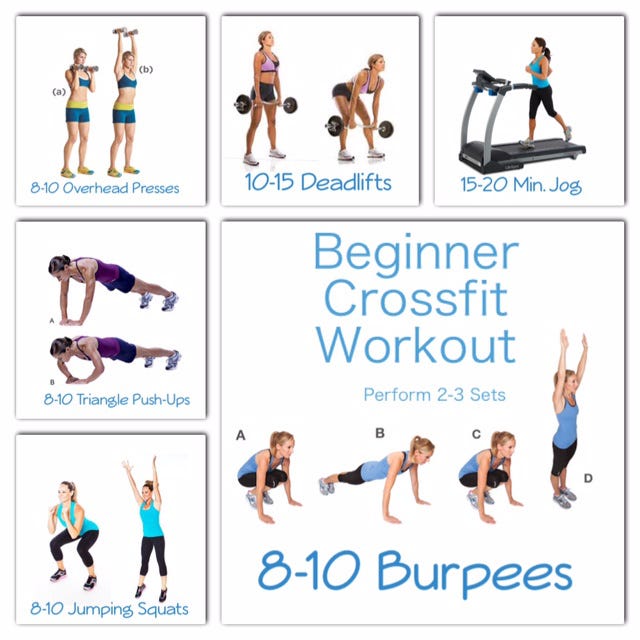
Credit: www.centervistos.com.br
Frequently Asked Questions
What Is A Crossfit Gym Workout Plan?
A CrossFit gym workout plan combines varied functional movements at high intensity. It includes strength, cardio, and mobility exercises. The plan aims to improve overall fitness, endurance, and flexibility. It typically involves daily workouts called WODs (Workout of the Day).
How Often Should I Do Crossfit Workouts Weekly?
Beginners should start with 3 to 4 CrossFit sessions per week. Gradually, you can increase to 5 or 6 sessions for better results. Rest days are essential to allow muscle recovery and prevent injuries. Listening to your body helps optimize workout frequency.
What Equipment Is Needed For Crossfit Workouts?
Basic equipment includes barbells, kettlebells, dumbbells, pull-up bars, and jump ropes. Many workouts use bodyweight exercises and minimal gear. Access to a CrossFit gym provides specialized equipment and coaching. Having essential gear supports varied and effective workouts.
Can Crossfit Workouts Help With Weight Loss?
Yes, CrossFit workouts burn high calories due to high intensity and variety. They improve metabolism and build lean muscle mass. Combining CrossFit with a balanced diet enhances fat loss. Consistency is key to achieving weight loss goals through CrossFit.
Conclusion
A Crossfit gym workout plan helps you build strength and endurance. It combines different exercises for a full-body workout. Sticking to the plan improves fitness step by step. Rest and good nutrition support your progress. Challenge yourself but listen to your body.
Consistency makes the biggest difference over time. Enjoy the process and celebrate small wins. Stay motivated and keep pushing forward each day. This plan suits all levels and goals. Start now and watch your fitness grow.







