
Imagine having a space where you can work out anytime you want, without the hassle of commuting or crowded gyms. Creating a home gym makes this possible, giving you control over your fitness routine and your time.
Whether you want to build strength, improve flexibility, or just stay active, your own gym can be tailored to fit your needs perfectly. Ready to discover how easy and rewarding it is to set up your personal workout zone? Keep reading, and you’ll find simple steps and smart tips to turn any space into your fitness sanctuary.
Choosing The Right Space
Choosing the right space is key to building a home gym that feels inviting and works well. The space should fit your workout needs and make exercising easy. It helps to think about where you can comfortably move and store your equipment. The right spot keeps you motivated and safe during workouts.
Assessing Available Areas
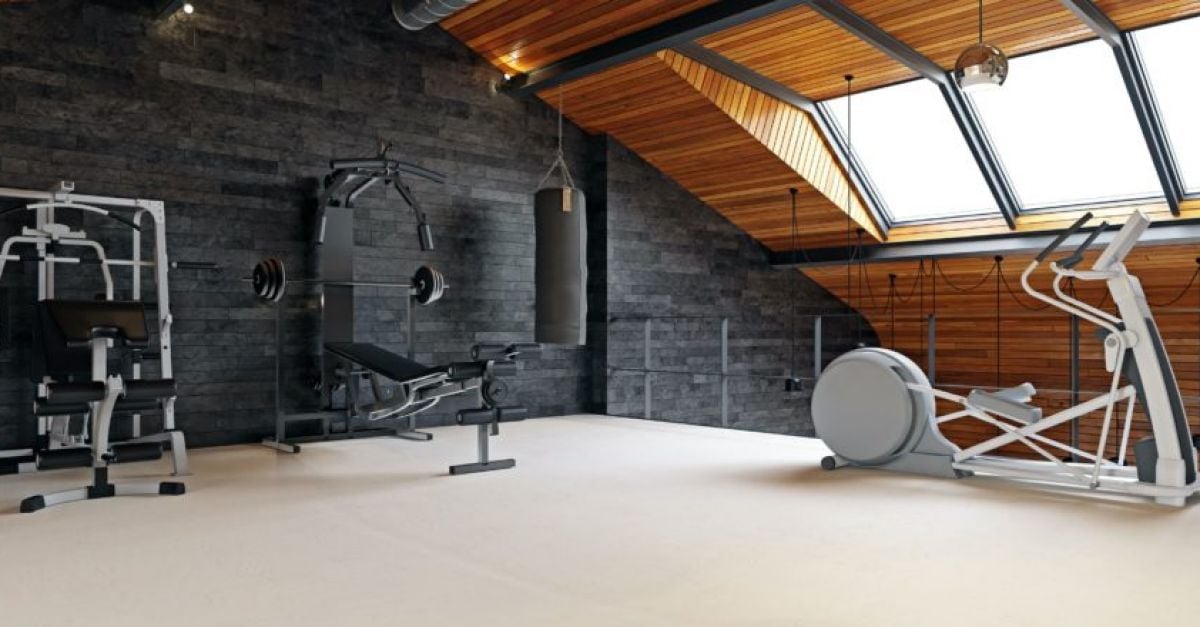
Look around your home for open spaces. Basements, garages, spare rooms, or even corners of living rooms can work. Measure the area to see if your equipment fits. Check for enough room to stretch and move freely. Avoid places with too much clutter or distractions. Choose a spot that stays quiet and private.
Optimizing Small Spaces
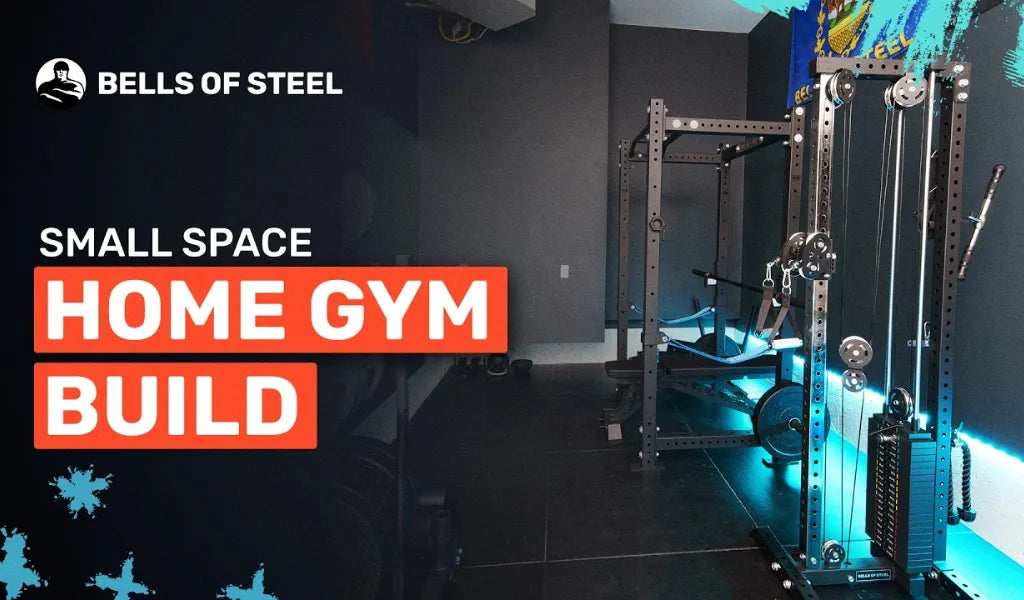
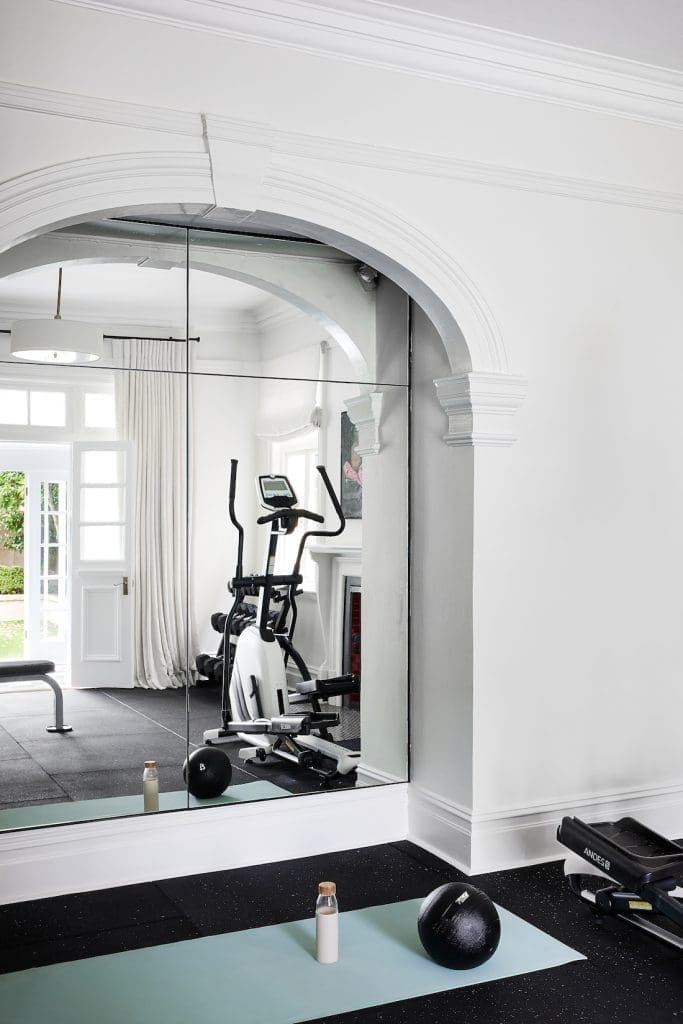
Small spaces need smart planning. Use vertical storage like shelves or wall hooks. Foldable or compact equipment saves room. Clear the floor of unnecessary items. Multi-use machines work well in tight spaces. Mirrors can create an illusion of more space. Keep the area tidy to avoid accidents.
Ensuring Proper Ventilation And Lighting
Good airflow keeps the gym fresh and cool. Open windows or use fans to circulate air. Avoid stuffy or damp areas to prevent mold. Bright lighting helps you stay alert and safe. Natural light boosts mood and energy. Use adjustable lights for early morning or late workouts.
Credit: bellsofsteel.com
Essential Equipment Selection
Choosing the right equipment shapes your home gym’s success. Focus on versatile, space-saving items that fit your workout style and room size. Simple tools like dumbbells, resistance bands, and a yoga mat offer great variety without clutter.
Creating a home gym is an exciting journey that empowers you to tailor your fitness space according to your goals. A crucial part of this journey is selecting the right equipment. The right choices not only maximize your workouts but also fit seamlessly into your lifestyle and available space.Cardio Machines
Cardio machines are a staple in any home gym setup, offering heart-pumping workouts that boost endurance. Treadmills and exercise bikes are popular due to their versatility and ease of use. Consider your space and fitness preferences; if you enjoy a low-impact workout, a rowing machine or elliptical might be perfect for you.Strength Training Gear
Building strength at home requires a selection of equipment that suits different exercises and fitness levels. Dumbbells and kettlebells are essential for beginners and advanced users alike. If space permits, adding a bench and a barbell set can significantly enhance your strength training routine.Flexibility And Recovery Tools
Flexibility and recovery are key to maintaining a healthy fitness regime. Yoga mats provide a comfortable surface for stretching and core workouts. Foam rollers and massage balls are excellent for muscle recovery, helping to alleviate tension and improve flexibility. Don’t underestimate these tools; they are as vital as any other equipment in your gym. What will you prioritize in your home gym? The right equipment can transform your workouts and help you achieve your fitness goals.Budget-friendly Gym Setup
Setting up a home gym doesn’t have to drain your wallet. You can create a functional, motivating workout space without spending a fortune. Focus on smart choices and creative solutions that maximize value and utility.
Prioritizing Must-have Items
Start by identifying the equipment you truly need. Think about your favorite workouts and the basics that support them. For most, a good quality set of dumbbells, a resistance band, and a yoga mat cover a wide range of exercises.
Ask yourself: which pieces will give you the most versatility? Multi-use items help you save space and money. Avoid buying gadgets that promise everything but deliver little.
Diy Equipment Ideas
You don’t always need to buy expensive gear. Simple household items can double as workout tools. For example, use filled water bottles as weights or a sturdy chair for step-ups and tricep dips.
Making your own equipment can also be fun and rewarding. Try creating a sandbag with a duffle bag and some old clothes or building a pull-up bar from a strong metal pipe. Have you tried turning your environment into your gym? It’s easier than you think.
Finding Deals And Discounts
Keep an eye out for sales on fitness equipment, especially during holiday seasons or clearance events. Online marketplaces and local secondhand stores often have hidden gems at a fraction of the cost.
Sign up for newsletters from fitness brands to get early access to discounts. Don’t hesitate to negotiate prices in person or ask for bundle deals. How much could you save by being patient and strategic about when and where you buy?
Designing An Effective Layout
Designing an effective layout for a home gym sets the foundation for productive workouts. A well-planned space improves flow and keeps equipment organized. It also helps maintain motivation by creating an inviting atmosphere. Careful arrangement of your gym items maximizes usability and comfort.
Maximizing Floor Space
Use vertical storage to free up floor area. Wall-mounted racks and shelves hold weights and accessories. Choose foldable or compact machines to save room. Clear walkways allow easy movement between equipment. Keep only essential items in the gym to avoid clutter.
Creating Workout Zones
Divide the gym into distinct areas for different exercises. Set a zone for cardio machines like treadmills or bikes. Allocate space for strength training with weights and benches. Create a stretching or yoga corner with mats and props. Separate zones help focus and reduce distractions.
Safety Considerations
Ensure enough space around equipment to avoid accidents. Use non-slip flooring to prevent falls. Check that all machines are stable and secure. Keep cords and accessories neatly tucked away. Provide good lighting to see clearly during workouts.
Motivation And Routine Building
Building motivation and a solid routine is essential when setting up your home gym. Without a clear plan, it’s easy to lose momentum and let your equipment collect dust. The key lies in creating a system that keeps you engaged and consistently moving toward your fitness goals.
Setting Realistic Goals
Start by defining what you want to achieve with your home gym. Are you aiming to build strength, improve endurance, or simply stay active? Setting realistic, specific goals helps keep your workouts focused and meaningful.
Break larger goals into smaller milestones. Instead of “get fit,” try “complete three 30-minute workouts each week.” This approach makes progress feel achievable and keeps your motivation high.
Tracking Progress
Keep a workout journal or use an app to log your exercises, reps, and weights. Seeing your improvements over time reinforces your commitment and highlights what’s working.
Tracking also helps identify patterns—maybe you’re stronger in the mornings or certain workouts boost your mood more. Adjust your routine based on this insight to maximize results.
Incorporating Variety
Doing the same exercises every day can become boring fast. Add different types of workouts like cardio, strength training, or flexibility exercises to keep things fresh.
Changing up your routine challenges different muscle groups and prevents plateaus. You might try bodyweight exercises one day, resistance bands the next, and yoga or stretching to finish the week.
What new activity could you add to your routine this week to keep your workouts exciting and effective?
Credit: www.breakingnews.ie
Maintaining Your Home Gym
Maintaining your home gym keeps your workout space safe and inviting. Regular care helps your equipment last longer. It also ensures a clean environment for exercise. Small efforts prevent big problems and save money. A well-kept gym motivates you to stay active.
Cleaning And Upkeep
Wipe down machines and mats after every use. Dust collects quickly and can damage parts. Sweep or vacuum the floor regularly to remove dirt. Use mild cleaners to avoid harming surfaces. Keep your workout area fresh and tidy.
Equipment Maintenance
Check machines for loose bolts or worn cables. Tighten screws and replace damaged parts as needed. Lubricate moving parts to keep them smooth. Inspect weights and resistance bands for cracks or tears. Proper care prevents injuries and extends equipment life.
Updating And Expanding Gear
Add new equipment to meet changing fitness goals. Replace outdated gear that no longer works well. Choose versatile items that save space and offer multiple uses. Regular updates keep workouts interesting and challenging. Plan purchases based on your budget and needs.
Tech Tools For Enhanced Workouts
Technology can transform your home gym experience, making workouts more effective and enjoyable. Using the right tech tools helps you track progress, stay motivated, and get expert guidance without leaving your space. Let’s look at some practical ways to enhance your workouts with technology.
Fitness Apps And Trackers
Fitness apps and trackers are game changers for anyone building a home gym. They monitor your heart rate, count steps, and log workouts automatically, giving you clear feedback on your progress.
Apps like MyFitnessPal or Strava help you set goals and track nutrition alongside exercise. Wearable devices such as Fitbit or Apple Watch provide real-time data, so you can adjust intensity on the fly.
Have you ever wondered how much more effective your workout could be by simply knowing your exact performance metrics? These tools make it easy to find out.
Virtual Classes And Training
Virtual classes bring expert trainers right to your living room. Platforms like Peloton, Daily Burn, or even YouTube offer a wide variety of classes that fit your schedule and fitness level.
You can join live sessions or choose from thousands of on-demand workouts. The interactive element, such as real-time feedback or community challenges, keeps you accountable.
What if the best trainer was just a click away every time you stepped into your gym? Virtual classes can make that a reality.
Smart Equipment Integration
Smart equipment connects with apps and trackers to provide a seamless workout experience. Treadmills, bikes, and strength machines with built-in screens or sensors offer personalized training programs.
For example, a smart bike can adjust resistance based on your heart rate or a virtual route. This integration helps you push harder and avoid plateaus.
Imagine your equipment learning your strengths and weaknesses, then tailoring workouts to help you improve faster. That’s the power of smart integration.
Credit: stylecurator.com.au
Frequently Asked Questions
What Equipment Is Essential For A Home Gym?
Basic home gym equipment includes dumbbells, resistance bands, a yoga mat, and a stability ball. These tools support strength, flexibility, and cardio workouts. Start with versatile, space-saving gear to suit your fitness goals and room size.
How Much Space Do I Need For A Home Gym?
A home gym requires at least 30 to 50 square feet for basic workouts. Ensure enough room for movement and equipment storage. Even small spaces can work with compact or multi-use equipment.
How Can I Stay Motivated Using A Home Gym?
Set clear fitness goals and create a workout schedule. Vary your exercises and track progress to maintain interest. Use music or online classes for added motivation and consistency.
What Are Budget-friendly Options For Home Gym Setup?
Buy second-hand equipment or start with simple items like resistance bands and jump ropes. Use household objects for weight training. Prioritize essentials and gradually expand your gym as your budget allows.
Conclusion
Creating a home gym helps you stay fit without leaving your house. Choose equipment that fits your space and goals. Small steps lead to big changes in health and habits. Enjoy the freedom to work out anytime you want. Keep your space neat and safe for better results.
A home gym saves time and keeps motivation high. Start today and build a routine that works for you. Fitness at home can be simple and rewarding.







