
Have you ever wondered what coyotes really like to eat? Understanding the coyote’s preferred diet can change the way you see these clever animals.
Whether you live near the wild or are just curious about nature, knowing what coyotes choose to eat helps you stay safe and appreciate their role in the environment. You’ll discover surprising facts about their favorite foods and how their diet shapes their behavior.
Keep reading—you’ll be amazed by what you learn about these adaptable creatures.
Coyote Diet Basics
Coyotes eat a wide variety of foods. Their diet changes with the environment and season. This flexibility helps them survive in many places. Understanding what coyotes eat reveals much about their behavior and habitat needs.
Primary Food Sources
Coyotes mainly eat small animals and plants. Their top foods include:
- Rabbits and hares
- Rodents like mice and squirrels
- Birds and eggs
- Insects such as grasshoppers and beetles
- Fruits and berries
- Occasionally, carrion and leftovers from other predators
They hunt alone or in pairs. Coyotes also scavenge when food is scarce.
Seasonal Variations
The coyote diet shifts throughout the year. In spring and summer, they eat more small mammals and insects. This is the time when young animals are plentiful.
In fall and winter, fruits, nuts, and carrion become important. Plants like berries offer extra nutrition. Coyotes adapt their eating habits to what is available.
Credit: stacksjournal.org
Wild Prey Choices
Coyotes are highly adaptable hunters, and their wild prey choices reflect this flexibility. Their diet varies widely depending on what’s available in their environment. Understanding these preferences can give you a clearer picture of how coyotes survive and thrive in diverse habitats.
Small Mammals
Small mammals make up a large part of a coyote’s diet. Animals like rabbits, squirrels, mice, and voles are common targets because they are abundant and relatively easy to catch. Coyotes use their sharp senses and quick reflexes to hunt these creatures, often relying on stealth and patience.
Have you ever noticed how coyotes seem to vanish quickly after a sudden rustle in the bushes? That’s them zeroing in on small mammals. If you live near wooded or grassy areas, these mammals likely draw coyotes to your neighborhood.
Birds And Reptiles
Coyotes don’t just hunt on the ground—they’re opportunistic feeders who will also go after birds and reptiles. Ground-nesting birds, eggs, snakes, and lizards can be part of their meal, especially during seasons when other prey is scarce. Their ability to catch these animals shows how they adapt to different food sources.
Imagine spotting a coyote near a pond or open field. It might be searching for birds or reptiles, using its keen eyesight to spot movement. This behavior highlights their versatile hunting skills and willingness to take advantage of various prey.
Insects And Arthropods
Surprisingly, insects and arthropods also appear in the coyote’s diet, especially when other food is limited. Grasshoppers, beetles, and even spiders provide valuable nutrition. While these aren’t the main course, they help coyotes stay nourished in tough times.
Next time you see a coyote sniffing around the ground or leaf litter, consider that it might be hunting insects. This small prey choice shows just how resourceful coyotes can be when it comes to finding food.
Plant Matter In Diet
Coyotes are often seen as meat eaters, but plant matter plays a key role in their diet. They eat different types of plants depending on the season and availability. Plant foods provide important nutrients and energy. These foods help coyotes survive when prey is scarce. Understanding the plant part of their diet shows how adaptable and smart coyotes really are.
Fruits And Berries
Coyotes enjoy many fruits and berries. They eat wild berries like:
- Blackberries
- Blueberries
- Raspberries
These fruits offer vitamins and antioxidants. They help coyotes stay healthy. Fruits are easy to find in summer and fall. Coyotes also eat apples, cherries, and grapes when available. Eating fruits gives coyotes quick energy. They chew the soft parts and swallow the seeds. This helps spread seeds and supports plant growth.
Vegetation And Seeds
Coyotes consume a variety of green plants and seeds. They eat grasses, roots, and herbs. These provide fiber and minerals. Seeds from grasses and weeds are also part of their diet. Seeds give extra calories and nutrients. Coyotes may dig up roots or tubers during winter. Vegetation helps fill their stomachs when meat is rare. This plant matter keeps coyotes balanced and nourished all year round.
Human-influenced Foods
Coyotes adapt quickly to environments shaped by humans. Their diet now often includes foods found near people. These foods come from urban areas and human waste. This changes what coyotes eat and how they find food. It also brings them closer to people and pets.
Scavenging Urban Areas
Coyotes explore cities and towns for food scraps. They use sidewalks, parks, and alleys as hunting grounds. They find small animals hiding near buildings. They also eat fallen fruit from trees in yards. Urban areas offer easy meals that require less hunting effort.
Garbage And Pet Food
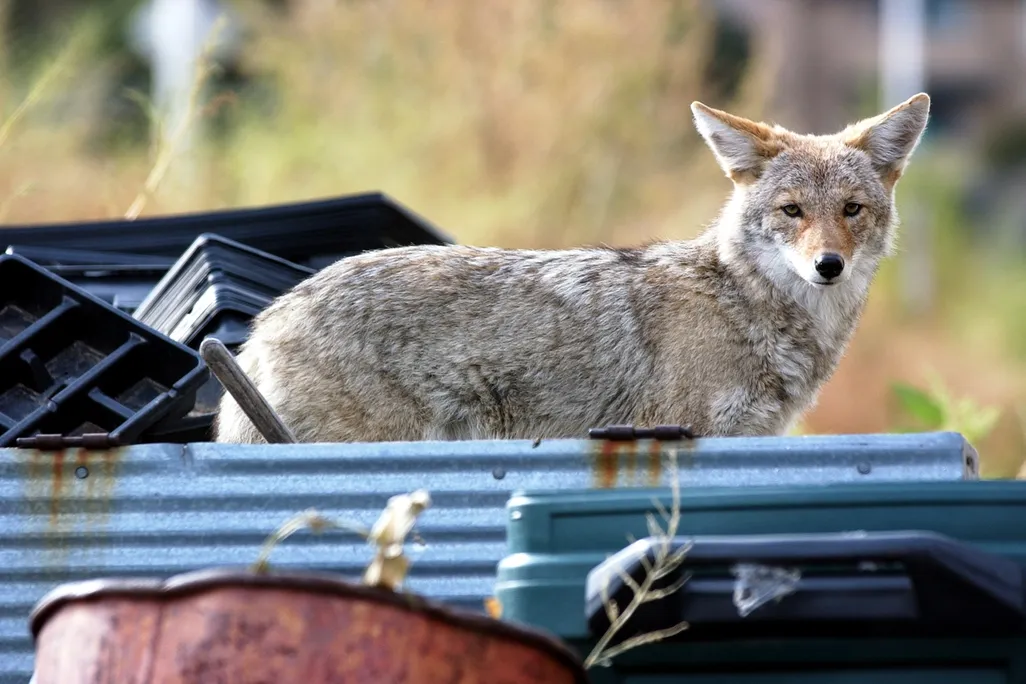
Trash bins are a common food source for coyotes. They tear open bags and containers for leftovers. Pet food left outside attracts coyotes too. These foods are rich in calories and easy to access. Feeding on garbage and pet food helps coyotes survive harsh seasons.
Hunting And Foraging Techniques
Coyotes use a mix of hunting and foraging techniques to get their food. Their methods change depending on the environment and what prey is available. Understanding these techniques gives you a clearer picture of how adaptable and smart these animals are.
Stalking And Pouncing
Coyotes often rely on quiet stalking to get close to their prey. They move slowly, using natural cover like bushes or tall grass to stay hidden. Once close enough, they quickly pounce to catch the target before it escapes.
During a walk in the woods, I once noticed a coyote freeze completely before launching a sudden attack on a small rodent. This shows how patience and timing are key to their hunting success.
Have you ever tried to sneak up quietly on something? Coyotes teach us that patience and careful movement can make a big difference.
Opportunistic Feeding Habits
Coyotes don’t stick to just one food source. They eat whatever is easy to find and catch. This can include rodents, rabbits, insects, fruits, and even human leftovers.
They are known to change their diet based on the season and location. In urban areas, they might scavenge garbage or pet food, while in rural spots, they focus more on hunting live prey.
Think about your own eating habits – do you prefer sticking to the same meals, or do you try whatever is available? Coyotes show that flexibility can be a big advantage in survival.
Credit: stacksjournal.org
Nutritional Needs And Adaptations
Coyotes mainly eat small animals like rabbits, rodents, and birds to meet their energy needs. Their diet changes with the seasons, adapting to available food sources for survival.
Coyote diets are fascinating and diverse. These adaptable creatures thrive in various environments. Understanding their nutritional needs helps reveal their survival strategies. Coyotes have unique adaptations to meet these needs. Let’s explore their diet and how they sustain themselves.Protein Requirements
Coyotes need protein for energy and growth. Their diet mainly consists of small animals. Rabbits, rodents, and birds are common prey. They also eat insects and carrion. Protein provides essential nutrients. It keeps them strong and healthy.Water Intake
Coyotes get water from various sources. They drink from streams and ponds. Moisture-rich food is another source. Fruits and vegetables help hydrate them. Coyotes can survive with minimal water. Their bodies conserve it efficiently. Adaptations like these help them thrive. Understanding these dietary needs offers insight into coyote survival. Their ability to adapt is key to their success.Impact On Ecosystem
The coyote’s preferred diet plays a crucial role in shaping the ecosystem. Their feeding habits influence many animal populations and plant growth. By controlling some species, coyotes help maintain balance in nature. Their impact goes beyond just hunting; it affects the entire food web and environment.
Role As Predator
Coyotes are skilled predators. They hunt small mammals, birds, and insects. This hunting helps keep prey populations healthy and balanced. Without predators like coyotes, some animals could grow too numerous and damage habitats. Coyotes also target weak and sick animals. This natural selection supports stronger prey populations over time.
Controlling Pest Populations
Coyotes help control pests such as rodents and rabbits. These pests often damage crops and spread diseases. By reducing their numbers, coyotes protect farmland and human health. Their presence lowers the need for chemical pest control. This natural method supports a healthier ecosystem overall.
Credit: www.smithsonianmag.com
Frequently Asked Questions
What Do Coyotes Mainly Eat In The Wild?
Coyotes primarily eat small mammals like rabbits, rodents, and birds. They also consume insects and fruits seasonally. Their diet varies based on availability and habitat, making them highly adaptable omnivores.
How Does A Coyote’s Diet Change Seasonally?
Coyotes eat more fruits and insects during warmer months. In colder seasons, they focus on mammals and carrion. Seasonal diet shifts help them survive varying food availability throughout the year.
Can Coyotes Eat Human Food Or Garbage?
Yes, coyotes sometimes scavenge human food and garbage. Urban coyotes adapt their diet to available resources, including pet food and waste. This behavior increases their survival chances near human settlements.
Do Coyotes Hunt In Packs For Food?
Coyotes usually hunt alone or in pairs but can form packs. Pack hunting helps them catch larger prey like deer. Their flexible hunting strategies depend on prey type and environment.
Conclusion
Coyotes eat a wide variety of foods to survive. They prefer small animals like rabbits, rodents, and birds. Sometimes, they eat fruits and plants too. Their diet changes with seasons and food availability. This helps them live in many places, from cities to wild areas.
Understanding what coyotes eat helps us respect their role in nature. It also keeps us safe and peaceful around them. Coyotes adapt well. They find food wherever they go. Simple and smart.







