
Are you ready to take your core strength to the next level? Strong core muscles do more than just give you a toned look—they improve your balance, protect your back, and boost your overall fitness.
But to get the best results, you need the right gym equipment designed specifically for core exercises. You’ll discover the top tools that make core workouts more effective and enjoyable. Keep reading, and you’ll find out how to turn your gym sessions into powerful core-building experiences that deliver real results.
Benefits Of Core Training
Core training offers many benefits beyond just a toned stomach. It strengthens muscles around your abdomen, lower back, and pelvis. This support improves your daily movements and overall health. Using gym equipment designed for core exercises helps target these muscles effectively. Regular core workouts can change how you feel and perform physically.
Improved Posture And Balance
Strong core muscles keep your spine aligned. This leads to better posture while sitting and standing. Good posture reduces strain on your back and neck. Core strength also improves your balance. It helps you stay steady during activities, reducing falls and slips.
Enhanced Athletic Performance
Core strength is key for many sports and exercises. It allows you to move more powerfully and with control. A strong core helps transfer energy between your upper and lower body. This improves speed, agility, and endurance. Many athletes use core training to gain an edge.
Reduced Risk Of Injury
Strong core muscles protect your spine and joints. They absorb shocks and reduce pressure on other body parts. Core training helps prevent injuries during workouts and daily tasks. It supports proper movement patterns, lowering the risk of strains and sprains.
Credit: www.temu.com
Essential Core Muscles Targeted
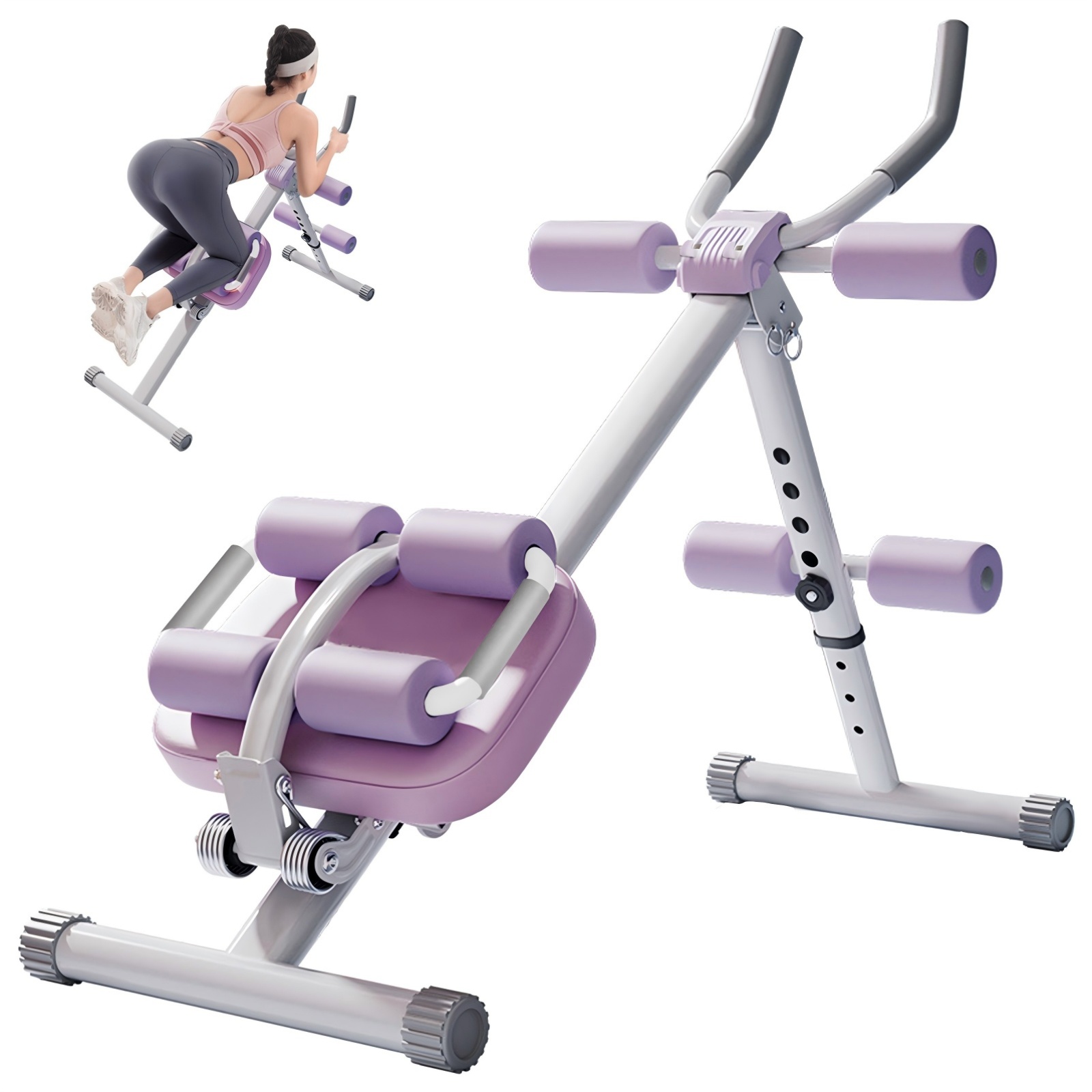
Core exercises using gym equipment focus on muscles like the rectus abdominis, obliques, and transverse abdominis. These exercises enhance stability, improve posture, and support daily movements.
Core exercises play a vital role in building a strong foundation. They focus on key muscles that support stability and movement. Using gym equipment can help target these essential core muscles effectively. Each muscle group plays a unique role in overall core strength.Rectus Abdominis
The rectus abdominis is often known as the “six-pack” muscle. It runs vertically along the abdomen. Crunches and sit-up machines are great tools to engage this muscle. They help in bending the spine forward.Obliques
Obliques are located on the sides of your abdomen. They help in twisting the torso and bending sideways. Cable machines and twist boards effectively target the obliques. They support rotational movements and improve balance.Transverse Abdominis
The transverse abdominis is the deepest core muscle. It wraps around the spine for stability. Plank machines and abdominal rollers are excellent for this muscle. They support posture and protect the spine.Lower Back Muscles
Lower back muscles are crucial for a balanced core. They support the spine and maintain proper posture. Back extension machines and Roman chairs target these muscles well. They help in reducing back pain and enhancing flexibility.Top Core Exercise Equipment
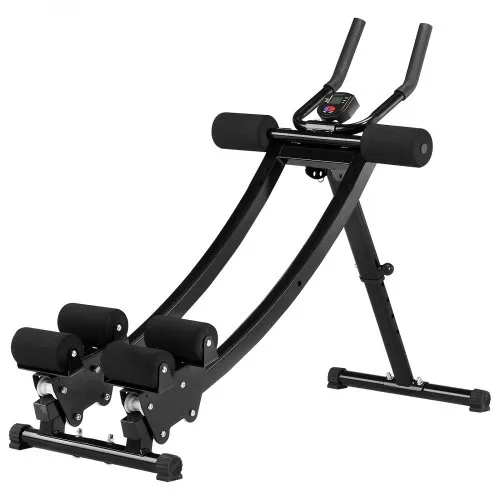
Core exercises strengthen the muscles around your abdomen and lower back. Using the right gym equipment can improve your workout efficiency. The top core exercise equipment targets balance, stability, and strength. These tools suit different fitness levels and goals.
Stability Balls
Stability balls challenge your balance during workouts. They engage deep core muscles to keep you steady. You can use them for crunches, planks, and bridges. Stability balls improve posture and coordination. They are easy to find in most gyms.
Ab Rollers
Ab rollers focus directly on the abdominal muscles. Rolling forward and back activates your entire core. This equipment builds strength and endurance quickly. Beginners should start slowly to avoid strain. Ab rollers are compact and affordable.
Medicine Balls
Medicine balls add resistance to core movements. Tossing or twisting with a medicine ball increases power. They help improve rotational strength and coordination. Different weights offer variety for all skill levels. Medicine balls also enhance overall body control.
Resistance Bands
Resistance bands create tension during core exercises. Bands improve muscle activation and flexibility. They are lightweight and easy to carry. Use them for seated twists, leg lifts, and planks. Resistance bands suit all fitness levels and spaces.
Cable Machines
Cable machines provide adjustable resistance for core training. You can perform woodchoppers, cable crunches, and twists. These exercises target obliques, abs, and lower back muscles. Cable machines allow smooth, controlled movements. They help build strength safely and effectively.
Using Stability Balls For Core Workouts
Using stability balls for core workouts can transform your exercise routine by adding a dynamic challenge. These balls force your muscles to engage more deeply because they create an unstable surface. This instability activates not only your core but also smaller stabilizer muscles that often go unnoticed in regular workouts.
Ball Planks And Rollouts
Ball planks are a great way to boost your core strength. Instead of placing your hands on the floor, you balance them on the stability ball. This simple change makes your core work harder to maintain balance.
Rollouts take this a step further. Start by kneeling with your forearms on the ball, then slowly roll the ball forward, extending your body while keeping your core tight. This motion targets your abs and lower back intensely.
Have you tried adding ball rollouts to your routine? They might feel tough at first, but your core will get stronger faster than with regular planks.
Balance Challenges
Using a stability ball for balance exercises tests your coordination and core control. Sitting on the ball instead of a bench activates your core just to keep you upright. Try lifting one foot off the ground while balancing to increase the difficulty.
Standing with one leg on the ball or performing squats with the ball under your back can also push your balance skills. These exercises improve your body awareness and help prevent injuries.
Do you find yourself wobbling during these moves? That’s a sign your core is working hard and getting stronger.
Incorporating Into Full-body Routines
You can add stability ball exercises to your entire workout for better results. Use the ball during strength training, like chest presses or wall squats, to engage your core continuously.
Switch between ball planks, balance challenges, and traditional moves to keep your muscles guessing. This keeps your routine fresh and your core growing stronger.
Next time you hit the gym, bring a stability ball along. How will you use it to challenge your core today?
Ab Rollers For Intense Core Activation
The ab roller is a simple yet powerful piece of gym equipment designed to target your core muscles intensely. It challenges your stability, strength, and control, making it an excellent tool for anyone looking to build a stronger midsection. Using an ab roller correctly can activate deep core muscles that many traditional exercises might miss.
Proper Rolling Technique
Start by kneeling on a soft surface to protect your knees. Grip the handles firmly and slowly roll the wheel forward, extending your body while keeping your back straight. Avoid letting your hips sag or arching your lower back; maintain a neutral spine throughout the movement.
Roll out only as far as you can control without losing form, then pull yourself back using your core muscles. Control is key here—rushing through the motion reduces the effectiveness and increases injury risk.
Progression Tips
If you’re new to the ab roller, begin with short rollouts to build strength and endurance. Gradually increase the distance as your core becomes stronger. You can also try rolling out from a standing position once you’re comfortable, which adds extra challenge.
To make the exercise harder, pause briefly at the extended position or slow down the return phase. Adding these small changes pushes your muscles to work harder and improves overall stability.
Common Mistakes To Avoid
- Arching the lower back:This places unnecessary strain on your spine and reduces core engagement.
- Using momentum:Swinging or rushing through the rollouts lessens the workout’s intensity and risks injury.
- Not engaging the core:Letting your abdominal muscles relax shifts the work to your arms and shoulders.
- Rolling out too far too soon:Overextending can cause loss of control and potential injury.
Have you noticed any of these mistakes during your workout? Focusing on form rather than speed will help you get the most out of your ab roller sessions.
Medicine Balls For Dynamic Core Training
Medicine balls are versatile tools that enhance core strength with dynamic movements. They add resistance and challenge balance, making workouts more effective. Using medicine balls activates deep core muscles beyond simple static holds. This trains your body to stabilize during real-life activities and sports.
These balls come in various weights and sizes. Choose one that fits your fitness level to avoid injury. The following exercises show how medicine balls target the core through movement and power.
Rotational Throws
Rotational throws engage your obliques and transverse abdominis. Stand with feet shoulder-width apart, holding the ball at chest level. Rotate your torso and throw the ball sideways against a wall or to a partner. Catch it and repeat on the other side.
- Improves rotational power.
- Enhances core stability.
- Boosts coordination and balance.
Slams And Explosive Moves
Slams build explosive strength and endurance. Lift the medicine ball overhead with both hands. Slam it down on the floor using your core and arms. Squat to pick it up and repeat fast. This move fires up your entire midsection.
- Increases power output.
- Trains fast-twitch muscle fibers.
- Burns calories efficiently.
Weighted Core Exercises
Adding medicine balls to core exercises raises the challenge. Hold the ball while doing sit-ups, Russian twists, or leg raises. The extra weight intensifies muscle activation and builds strength faster.
| Exercise | Core Muscles Targeted | Benefits |
|---|---|---|
| Sit-ups with Medicine Ball | Rectus abdominis, hip flexors | Greater resistance and muscle growth |
| Russian Twists | Obliques, transverse abdominis | Improved rotational strength |
| Leg Raises with Ball | Lower abs, hip flexors | Enhanced core control and stability |
Resistance Bands And Core Stability
Resistance bands are a simple tool to boost core stability. They add tension that challenges your muscles. This helps improve balance and strength in your core. Resistance bands are light and easy to use at home or in the gym.
Using bands targets deep core muscles that support your spine. They allow smooth, controlled movements. This reduces injury risk and improves muscle control.
Anti-rotation Exercises
Anti-rotation exercises stop your body from twisting. You hold the band steady while your core works hard to resist movement. This builds strength in your abs and lower back.
- Attach the band to a fixed point at chest height.
- Stand sideways, hold the band with both hands.
- Keep your arms straight and pull the band slightly.
- Hold your position, resisting the pull for 15-30 seconds.
This exercise improves posture and stability during daily tasks.
Woodchoppers
Woodchoppers mimic chopping wood, twisting your torso. This move works your obliques and core muscles deeply.
- Attach the band low on one side.
- Grab the band with both hands.
- Pull the band diagonally upward across your body.
- Control the movement back to start.
- Repeat for 10-15 reps, then switch sides.
Woodchoppers build rotational power and core endurance.
Band-resisted Crunches
Band-resisted crunches add extra tension to your abs. This increases the workout intensity and muscle activation.
- Anchor the band above your head.
- Lie on your back, hold the band ends by your shoulders.
- Perform a crunch, pulling your ribs toward your hips.
- Slowly return to the start position.
- Repeat for 12-15 reps.
This exercise strengthens your upper and lower abs effectively.
Credit: www.vevor.ca
Cable Machines For Controlled Core Engagement
Cable machines offer a unique advantage for core training by allowing you to engage your muscles with consistent tension and controlled movement. Unlike free weights, cables provide smooth resistance through the entire range of motion, which helps you focus on maintaining proper form. This control can lead to better muscle activation and reduced risk of injury during core exercises.
Using cable machines for core workouts lets you challenge your stability and strength in different planes of motion. Whether you want to improve rotational power or anti-rotational control, cables give you the versatility to do both with precision. Have you ever noticed how your core feels more engaged when you add cables to your routine?
Cable Woodchoppers
Cable woodchoppers target your obliques and transverse abdominis through a twisting motion. You stand with the cable handle in both hands and pull diagonally across your body, mimicking the action of chopping wood. This movement forces your core to rotate while resisting the pull, making your muscles work hard to stabilize your spine.
Adjusting the height of the cable changes the angle of resistance, allowing you to hit your core from different directions. Start with a light weight to perfect your form, then gradually increase to build strength. This exercise also improves your functional strength for activities that require twisting, like sports or daily tasks.
Pallof Press Variations
The Pallof press is a powerful anti-rotational exercise that strengthens your core by resisting unwanted movement. Using a cable machine, you hold the handle close to your chest and push it straight out in front of you. This simple action forces your core to stabilize your body and resist rotation.
You can try different variations by changing your stance—standing, kneeling, or half-kneeling—to challenge your balance and core stability even more. Adding holds or slow presses increases time under tension, making your core work harder. Have you tried holding the press at arm’s length to test your endurance?
Standing And Seated Movements
Cable machines allow both standing and seated core exercises, each offering unique benefits. Standing movements engage your entire body as you stabilize your legs, hips, and spine, making your core work harder. Seated exercises isolate the core muscles more, letting you focus on controlled, precise movements.
For example, seated cable rotations help you concentrate on your obliques without worrying about balance. Standing cable lifts or chops, on the other hand, improve your functional strength by incorporating your lower body. Switching between standing and seated positions keeps your workouts fresh and targets your core in multiple ways.
Combining Equipment For Effective Routines
Combining different gym equipment enhances core exercise routines. Using multiple tools targets various muscle groups. This approach improves strength, stability, and endurance. It prevents workout boredom and helps maintain motivation. Mixing equipment allows for balanced and effective workouts.
Circuit Training Ideas
Circuit training mixes exercises with little rest. Choose 4 to 6 core exercises using different equipment. For example:
- Plank on a stability ball
- Russian twists with a medicine ball
- Hanging leg raises on a pull-up bar
- Ab wheel rollouts
- Kettlebell swings
Perform each exercise for 30 seconds. Rest for 15 seconds before the next. Repeat the circuit 3 to 4 times. This keeps the heart rate up and strengthens the core effectively.
Balancing Strength And Endurance
Core strength builds muscle power. Endurance improves muscle stamina. Use heavy weights for fewer reps to build strength. Use lighter weights with more reps for endurance. Combine equipment like dumbbells, resistance bands, and stability balls. Alternate between strength and endurance days for best results.
Tracking Progress
Tracking progress helps stay motivated and improve routines. Record exercises, weights, sets, and reps. Note how you feel after workouts. Take photos to see physical changes. Use apps or journals to keep data organized. Regular tracking shows what works and what needs change.

Credit: www.amazon.ca
Safety Tips And Proper Form
Using gym equipment for core exercises requires attention to safety and form. Poor technique can cause injuries and reduce benefits. Proper preparation and awareness help protect your body and improve results.
Warm-up Importance
Start every session with a warm-up. It increases blood flow to muscles and prepares joints for movement. Simple activities like light cardio or dynamic stretches help reduce injury risk.
Warming up also improves flexibility and muscle activation. Spend 5 to 10 minutes warming up before core workouts. This step primes your body for better performance.
Maintaining Spinal Alignment
Keep your spine in a neutral position during exercises. Avoid rounding or arching your back excessively. Proper alignment protects your spine and supports effective muscle engagement.
Focus on keeping your head, neck, and back aligned. Use mirrors or ask for help to check your form. Good posture maximizes the workout’s benefits while minimizing strain.
Listening To Your Body
Pay attention to how your body feels during workouts. Stop immediately if you feel sharp pain or discomfort. Mild muscle fatigue is normal, but pain signals possible injury.
Rest as needed and adjust the exercise intensity. Progress slowly to avoid overuse injuries. Your body’s signals guide safe and effective training.
Frequently Asked Questions
What Are The Best Gym Equipment For Core Exercises?
The best gym equipment for core exercises include stability balls, cable machines, ab rollers, and medicine balls. These tools target abdominal muscles efficiently and improve balance and strength.
How Does Gym Equipment Improve Core Workout Results?
Gym equipment adds resistance and variety to core exercises. It enhances muscle engagement, boosts strength, and helps maintain proper form, leading to faster and more effective results.
Can Beginners Use Gym Equipment For Core Training?
Yes, beginners can use gym equipment safely with proper guidance. Starting with basic machines and light resistance helps build core strength gradually and prevents injury.
Which Gym Equipment Targets Lower Abdominal Muscles Best?
Cable machines and leg raise benches are effective for targeting lower abs. These tools provide controlled movements that isolate and strengthen the lower abdominal region.
Conclusion
Core exercises help build a strong and stable body. Using gym equipment can make workouts easier and more effective. Machines and tools target different muscles in your core. Regular practice improves balance, posture, and overall fitness. Start with simple equipment and increase intensity slowly.
Stay consistent and focus on good form each time. Strong core muscles support daily activities and reduce injury risk. Choose the right gear that fits your needs and goals. Keep your routine varied to stay motivated and avoid boredom. Enjoy the process and feel your strength grow every day.







