
Are you ready to transform your workouts and see real results? Strengthening your core at the gym is one of the smartest moves you can make.
Your core isn’t just about looking good—it’s the foundation for better balance, improved posture, and injury prevention. Imagine feeling stronger, moving easier, and powering through your daily activities without strain. You’ll discover the best core exercises that fit right into your gym routine.
Keep reading, and you’ll learn how to unlock the full potential of your body starting today.
Benefits Of Core Training
Core exercises at the gym strengthen muscles around your stomach and back. This helps improve balance, posture, and reduces injury risk during daily activities. Strong core muscles also support better performance in other workouts.
Core training at the gym offers numerous benefits. A strong core is essential for overall fitness. It supports almost every movement you make. From lifting weights to simple daily tasks, your core is involved. Strong core muscles improve your daily life and gym performance. Let’s explore some key benefits of core training.Improved Posture And Balance
A strong core leads to better posture. Good posture supports your spine and reduces strain. It helps you stand tall and move gracefully. Improved balance is another benefit of core exercises. It helps prevent falls and improves coordination. Both are crucial for daily activities and sports.Enhanced Athletic Performance
Athletes benefit greatly from core training. A strong core improves power and speed. It aids in efficient movement across sports. From running to swimming, a solid core makes a difference. It helps in quick direction changes and stability. This can be crucial in competitive sports.Reduced Risk Of Injury
Core exercises help in injury prevention. They stabilize your body during activities. A strong core supports your lower back. This reduces the risk of back pain and injuries. It protects other body parts by providing a solid foundation. Strengthening your core is a smart way to stay safe and active.Key Muscles In The Core
Your core is more than just your abs. It’s a group of muscles working together to stabilize your body, improve posture, and support every movement you make. Knowing the key muscles in your core helps you target your workouts better and avoid injuries.
Rectus Abdominis
This muscle is what most people think of as the “six-pack.” It runs down the front of your abdomen and helps you bend forward. When I started focusing on strengthening my rectus abdominis, I noticed better control during exercises like crunches and planks.
Besides improving your appearance, a strong rectus abdominis supports your spine and reduces lower back strain. Try adding controlled crunches or leg raises to your routine to activate this muscle.
Obliques
Obliques sit on the sides of your abdomen and are crucial for twisting and side-bending movements. These muscles help you with rotational power, whether you’re swinging a golf club or reaching for something on a shelf.
In my experience, including exercises like Russian twists or side planks enhanced my balance and made everyday movements feel smoother. Ask yourself: Are you training these muscles enough to support your daily activities?
Transverse Abdominis
This deep muscle wraps around your torso like a corset. It plays a huge role in stabilizing your spine and maintaining posture. Many people overlook it because it’s not as visible as the rectus abdominis.
I found that focusing on breathing techniques and exercises like vacuum holds helped me engage this muscle better. Strengthening it can significantly reduce the risk of lower back pain and improve your overall core strength.
Lower Back Muscles
Your core isn’t complete without the muscles in your lower back. These muscles balance the front abdominal muscles and prevent you from leaning too far forward. Strengthening them is essential to avoid back injuries.
Back extensions or superman exercises worked well for me to build these muscles. Think about how balanced your core feels—are you giving enough attention to your lower back?
Equipment For Core Workouts
Core workouts require the right equipment to enhance strength and stability. Using gym tools targets your abdominal and back muscles effectively. This equipment helps improve balance and posture. It also adds variety to your routine. Below are some common tools for core exercises.
Stability Ball
The stability ball challenges your balance during exercises. It engages deep core muscles to keep you steady. You can perform crunches, planks, and rollouts on it. The ball also helps increase flexibility and coordination.
Medicine Ball
Medicine balls add resistance to core workouts. Tossing or twisting with the ball builds power and endurance. It works well for rotational movements that target obliques. Medicine balls come in different weights for all fitness levels.
Cable Machines
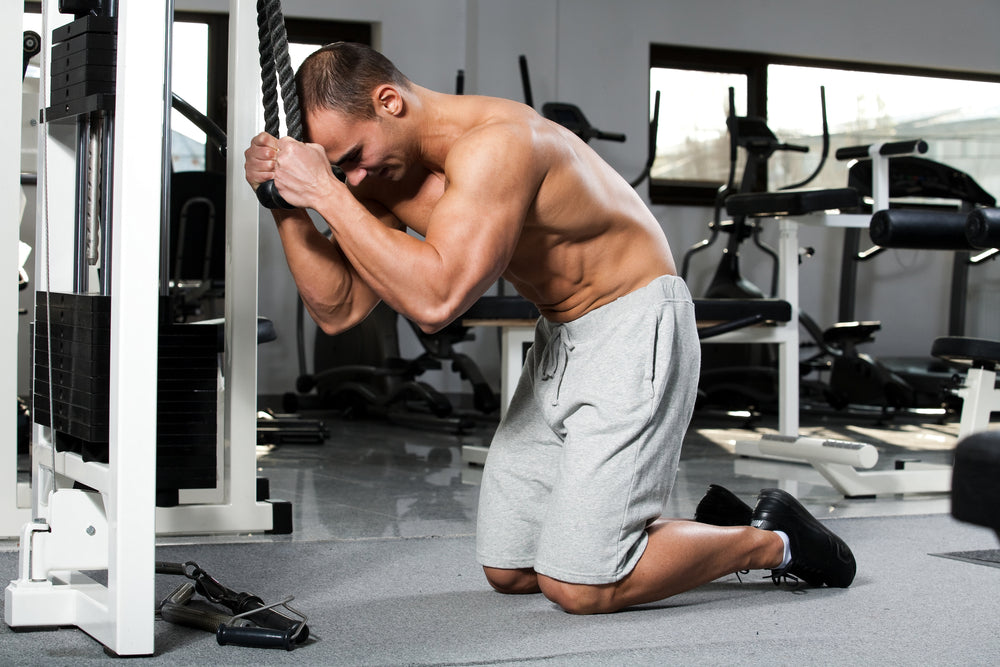
Cable machines allow controlled, smooth movements for core training. They help perform exercises like woodchoppers and cable twists. This equipment keeps constant tension on muscles. It improves strength and muscle tone in the midsection.
Free Weights
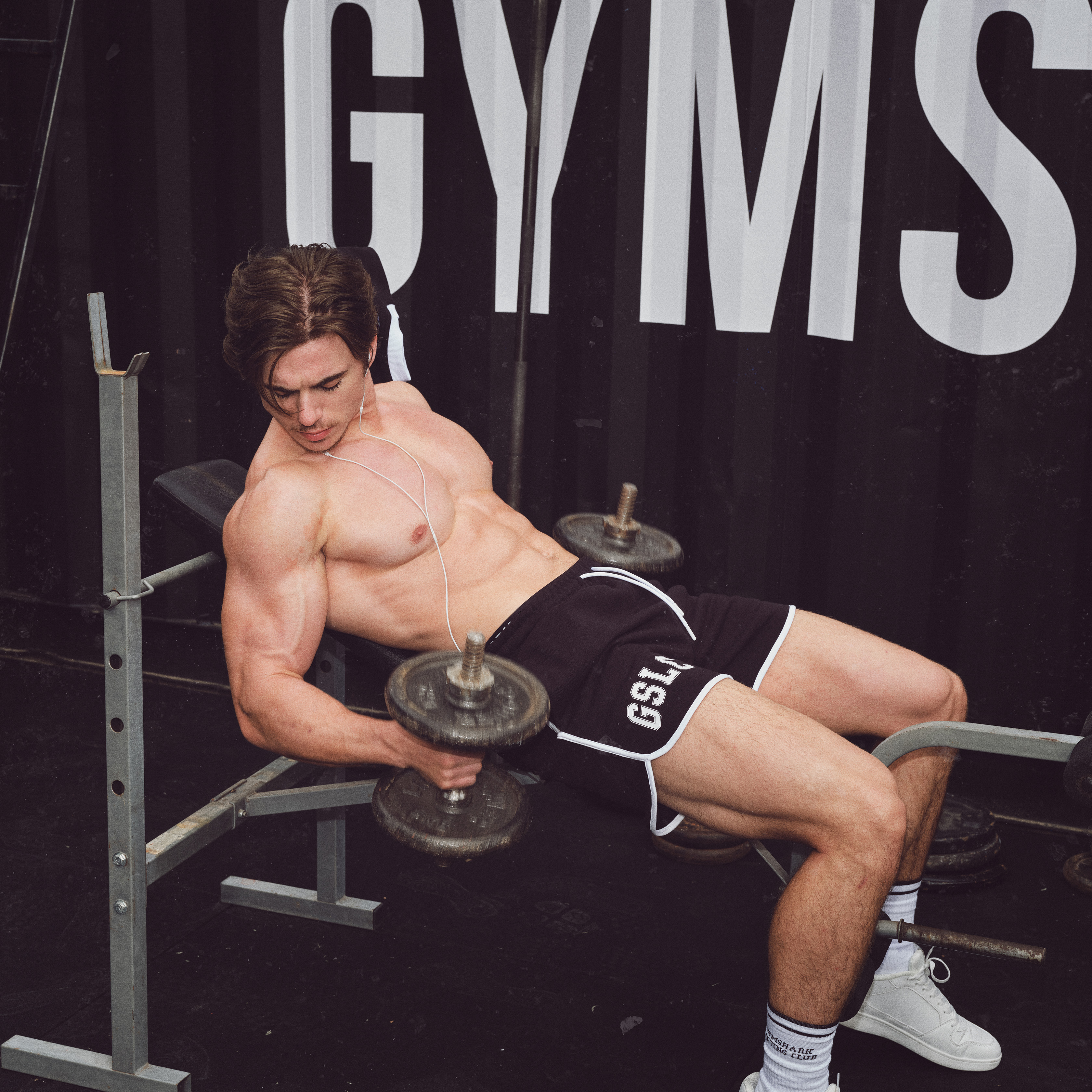
Dumbbells and kettlebells are popular free weights for core work. Holding weights during squats or lunges activates your core muscles. Weighted sit-ups and Russian twists build abdominal strength. Free weights offer flexibility in exercise choices.
Credit: www.gymshark.com
Top Core Exercises At The Gym
Building a strong core is essential for overall fitness and injury prevention. The gym offers a variety of exercises that target your abdominal and lower back muscles effectively. Focusing on the right core exercises can improve your posture, balance, and athletic performance.
Plank Variations
Planks are a staple for core strength because they engage multiple muscle groups at once. Try side planks, forearm planks, or plank with shoulder taps to challenge your stability further. These variations keep your routine fresh and prevent plateaus in your progress.
Cable Woodchoppers
Cable woodchoppers mimic the twisting motion that activates your obliques and deep core muscles. Adjust the cable height to target different angles and enhance rotational strength. This exercise also improves your functional movement, useful in many sports and daily activities.
Hanging Leg Raises
Hanging leg raises effectively target the lower abs, a tough area to hit with many exercises. Focus on controlled movement rather than swinging to maximize muscle engagement. If you struggle with the full movement, start with bent knees and work your way up.
Russian Twists
Russian twists help develop your obliques and improve rotational flexibility. Holding a weight or medicine ball increases the intensity and challenges your balance. Pay attention to your form to avoid straining your lower back during the twists.
Ab Rollouts
Ab rollouts are demanding but excellent for strengthening the entire core, including the deep stabilizers. Use an ab wheel or a barbell with plates to roll forward slowly and return with control. This movement tests your core endurance and can quickly reveal weak points.
Designing A Core Workout Routine
Designing a core workout routine requires focus and planning. The core supports almost every movement in daily life and exercise. A strong core improves balance, posture, and overall strength. To build an effective routine, choose exercises carefully, manage reps and sets, allow proper rest, and apply progression techniques. This approach helps develop strength safely and steadily.
Exercise Selection
Choose exercises that target all core muscles. This includes the rectus abdominis, obliques, and lower back. Mix static holds with dynamic moves for balanced strength. Examples:
- Planks and side planks for stability.
- Bicycle crunches for oblique engagement.
- Leg raises for lower abs.
- Back extensions for spinal support.
Include variety to prevent boredom and plateaus.
Reps And Sets
Start with moderate reps and sets. Aim for 2-3 sets per exercise. Reps can range from 10 to 20 depending on the move. For static holds like planks, hold for 20-40 seconds. Adjust reps based on your fitness level. Quality beats quantity. Focus on proper form during each rep.
Rest And Recovery
Rest is vital between sets and workouts. Take 30-60 seconds between sets to recover. This helps maintain strength and technique. Allow 48 hours before working the same muscle group again. Recovery prevents injury and promotes muscle growth. Pay attention to your body’s signals. Rest more if you feel pain or extreme fatigue.
Progression Techniques
Progress slowly to avoid injury. Increase reps or hold time gradually. Add resistance with weights or bands for more challenge. Try advanced exercises as strength improves. Examples:
- Plank with arm or leg lifts.
- Weighted Russian twists.
- Hanging leg raises.
Track your progress to stay motivated and focused.
Credit: steelsupplements.com
Common Mistakes To Avoid
Core exercises build strength and stability. Many people make mistakes that reduce benefits. Avoid these errors to get the best results. Proper form protects your body and improves performance. Focus on quality over quantity during your workout.
Overusing The Lower Back
Core work targets your abs and obliques, not just your lower back. Using the lower back too much can cause pain and injury. Keep your spine neutral and avoid arching during exercises. Engage your core muscles to share the load evenly. Stop if you feel strain in your lower back.
Neglecting Breathing
Holding your breath reduces oxygen flow and increases tension. Breathe steadily throughout each movement. Exhale during effort, such as lifting or crunching. Inhale when returning to the start position. Controlled breathing helps maintain rhythm and focus.
Rushing Through Movements
Fast reps reduce muscle activation and increase injury risk. Slow, controlled movements engage muscles fully. Focus on form, not speed. Pause briefly at the peak of each contraction. Quality beats quantity every time in core training.
Tips For Maximizing Core Strength
Building core strength takes more than just doing exercises. It requires smart habits and a balanced approach. Focus on steady progress and care for your whole body. This will help your core become stronger and more stable over time.
Consistency And Patience
Core muscles grow stronger with regular workouts. Training just once in a while will not help. Make core exercises part of your weekly routine. Results show up slowly. Stay patient and keep practicing.
Try to work your core at least three times a week. Avoid rushing through exercises. Good form matters more than speed or reps.
Combining With Full-body Training
Strong core supports all movements. Include full-body workouts to improve overall strength. Exercises like squats, deadlifts, and push-ups also engage your core.
This mix helps your muscles work together better. It improves balance and reduces injury risk. Never isolate your core alone. Use it as part of total body fitness.
Nutrition And Hydration
Muscles need fuel to grow and repair. Eat a balanced diet rich in protein, healthy fats, and carbs. Protein helps rebuild muscle fibers after training.
Drink plenty of water every day. Staying hydrated keeps muscles flexible and ready to work. Avoid sugary drinks and processed foods. Proper nutrition supports your core training efforts.
:max_bytes(150000):strip_icc()/Health-GettyImages-1408670689-bc8ab4a5531a4ea994468dabe1b19052.jpg)
Credit: www.health.com
Frequently Asked Questions
What Are The Best Core Exercises At The Gym?
The best core exercises include planks, Russian twists, leg raises, and cable woodchoppers. These target all abdominal muscles effectively. Incorporate variety for balanced strength and stability.
How Often Should I Do Core Exercises Weekly?
Aim for core workouts 3 to 4 times per week. This frequency allows muscle recovery and steady strength gains. Avoid daily core training to prevent overuse injuries.
Can Core Exercises Improve Overall Gym Performance?
Yes, core exercises enhance stability, balance, and power. A strong core supports better form in lifts like squats and deadlifts. This reduces injury risk and boosts workout efficiency.
Are Machines Or Free Weights Better For Core Training?
Free weights and bodyweight exercises often engage more core muscles. Machines can isolate specific areas but may limit functional strength. Combining both methods yields the best results.
Conclusion
Core exercises build strength and improve balance. They help protect your back and improve posture. Try to add these moves to your gym routine. Start slow and focus on good form. Consistency is key to seeing real progress. Strong core muscles make daily activities easier.
Keep practicing, and you’ll feel the benefits soon. Your body will thank you for the effort. Stay motivated and enjoy the journey to a stronger core.







