
Are you tired of spending countless hours in the gym without seeing the results you crave? Imagine a workout that not only saves you time but also maximizes your efforts.
Enter the world of compound workout routines—a game-changer for anyone looking to get fit efficiently. These exercises are like the Swiss Army knife of fitness, targeting multiple muscle groups with every move. Whether you’re a fitness newbie or a seasoned pro, incorporating compound exercises into your routine can transform your workout experience.
Stick around to discover how you can harness the power of compound workouts to achieve your fitness goals faster and more effectively.
Benefits Of Compound Workouts
Compound workouts offer several benefits that can transform your fitness routine. These exercises involve multiple joints and muscles working together, making your workouts more effective and functional. Understanding these benefits can help you decide how to shape your training for better results.
Maximize Muscle Engagement
Compound exercises activate several muscle groups at once. For example, a squat doesn’t just target your legs; it also works your core, back, and even arms if you hold weights. This full-body engagement means you stimulate more muscle fibers, leading to better muscle growth and coordination.
Have you noticed how your body feels more connected and balanced after doing compound moves? That’s because your muscles learn to work together, improving overall muscle control and stability.
Enhance Strength Gains
Because compound workouts involve lifting heavier weights and recruiting more muscles, they help you build strength faster. Movements like deadlifts and bench presses challenge your body more than isolated exercises, pushing your strength limits.
Think about the last time you increased your squat weight—you weren’t just getting stronger in your legs but also improving your back and core strength. That’s a key advantage compound exercises offer over single-joint moves.
Improve Workout Efficiency
Compound workouts save you time by targeting multiple muscle groups simultaneously. Instead of spending 30 minutes on separate arm, leg, and back exercises, you can hit all those areas in one go.
This efficiency is perfect if you have a busy schedule but still want to make progress. Plus, the increased calorie burn during compound movements makes your workouts more productive overall.

Credit: toneopfit.com
Key Compound Exercises
Compound exercises work several muscle groups at once. They build strength and improve coordination. These moves save time and burn more calories. Including key compound exercises can boost your workout routine.
Squats For Lower Body
Squats target your thighs, hips, and buttocks. They also engage your core for balance. This exercise strengthens muscles and improves posture. Squats help with daily movements like sitting and standing.
Deadlifts For Full Body
Deadlifts work the back, legs, and core muscles. This lift improves your grip and posture. It also strengthens your hips and lower back. Deadlifts mimic real-life lifting actions for better function.
Bench Press For Chest And Arms
The bench press focuses on the chest, shoulders, and triceps. It builds upper body strength and muscle size. This exercise helps in pushing movements in daily life. It also improves shoulder stability and arm power.
Pull-ups For Back Strength
Pull-ups strengthen your upper back, shoulders, and arms. They improve grip and arm endurance. This exercise enhances posture and shoulder health. Pull-ups challenge your body to lift your own weight.
Overhead Press For Shoulders
The overhead press targets your shoulder muscles and triceps. It builds upper body strength and stability. This exercise improves your ability to lift objects overhead. It also supports good posture and shoulder mobility.
Designing Your Routine
Designing an effective compound workout routine is key to building strength and muscle efficiently. It involves selecting the best exercises, managing how hard and how much you train, and planning proper rest. A well-structured routine helps prevent injury and keeps progress steady.
Choosing The Right Exercises
Focus on exercises that work multiple muscle groups. These moves save time and boost overall strength. Examples include squats, deadlifts, bench presses, and pull-ups. Choose exercises that suit your fitness level and goals. Ensure you learn the correct form to avoid injury.
Balancing Volume And Intensity
Volume means the total amount of work done, like sets and reps. Intensity refers to how hard the exercise feels, often linked to weight lifted. Keep a balance by adjusting these factors based on your recovery and progress. Too much volume or intensity can lead to burnout or injury.
Scheduling Rest And Recovery
Rest days are essential for muscle repair and growth. Plan at least one or two rest days weekly. Avoid training the same muscle groups on consecutive days. Use active recovery, like light walking or stretching, to stay mobile without overloading your body.

Credit: www.nourishmovelove.com
Techniques To Boost Muscle Growth
Boosting muscle growth isn’t just about lifting heavier weights; it’s about how you train smartly. Small adjustments in your routine can lead to significant gains. Let’s break down some powerful techniques that can help you maximize your compound workout routine.
Progressive Overload Methods
Progressive overload means gradually increasing the stress on your muscles to make them stronger. You can do this by adding more weight, doing extra reps, or increasing the number of sets.
For example, if you bench press 100 lbs for 8 reps, try 105 lbs next week or aim for 10 reps with the same weight. Tracking your progress keeps you accountable and pushes your limits safely.
Have you ever stalled in your growth? Changing one variable of overload might be the key to breaking that plateau.
Proper Form And Range Of Motion
Using the right form protects you from injury and ensures your muscles work effectively. Moving through the full range of motion activates more muscle fibers and enhances growth.
For instance, during a squat, lowering yourself until your thighs are parallel to the floor recruits more muscle than a shallow bend. It may feel tougher, but the payoff is worth it.
Think about your last workout: Did you fully complete each movement or rush through it? Quality beats quantity every time.
Incorporating Tempo And Pauses
Controlling the speed of your lifts can increase muscle tension and time under tension, which stimulates growth. Try slowing down the lowering phase or holding a pause at the hardest part of the movement.
- Lower the weight slowly over 3-4 seconds
- Pause for 2 seconds at the bottom of a deadlift
- Explode up with controlled power
I once added a 2-second pause during my pull-ups, and within weeks, my strength and muscle size noticeably improved. Are you timing your reps, or just going through the motions?
Nutrition For Strength And Muscle
Nutrition plays a key role in building strength and muscle with a compound workout routine. Eating the right foods helps repair muscles and fuels your workouts. Proper nutrition supports muscle growth and improves recovery time. Without the right diet, gains from training can be limited.
Protein Intake Guidelines
Protein is essential for muscle repair and growth. Aim for about 1.6 to 2.2 grams of protein per kilogram of body weight daily. Spread protein intake evenly across meals for best results. Good sources include chicken, fish, eggs, dairy, beans, and legumes. Consuming enough protein helps your muscles recover after compound exercises.
Timing Your Meals
Meal timing can impact muscle gains and energy levels. Eat a balanced meal with protein and carbs 1 to 2 hours before workouts. This provides energy for intense compound lifts. After training, consume protein within 30 to 60 minutes to aid muscle repair. Small, frequent meals throughout the day maintain steady energy and support muscle growth.
Supplements To Consider
Supplements can support your nutrition but are not required. Whey protein helps reach daily protein goals easily. Creatine boosts strength and power during compound lifts. Branched-chain amino acids (BCAAs) may reduce muscle soreness. Always prioritize whole foods before adding supplements. Drink plenty of water to stay hydrated and support muscle function.
Tracking Progress And Adjustments
Tracking progress and making adjustments are vital parts of any compound workout routine. They help maintain motivation and ensure continual improvement. Without tracking, you may miss important signs of progress or struggle with plateaus.
Keeping an eye on your strength and performance allows you to tailor your workouts effectively. Small tweaks lead to better results and reduce the risk of injury. Tools like logs and apps make this process easier and more accurate.
Monitoring Strength Gains
Track how much weight you lift on each exercise. Note the number of reps and sets completed. This shows real progress in your strength levels. Watch for consistent increases in weight or reps over weeks. These gains indicate your muscles are adapting and growing stronger.
Also, observe how you feel during workouts. Easier lifts suggest improvement. Feeling more powerful means your routine works well. Record any changes in endurance or form. These details highlight your overall fitness progress.
Adjusting Workouts For Plateaus
Plateaus happen when progress stalls. Your body stops responding to the current routine. To break through, change exercise order or increase weight slightly. Add more reps or sets to challenge muscles further. Vary rest times between sets to boost intensity.
Introduce new compound exercises to target muscles differently. Switch grip or stance for variety. These changes prevent boredom and stimulate growth. Keep adjustments small and gradual. This helps avoid injury and keeps progress steady.
Using Logs And Apps
Write down your workouts in a notebook or use digital apps. Logging details helps you spot trends and improvements. Apps can remind you to train and suggest adjustments. Many offer charts to visualize progress over time.
Choose tools that fit your style and are easy to update. Regular logging builds a habit and keeps you accountable. Review logs weekly to plan your next workout. This keeps your routine fresh and effective.
Common Mistakes To Avoid
A compound workout routine offers great benefits but comes with challenges. Avoiding common mistakes can help you train safely and effectively. These errors often limit progress and increase injury risks. Understanding these pitfalls helps maintain steady gains and good health.
Neglecting Warm-ups
Skipping warm-ups is a frequent error. Warm-ups prepare your muscles and joints for intense activity. Without them, you risk strains and poor performance. Spend 5 to 10 minutes on light cardio and dynamic stretches. This increases blood flow and reduces injury chances.
Overtraining Risks
Overtraining can cause fatigue and injury. Compound exercises work many muscles, so rest is vital. Training too hard or too often harms recovery. Watch for signs like persistent soreness, low energy, or poor sleep. Balance workout intensity with rest days for best results.
Ignoring Recovery Needs
Recovery is as important as training. Muscles grow and repair during rest, not workouts. Neglecting sleep, nutrition, and rest slows progress. Prioritize good sleep, eat protein-rich foods, and allow time between sessions. This keeps your body strong and ready for the next workout.
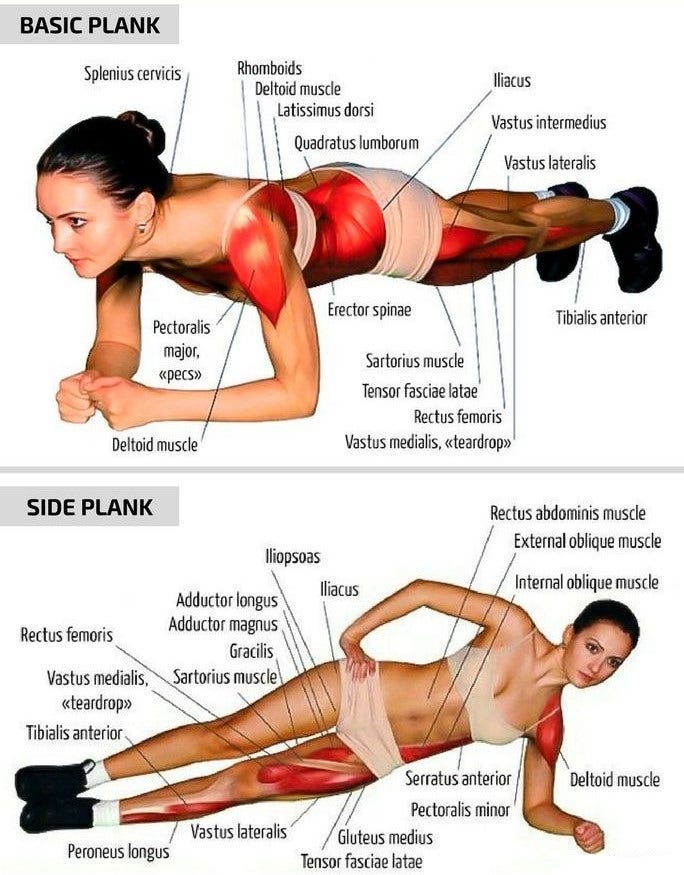
Credit: medium.com
Frequently Asked Questions
What Is A Compound Workout Routine?
A compound workout routine focuses on exercises that engage multiple muscle groups. It boosts strength, efficiency, and calorie burn. These exercises include squats, deadlifts, and bench presses. Compound workouts save time and improve overall fitness.
How Often Should I Do Compound Workouts?
Perform compound workouts 3 to 4 times weekly. Allow at least one rest day between sessions. This schedule aids muscle recovery and growth. Adjust frequency based on fitness level and goals.
Are Compound Exercises Better Than Isolation Exercises?
Compound exercises are better for overall strength and calorie burn. They engage several muscles simultaneously, enhancing coordination. Isolation exercises target single muscles, useful for specific muscle growth. Combining both types can optimize fitness results.
Can Compound Workouts Help With Weight Loss?
Yes, compound workouts burn more calories due to multi-muscle engagement. They raise your heart rate, boosting metabolism. Regular compound training supports fat loss and lean muscle gain. Combine with a healthy diet for best results.
Conclusion
Compound workouts build strength and save time. They work many muscles at once. This routine helps improve overall fitness quickly. You can gain muscle and burn calories together. Stick to the plan and stay consistent. Small steps lead to big results.
Keep your form correct to avoid injury. Enjoy feeling stronger and healthier every day. Simple exercises, great benefits. Try adding compound workouts to your routine now.







