
Are you ready to take your gym business to the next level without breaking the bank? Leasing commercial gym equipment could be the smart solution you’ve been searching for.
Imagine having access to the latest machines and tools that attract more members, all while keeping your upfront costs low. You’ll discover how leasing can give your gym the edge it needs, save you money, and keep your space fresh and inviting.
Keep reading to find out why leasing might be the best choice for your gym’s success.

Credit: www.primalstrength.com
Benefits Of Leasing Gym Equipment
Leasing gym equipment offers many benefits for commercial fitness centers. It helps gyms stay updated and manage finances better. Leasing reduces upfront costs and allows easy upgrades. This option suits businesses wanting flexibility and control over expenses.
Cost Savings Compared To Buying
Leasing requires less money upfront than buying equipment. Gyms avoid large initial payments and save capital for other needs. Maintenance and repair costs often come with leasing agreements. This lowers unexpected expenses and reduces overall financial risk.
Access To Latest Equipment
Leasing allows gyms to use the newest machines regularly. Fitness trends change fast, and leased equipment keeps gyms competitive. Upgrading leased equipment is easier and more affordable than replacing owned machines. This attracts more clients interested in modern workout options.
Improved Cash Flow Management
Leasing spreads payments over time, making budgeting simple. Predictable monthly fees help gyms plan expenses better. Businesses avoid cash flow problems caused by large purchases. This steady expense supports stable operations and growth planning.
Key Factors To Consider
Leasing commercial gym equipment can be a smart choice. It offers flexibility and preserves capital. Before signing a lease, consider several key factors. These elements ensure you make the best decision for your gym.
Lease Terms And Conditions
Check the lease duration and payment terms. Shorter leases provide more flexibility. Longer leases might offer better rates. Understand penalties for early termination. Look for clauses about equipment upgrades. These can be beneficial as technology advances.
Equipment Quality And Maintenance
Assess the quality of the gym equipment. High-quality machines offer better durability. Regular maintenance is crucial. Ensure the lease covers maintenance services. This can prevent unexpected repair costs. Ask about the response time for repairs. Quick fixes keep your gym running smoothly.
Vendor Reputation And Support
Research the vendor’s reputation. Read reviews from other gym owners. A reputable vendor provides reliable service. They offer good customer support. Check if they provide training for using the equipment. This ensures your staff can operate machines safely.
Types Of Lease Agreements
Leasing commercial gym equipment offers several options. Different lease agreements suit various business needs. Understanding each type helps you choose the best fit for your gym.
Operating Lease
An operating lease allows use of equipment without ownership. Lease terms are usually shorter than equipment life. Monthly payments tend to be lower and flexible. Maintenance and upgrades may be included in the agreement. At lease end, you can return or renew the equipment. This option suits gyms wanting the latest machines without large costs.
Capital Lease
A capital lease is like buying equipment on credit. You have the right to use and own the equipment. Lease terms cover most of the equipment’s useful life. Monthly payments are higher but lead to ownership. This option is good for gyms wanting long-term use and asset control. Equipment appears as a business asset and can be depreciated.
Sale And Leaseback Options
This option lets you sell owned equipment to a leasing company. Then, you lease the same equipment back. It frees up cash while keeping equipment in use. Lease payments replace ownership costs and maintenance. This works well for gyms needing funds without losing their machines. It offers financial flexibility and tax benefits.
Maximizing Profit With Smart Lease Deals
Leasing commercial gym equipment offers more than just access to the latest machines—it can significantly boost your profitability when you strike the right lease deals. Smart leasing means understanding your financial flexibility, staying current with equipment trends, and leveraging tax advantages. How can you shape your lease agreements to maximize cash flow and keep your gym competitive?
Negotiating Flexible Payment Plans
Flexible payment plans let you align lease costs with your gym’s cash flow. Instead of fixed monthly payments, you might negotiate seasonal rates or deferred payments during slower months. This approach helps maintain steady operational funds without sacrificing equipment quality.
Consider asking for:
- Lower initial payments to ease startup costs
- Step-up payments that increase as your membership grows
- Options to pause or reduce payments temporarily during unexpected downturns
These options give you breathing room to invest in marketing or staff, which directly impacts your bottom line.
Incorporating Upgrades And Trade-ins
Your gym’s equipment needs change as trends evolve and technology improves. Leasing agreements that include upgrade or trade-in clauses ensure your machines stay modern without large upfront expenses.
Look for leases that allow you to:
- Swap older equipment for new models mid-lease
- Apply trade-in value towards future leases
- Test new equipment before committing long-term
This flexibility keeps your gym attractive to members and reduces the risk of being stuck with outdated gear.
Tax Benefits And Deductions
Leasing gym equipment can offer valuable tax advantages that buying outright might not. Lease payments are often fully deductible as a business expense, lowering your taxable income.
Remember to:
- Consult a tax professional to understand local deductions
- Keep clear records of all lease payments
- Explore Section 179 or bonus depreciation options if you decide to buy after leasing
These tax benefits improve your net profit and provide extra cash flow, which you can reinvest into your gym.
Common Pitfalls To Avoid
Leasing commercial gym equipment can be a smart move for many fitness businesses, but it comes with its own set of challenges. Avoiding common pitfalls helps you save money and keeps your gym running smoothly. Let’s look at some key mistakes to watch out for so you don’t get caught off guard.
Hidden Fees And Charges
Leasing agreements often come with unexpected fees that can add up quickly. You might see charges for delivery, installation, or even early termination. These costs rarely appear upfront, so you need to ask detailed questions before signing anything.
Have you ever signed a contract only to find surprise fees later? That’s why reading the fine print is crucial. Don’t hesitate to request a full breakdown of all potential charges and get everything in writing.
Overleasing And Equipment Obsolescence
Leasing more equipment than your gym needs can drain your budget without adding value. It’s tempting to lease the latest machines, but technology evolves fast, and today’s top equipment might be outdated next year.
Consider your actual usage and customer demand carefully before committing. You want to avoid paying for equipment that sits idle or loses value too quickly. How often are you prepared to upgrade your machines to stay competitive?
Ignoring Maintenance Responsibilities
Leases often require you to maintain the equipment, but many overlook this duty until problems arise. Skipping regular maintenance can lead to breakdowns, which disrupt your service and increase repair costs.
Clarify who handles routine upkeep and what’s included in your lease. Setting a maintenance schedule and sticking to it protects your investment and keeps customers happy. Are you ready to take on this responsibility or should you negotiate maintenance services in your contract?
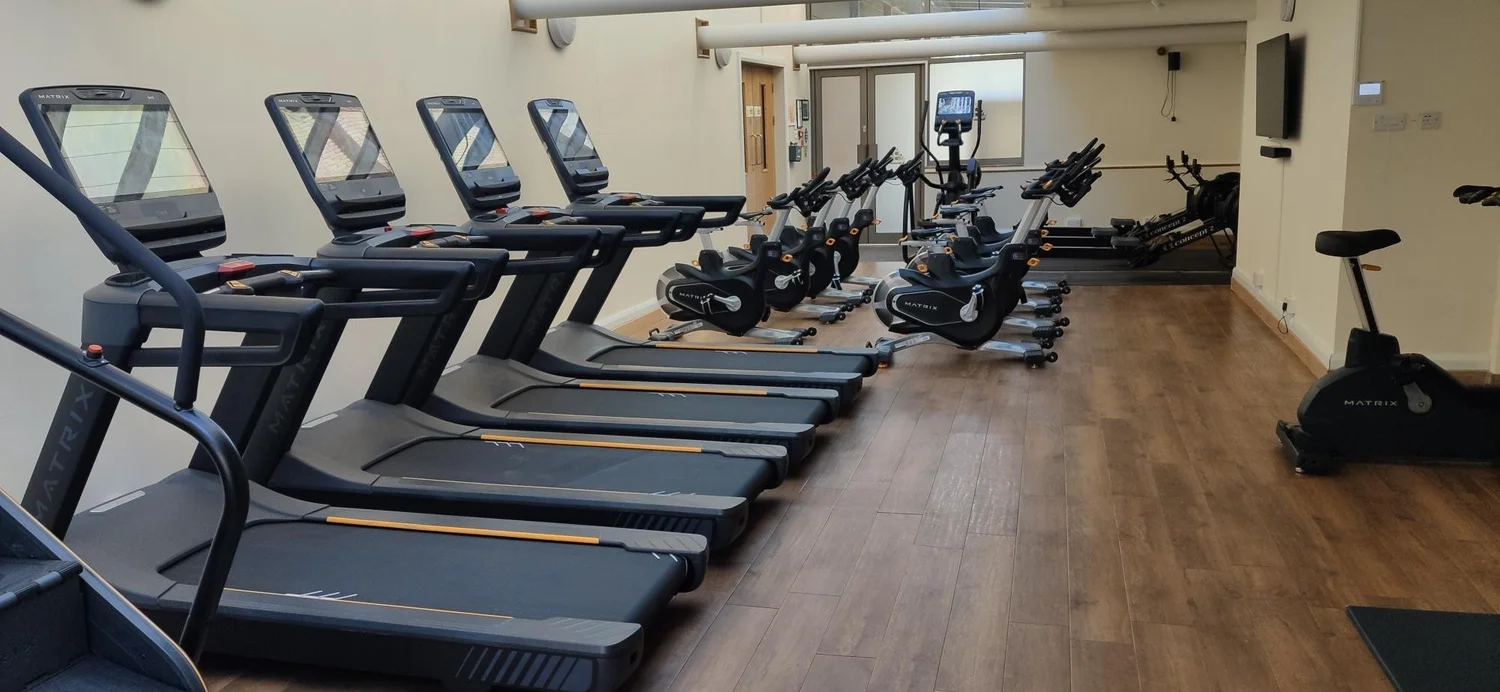
Credit: www.fithire.com
Choosing The Right Equipment For Your Gym
Choosing the right equipment for your gym shapes the entire workout experience. It affects member satisfaction and gym success. Equipment must match your gym’s goals and member preferences. Smart choices lead to better use of space and higher engagement.
Understanding what your members want helps in picking the perfect gear. Balance is key. Cardio and strength machines serve different needs. Planning space wisely ensures a smooth flow and safe environment.
Assessing Member Needs
Start by knowing who your members are. Collect data on age, fitness goals, and workout habits. Surveys and feedback forms work well. Watch which equipment gets frequent use. Notice any gaps in your current setup. Cater to beginners and advanced users alike.
Balancing Cardio And Strength Machines
Include a mix of cardio and strength equipment. Cardio options like treadmills and bikes improve endurance. Strength machines build muscle and tone the body. Offer equipment for different fitness levels. Ensure variety to keep workouts interesting.
Space Optimization Strategies
Use your space efficiently to fit more equipment and users. Arrange machines to allow easy movement. Group similar machines together to create zones. Leave enough room for stretching and free weights. Consider multi-functional equipment to save space.
Case Studies Of Successful Gym Equipment Leases
Exploring real-life examples reveals how leasing gym equipment can boost business success. These case studies show different gyms growing and upgrading their spaces. Each story highlights smart choices that helped gyms save money and improve client experience.
Small Gym Growth Through Leasing
A small gym in a busy town leased basic equipment to attract more members. Leasing allowed them to add treadmills, bikes, and weights without heavy upfront costs. Within six months, membership rose by 30%.
The gym owner said leasing helped manage cash flow better. They upgraded equipment every few years without large loans. This kept the gym fresh and competitive.
- Started with 5 leased machines
- Added more gear as membership grew
- Improved member satisfaction and retention
- Saved on maintenance and repair costs
Corporate Gym Upgrade Stories
A corporate office gym used leasing to modernize its fitness area. Employees gained access to new machines and better workout options. Leasing made it easier to budget for upgrades each year.
The company noticed higher gym usage and happier staff. The gym lease included service and replacement options, reducing downtime. This kept equipment in top shape and staff motivated.
| Benefit | Impact |
|---|---|
| Flexible payment plans | Fit corporate budget without strain |
| Regular equipment updates | Staff enjoyed latest fitness technology |
| Maintenance included | Less downtime, more workouts |
| Improved employee wellness | Boosted productivity and morale |

Credit: ardentfitness.com
Frequently Asked Questions
What Is Commercial Gym Equipment Leasing?
Commercial gym equipment leasing allows businesses to rent fitness machines. This option helps save upfront costs and maintain cash flow. Leasing provides access to the latest equipment without large investments. It’s ideal for startups and expanding gyms seeking flexibility.
How Does Gym Equipment Lease Benefit New Gyms?
Leasing gym equipment reduces initial expenses and preserves capital. New gyms can offer modern machines without large purchases. It also allows easier upgrades and maintenance support. This option minimizes financial risk and improves business growth potential.
Can I Upgrade Leased Gym Equipment Easily?
Yes, leasing contracts often include upgrade options. This keeps your gym updated with the latest fitness technology. Upgrading helps attract more clients and improves user satisfaction. Always review lease terms to understand upgrade policies.
Is Gym Equipment Lease Cost-effective Long Term?
Leasing can be cost-effective by spreading payments over time. It avoids large upfront costs and reduces maintenance expenses. However, ownership might be cheaper long term. Evaluate your business plan to decide the best option.
Conclusion
Leasing commercial gym equipment saves money and reduces upfront costs. It lets gyms update machines often without large purchases. Flexible lease terms fit different budgets and needs. Maintenance and repairs usually come with leasing agreements. This keeps equipment in good shape and gyms running smoothly.
Choosing the right lease helps businesses grow steadily and stay competitive. Overall, leasing offers a smart way to equip gyms without heavy expenses. It supports success and keeps fitness centers ready for any challenge.







