
Have you ever wondered what chimpanzees eat to stay strong and active? Understanding the chimpanzee diet can reveal surprising facts about their behavior and survival.
What you learn here might even change the way you think about your own eating habits. Keep reading to discover the foods that fuel one of our closest animal relatives and why their diet is more fascinating than you might expect.
Your curiosity is about to be rewarded.
Chimpanzee Diet Basics
Understanding the basics of a chimpanzee’s diet reveals how these intelligent animals thrive in the wild. Their eating habits offer valuable lessons about balance and adaptation in nature. You might be surprised at how diverse and flexible their food choices really are.
Natural Food Sources
Chimpanzees mainly eat fruits, which make up about half of their diet. They also enjoy leaves, flowers, and seeds, adding variety and nutrients. Occasionally, they hunt small animals like insects or monkeys, showing their opportunistic nature.
Think about your own diet—do you get enough variety to cover all your nutritional needs? Chimpanzees naturally balance their meals by selecting different foods available each season. This flexibility helps them stay healthy without processed options.
- Fruits: figs, bananas, and berries
- Leaves: young shoots and flowers
- Protein: termites, ants, and small mammals
Daily Eating Patterns
Chimpanzees don’t eat just once or twice a day; they snack frequently throughout daylight hours. Their meals are spread out, allowing energy to be used steadily rather than all at once. This pattern helps maintain focus and stamina during long days of socializing and foraging.
Have you noticed how eating smaller, frequent meals affects your own energy levels? Watching chimpanzees in action reminds you that timing and portion size matter just as much as what you eat.
They spend several hours each day searching for food, often traveling to find the best spots. Their eating habits are closely tied to their environment, which changes with the seasons, pushing them to adapt continuously.
Fruits And Vegetables
Fruits and vegetables make up a large part of a chimpanzee’s diet. These foods provide essential vitamins, minerals, and energy that keep chimps active and healthy. Watching chimpanzees select their meals gives you a clear picture of their natural preferences and nutritional needs.
Favorite Fruits
Chimpanzees love sweet and juicy fruits. They often choose:
- Figs
- Bananas
- Mangoes
- Oranges
These fruits offer quick energy, which is important for their active lifestyle. Have you ever noticed how chimps pick the ripest fruit first? This shows their keen sense of taste and nutrition.
Leafy Greens And Plants
Leafy greens are another key part of the chimp diet. They eat leaves, shoots, and flowers from various plants. These provide fiber and important nutrients that fruits alone can’t supply.
Chimpanzees also use leaves as tools to catch insects or to soak up water. This behavior highlights their intelligence and adaptability. What greens do you include in your own diet to stay healthy?
Protein Intake
Protein is a vital part of a chimpanzee’s diet. It helps build muscles and supports overall health. Chimpanzees get protein from different sources. They do not rely only on plants. Animals and insects are important too. These sources provide essential nutrients not found in fruits or leaves.
Insects And Small Animals
Chimpanzees eat a variety of insects. Termites and ants are common choices. They use sticks to fish termites out of mounds. Insects are rich in protein and easy to find. Small animals like birds and lizards also add protein. These animals are caught during foraging trips. Eating insects and small animals helps chimpanzees meet their protein needs.
Hunting Behavior
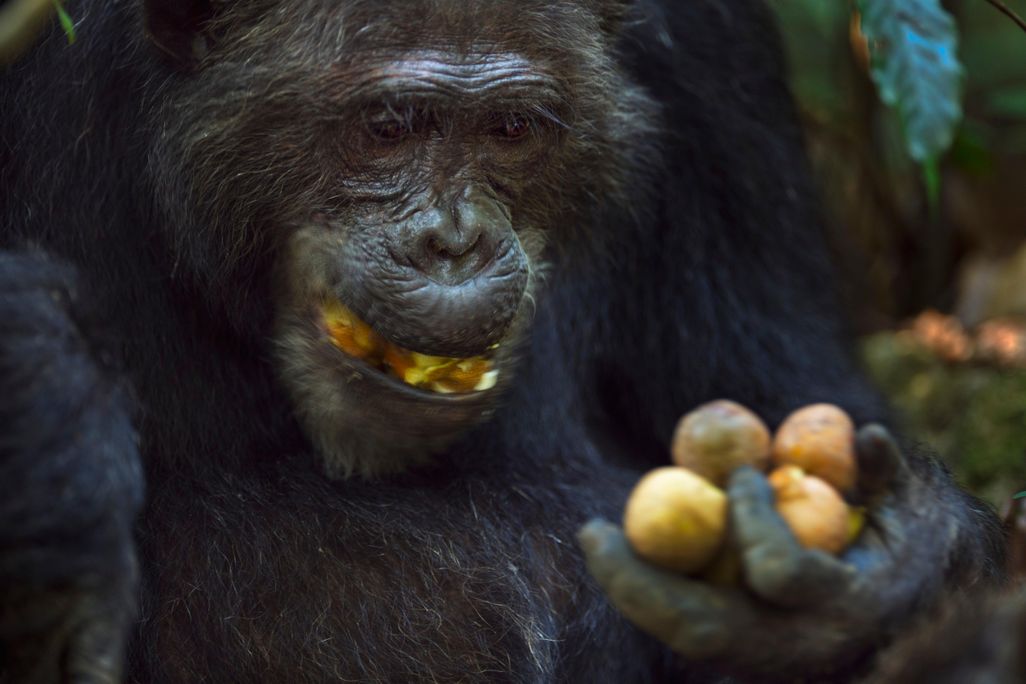
Chimpanzees hunt in groups. This teamwork increases hunting success. They often target monkeys such as red colobus. Hunts require strategy and patience. Some chimpanzees act as drivers, others as blockers. Hunting provides a large protein boost. The captured meat is shared among the group. This behavior shows their social bonds and cooperation.
Credit: www.smithsonianmag.com
Nutritional Benefits
Chimpanzees eat a variety of foods that provide important nutrients. Their diet includes fruits, leaves, seeds, and insects. These foods give them the energy and nutrients needed for daily activities. The nutritional benefits of their diet help chimpanzees stay strong and healthy in the wild.
Energy And Vitality
Fruits and seeds in the chimpanzee diet are rich in natural sugars. These sugars provide quick energy for climbing and moving around. Leaves offer fiber and slow-release energy, keeping them active longer. Protein from insects supports muscle repair and growth. This combination helps chimpanzees maintain high energy levels throughout the day.
Immune System Support
Many plants eaten by chimpanzees contain vitamins and antioxidants. These nutrients protect their bodies from illness. Vitamin C, found in fruits, strengthens the immune system. Antioxidants fight harmful molecules that can damage cells. A strong immune system helps chimpanzees recover from infections and stay healthy.
Seasonal Diet Changes
Chimpanzees change their diet as seasons shift. Their food choices depend on what nature offers at different times. These changes help them survive in diverse environments. Understanding their seasonal diet gives insight into their behavior and health.
Food Availability
Food types vary with seasons. Fruits may be abundant in one season but scarce in another. Leaves, seeds, and insects become alternatives. During dry seasons, some fruits disappear. In wet seasons, new plants grow quickly. This variety affects chimpanzee eating habits daily.
- Fruits peak in rainy seasons
- Leaves increase in dry seasons
- Insects and small animals fill gaps
Adaptation Strategies
Chimpanzees adapt by changing their diet and behavior. They spend more time searching for food in scarce times. Their jaws and teeth handle different food textures. They eat more leaves or insects when fruit is low. Social hunting may increase for protein sources. This flexibility ensures steady nutrition year-round.
Human Impact On Diet
Human actions have drastically changed the diet of chimpanzees. Their natural eating habits face serious threats. These changes affect their health and survival.
Habitat Loss Effects
Chimpanzees lose their homes due to deforestation and farming. They have less space to find food. Trees that provide fruits and leaves disappear. This forces chimps to travel farther. They spend more energy searching for food. Many face starvation or malnutrition. Habitat loss also increases contact with humans. This can lead to conflicts and hunting risks.
Changes In Food Sources
Food availability for chimpanzees declines with human activity. Traditional fruits, nuts, and insects become rare. Chimpanzees may eat crops from farms. This causes problems with farmers protecting their land. Sometimes chimps eat less healthy foods. This affects their growth and immune systems. Changes in diet can alter chimpanzee behavior and social patterns. It challenges their ability to adapt quickly.
Feeding In Captivity
Feeding chimpanzees in captivity requires careful attention to their natural dietary needs while adjusting to the limitations of a controlled environment. Their diet must be balanced to mimic what they would find in the wild, yet modified to prevent health issues common in captivity. Understanding these feeding practices helps ensure the well-being and longevity of these intelligent animals.
Dietary Adjustments
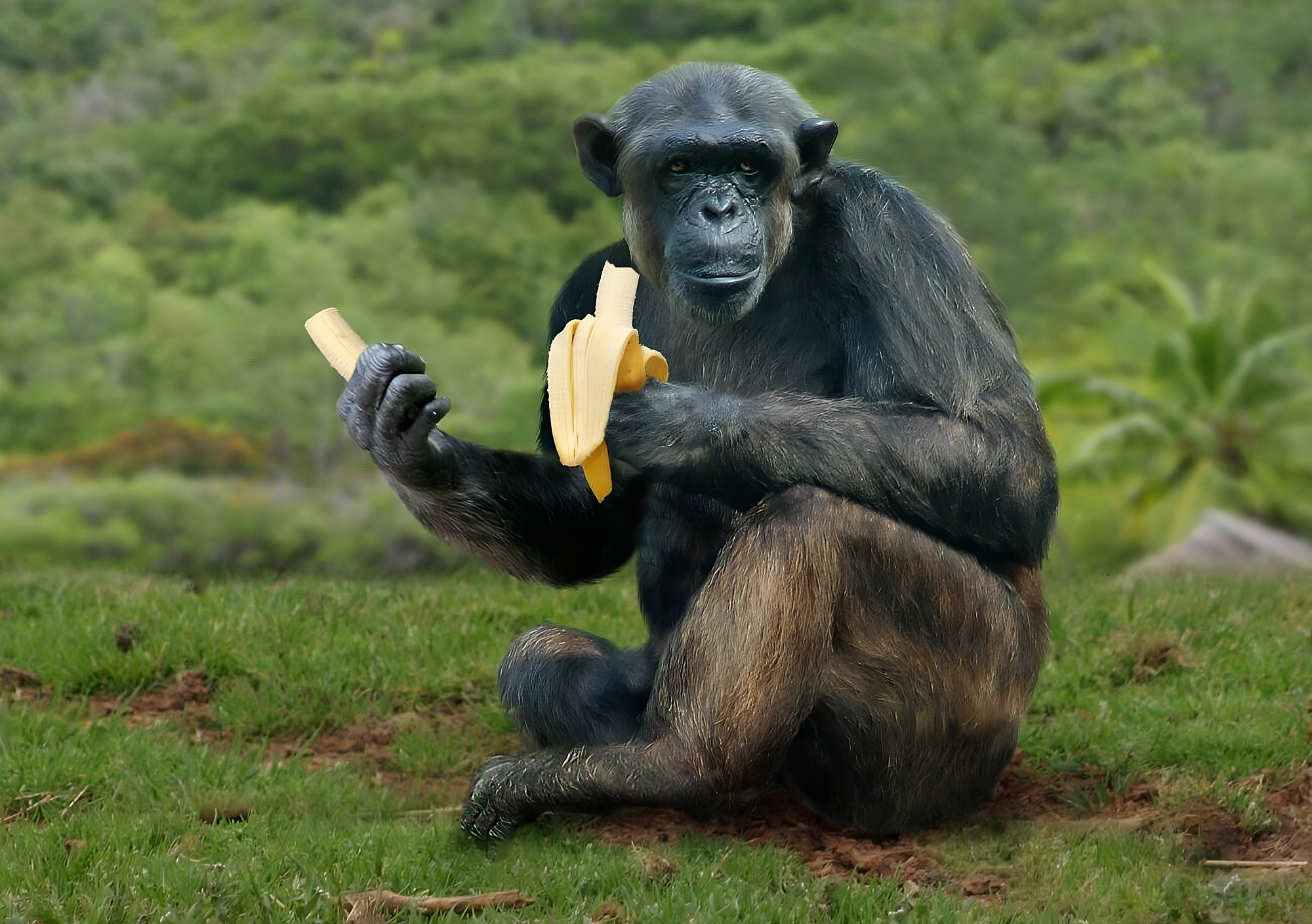
Chimpanzees eat a variety of fruits, vegetables, leaves, and occasional protein sources like insects in the wild. In captivity, you need to provide a similar variety but with controlled portions to avoid obesity. For example, adding leafy greens such as kale or spinach alongside fruits like apples and bananas keeps their diet rich and diverse.
It’s essential to limit sugary fruits and starchy foods since these can cause dental and digestive problems over time. Have you ever thought about how much a chimp’s diet in captivity changes their behavior? Offering enrichment through food puzzles or hidden treats encourages natural foraging skills and mental stimulation.
Health Monitoring
Regular health checks are crucial to catch dietary-related problems early. Caregivers monitor weight, dental health, and digestive function closely. For instance, a sudden drop in appetite might indicate an underlying illness or a dietary imbalance.
Tracking daily food intake and waste helps you adjust meals in real-time, ensuring nutrients meet each chimpanzee’s needs. Would you be surprised to learn that some chimpanzees develop food preferences that affect their overall health? Observing these preferences allows for personalized feeding plans that improve well-being.
Credit: fanciedfacts.medium.com
Credit: www.eurekalert.org
Frequently Asked Questions
What Do Chimpanzees Eat In The Wild?
Chimpanzees primarily consume fruits, leaves, and seeds. They also eat insects like termites and ants. Occasionally, they hunt small mammals, like monkeys, for protein. Their diet varies with season and availability of food sources.
Do Chimpanzees Eat Meat?
Yes, chimpanzees do eat meat occasionally. While their diet is mostly plant-based, they hunt small mammals. This includes monkeys and other small animals, providing essential protein. However, meat is not a staple in their diet.
How Much Fruit Do Chimpanzees Eat Daily?
Chimpanzees consume a significant amount of fruit daily, making up about half of their diet. They prefer ripe fruits and may travel long distances to find them. The exact amount varies based on availability and season.
Do Chimpanzees Eat The Same Food Year-round?
Chimpanzees’ diet changes with the seasons. They adapt to available resources, eating more fruits during fruiting seasons. During lean periods, they rely on leaves, seeds, and insects. This adaptability ensures their survival throughout the year.
Conclusion
Chimpanzees eat a variety of foods every day. Fruits, leaves, and insects make up most of their diet. They also hunt small animals sometimes. This diet helps them stay healthy and strong. Their eating habits show how smart they are.
Watching chimpanzees eat teaches us about nature. Their diet changes with the seasons and availability. Understanding what they eat helps protect their homes. It also helps scientists learn about animal behavior. The chimpanzee diet is simple but very important.







