
Unlocking the full potential of your chest muscles can be a game-changer for your fitness journey. Imagine looking in the mirror and seeing a powerful, defined chest that not only boosts your confidence but also enhances your overall physique.
If you’re tired of feeling stuck with your current routine or seeing little to no progress, you’re in the right place. This blog post will guide you through a chest workout routine tailored specifically for men, designed to deliver noticeable results.
Whether you’re a gym regular or just starting out, this routine will help you maximize your efforts and achieve the chest definition you’ve always wanted. Ready to transform your workout and see real change? Keep reading to discover how you can elevate your chest training to the next level.
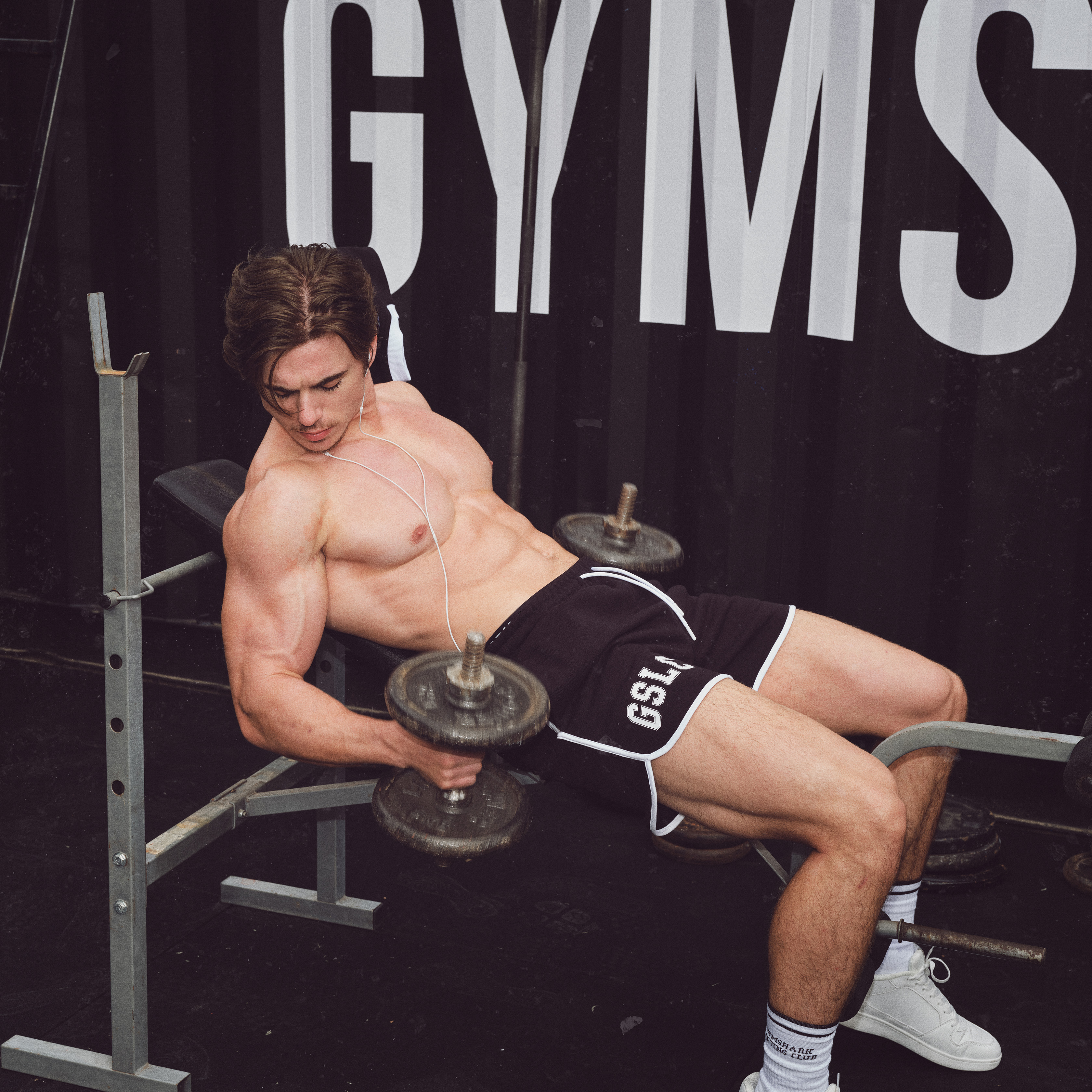
Credit: www.gymshark.com
Benefits Of Chest Workouts
Chest workouts offer many benefits beyond just building muscle. They play a key role in improving your overall strength and body shape. Regular chest training boosts physical performance and supports everyday activities. It also helps prevent injuries by strengthening the muscles around the shoulders and upper body.
Improved Upper Body Strength
Chest exercises develop the pectoral muscles, which are vital for pushing movements. Stronger chest muscles help you lift heavier weights and perform daily tasks more easily. This strength supports other upper body workouts, like shoulder presses and push-ups. Enhanced upper body power improves sports performance and physical endurance.
Enhanced Muscle Definition
Targeted chest workouts shape and tone the muscles, creating a defined look. Building muscle mass in the chest improves your overall physique and boosts confidence. This definition highlights your chest, shoulders, and arms, giving a balanced appearance. Consistent training reduces fat and increases muscle visibility.
Better Posture And Stability
Chest exercises strengthen muscles that support the spine and shoulders. Strong chest muscles help keep your shoulders back and reduce slouching. Improved posture reduces the risk of back pain and injuries. Stability in the upper body aids balance and coordination during movements.
Key Chest Muscles To Target
Building a strong chest requires targeting specific muscles. These muscles work together to give your chest shape and strength. Knowing each muscle helps design an effective workout routine. Focus on all parts to create balanced chest development.
Pectoralis Major
The pectoralis major is the largest chest muscle. It covers most of the chest area. This muscle helps in pushing movements like bench presses and push-ups. It has two parts: the upper (clavicular) and lower (sternal) sections. Training both parts gives a fuller chest look.
Pectoralis Minor
The pectoralis minor lies beneath the pectoralis major. It connects the ribs to the shoulder blade. This muscle stabilizes the shoulder and helps with arm movements. Strengthening it improves shoulder health and chest definition.
Serratus Anterior
The serratus anterior is located on the side of the chest. It looks like fingers wrapping around the ribs. This muscle helps move the shoulder blade forward and upward. Strong serratus muscles add detail and depth to the chest area.
Essential Chest Exercises
Building a well-defined chest requires focusing on exercises that target all areas of the pectoral muscles. Essential chest exercises not only help you add size but also improve strength and definition. Choosing the right movements can make a big difference in your workout results.
Barbell Bench Press
The barbell bench press is a classic chest builder that targets the middle and lower parts of your chest. It allows you to lift heavy weights, which is key for muscle growth. Make sure your form is solid—feet flat on the ground, back slightly arched, and controlled movement.
Have you noticed how increasing the bench press weight challenges your upper body strength? It’s a clear sign your chest muscles are adapting and growing.
Dumbbell Flyes
Dumbbell flyes stretch and contract your chest muscles through a wide range of motion. This helps improve muscle flexibility and adds definition to the outer chest. Use a moderate weight to keep control and avoid shoulder strain.
Try to feel the stretch at the bottom of the movement—this can help you activate those stubborn muscle fibers that don’t get worked during presses.
Push-ups Variations
Push-ups are a versatile, bodyweight exercise that you can do anywhere. Changing your hand placement or elevating your feet shifts the focus to different parts of your chest. For example, wide push-ups target the outer chest, while close-grip push-ups hit the inner chest and triceps.
Can you challenge yourself by adding weighted vests or performing explosive push-ups? These tweaks can boost your strength and endurance.
Cable Crossovers
Cable crossovers are great for isolating the chest muscles and emphasizing the squeeze at the peak of the movement. They allow constant tension throughout the exercise, which enhances muscle activation. Adjust the pulley height to target the upper, middle, or lower chest.
Focus on slow, controlled movements and pause at the contraction to maximize muscle engagement. Have you tried finishing your chest workout with cables to really burn out the muscle?
Designing Your Routine
Designing your chest workout routine is more than just picking random exercises and hoping for the best. It’s about crafting a plan that fits your goals, keeps your muscles challenged, and allows your body to recover properly. How you structure your routine can make all the difference between steady progress and hitting a plateau.
Choosing The Right Exercises
Focus on exercises that target different parts of your chest: upper, middle, and lower. A well-rounded routine might include flat bench presses for overall mass, incline presses to emphasize the upper chest, and dips or decline presses to hit the lower chest.
Don’t forget about dumbbell variations—they help correct muscle imbalances by forcing each side to work independently. How often do you switch exercises to keep your muscles guessing?
Setting Reps And Sets
Your rep and set scheme should align with your goals. If you want to build muscle size, aim for 8-12 reps per set with moderate to heavy weight. For strength gains, lower reps (4-6) with heavier weights work better, while higher reps (15-20) focus more on endurance.
Start with 3-4 sets per exercise to keep volume manageable and prevent burnout. Remember, quality beats quantity—better to do fewer reps with proper form than more with sloppy technique.
Incorporating Rest Periods
Rest between sets lets your muscles recover enough to perform well on the next set. For muscle growth, 60-90 seconds of rest is usually ideal. Shorter rests increase intensity and pump, while longer rests of 2-3 minutes benefit strength training by allowing more full recovery.
Pay attention to how your body feels during rest—do you feel ready to push hard again? Adjust rest times based on your energy and workout goals to get the most from each session.
Tips For Building Muscle Fast
Building muscle fast needs more than just lifting weights. It requires a smart plan and good habits. Focus on key tips that improve your chest workout and speed up muscle growth.
Progressive Overload
Muscles grow when stressed beyond their usual limits. Increase weight, reps, or sets gradually. Challenge your chest muscles with harder workouts over time. Avoid staying at the same level for too long. This keeps your muscles adapting and growing.
Proper Nutrition
Your body needs fuel to build muscle. Eat enough protein like chicken, fish, or beans. Protein helps repair and grow muscle fibers. Include healthy carbs and fats for energy and overall health. Drink plenty of water to stay hydrated during workouts.
Adequate Recovery
Muscles grow while resting, not during exercise. Give your chest muscles time to recover between workouts. Aim for at least 48 hours before training the same muscle again. Sleep well to support muscle repair and hormone balance. Avoid overtraining to prevent injury and burnout.

Credit: cruceroclick.com
Common Mistakes To Avoid
Many men make common mistakes during chest workouts. These errors can slow progress and increase injury risk. Avoiding these pitfalls helps build muscle safely and effectively. Pay attention to these important points to get the best results from your routine.
Neglecting Warm-up
Skipping warm-up can lead to muscle strains and poor performance. Warming up increases blood flow and prepares muscles for exercise. Spend at least 5 to 10 minutes on light cardio and dynamic stretches. This step reduces injury risk and improves workout quality.
Poor Form And Technique
Bad form limits muscle growth and causes pain. Common issues include flared elbows, uneven reps, and using momentum. Focus on controlled movements and proper posture. Use mirrors or ask for guidance to maintain correct form. Quality beats quantity every time.
Overtraining
Training chest too often or with too much intensity can backfire. Overtraining causes fatigue, soreness, and muscle breakdown. Muscles need time to recover and grow. Aim for 48 hours of rest between chest workouts. Balance training with rest for steady progress.
Sample Chest Workout Plan
Designing a chest workout plan can be straightforward if you match it to your current fitness level and goals. Whether you’re just starting out or aiming to push your limits, the right exercises and structure can make a big difference. Below are sample chest workout routines tailored for beginners, intermediates, and advanced lifters to help you build strength and muscle effectively.
Beginner Level
If you’re new to chest training, focus on mastering basic movements with proper form. Start with lighter weights and higher reps to build endurance and avoid injury.
- Push-Ups:3 sets of 12-15 reps
- Flat Dumbbell Press:3 sets of 10-12 reps
- Incline Dumbbell Press:3 sets of 10-12 reps
- Chest Fly (machine or dumbbells):3 sets of 12 reps
Take about 60-90 seconds rest between sets. Focus on controlled movements and feeling the chest muscles work.
Intermediate Level
Once you feel comfortable with basic exercises, it’s time to add variety and increase intensity. This will help break plateaus and stimulate growth.
- Barbell Bench Press:4 sets of 8-10 reps
- Incline Dumbbell Press:4 sets of 8-10 reps
- Cable Chest Fly:3 sets of 12-15 reps
- Dips (leaning forward):3 sets to failure
Shorten rest to 45-60 seconds to keep intensity high. Are you challenging your chest enough to feel that burn?
Advanced Level
At this stage, your workouts should be focused on maximizing muscle fatigue and volume. Adding techniques like drop sets or supersets can push your chest muscles further.
- Heavy Barbell Bench Press:5 sets of 5-6 reps
- Incline Barbell Press:4 sets of 6-8 reps
- Superset: Cable Fly + Push-Ups:3 rounds of 12 reps each
- Drop Set Dumbbell Fly:3 sets until failure
Rest no more than 60 seconds between supersets. Have you noticed how mixing these techniques hits your chest differently?

Credit: www.youtube.com
Frequently Asked Questions
What Are The Best Exercises For Chest Workout Routine?
The best exercises include bench press, push-ups, dumbbell flyes, and cable crossovers. These target all chest areas effectively.
How Often Should Men Train Their Chest Muscles?
Training chest muscles 2-3 times per week allows optimal growth and recovery. Avoid overtraining to prevent injury and fatigue.
Can Chest Workouts Help Improve Posture?
Yes, strengthening chest muscles supports upper body posture. Balanced workouts also improve shoulder stability and reduce slouching.
Should I Warm Up Before A Chest Workout?
Always warm up with light cardio and dynamic stretches. This prepares muscles, reduces injury risk, and enhances workout performance.
Conclusion
Building a strong chest takes time and effort. Stick to your workout routine and stay consistent. Focus on proper form to avoid injuries. Rest and good nutrition help muscles grow. Track your progress to see real results. Chest workouts improve strength and boost confidence.
Keep challenging yourself with new exercises. Enjoy the process and celebrate small wins. Your chest will become stronger and more defined. Stay patient and committed for lasting changes.







