
Are you ready to build a strong, sculpted chest that turns heads? Whether you’re new to the gym or looking to break through a plateau, the right chest exercises can make all the difference.
Imagine the confidence you’ll feel with a powerful chest that not only looks great but also boosts your overall strength. You’ll discover the best gym exercises designed to target your chest muscles effectively. Get ready to transform your workout and see real results—your dream chest is closer than you think.
Keep reading to unlock the secrets to a stronger, more defined upper body!
Benefits Of A Strong Chest
A strong chest offers many advantages beyond just a better look. It improves your body’s overall strength and helps with daily activities. Building chest muscles also supports good posture and reduces injury risks. Here are key benefits to understand.
Improved Upper Body Strength
Strong chest muscles boost your pushing power. This helps in exercises like push-ups and bench presses. It also makes tasks such as lifting boxes or pushing doors easier. Your arms and shoulders work better with a strong chest.
Better Posture And Stability
Chest muscles support your shoulders and spine. Strengthening them helps keep your chest up and back straight. Good posture lowers back and neck pain. It also makes you look confident and healthy.
Enhanced Athletic Performance
A solid chest improves performance in many sports. Activities like swimming, boxing, and climbing need strong chest muscles. They increase endurance and power for better results. This helps you stay active and injury-free.
Increased Metabolism And Fat Burning
Muscle mass raises your metabolism rate. A stronger chest means you burn more calories even at rest. This helps maintain a healthy weight. It supports fat loss and body shaping goals.
Boosted Confidence And Appearance
A well-built chest improves your physical look. It creates a balanced and strong physique. Feeling strong can raise your self-esteem. This positive change affects many parts of your life.
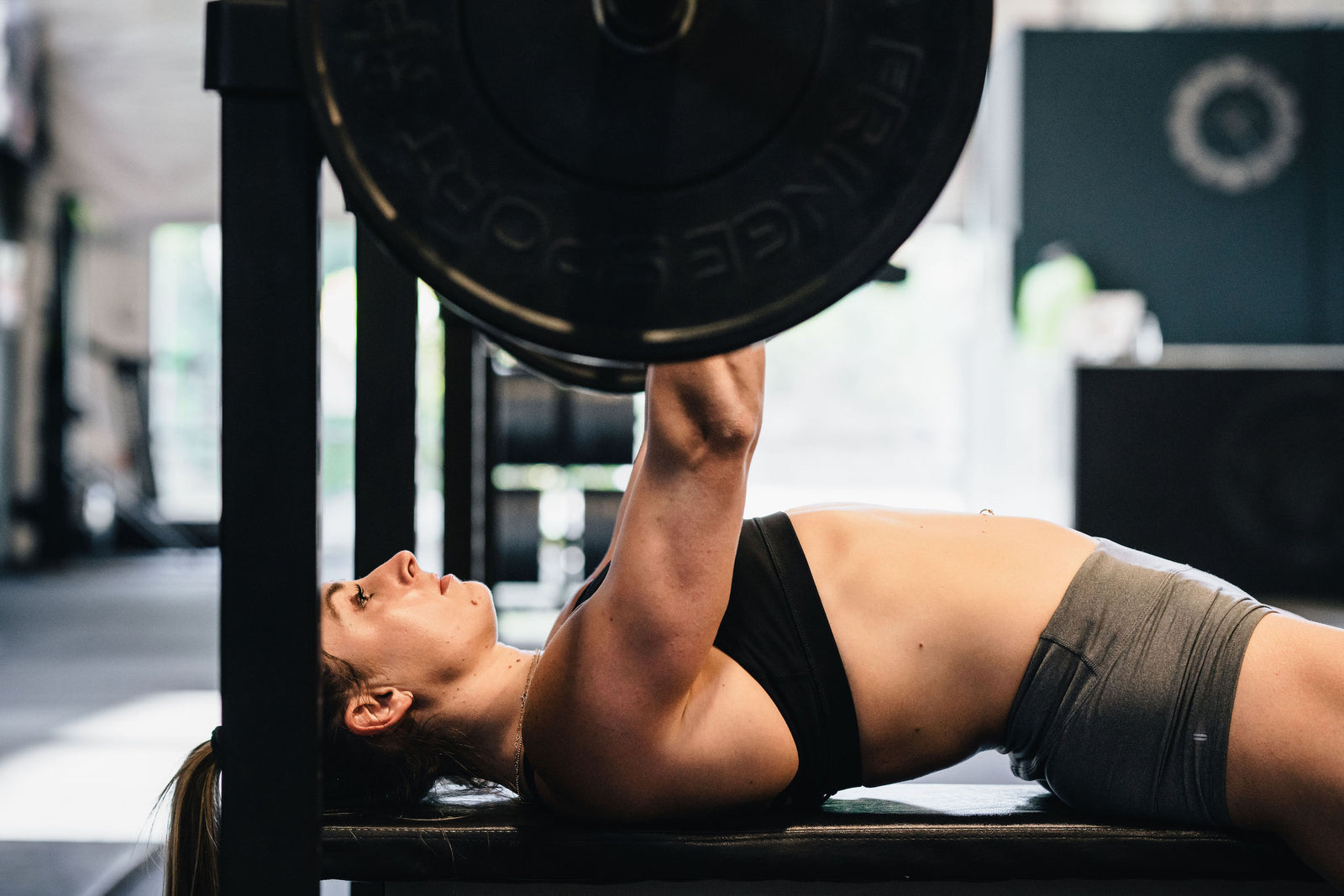
Credit: swolverine.com
Key Muscle Groups
Understanding the key muscle groups in chest exercises helps improve workout focus. Targeting these muscles effectively builds strength and shape. Each muscle plays a unique role in chest movement and aesthetics.
Pectoralis Major
The pectoralis major is the largest chest muscle. It covers the upper front of the chest. This muscle helps in pushing movements and arm rotation. Exercises like bench press and push-ups mainly work this muscle.
Pectoralis Minor
The pectoralis minor lies beneath the pectoralis major. It is smaller but important for shoulder stability. It moves the shoulder blade forward and down. Strengthening this muscle improves posture and chest definition.
Serratus Anterior
This muscle is located on the side of the chest. It helps move and stabilize the shoulder blade. The serratus anterior is visible when well-developed, creating a “ribbed” look. Exercises like push-ups and punches activate it.
Intercostal Muscles
Intercostal muscles are found between the ribs. They assist in breathing and chest expansion. Strengthening these muscles supports overall chest movement. They play a supportive role in chest workouts.
Essential Equipment
Building a strong chest requires more than just effort; it demands the right tools. Having the essential equipment can make your workouts more effective and help you target different parts of your chest. Let’s look at the key gear that can transform your chest training sessions.
Dumbbells
Dumbbells are a must-have for any chest workout. They allow you to perform a variety of exercises like chest presses and flyes, which target different muscle fibers.
Unlike machines, dumbbells require you to stabilize the weight, engaging more muscles. Have you noticed how your chest feels more activated when you switch from a barbell to dumbbells?
Barbell And Bench
A barbell paired with a sturdy bench is the classic setup for building chest strength. The barbell bench press lets you lift heavier weights, which is key for muscle growth.
Adjustable benches that incline or decline help you work the upper and lower chest. Can you feel the difference in muscle engagement when you change the bench angle?
Cable Machines
Cable machines add constant tension throughout the movement, perfect for isolation exercises. They allow you to perform chest flyes and crossovers with smooth resistance.
Using cables can improve your muscle definition and help correct imbalances. Have you tried cables to focus on that stubborn inner chest area?
Push-up Bars
Push-up bars might seem simple, but they can intensify your chest workout. They increase your range of motion and reduce wrist strain, making push-ups more effective.
Adding push-up bars to your routine can be a game-changer, especially if you train at home. How often do you include push-ups as a primary chest exercise?

Credit: www.youtube.com
Warm-up Routines
Warming up before chest exercises is not just a formality; it sets the tone for your entire workout. A good warm-up routine prepares your muscles, joints, and nervous system for the challenge ahead. It reduces the risk of injury and helps you push harder during your main sets.
Think about how your body feels when you skip warming up. Stiffness and lack of energy often follow, limiting your performance. Have you noticed how a few minutes of targeted warm-up can make your chest exercises feel smoother and more controlled?
Dynamic Stretching For Chest Activation
Start with dynamic stretches to get blood flowing to your chest muscles. Arm circles and chest openers are excellent choices. They gently stretch the muscle fibers and increase joint mobility without causing fatigue.
- Perform arm circles forward and backward, 10-15 times each.
- Use chest openers by clasping your hands behind your back and lifting gently.
- Keep movements controlled to avoid overstretching.
Lightweight Sets To Build Momentum
After dynamic stretching, use light weights to simulate your main exercises. This helps your muscles adapt to the movement pattern gradually. I found that starting with 50% of my usual working weight prevents sudden strain and primes my chest for heavier loads.
- Choose dumbbells or a barbell at half your working weight.
- Perform 2-3 sets of 10-15 reps focusing on form.
- Rest briefly between sets to maintain readiness without fatigue.
Incorporating Mobility Drills
Don’t overlook shoulder and thoracic spine mobility drills. These areas support chest movements and can limit your range if tight. Simple exercises like wall slides or scapular push-ups prepare your upper body to move freely.
- Try wall slides by pressing your arms against a wall and moving them up and down.
- Do scapular push-ups to engage the muscles around your shoulder blades.
- Spend 5 minutes on these drills to improve overall movement quality.
What changes do you notice in your chest workout when you take warming up seriously? Small adjustments in your warm-up can lead to big improvements in strength and endurance.
Barbell Exercises
Barbell exercises form the foundation of many chest workouts. They allow you to lift heavy weights safely and build strong chest muscles. Using a barbell helps target different parts of the chest by changing the bench angle. These movements improve muscle size, strength, and overall upper body power.
Bench Press Technique
The bench press is a classic barbell exercise for the chest. Lie flat on the bench with your feet on the floor. Grip the bar slightly wider than shoulder-width. Lower the bar slowly to your chest. Press the bar back up until your arms are straight. Keep your back flat and shoulders tight. Control the movement to avoid injuries.
Incline Bench Press
The incline bench press targets the upper chest and shoulders. Set the bench at a 30 to 45-degree angle. Use the same grip as the flat bench press. Lower the bar to the upper chest area. Push the bar up with steady force. This variation helps create a fuller chest shape. It also improves shoulder strength.
Decline Bench Press
The decline bench press focuses on the lower chest muscles. Position the bench with a downward angle of about 15 to 30 degrees. Grip the bar like the flat bench press. Lower it to your lower chest or upper abdomen. Press the bar back up fully. This exercise helps balance chest development. It often reduces stress on the shoulders.
Dumbbell Workouts
Dumbbell workouts are a great way to build chest strength and muscle. They allow for a natural range of motion and help balance muscle development. Using dumbbells also engages stabilizer muscles more than machines or barbells.
These exercises target different parts of the chest. You can focus on the upper, middle, or lower chest by adjusting the angle of the bench. Dumbbells also improve muscle symmetry since each arm works independently.
Flat Dumbbell Press
The flat dumbbell press targets the middle chest muscles. Lie flat on a bench with a dumbbell in each hand. Press the dumbbells up until your arms are straight. Lower them slowly back down. Keep your feet flat on the floor and your back pressed against the bench.
This exercise builds strength and size evenly across the chest. It also engages the shoulders and triceps for support.
Incline Dumbbell Flyes
Incline dumbbell flyes focus on the upper chest. Set the bench to a 30-45 degree angle. Hold the dumbbells above your chest with a slight bend in your elbows. Slowly open your arms wide, feeling a stretch in the chest. Bring the dumbbells back together above your chest.
This move stretches and works the upper chest muscles. It helps create a fuller, lifted look.
Decline Dumbbell Press
The decline dumbbell press targets the lower chest. Adjust the bench to a decline position. Hold dumbbells at chest level with palms facing forward. Press the weights up until your arms are straight. Lower them back down slowly to the start.
This exercise helps define the lower chest and adds thickness. It also reduces shoulder strain compared to flat presses.
Bodyweight Movements
Bodyweight movements are a powerful way to build chest strength without needing any equipment. They engage multiple muscles and improve your control and stability. You can challenge yourself progressively by changing the angle, speed, or range of motion.
Push-ups Variations
Push-ups are a classic chest exercise, but there’s more to them than the standard version. Changing your hand placement can target different parts of your chest.
- Wide Grip Push-Ups:Place your hands wider than shoulder-width to focus on the outer chest. This variation increases the stretch and activation of the pectoral muscles.
- Diamond Push-Ups:Form a diamond shape with your hands under your chest. This shifts the focus to the inner chest and triceps.
- Decline Push-Ups:Elevate your feet on a bench or step. This targets the upper chest more intensely.
Have you tried adding tempo to your push-ups? Slowing down the lowering phase increases muscle tension and growth potential. Try pausing for two seconds at the bottom before pushing up.
Dips For Chest Development
Dips are another excellent bodyweight movement that builds chest muscles effectively. Leaning your torso forward during dips shifts more effort onto the chest instead of the triceps.
- Chest-Focused Dips:Keep your elbows flared out and lean forward slightly. This increases the stretch and load on your chest muscles.
- Assisted Dips:Use resistance bands or an assisted dip machine if you’re new to this movement. It helps build strength gradually without risking injury.
I remember when I first added dips to my routine, my chest growth noticeably improved within weeks. Could this be the missing link in your workout? Try focusing on form rather than speed, and feel the difference in muscle engagement.
Cable And Machine Exercises
Cable and machine exercises offer a unique way to target your chest muscles with controlled tension and consistent resistance. They allow you to maintain form and focus on muscle contraction without worrying about balancing heavy free weights. These exercises can be especially helpful if you want to isolate your chest or reduce strain on your joints.
Cable Flyes
Cable flyes are excellent for sculpting your chest because they provide constant tension throughout the entire movement. Unlike dumbbell flyes, the cables keep pulling your muscles even at the peak contraction point. This makes every rep count and helps you feel the chest working deeply.
Try adjusting the pulley height to target different parts of your chest—higher pulleys hit the lower chest, while lower pulleys emphasize the upper chest. When I started adding cable flyes to my routine, I noticed better muscle definition and less elbow discomfort. Have you ever felt your chest burn more with cables than with traditional flyes?
Machine Presses
Machine presses are great if you want to build strength while keeping your form consistent. The guided path of the machine helps you avoid common mistakes like flaring your elbows too wide. This makes it easier to focus on pushing the chest muscles hard without worrying about balance or coordination.
One tip is to adjust the seat and handles properly so the machine aligns with your chest height. I found that small tweaks in setup made a big difference in how much I could push and how sore my chest felt afterward. How much control do you currently feel during your pressing movements?
Advanced Techniques
Advanced chest training techniques push your workouts beyond basic sets and reps. They challenge your muscles in new ways, helping you break through plateaus and build more strength and size. These techniques demand focus and effort but offer great rewards if you stay consistent.
Supersets And Drop Sets
Supersets combine two exercises back-to-back with little to no rest. For your chest, try pairing a flat bench press with push-ups. This keeps your muscles under tension longer and boosts endurance.
Drop sets take a weight to failure, then immediately reduce it and continue. Imagine pressing 100 lbs until you can’t, then dropping to 70 lbs without rest. This technique exhausts your chest fibers fully, promoting growth.
Both methods increase workout intensity without adding more time. Have you tried mixing these into your routine to see how your chest responds?
Pyramid Training
Pyramid training changes the weight and reps each set, either increasing or decreasing. You might start with light weights and high reps, then add weight and lower reps each set. This approach warms your muscles gradually and challenges them thoroughly.
Reverse pyramids flip the order—begin heavy with fewer reps, then lighten the load while increasing reps. This can help you lift heavier safely and push muscles to fatigue.
Experiment with pyramids and observe how your chest strength and size improve. What’s your favorite way to structure your pyramid sets?
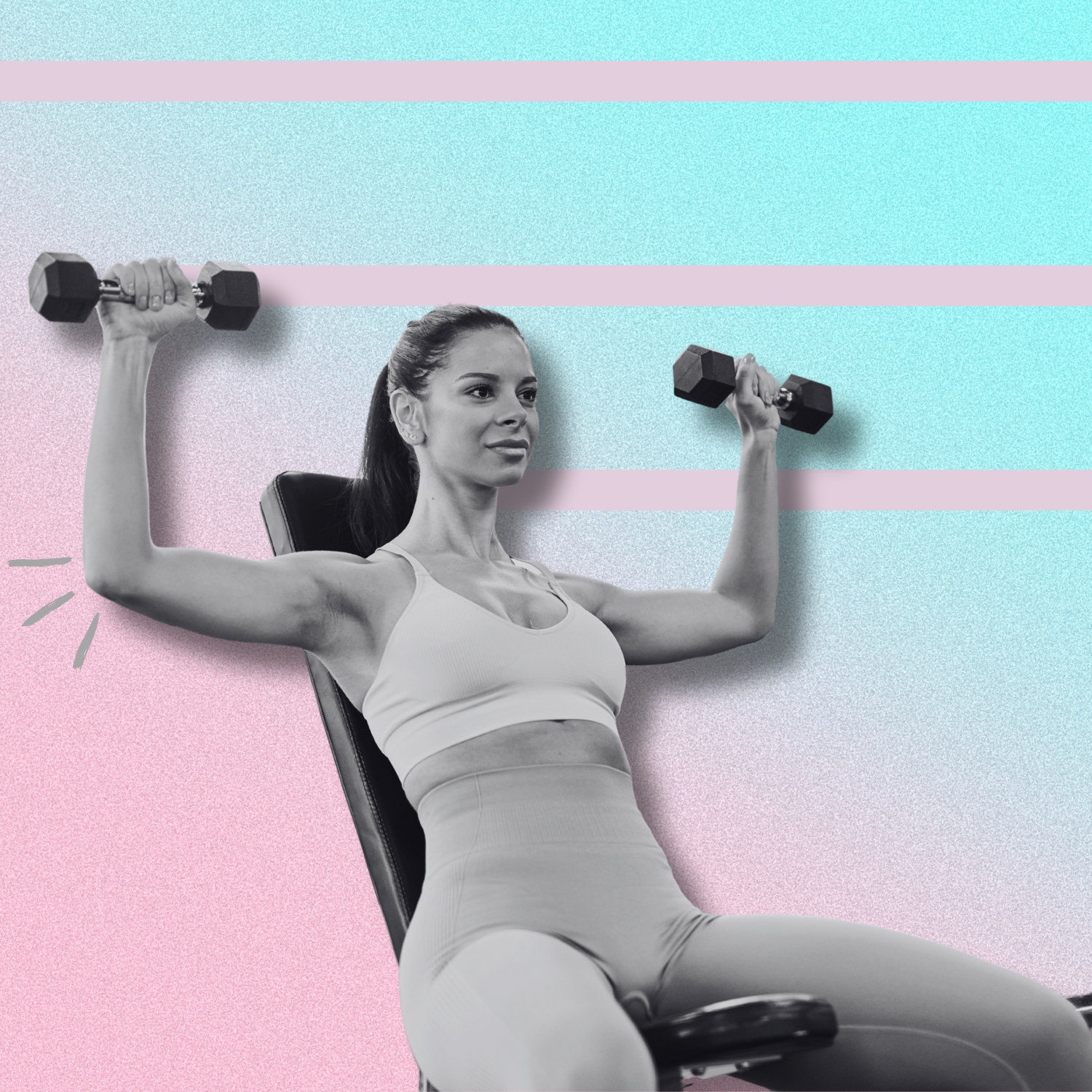
Credit: www.outsideonline.com
Recovery And Nutrition
Recovery and nutrition play a key role in building a strong chest. Without proper rest and fuel, muscles cannot grow or repair effectively. Paying attention to these areas helps you get better results from gym exercises.
Rest allows muscle fibers to heal after intense chest workouts. Nutrition provides the building blocks your body needs to build new muscle tissue. Both work together to improve strength and size.
Importance Of Rest For Chest Muscle Growth
Muscles need time to recover from training stress. Without enough rest, muscle breakdown can outpace repair. This slows progress and increases injury risk.
- Aim for 48 hours of rest between chest workouts
- Get 7 to 9 hours of sleep every night
- Include light activity on rest days to promote blood flow
Nutrition Tips To Support Chest Recovery
Your diet should support muscle repair and energy needs. Protein is essential for muscle tissue rebuilding.
- Consume lean proteins like chicken, fish, or tofu
- Include complex carbs for sustained energy
- Eat healthy fats for hormone balance
- Stay hydrated to help nutrient transport
Post-workout Meals For Maximum Muscle Repair
Eating soon after exercise helps replenish energy and repair muscles faster. Combine protein and carbohydrates in your post-workout meal.
| Food | Benefit |
|---|---|
| Grilled chicken breast | High-quality protein for muscle repair |
| Brown rice | Complex carbs to restore glycogen |
| Greek yogurt with berries | Protein and antioxidants for recovery |
| Banana with peanut butter | Quick carbs and healthy fats |
Common Mistakes To Avoid
A strong chest workout can make a big difference in your physique and strength. But sometimes, mistakes sneak in and hold back your progress without you realizing it. Avoiding common errors can help you get the most out of your chest gym exercises and keep you injury-free.
Not Using Proper Form
Using incorrect form is one of the biggest roadblocks to chest gains. When your technique slips, other muscles often take over, reducing the work your chest muscles get. Have you ever felt your shoulders or triceps burning more than your chest? That’s a sign your form needs adjustment.
Focus on controlled movements and keep your shoulders back and down. Avoid flaring your elbows too wide during presses; aim for about a 45-degree angle to protect your joints.
Overloading Weight Too Soon
Loading up the barbell or dumbbells with heavy weights might sound impressive, but it can backfire quickly. Rushing to lift heavy often sacrifices your form and increases injury risk. I’ve seen people bench press heavy only to struggle with muscle strain weeks later.
Start with manageable weights that allow you to complete all reps with good control. Gradually add weight as your strength and technique improve.
Neglecting The Full Range Of Motion
Partial reps or skipping the full range of motion limit muscle activation and growth. Are you lowering the bar all the way down during bench presses? Stopping halfway can reduce the stretch and contraction your chest muscles need.
Make sure you lower the weights until your chest feels a good stretch, then push up fully. This maximizes muscle engagement and leads to better results.
Ignoring Muscle Imbalances
Uneven development between your left and right chest is common but often overlooked. If one side is weaker, it can cause poor form and reduce overall strength. Do you notice one arm struggling more during presses or flys?
Try unilateral exercises like dumbbell presses or cable flys to target each side independently. This helps fix imbalances and builds balanced strength.
Skipping Warm-ups And Stretching
Jumping straight into heavy chest exercises without warming up is a recipe for injury. Warm muscles perform better and are less prone to strains. Stretching also improves flexibility and range of motion.
Spend 5-10 minutes warming up with light cardio and dynamic stretches. Adding some light sets before your main workout can prepare your chest muscles for the load ahead.
Tracking Progress
Tracking progress in chest gym exercises helps you see real improvements. It keeps you motivated and guides your workout choices. Without tracking, it’s hard to know if your efforts pay off. Small, steady gains add up to big changes over time.
Regular tracking shows which exercises work best for your chest muscles. It also helps spot plateaus early, so you can adjust your plan. Tracking progress makes your workouts smarter and more effective.
Using A Workout Journal
A workout journal records your exercises, sets, reps, and weights. Writing this down keeps your progress clear and organized. You can compare past workouts and spot trends easily.
Notes about how you feel or any challenges also help improve future sessions. A simple notebook or an app works well for this purpose.
Taking Progress Photos
Photos show visual changes in your chest muscles. Take pictures from the same angle and lighting every 2-4 weeks. This creates a clear timeline of your muscle growth.
Photos can reveal improvements that numbers alone might miss. They boost confidence and keep you focused on your goals.
Measuring Chest Size
Using a tape measure tracks the size of your chest muscles. Measure around the fullest part of your chest. Do this once a week or biweekly for best results.
Increased chest size indicates muscle growth. Combine this with strength gains for a full progress picture.
Tracking Strength Gains
Strength gains show muscle development alongside size. Note the amount of weight lifted and the number of reps completed. Increasing either means your chest muscles are getting stronger.
Tracking strength encourages gradual overload, essential for muscle growth. Aim to lift more weight or do more reps over time.
Frequently Asked Questions
What Are The Best Gym Exercises For Chest Muscles?
The best chest exercises include bench press, push-ups, dumbbell flyes, and cable crossovers. These target all chest areas effectively.
How Often Should I Train My Chest At The Gym?
Train your chest 2-3 times per week with 48 hours rest between sessions. This promotes muscle growth and recovery.
Can I Build Chest Muscle Without Heavy Weights?
Yes, bodyweight exercises like push-ups and dips build chest muscles. Progressive overload and proper form are key for growth.
Should I Focus On Upper, Middle, Or Lower Chest?
Focus on all three areas for balanced development. Use incline, flat, and decline bench presses to target each section.
Conclusion
Building a strong chest takes effort and the right exercises. Focus on form to avoid injury and get the best results. Mix different workouts to target all chest muscles well. Rest is just as important as training for muscle growth.
Keep your routine steady and track your progress each week. Enjoy the process and celebrate small improvements along the way. Consistency will help you reach your fitness goals over time. Stay patient and keep pushing forward.







