
Are you ready to build a stronger, more defined chest that turns heads? Whether you’re new to the gym or looking to break through a plateau, the right chest exercises can make all the difference.
Imagine pushing your limits and seeing real results in your strength and appearance. You’ll discover the most effective chest workouts designed to fit your routine and goals. Keep reading, because your best chest workout starts here—and it’s easier than you think.
Credit: swolverine.com
Chest Anatomy Basics
The chest is more than just a symbol of strength; it’s a complex group of muscles that plays a vital role in many upper body movements. Understanding the basics of chest anatomy can help you target these muscles more effectively during your gym workouts. This knowledge not only enhances your performance but also reduces the risk of injuries.
Major Chest Muscles
Your chest primarily consists of two major muscles: the pectoralis major and the pectoralis minor. The pectoralis major is the larger of the two, spanning across the upper chest and attaching to the shoulder. It’s divided into two parts: the clavicular head (upper chest) and the sternal head (lower chest). The pectoralis minor, located beneath the pectoralis major, plays a supporting role by stabilizing the shoulder blade.
Muscle Functions
The chest muscles are crucial for a range of movements. They help you perform actions like pushing, lifting, and rotating your arms. When you bench press, for example, the pectoralis major is the primary muscle at work. Ever notice how your chest feels after a set of push-ups? That burn is a sign of your chest muscles engaging to stabilize and push your body weight.
By understanding these muscles and their functions, you can tailor your workouts to develop strength and symmetry in your chest. Are you focusing enough on both the upper and lower parts of your chest in your routine? Balancing your exercises can lead to a more defined and powerful upper body.
Benefits Of Chest Training
Training your chest muscles isn’t just about looking good in a tank top. It plays a crucial role in building overall upper body strength, improving your posture, and boosting your confidence. Understanding the benefits of chest training can motivate you to push through those challenging sets and see real progress.
Improved Strength
Chest exercises like bench presses and push-ups target major muscle groups, helping you develop upper body strength. This strength doesn’t just stay in the gym—it improves everyday activities such as lifting, pushing, and carrying objects. When I started focusing on chest workouts, I noticed tasks like moving furniture became easier and less tiring.
Strong chest muscles also support your shoulders, reducing the risk of injury during physical activities. Have you ever felt your arms tire quickly during manual work? Building chest strength can change that experience.
Enhanced Aesthetics
A well-trained chest creates a fuller, more defined upper body shape. It can add noticeable width and depth to your torso, giving you a powerful and balanced look. This visual improvement often boosts self-esteem and encourages consistency in your workout routine.
Many people overlook how chest training affects the overall symmetry of the body. When your chest muscles develop evenly, your entire physique appears more harmonious, making your efforts in the gym more rewarding.
Posture Support
Chest training strengthens muscles that help keep your shoulders back and your spine aligned. This support combats the common problem of rounded shoulders caused by long hours of sitting or poor posture habits. After focusing on chest exercises, I found myself standing taller and feeling less back tension.
Good posture isn’t just about looks; it improves breathing and reduces fatigue. Are you aware of how much your posture affects your daily energy levels? Strengthening your chest can be a key part of maintaining better posture throughout the day.
Essential Chest Exercises
Building a strong chest requires focusing on exercises that target the muscle from various angles. Essential chest exercises help you develop strength, size, and definition effectively. Choosing the right movements can make a big difference in how your chest responds and grows.
Barbell Bench Press
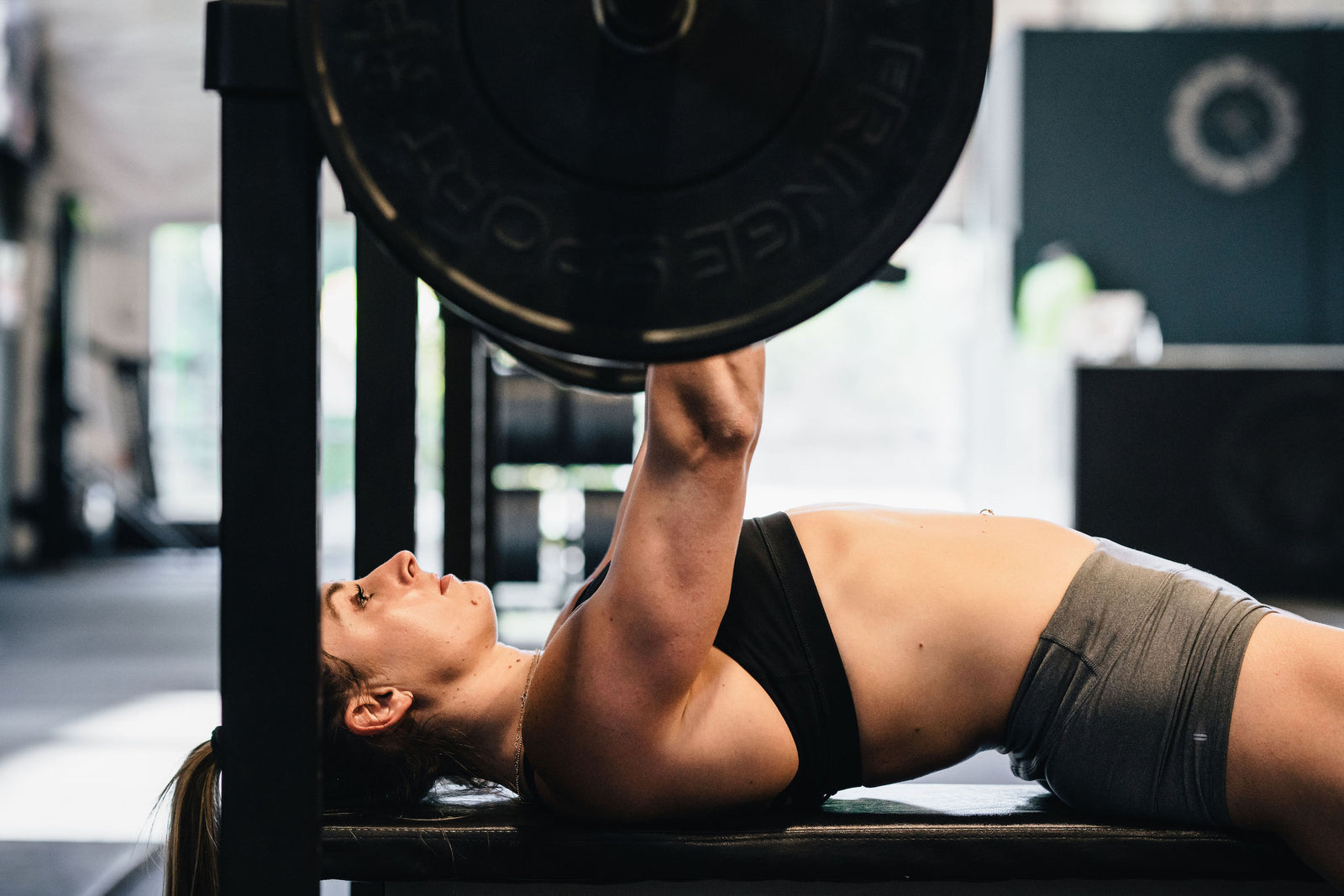
The barbell bench press is a staple for chest development. It allows you to lift heavy weights, which is key for building muscle mass. When you lie back on the bench and press the barbell upward, you engage not only your chest but also your shoulders and triceps.
Pay attention to your grip width; a wider grip targets the chest more, while a narrow grip shifts focus to the triceps. Have you noticed how controlling the bar on the way down helps you push harder on the way up? That tension is what fuels muscle growth.
Dumbbell Press Variations
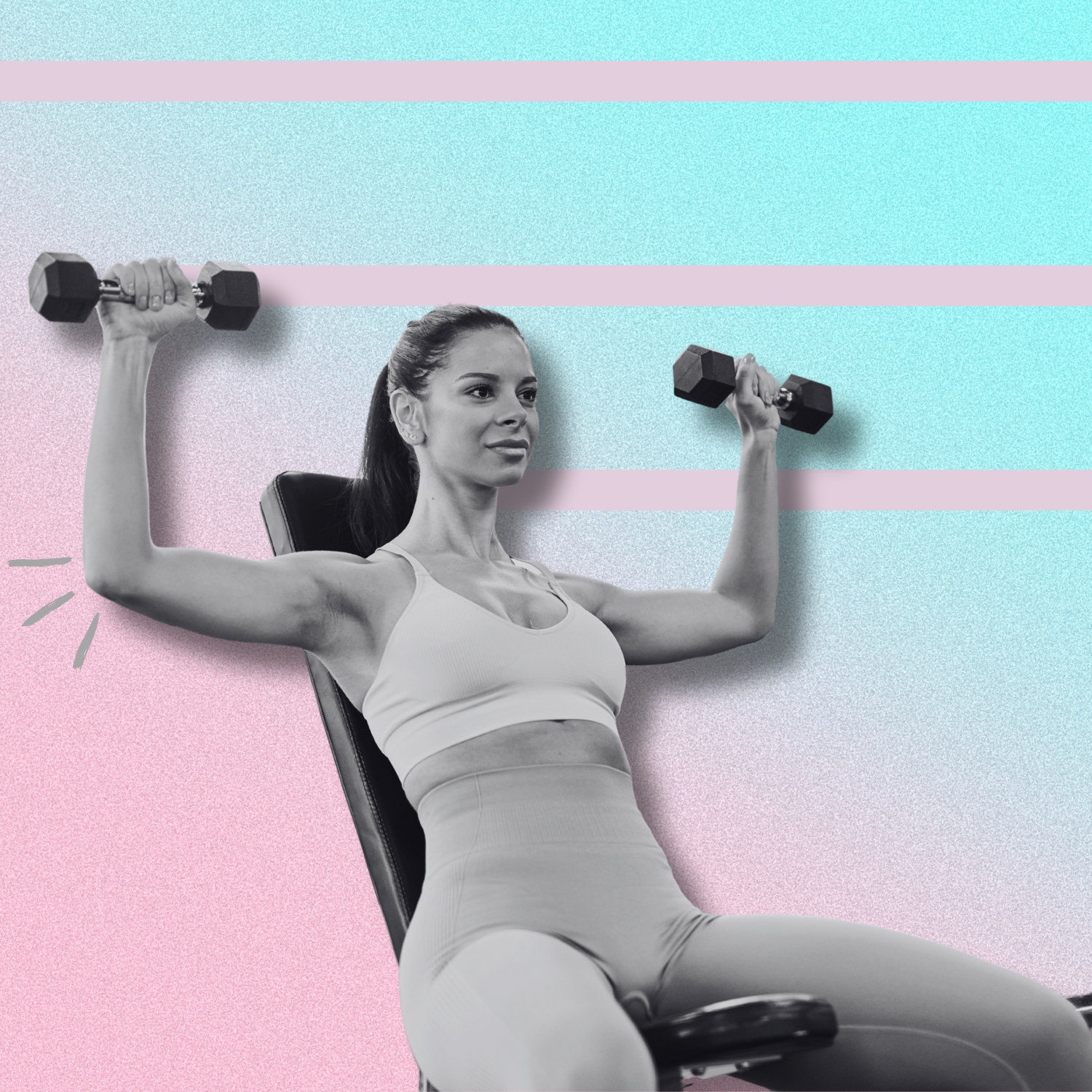
Dumbbell presses add variety and improve muscle balance because each arm works independently. You can try flat, incline, or decline dumbbell presses to hit different parts of your chest. Incline presses emphasize the upper chest, which many lifters overlook.
One surprising benefit I found was that dumbbells allow a greater range of motion than barbells. This helps stretch the muscle more at the bottom of the movement. Have you ever felt your chest burning more with dumbbells than with a barbell? That’s the added stretch working.
Push-up Variations
Push-ups are a versatile chest exercise you can do anywhere. Changing hand positions or elevating your feet can shift the focus within your chest muscles. For example, wide push-ups target the outer chest, while diamond push-ups hit the inner chest and triceps.
Adding a weighted vest or slowing down the movement increases the difficulty. Have you tried pausing at the bottom of a push-up? That little pause forces your chest muscles to hold tension longer, making the exercise more effective.
Isolation Movements
Isolation movements target specific muscles in the chest. They help build shape and detail. These exercises focus on the pectoral muscles without involving other body parts much. Isolation moves improve muscle control and mind-muscle connection. They are perfect for sculpting the chest and fixing muscle imbalances.
Cable Flyes
Cable flyes use cables to keep tension on the chest. The cables pull your arms from both sides. This constant tension helps fully activate the chest muscles. You can adjust the pulley height to target different chest areas. Keep a slight bend in your elbows and bring hands together in front of you. Controlled movement is key for best results.
Pec Deck Machine
The pec deck machine isolates the chest by guiding arm movement. Sit with your back against the pad and grip the handles. Push the handles inward, squeezing your chest muscles. This machine supports your arms and limits other muscles from helping. It’s easy to use and safe for beginners. Adjust the seat to fit your body size properly.
Dumbbell Flyes
Dumbbell flyes are a classic isolation exercise for the chest. Lie on a bench holding dumbbells above your chest with arms slightly bent. Slowly lower the weights out to the sides, feeling a stretch in the chest. Bring the dumbbells back up by squeezing the chest muscles. Use moderate weight and focus on slow, controlled movements. This builds muscle shape and strength.
Workout Plans For Strength
Building chest strength requires a clear plan. A good workout plan targets all parts of the chest. It improves muscle size and power. Plans vary by experience level. Each stage focuses on proper form and gradual progression. Consistency is key for gains. Safety must come first to avoid injuries.
Beginner Routines
Start with simple exercises. Focus on form and control. Use light weights to learn movements. Rest between sets helps muscles recover. Include these exercises:
- Push-ups
- Chest Press with Dumbbells
- Incline Dumbbell Press
- Chest Fly with Dumbbells
Do 3 sets of 8 to 12 reps. Train chest twice a week. Take 48 hours rest between sessions.
Intermediate Programs
Increase weight and volume gradually. Add more variety to target different chest areas. Include compound and isolation moves. Train muscles harder for growth. Sample exercises include:
- Barbell Bench Press
- Incline Barbell Press
- Cable Chest Flys
- Dips for Chest
Perform 4 sets of 8 to 10 reps. Train chest two to three times per week. Focus on controlled movements and steady progress.
Advanced Strategies
Use advanced techniques to break plateaus. Incorporate heavier weights and varied tempos. Mix strength and hypertrophy training. Include supersets and drop sets to increase intensity. Key exercises include:
- Weighted Dips
- Pause Bench Press
- Incline Dumbbell Flys with Slow Negatives
- Machine Chest Press with Drop Sets
Train chest three times per week. Focus on muscle fatigue and full range of motion. Track progress and adjust weights regularly.
Credit: www.outsideonline.com
Common Mistakes To Avoid
Focusing on chest exercises in the gym can bring great results, but certain mistakes can slow your progress or even cause injury. Avoiding these common pitfalls will help you build strength and size more effectively. Let’s look at some crucial errors you should watch out for during your chest workouts.
Poor Form
Using poor form is the fastest way to limit your gains and risk injury. When performing chest presses or flyes, keep your shoulders back and your chest up to target the muscles properly.
A common mistake is flaring your elbows too wide, which strains your shoulder joints. Instead, keep your elbows at about a 45-degree angle from your body.
Have you ever felt discomfort in your shoulders after a chest workout? That’s often a sign your form needs adjustment.
Overtraining
More isn’t always better. Training your chest every day or doing too many sets can lead to fatigue and stall muscle growth.
Your chest muscles need time to recover and grow stronger. Aim for 48 to 72 hours of rest between intense chest sessions.
Think about your last week’s workouts — did you give your muscles enough time to heal, or did you push them too hard?
Neglecting Warm-up
Skipping your warm-up can make your muscles stiff and increase the chance of injury. Even a few minutes of light cardio and dynamic stretches can prepare your chest muscles for lifting.
Start with lighter weights and gradually increase the load. This helps your muscles adjust and perform better under heavier resistance.
Have you noticed a difference in your workout quality after warming up properly? If not, try it next time and observe the change.
Recovery And Nutrition Tips
Recovery and nutrition play a crucial role in building a strong, defined chest. Without proper rest and fuel, your muscles won’t repair or grow as effectively. Paying attention to these factors can make a big difference in how quickly you see results from your chest workouts.
Rest Periods
Giving your chest muscles enough time to recover is essential. Aim for at least 48 hours of rest between intense chest sessions to allow muscle fibers to heal and grow stronger.
Shorter rest periods during workouts, like 30-60 seconds between sets, can increase workout intensity. However, longer rest of 2-3 minutes may be better if you’re lifting very heavy weights for strength gains.
Have you noticed how skipping rest days slows your progress? Listening to your body and balancing workout intensity with rest can prevent burnout and injury.
Protein Intake
Protein fuels muscle repair and growth, especially after chest exercises that cause tiny muscle tears. Aim to consume about 1.6 to 2.2 grams of protein per kilogram of your body weight daily.
Include protein sources like chicken, fish, eggs, beans, and dairy in your meals. A protein shake after your workout can be a quick and convenient option to boost recovery.
Think about your last meal—did it include enough protein to help your chest muscles rebuild? Adjust your diet to meet your workout demands for better gains.
Supplements For Growth
While whole foods should be your priority, some supplements can support chest muscle growth. Creatine, for example, helps increase strength and muscle volume by enhancing energy production during workouts.
Branched-Chain Amino Acids (BCAAs) may reduce muscle soreness and improve recovery times. Whey protein is another popular supplement that provides a fast-absorbing source of protein.
Are you relying too much on supplements instead of real food? Use supplements to complement your diet, not replace it, for the best results in your chest training.

Credit: www.goldsgym.com
Progress Tracking Methods
Tracking progress is key to improving chest exercises in the gym. It helps you see what works and where to improve. Without tracking, workouts can become less effective over time. Simple methods make it easier to stay motivated and reach goals faster.
Recording Workouts
Write down every workout detail. Include exercises, sets, reps, and weights used. Use a notebook or a fitness app. This record helps you spot patterns and avoid repeating the same routine. Tracking also shows if you increase weights or reps over time.
Measuring Strength Gains
Check strength improvements regularly. Test your max weight for chest presses or push-ups every few weeks. Notice how many reps you can do at a certain weight. Strength gains mean your muscles are growing and your plan is working.
Adjusting Plans
Change your workout based on your progress. If you stop improving, try different exercises or increase intensity. Adjust sets and reps to challenge your chest muscles. Small changes keep your workouts effective and prevent plateaus.
Frequently Asked Questions
What Are The Best Chest Exercises In The Gym?
The best chest exercises include bench press, dumbbell flyes, push-ups, and cable crossovers. These target all chest muscles effectively.
How Often Should I Train Chest Muscles Weekly?
Training chest muscles 2-3 times per week allows optimal muscle growth and recovery. Avoid overtraining to prevent injuries.
Can Chest Workouts Improve Upper Body Strength?
Yes, chest workouts strengthen the pectoral muscles, shoulders, and triceps. This enhances overall upper body strength and stability.
What Equipment Is Ideal For Chest Exercises In Gym?
Key equipment includes barbells, dumbbells, cable machines, and benches. These tools help perform diverse, effective chest workouts.
Conclusion
Building a strong chest takes time and effort. Choose exercises that work different chest muscles. Keep your form correct to avoid injuries. Start with lighter weights and increase slowly. Rest days help your muscles grow and recover. Consistency is key to seeing real progress.
Enjoy the process and stay patient. Your chest will get stronger with each workout. Keep pushing yourself, but listen to your body. Small steps lead to big changes in fitness.







