
Are you ready to build a stronger, more defined chest? Whether you’re new to the gym or looking to improve your current workout, the right chest exercises can make all the difference.
Your chest muscles not only shape your upper body but also boost your overall strength and confidence. You’ll discover simple yet effective moves that target your chest, helping you see real results faster. Keep reading, and you’ll learn how to maximize every gym session to sculpt the chest you’ve been aiming for.
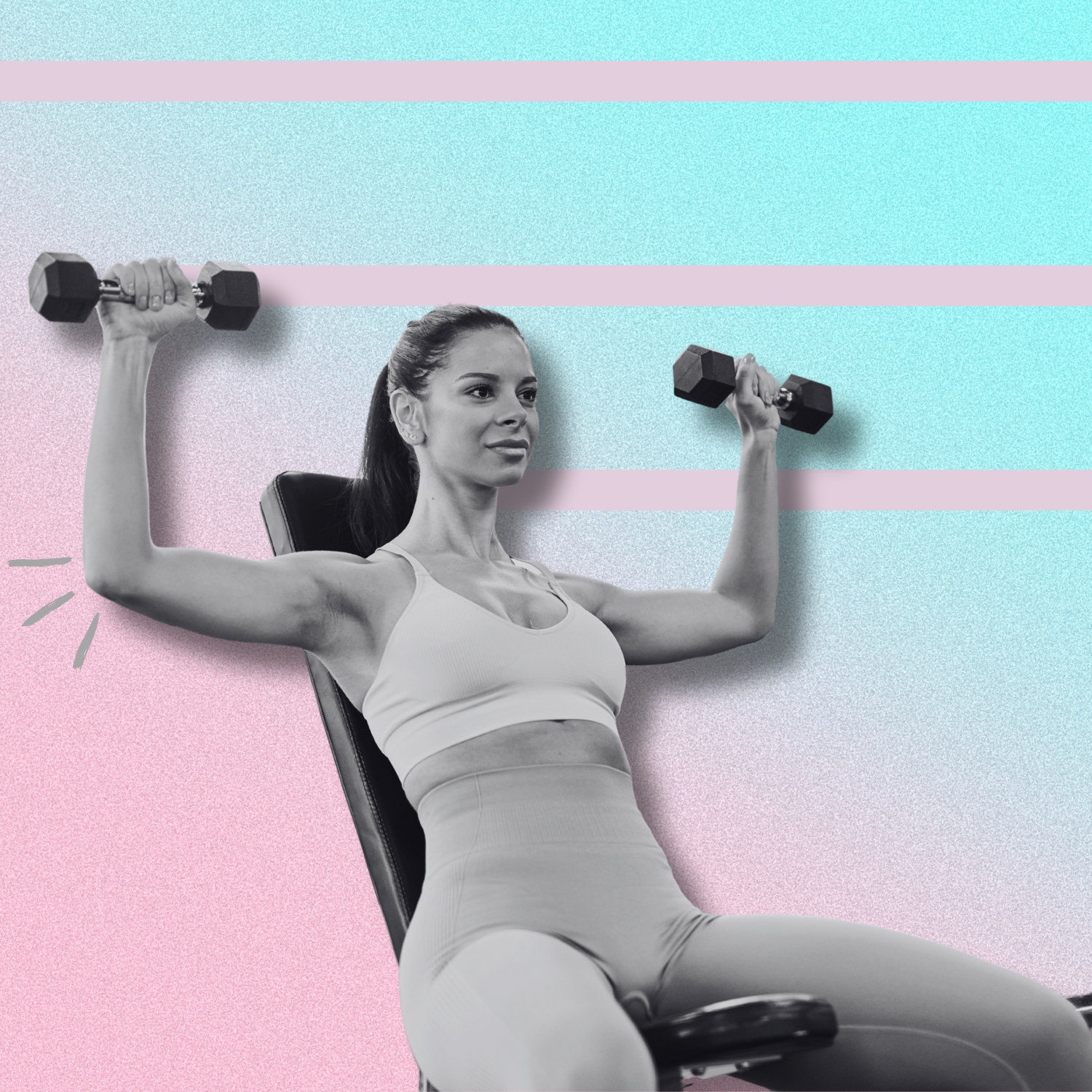
Credit: www.outsideonline.com
Benefits Of Chest Workouts
Chest workouts offer more than just a sculpted look. They play a crucial role in enhancing your overall fitness and daily functionality. Understanding the specific benefits can help you stay motivated and train smarter.
Improving Upper Body Strength
Strong chest muscles support many pushing movements, both in the gym and everyday life. Exercises like bench presses and push-ups engage your pectoral muscles, shoulders, and triceps together. This combined effort builds a solid foundation for lifting, pushing, and carrying tasks.
Have you noticed how easier it gets to open heavy doors or lift groceries after consistent chest training? That’s your upper body strength improving, making daily activities less tiring and more efficient.
Enhancing Muscle Definition
Chest workouts target the pectoral muscles to help shape and define your upper body. Consistent training with proper form and progressive overload creates visible muscle contours. This not only boosts your confidence but also complements your overall physique.
Pay attention to how your chest feels tighter and looks more toned after a few weeks of focused workouts. That sense of progress can push you to keep improving your routine.
Boosting Athletic Performance
Strong chest muscles contribute to better performance in many sports and physical activities. Whether you’re throwing a ball, swimming, or grappling, chest strength enhances power and stability. This makes your movements quicker and more controlled.
Think about the last time you felt explosive during a sprint or a jump—chest strength plays a part in that energy transfer. Are your workouts helping you reach new personal bests in your sport or activity?

Credit: allmaxnutrition.com
Essential Chest Exercises
Building a strong chest isn’t just about lifting heavy weights. It’s about choosing the right exercises that target different parts of your chest muscle for balanced growth and strength. These essential chest exercises form the foundation of any effective chest workout at the gym.
Barbell Bench Press
The barbell bench press is a classic that targets your entire chest, shoulders, and triceps. When I first added this to my routine, I noticed my overall upper body strength improve quickly. Focus on controlled movements and proper form to avoid injury and maximize muscle activation.
Try varying your grip width to hit different muscle fibers in your chest. A wider grip emphasizes the outer chest, while a narrower grip shifts more work to your triceps.
Dumbbell Flyes
Dumbbell flyes isolate the chest muscles by stretching and contracting them through a wide range of motion. This exercise helped me fix muscle imbalances because each side works independently. Keep a slight bend in your elbows and avoid letting the weights drop too low to protect your shoulders.
Flyes are great for adding definition and improving your chest’s shape. Have you noticed how stretching the muscle under tension feels different from pressing movements?
Incline Dumbbell Press
The incline dumbbell press targets the upper chest, an area often neglected but key for a full, rounded chest appearance. Switching to dumbbells allows for a deeper stretch and greater muscle activation compared to a barbell. Adjust the bench to about 30-45 degrees to avoid shifting too much focus to your shoulders.
This exercise helped me break through a plateau by focusing on an area that was lagging behind. What part of your chest do you feel needs the most work?
Cable Crossovers
Cable crossovers keep constant tension on your chest muscles throughout the movement. They’re perfect for finishing your workout and sculpting your chest’s inner line. I like to experiment with different angles—high-to-low, low-to-high—to target various parts of the chest.
Using cables also allows you to control the resistance more precisely. Could adding cables to your routine help you focus on muscle control and definition?
Advanced Chest Training Techniques
Advanced chest training techniques push your muscles beyond normal limits. They increase strength and size faster than standard workouts. These methods add variety and intensity to your gym routine. Use them carefully to avoid injury and promote muscle growth.
Drop Sets
Drop sets involve performing an exercise to muscle fatigue. Then, immediately reduce the weight and continue the set. This method extends the workout without resting. It helps break through strength plateaus by exhausting muscle fibers fully.
- Start with a heavy weight for 8-12 reps.
- Lower the weight by 20-30% after failure.
- Continue reps until failure again.
- Repeat drops 2-3 times for best results.
Supersets
Supersets combine two exercises without rest in between. This technique increases workout density and intensity. It saves time and keeps the chest muscles under constant tension. Choose exercises that target different chest areas or opposing muscles.
- Perform a set of bench presses.
- Immediately do a set of push-ups or flyes.
- Rest briefly, then repeat the sequence.
- Complete 3-4 supersets per workout.
Pyramid Sets
Pyramid sets gradually increase or decrease weight over multiple sets. This approach challenges muscles with varying loads. It improves both strength and endurance in the chest muscles. Start light, increase weight, then reduce it back down.
| Set | Weight | Reps |
|---|---|---|
| 1 | Light | 12-15 |
| 2 | Moderate | 8-10 |
| 3 | Heavy | 4-6 |
| 4 | Moderate | 8-10 |
| 5 | Light | 12-15 |

Credit: www.goldsgym.com
Proper Form And Safety Tips
Proper form and safety are key for effective chest workouts. Using correct techniques helps you target the muscles better. It also reduces the risk of injury. Paying attention to your body and movements keeps workouts safe and productive.
Correct Bench Press Technique
Lie flat on the bench with feet firmly on the ground. Grip the bar slightly wider than shoulder width. Lower the bar slowly to your chest. Keep your elbows at about a 45-degree angle. Press the bar straight up without locking your elbows. Maintain a tight core and avoid arching your back. Controlled movement is better than speed or heavy weight.
Avoiding Common Injuries
- Do not bounce the bar off your chest.
- Avoid flaring your elbows out too wide.
- Use a spotter for heavy lifts.
- Keep wrists straight to prevent strain.
- Stop immediately if you feel sharp pain.
- Gradually increase weights to build strength safely.
Warming Up Effectively
Start with light cardio to boost blood flow. Perform dynamic stretches for the chest and shoulders. Use lighter weights to practice the bench press motion. Warm muscles improve performance and lower injury risk. Spend at least 5-10 minutes warming up before heavy sets.
Designing Your Chest Workout Routine
Designing your chest workout routine is key for building a strong, balanced upper body. A well-planned routine targets all parts of the chest and helps avoid plateaus. It also supports overall muscle health and growth.
Focus on how often you train, the total work done, and how to safely increase challenge over time. Balance is important to prevent injuries and keep progress steady. Smart strategies help your muscles grow and get stronger.
Frequency And Volume
Train your chest 2 to 3 times per week for best results. This frequency allows enough recovery while keeping muscles active. Volume means the total sets and reps done in a week. Aim for 12 to 20 sets weekly, split across workouts.
Mix different exercises to hit all chest areas. Include pressing, fly movements, and variations on incline and flat benches. Keep rest days between sessions to let muscles repair.
Balancing Chest With Other Muscle Groups
Work your chest along with back, shoulders, and arms. Balanced training avoids muscle imbalances that cause pain and posture issues. For example, pair chest exercises with back movements to maintain shoulder health.
Include pulling exercises like rows or pull-ups to counteract pressing motions. A balanced routine supports joint stability and overall strength.
Progressive Overload Strategies
Progressive overload means gradually increasing the workout challenge. This forces muscles to adapt and grow stronger. Ways to do this include:
- Adding more weight
- Increasing reps or sets
- Reducing rest time between sets
- Using slower, controlled movements
Track your progress to avoid plateaus. Small, steady increases work best for long-term gains and injury prevention.
Nutrition For Chest Muscle Growth
Nutrition plays a key role in building bigger and stronger chest muscles. The food you eat fuels your workouts and helps repair muscle tissue. Proper nutrition supports muscle growth and improves recovery after chest exercises. Focus on balanced meals with the right nutrients to see steady progress in your chest strength and size.
Protein Intake Recommendations
Protein is essential for muscle repair and growth. Aim to consume 1.2 to 2 grams of protein per kilogram of body weight daily. Spread protein intake evenly across meals to maximize muscle synthesis. Good protein sources include:
- Chicken breast
- Eggs
- Fish
- Tofu
- Greek yogurt
- Legumes
Supplements That Support Strength
Supplements can complement your diet and enhance chest muscle gains. Creatine helps increase strength and power during workouts. Whey protein powder offers a quick and easy way to boost daily protein intake. Branched-chain amino acids (BCAAs) may reduce muscle soreness and improve recovery. Use supplements wisely, not as meal replacements.
Hydration And Recovery
Water is vital for muscle function and recovery. Dehydration lowers strength and delays healing. Drink water before, during, and after workouts. Proper hydration helps transport nutrients to muscles and removes waste. Rest and sleep also support muscle repair and growth. Combine good hydration with enough rest for the best results.
Frequently Asked Questions
What Are The Best Chest Exercises At The Gym?
The best chest exercises include bench press, dumbbell flyes, push-ups, and cable crossovers. These target all chest muscles effectively. They build strength, size, and definition when done with proper form and progressive overload.
How Often Should I Train My Chest Muscles?
Train your chest 2 to 3 times per week with 48 hours rest in between. This frequency allows muscle recovery and growth. Avoid overtraining to prevent injury and maximize results.
Which Equipment Is Best For Chest Workouts?
Free weights like dumbbells and barbells are best for chest workouts. Machines and cables help isolate muscles and add variety. Combining both enhances strength and muscle development.
Can Chest Exercises Improve Posture?
Yes, chest exercises strengthen the pectoral muscles, supporting shoulder alignment. Strong chest muscles balance upper body strength, reducing rounded shoulders and improving posture.
Conclusion
Achieving a strong chest takes dedication and the right exercises. Consistency is key. Regular gym visits can enhance your chest workout routine. Each exercise targets different chest muscles. This variety ensures balanced muscle growth. Always focus on proper form to prevent injuries.
Consider consulting a trainer for personalized advice. Combining these exercises with a healthy diet boosts results. Remember, progress takes time. Patience and persistence lead to success. Keep pushing your limits, and enjoy the journey to a stronger chest. Your efforts will pay off with visible gains.
Stay motivated and committed to your fitness goals.







