
Are you ready to build a stronger, more defined chest that turns heads at the gym? Whether you’re a beginner or someone looking to break through a plateau, the right chest exercises can make all the difference.
Your chest muscles not only shape your upper body but also boost your overall strength and confidence. You’ll discover simple yet effective moves that target your chest, help you avoid common mistakes, and maximize your results. Keep reading, and get ready to take your workout to the next level!
Benefits Of Chest Training
Chest exercises in the gym build strength and improve posture. They also enhance upper body shape and boost overall fitness. Regular training helps increase muscle tone and endurance.
Training your chest in the gym is more than just about achieving a sculpted physique; it offers a plethora of benefits that enhance your overall fitness journey. Whether you’re a beginner or a seasoned athlete, incorporating chest exercises into your workout routine can elevate your strength, improve posture, and boost your confidence. Let’s dive into the specific advantages of focusing on chest training.Improved Upper Body Strength
Building a strong chest directly contributes to the power and functionality of your upper body. Exercises like bench presses and push-ups target the pectoral muscles, which play a pivotal role in pushing movements. As you develop these muscles, everyday activities like lifting groceries or playing sports become easier and more efficient.Enhanced Muscle Definition
Who doesn’t love a well-defined chest? Chest exercises help in toning and shaping the muscles, giving you that desired sculpted look. Regular workouts lead to increased muscle growth, which not only looks great but also supports your body in various physical tasks.Better Posture
Chest training can significantly improve your posture by balancing the muscles in your upper body. Strengthening your chest muscles helps counteract the effects of poor posture, which is often caused by prolonged sitting and slouching. You’ll stand taller and feel more confident with a strong and stable core.Increased Confidence
A strong, well-defined chest can boost your self-esteem and confidence. When you notice progress in your training, such as lifting heavier weights or seeing muscle growth, it translates into a positive self-image. How does feeling strong and capable impact your daily life?Functional Fitness
Chest exercises contribute to functional fitness, which enhances your ability to perform daily activities with ease. The strength and endurance gained from chest workouts transfer to tasks like pushing a heavy door or picking up your child. It’s all about making life simpler and more enjoyable.Enhanced Athletic Performance
For athletes and fitness enthusiasts, a strong chest is crucial for optimal performance. Whether you’re into swimming, boxing, or basketball, chest strength supports your movements and improves your overall game. Increased power and endurance can give you the competitive edge you need. Incorporating chest exercises into your gym routine offers numerous benefits that go beyond aesthetics. So, are you ready to take your training to the next level and enjoy these advantages?Anatomy Of Chest Muscles
Understanding the anatomy of your chest muscles can change the way you train in the gym. Knowing which muscles you are targeting helps you focus better and avoid common mistakes. Let’s break down the key muscles that make up your chest and how they work during exercises.
Pectoralis Major
The pectoralis major is the largest muscle in your chest. It spans from your collarbone and sternum to your upper arm bone. This muscle is responsible for pushing movements and bringing your arms toward the center of your body.
When you do bench presses or push-ups, the pectoralis major is the main player. Focusing on different angles can target its upper or lower parts, giving you a fuller chest development.
Pectoralis Minor
Underneath the pectoralis major lies the pectoralis minor. It’s smaller but crucial for shoulder stability. This muscle attaches your ribs to the shoulder blade and helps move the scapula forward and down.
Many overlook the pectoralis minor, but strengthening it can improve your posture and reduce shoulder pain during chest workouts. Have you ever noticed shoulder discomfort after pressing? The minor might be involved.
Supporting Muscles
Your chest muscles don’t work alone. Several supporting muscles assist during chest exercises:
- Deltoids:The front shoulder muscles help lift and rotate your arms.
- Triceps:Located at the back of your upper arms, they extend your elbows during pressing movements.
- Serratus Anterior:Found along the ribs, this muscle helps stabilize your shoulder blades.
Paying attention to these supporting muscles can enhance your chest workout and prevent imbalances. Are you training these areas enough to support your chest progress?
Key Chest Exercises
Building a strong chest requires focus on key exercises that target different parts of the muscle. These exercises help develop size, strength, and definition. A balanced routine includes pressing, flying, and bodyweight movements to work the chest fully. Each exercise has unique benefits and challenges.
Barbell Bench Press
The barbell bench press is a classic chest builder. It targets the middle chest and allows lifting heavy weights. This exercise improves overall upper body strength. Keep your feet flat, back slightly arched, and lower the bar to your chest. Push the bar up smoothly without locking your elbows.
Dumbbell Flyes
Dumbbell flyes isolate the chest muscles well. They stretch and contract the chest fibers for better muscle growth. Lie on a bench with dumbbells in each hand. Open your arms wide and bring them together above your chest. Use a slow, controlled motion to avoid shoulder strain.
Push-ups Variations
Push-ups are a versatile and effective chest exercise. Variations like wide grip, incline, and decline target different chest areas. Push-ups also engage the core and shoulders. Keep your body straight, lower your chest to the floor, and push up evenly. Change hand positions to hit new muscle parts.
Cable Crossovers
Cable crossovers work the chest with constant tension. They focus on the inner chest and help define the muscle. Stand between two cable stacks, hold handles, and bring your hands together in front. Keep a slight bend in your elbows and squeeze your chest at the end.
Chest Dips
Chest dips target the lower chest and triceps. They use body weight and improve muscle control. Use parallel bars, lean forward slightly, and lower your body by bending the elbows. Push back up while keeping your chest open. Avoid swinging to keep tension on the chest.
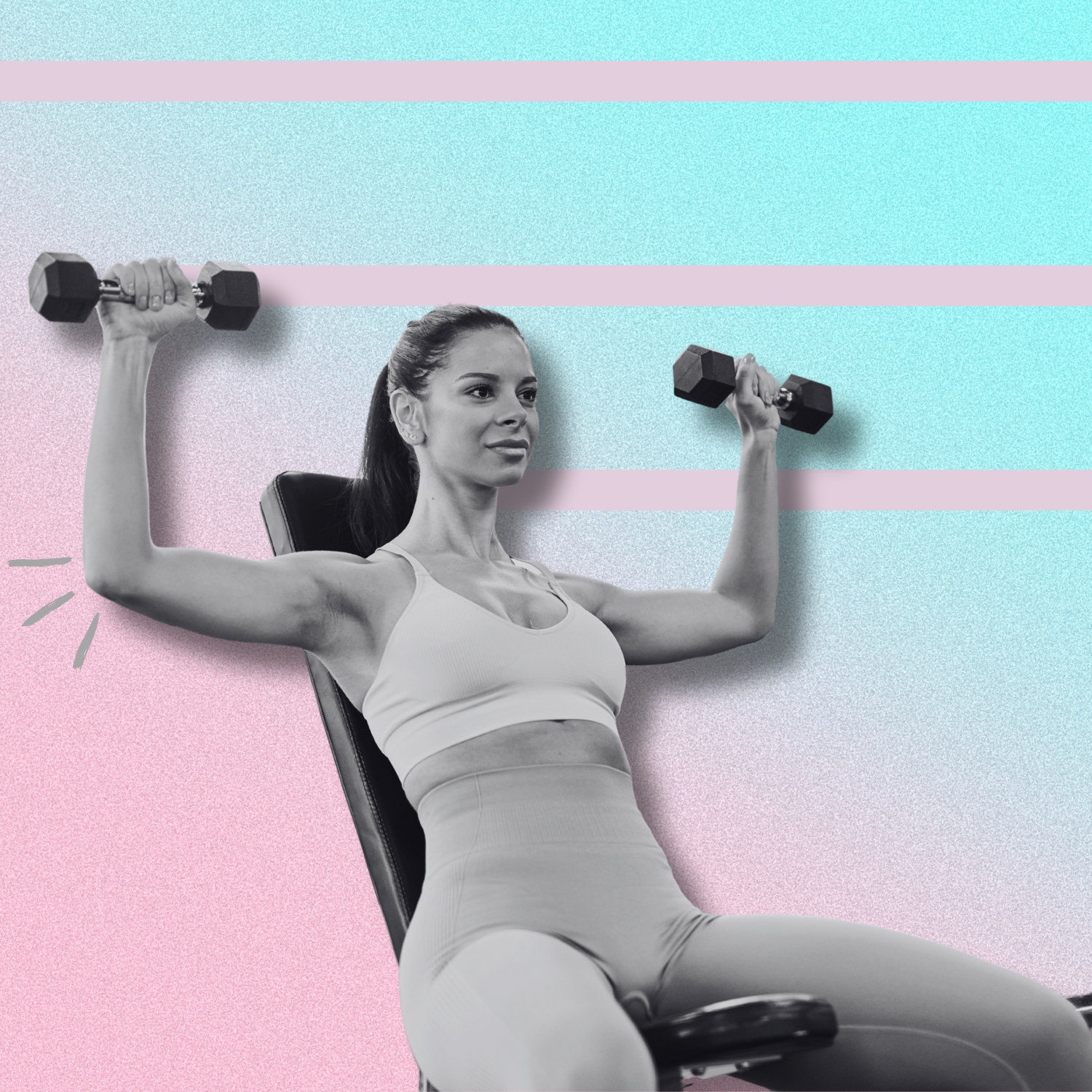
Credit: www.outsideonline.com
Proper Form And Technique
Proper form and technique are key to effective chest exercises. They help prevent injuries and ensure muscle growth. Focusing on how you position your body and move the weights makes every rep count. Correct form also improves strength and endurance over time.
Grip And Hand Position
Grip affects which chest muscles work hardest. Use a grip slightly wider than shoulder width. This targets the chest better than a narrow grip. Keep your wrists straight to avoid strain. Avoid gripping too tight; keep it firm but relaxed.
Body Alignment
Keep your back flat against the bench or floor. Your feet should stay planted firmly on the ground. Maintain a slight arch in your lower back. Shoulders must stay down and back, not rounded forward. Align your head with your spine to avoid neck pain.
Breathing Tips
Breathe in as you lower the weight slowly. Exhale forcefully while pushing the weight up. Do not hold your breath during the lift. Proper breathing keeps your muscles oxygenated and stable. It helps maintain control and power throughout the exercise.
Workout Plans For Strength
Building chest strength requires a clear workout plan. Each level targets muscle growth and endurance. Start with simple exercises and increase difficulty over time. Consistency and proper form matter most. The right routine helps avoid injury and boosts progress.
Beginner Routine
- Push-ups: 3 sets of 10-12 reps
- Flat bench press with light weights: 3 sets of 8-10 reps
- Dumbbell flyes: 3 sets of 10 reps
- Incline push-ups: 3 sets of 8-10 reps
- Rest 60-90 seconds between sets
Focus on learning the correct form. Use light weights to avoid strain. Build a habit of regular workouts.
Intermediate Routine
- Barbell bench press: 4 sets of 6-8 reps
- Incline dumbbell press: 4 sets of 8 reps
- Cable crossovers: 3 sets of 12 reps
- Dips: 3 sets of 10-12 reps
- Rest 60 seconds between sets
Add more weight to challenge muscles. Focus on controlled movements. Increase intensity gradually to build strength.
Advanced Routine
- Weighted barbell bench press: 5 sets of 4-6 reps
- Incline barbell press: 4 sets of 6-8 reps
- Chest dips with added weight: 4 sets of 8-10 reps
- Cable flyes with drop sets: 3 sets
- Rest 90 seconds between sets
Push your limits safely. Use heavier weights with proper form. Incorporate drop sets to increase muscle fatigue.

Credit: www.youtube.com
Common Mistakes To Avoid
Many people make common mistakes during chest workouts. These errors can slow progress and cause injury. Avoiding these mistakes improves strength and muscle growth. Focus on quality, not just quantity. This section highlights three key mistakes to watch out for.
Overtraining
Training the chest every day can hurt muscle recovery. Muscles need time to heal and grow. Overtraining causes fatigue and less strength. It also increases injury risk. Rest days are important for better results. Balance workouts with proper rest.
Incorrect Form
Using wrong form reduces workout effectiveness. It can also lead to pain and injury. Common form errors include:
- Arching the back too much
- Flared elbows during presses
- Not controlling the weight
Focus on controlled movements. Keep your back flat and elbows at a safe angle. Use a weight you can handle well.
Neglecting Warm-up
Skipping warm-up increases injury risk. Warm muscles perform better and feel less stiff. Spend 5 to 10 minutes warming up. Use light weights or dynamic stretches. This prepares your chest and joints for exercise.
Nutrition For Chest Growth
Nutrition plays a crucial role in building a bigger and stronger chest. Without the right fuel, your chest workouts won’t deliver the gains you’re aiming for. Paying attention to what you eat can help repair muscle fibers and support growth effectively.
Protein Intake
Protein is the building block for muscle growth, so your chest muscles need plenty of it to recover and grow after workouts. Aim for around 1.6 to 2.2 grams of protein per kilogram of your body weight daily.
Lean sources like chicken breast, fish, eggs, and plant-based options such as lentils and tofu work great. Don’t just focus on quantity—spread your protein intake evenly throughout the day for better absorption and muscle repair.
Supplements
Supplements can help fill in nutritional gaps but shouldn’t replace whole foods. Whey protein is popular because it’s quickly absorbed and supports muscle repair right after workouts.
Creatine is another supplement that can boost your strength and power, allowing you to push harder during chest exercises. However, always check with a healthcare provider before adding new supplements to your routine.
Meal Timing
When you eat can be just as important as what you eat. Consuming a protein-rich meal or shake within 30 to 60 minutes after your chest workout can speed up recovery.
Don’t forget to fuel up before your session too. A balanced meal with carbs and protein about 1 to 2 hours before training can provide the energy you need to maximize your chest workout.
Are you paying attention to your nutrition timing as much as your workout routine? Small changes here might just be the secret to unlocking bigger chest gains.
Recovery And Rest
Recovery and rest are key components of any chest exercise routine. Without proper downtime, your muscles won’t grow or strengthen as effectively. Giving your body a chance to repair itself can actually improve your performance in the gym.
Importance Of Rest Days
Rest days allow your chest muscles to heal from the tiny tears caused by lifting weights. These microtears are how muscle growth happens, but only if you let them recover.
Skipping rest can lead to fatigue and increase the risk of injury. Have you ever pushed through soreness and noticed your strength drop the next day? That’s your body signaling it needs a break.
Plan at least one or two rest days per week. Use this time to focus on light activities or other muscle groups.
Stretching And Mobility
Stretching after chest workouts helps maintain flexibility and reduces muscle tightness. Tight chest muscles can affect your posture and limit your range of motion.
Simple stretches like doorway stretches or chest openers can make a big difference. Spending just 5-10 minutes on these can ease tension and prepare your muscles for the next session.
Have you tried adding mobility exercises to your routine? They can improve your lifting form and prevent imbalances that slow progress.
Sleep And Muscle Repair
Sleep is when most muscle repair and growth happen. Deep sleep triggers the release of growth hormones essential for building chest strength.
Getting 7-9 hours of quality sleep can dramatically boost your recovery speed. Poor sleep often leads to weaker workouts and slower gains.
Try setting a consistent bedtime and avoiding screens before sleep. How often do you prioritize sleep to help your chest workout results?
Tracking Progress
Tracking progress is key to making real gains in your chest workouts. Without it, you might find yourself stuck on the same plateau, unsure if your efforts are paying off. Keeping an eye on your progress helps you stay motivated and make smarter decisions about your routine.
Using Workout Logs
Writing down your workouts helps you remember what weights, reps, and sets you completed. This simple habit lets you see patterns over time and identify what works best for your chest growth.
Try using a notebook or a fitness app to record details like:
- Exercise type (bench press, chest fly, etc.)
- Number of sets and reps
- Weights used
- Rest periods
Looking back at your logs, you’ll notice small improvements that might otherwise go unnoticed. Have you ever felt like you weren’t improving only to find your numbers had actually increased?
Measuring Strength Gains
Strength gains are a clear sign your chest muscles are growing stronger. Tracking how much weight you can lift or how many reps you can do at a certain weight gives you concrete feedback.
Consider testing your max lifts every few weeks or tracking reps to failure to see your endurance improve. Even small jumps in strength show progress and encourage you to keep pushing.
Are you challenging yourself enough to break through your current limits?
Adjusting Workouts
Your progress data should guide changes in your workout routine. If you notice your strength or muscle size has stalled, it’s time to tweak your exercises, weights, or volume.
For example, if your bench press has stopped improving, try adding more sets, changing grip positions, or switching to dumbbells. Adjusting rest time or increasing workout frequency can also help.
What’s one change you can make today to push your chest training further?

Credit: www.muscleandfitness.com
Frequently Asked Questions
What Are The Best Chest Exercises In The Gym?
The best chest exercises include bench press, push-ups, dumbbell flyes, and cable crossovers. They target different chest muscles for balanced growth and strength.
How Often Should I Train Chest Muscles Weekly?
Train chest muscles 2-3 times per week with at least 48 hours rest. This frequency allows muscle recovery and optimal growth.
Can Chest Exercises Improve Posture And Upper Body Strength?
Yes, chest exercises strengthen the pectoral muscles, supporting good posture and enhancing upper body strength for daily activities.
What Common Mistakes Should I Avoid In Chest Workouts?
Avoid improper form, using too much weight, and neglecting warm-up. These mistakes increase injury risk and reduce workout effectiveness.
Conclusion
Chest exercises build strength and improve your upper body shape. Regular workouts help increase muscle size and boost confidence. Focus on proper form to avoid injuries and get good results. Use different exercises to target all chest areas well. Rest and nutrition also play a key role in progress.
Stay consistent and patient; muscles take time to grow. Enjoy the process and celebrate small wins along the way. Your chest workout routine can bring lasting benefits to health and fitness. Keep pushing forward and stay motivated!







