
If you’ve ever dreamed of sculpting a physique like the legendary bodybuilder Chris Bumstead, you’re in the right place. The Cbum Workout Plan isn’t just another fitness fad; it’s a proven blueprint for building muscle, strength, and confidence.
Imagine walking into the gym with a plan that guarantees results, crafted by a champion who knows exactly what it takes to succeed. You might be wondering how this workout plan can transform your routine and get you the body you’ve always wanted.
Well, stick around, because we’re diving deep into this powerhouse of a workout regimen and revealing the secrets that could redefine your fitness journey. Don’t miss out on the opportunity to discover the techniques that can catapult you towards your fitness goals. Your path to a stronger, more defined you starts here.
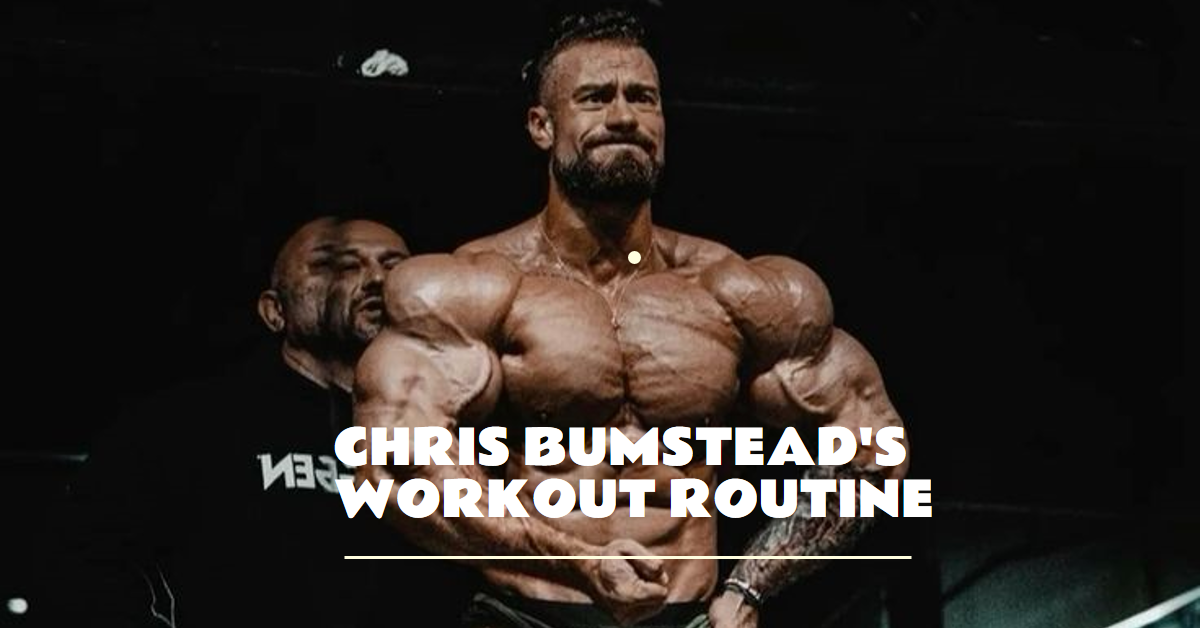
Credit: medium.com
Cbum Workout Plan Basics
The Cbum Workout Plan Basics provide a solid foundation for building muscle and strength. This plan focuses on smart training methods that fit various fitness levels. It emphasizes consistency, proper form, and balanced workouts.
Understanding these basics helps you get the best results while avoiding injury. The plan covers key areas such as training frequency, exercise choice, and core workout principles.
Core Principles
The Cbum Workout Plan centers on progressive overload. This means gradually increasing weights or reps to challenge muscles. It also stresses proper technique to prevent injury and improve gains. Rest and recovery are part of the plan to allow muscles to grow. Nutrition and hydration play a supporting role in achieving fitness goals.
Training Frequency
Training three to five times per week suits most people. This frequency balances effort and recovery well. Each session targets different muscle groups or focuses on full-body workouts. Rest days are essential to rebuild strength and avoid burnout. Regular training keeps the body adapting and improving.
Exercise Selection
Exercises in the Cbum plan focus on compound movements. These include squats, deadlifts, bench presses, and pull-ups. Compound exercises work multiple muscles at once for efficient training. Isolation exercises help target specific muscles and improve weaknesses. Variation in exercises keeps workouts fresh and effective.
Muscle Groups Focus
The Cbum Workout Plan targets key muscle groups for balanced growth and strength. Each session focuses on specific areas to maximize results. This approach helps build a strong, symmetrical physique. It prevents overtraining and promotes recovery.
Chest And Shoulders
Chest and shoulders get special attention in this plan. Exercises include presses and fly movements for the chest. Shoulder work focuses on different heads: front, side, and rear delts. This variety creates broad, powerful shoulders and a full chest.
- Barbell bench press
- Dumbbell flyes
- Overhead shoulder press
- Lateral raises
Back And Arms
The back and arms build pulling strength and definition. Rows and pull-ups develop the upper and mid-back. Arm training targets biceps and triceps with curls and extensions. These exercises improve arm size and back thickness.
- Pull-ups
- Barbell rows
- Bicep curls
- Tricep dips
Legs And Core
Legs and core are essential for stability and power. Squats and lunges strengthen quads, hamstrings, and glutes. Core exercises focus on abs and lower back. This builds a strong foundation for all lifts.
- Barbell squats
- Lunges
- Planks
- Hanging leg raises
Sample Weekly Routine
The Cbum Workout Plan is designed to build strength and muscle in a balanced way. The sample weekly routine targets all major muscle groups with proper rest. Each day focuses on specific movements to maximize growth and recovery.
This plan suits beginners and experienced lifters alike. It helps maintain steady progress without overtraining. Here is a simple breakdown of the weekly workout schedule.
Day 1: Upper Body
- Warm-up: 5-10 minutes light cardio
- Pull-ups – 4 sets of 8-12 reps
- Barbell Bench Press – 4 sets of 8-10 reps
- Dumbbell Rows – 4 sets of 10-12 reps
- Overhead Press – 3 sets of 8-10 reps
- Bicep Curls – 3 sets of 12-15 reps
- Tricep Dips – 3 sets of 12-15 reps
Day 2: Lower Body
- Warm-up: Dynamic leg stretches
- Squats – 4 sets of 8-10 reps
- Deadlifts – 4 sets of 6-8 reps
- Lunges – 3 sets of 12 reps per leg
- Leg Press – 3 sets of 10-12 reps
- Calf Raises – 4 sets of 15-20 reps
Day 3: Rest And Recovery
- Light stretching or yoga
- Focus on hydration and nutrition
- Get at least 7-8 hours of sleep
Day 4: Push Movements
- Warm-up: Shoulder mobility drills
- Incline Dumbbell Press – 4 sets of 8-10 reps
- Overhead Shoulder Press – 4 sets of 8-10 reps
- Chest Flys – 3 sets of 12 reps
- Tricep Pushdowns – 3 sets of 12-15 reps
- Push-ups – 3 sets to failure
Day 5: Pull Movements
- Warm-up: Light rowing or band pull-aparts
- Barbell Rows – 4 sets of 8-10 reps
- Lat Pulldowns – 4 sets of 10-12 reps
- Face Pulls – 3 sets of 12-15 reps
- Bicep Hammer Curls – 3 sets of 12 reps
- Chin-ups – 3 sets to failure
Day 6: Legs And Core
- Warm-up: Light jogging or cycling
- Front Squats – 4 sets of 8-10 reps
- Romanian Deadlifts – 4 sets of 8-10 reps
- Leg Curls – 3 sets of 12 reps
- Planks – 3 sets of 60 seconds
- Hanging Leg Raises – 3 sets of 15 reps
Day 7: Active Rest
- Light walking or swimming
- Gentle stretching
- Focus on breathing and relaxation

Credit: medium.com
Nutrition For Muscle Growth
Nutrition plays a crucial role in muscle growth, especially when following the Cbum Workout Plan. Without the right fuel, your muscles won’t recover or grow effectively, no matter how hard you train. Paying attention to what and how much you eat can make a significant difference in your results.
Calorie Surplus Strategies
To build muscle, you need to eat more calories than you burn. But not just any calories—focus on quality sources that support muscle repair and growth.
Start by calculating your maintenance calories, then add 250 to 500 extra calories daily. This range helps avoid gaining excess fat while promoting muscle gain.
Try spreading your calorie intake evenly across 4 to 6 meals a day. This keeps your energy levels stable and provides consistent nutrients to your muscles.
Macronutrient Breakdown
Your body needs a balance of protein, carbohydrates, and fats to build muscle efficiently. Protein is the most important, as it supplies the building blocks for muscle repair.
| Macronutrient | Recommended Intake | Example Sources |
|---|---|---|
| Protein | 1.6 to 2.2 grams per kg of body weight | Chicken breast, eggs, Greek yogurt, lentils |
| Carbohydrates | 3 to 5 grams per kg of body weight | Brown rice, oats, sweet potatoes, fruits |
| Fats | 0.8 to 1 gram per kg of body weight | Avocados, nuts, olive oil, fatty fish |
Are you tracking your macros yet? It might help you spot gaps in your diet and adjust for better gains.
Supplements To Consider
Supplements can support your muscle growth, but they don’t replace whole foods. Use them to fill in nutritional gaps or boost recovery.
- Whey Protein:Quick, easy protein source post-workout.
- Creatine:Supports strength and power for intense lifting sessions.
- BCAAs:May reduce muscle soreness and improve recovery.
- Multivitamins:Ensure you get essential vitamins and minerals for overall health.
Have you tried any supplements that noticeably improved your performance? Sometimes small tweaks can lead to big changes.
Recovery And Rest
Recovery and rest are essential parts of the Cbum workout plan. They help your muscles repair and grow stronger. Without proper rest, progress slows down and risk of injury rises. Taking time to recover boosts energy and improves workout results.
Importance Of Sleep
Sleep plays a key role in muscle recovery. It allows the body to repair tissues and build muscle. During deep sleep, the body releases growth hormones essential for muscle growth.
A good night’s sleep improves focus and strength for the next workout. Aim for 7 to 9 hours of quality sleep each night. Poor sleep can lead to fatigue and slower recovery.
Active Recovery Techniques
Active recovery means light exercise on rest days. It helps increase blood flow and reduce muscle soreness. Examples include walking, stretching, or yoga.
Active recovery speeds up healing and maintains mobility. It prevents stiffness and keeps muscles flexible. Avoid intense workouts during recovery days to allow full rest.
Injury Prevention
Rest reduces the risk of overtraining injuries. Overworking muscles without rest causes strains and joint pain. Listening to your body helps spot early signs of injury.
Include rest days and proper warm-ups in your routine. Use correct form during exercises to avoid stress on muscles. Injury prevention keeps your progress steady and safe.

Credit: ca.gymshark.com
Tracking Progress
Tracking progress is vital in the Cbum workout plan. It shows how much you have improved. Without tracking, it is hard to know if the plan works. It keeps you motivated and focused on your goals.
Measuring Strength Gains
Strength gains show muscle growth and power increase. Keep a workout log to record weights lifted and reps done. Test your maximum lift every few weeks. Compare results to see improvement.
Use simple tools like a notebook or an app. Write down exercises, sets, reps, and weight. This habit helps spot progress and areas needing work.
Body Composition Tracking
Body composition means muscle, fat, and water in your body. Tracking it helps understand physical changes beyond weight. Use a scale with body fat measurement or skinfold calipers.
Take photos every few weeks for visual proof. Measure waist, chest, arms, and legs with a tape. Track changes to see muscle gain or fat loss.
Adjusting The Plan
Tracking results helps know when to change the workout. Increase weights if strength improves. Add sets or reps for more challenge.
Reduce rest time to boost intensity. Change exercises to target muscles differently. Listen to your body to avoid injury and plateaus.
Frequently Asked Questions
What Is The Cbum Workout Plan?
The Cbum workout plan is a muscle-building routine by Chris Bumstead. It focuses on hypertrophy using compound and isolation exercises. The plan targets all major muscle groups with progressive overload. It suits intermediate to advanced lifters aiming for classic physique goals.
How Often Should I Follow The Cbum Workout Plan?
Typically, the Cbum workout plan is done 5-6 days per week. This frequency allows ample volume and recovery for muscle growth. Rest days are crucial to avoid overtraining. Consistency and proper nutrition enhance results with this plan.
What Diet Complements The Cbum Workout Plan?
A high-protein, calorie-surplus diet complements the Cbum workout plan. It supports muscle repair and growth. Balanced carbs and healthy fats provide energy and recovery nutrients. Tracking macros helps maintain progress aligned with workout intensity.
Can Beginners Use The Cbum Workout Plan?
Beginners can try a modified version of the Cbum workout plan. Lower volume and lighter weights reduce injury risk. Focus on learning proper form first. Gradually increase intensity as strength and endurance improve.
Conclusion
The Cbum workout plan helps build strength and muscle steadily. It suits many fitness levels and goals. Consistency and effort bring the best results. Focus on proper form to avoid injuries. Rest and nutrition play a key role in progress.
Track your workouts to see how you improve. Stay patient and enjoy the fitness journey. This plan can fit well into your routine. Keep pushing forward and watch your body change.







