
Are you tired of complicated diets that leave you hungry and frustrated? The carnivore diet might be the simple, powerful solution you’ve been looking for.
Imagine losing weight by eating just meat—no counting calories, no endless restrictions. This approach taps into your body’s natural cravings and can help you shed pounds faster than you thought possible. If you want to discover how the carnivore diet can transform your weight loss journey and boost your energy, keep reading.
Your new path to a slimmer, healthier you starts here.

Credit: books.apple.com
Carnivore Diet Basics
The carnivore diet is straightforward but strict. It focuses solely on animal-based foods, cutting out all plant products. Understanding its basics helps you decide if this approach fits your lifestyle and weight loss goals.
What To Eat
You’ll mostly eat meat, fish, and animal fats. This includes:
- Beef, pork, lamb, and other red meats
- Chicken, turkey, and other poultry
- Fish and shellfish like salmon, sardines, and shrimp
- Eggs and animal-based fats like butter and lard
- Organ meats such as liver and kidneys, which provide important nutrients
These foods are packed with protein and fat, helping you feel full and energized. Have you noticed how meals heavy in protein often keep hunger away for longer?
Foods To Avoid
The carnivore diet eliminates all plant foods. That means no:
- Vegetables, fruits, grains, and legumes
- Sugars and processed foods
- Nuts and seeds
- Plant oils like olive or canola oil
Cutting out these foods can feel challenging at first. But many find their cravings for sweets and carbs fade after a few weeks. How often have you felt sluggish after carb-heavy meals?
Meal Planning Tips
Planning your meals around the carnivore diet is simple but requires some thought. Start by choosing a few favorite protein sources to rotate daily. This keeps meals interesting and ensures nutrient variety.
Cook in bulk to save time—grilling or slow-cooking large cuts of meat works well. Also, don’t ignore hydration; drinking water and adding a pinch of salt can help maintain electrolyte balance.
Ask yourself: Are you ready to rely almost entirely on animal products? Preparing mentally and practically will ease the transition and help you stick with it.
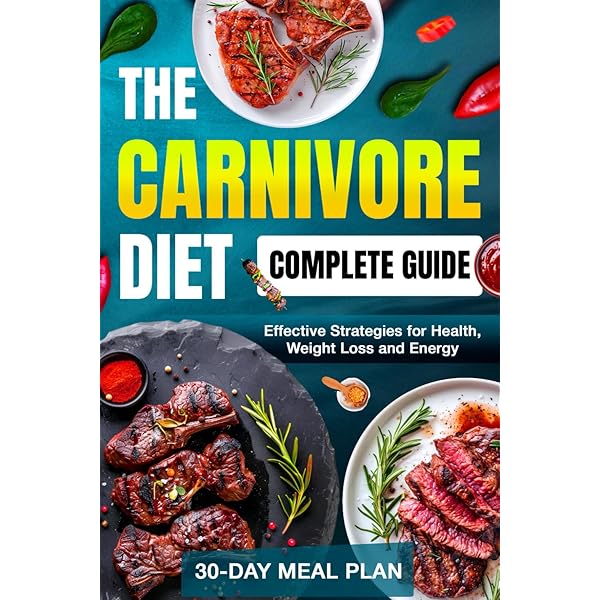
Credit: www.amazon.co.uk
How It Promotes Fat Burn
The carnivore diet focuses on eating only animal products. This approach can help the body burn fat effectively. It changes how the body uses energy and supports fat loss in unique ways.
Role Of Protein And Fats
High protein intake helps build and maintain muscle. Muscle burns more calories even at rest. Fats provide a steady energy source, reducing hunger and cravings. Together, protein and fats keep the body fueled without spikes in blood sugar.
Impact On Metabolism
Eating mostly protein and fat can increase metabolic rate. Protein requires more energy to digest than carbs. This means the body burns extra calories during digestion. Fat also promotes stable energy, avoiding crashes that slow metabolism.
Effect On Insulin Levels
The carnivore diet lowers insulin secretion by cutting carbs. Lower insulin levels help the body access stored fat for energy. This fat-burning state is called ketosis. It supports steady fat loss and reduces fat storage.
Getting Started Safely
Starting the carnivore diet for weight loss can feel like a big change. You need to prepare your body and mind to adjust smoothly without unnecessary discomfort. Taking the right steps early on makes your experience safer and sets you up for success.
Transitioning Tips
Switching to an all-meat diet means your body is leaving behind carbs and sugars it once relied on. Instead of jumping straight in, try easing into it by gradually reducing carbs over a week.
Focus on eating fatty cuts of meat to keep your energy steady. For example, start with ground beef and eggs before moving to steaks and organ meats.
Think about how your meals will change. Planning helps you avoid cravings and keeps your hunger satisfied. Have a simple list of carnivore-friendly foods ready before you begin.
Common Side Effects
Expect some changes as your body adapts. It’s normal to feel tired, have headaches, or notice digestive shifts during the first few days.
These symptoms often result from carb withdrawal and shifts in gut bacteria. If you feel very weak or dizzy, add more fat to your meals or take a short break from strict carnivore eating.
Ask yourself: Are these side effects signals to adjust or just temporary hurdles? Listening closely can help you avoid setbacks.
Hydration And Electrolytes
Water intake becomes even more important on the carnivore diet. Meat doesn’t provide carbs, which usually hold water in your body, so you may lose fluids faster.
Make sure to drink plenty of water throughout the day. Add salt to your meals or drink bone broth to keep your electrolytes balanced.
Electrolyte imbalance can cause cramps or fatigue, so don’t ignore these signs. Keeping your hydration and minerals in check supports your weight loss and overall well-being.
Maximizing Weight Loss
Maximizing weight loss on the Carnivore Diet requires more than just eating meat. Your approach to timing, physical activity, and monitoring your progress can make a big difference. Small adjustments in these areas often lead to better and faster results.
Intermittent Fasting
Intermittent fasting fits naturally with the Carnivore Diet because protein and fat keep you full longer. Skipping breakfast or limiting your eating window to 6-8 hours can reduce calorie intake without feeling hungry. Have you tried eating only between noon and 6 PM and noticed how your hunger patterns change?
This fasting window helps your body burn stored fat more efficiently. It also improves insulin sensitivity, which supports weight loss. Start slow by skipping snacks before dinner and see how your energy levels respond.
Exercise Strategies
Exercise complements the Carnivore Diet by boosting metabolism and preserving muscle mass. Focus on strength training a few times a week to build muscle, which helps burn more calories even at rest. Cardio like walking or cycling can accelerate fat loss but don’t overdo it—you want to avoid excessive fatigue.
Try mixing short bursts of high-intensity activity with moderate exercise to keep things interesting. Have you noticed how your workouts feel different after switching to a meat-only diet? Adjust your routine based on your energy and recovery.
Tracking Progress
Tracking your progress keeps you motivated and helps identify what works best for your body. Use a journal or an app to record your weight, measurements, and how you feel daily. Noticing trends can show you if intermittent fasting or exercise tweaks are making a difference.
Don’t rely solely on the scale—pay attention to how your clothes fit and your energy levels. What small wins have you celebrated recently? Recognizing these moments can boost your confidence and keep you on track.
Potential Challenges
Starting the carnivore diet for weight loss can feel empowering, but it also brings a unique set of challenges you should be aware of. Understanding these hurdles helps you prepare mentally and physically, making your journey smoother and more successful. Here’s a closer look at some common obstacles and how you might handle them.
Nutrient Deficiencies
The carnivore diet cuts out all plant-based foods, which are primary sources of vitamins, minerals, and fiber. This can lead to shortages in nutrients like vitamin C, magnesium, and potassium.
To avoid this, you might need to pay extra attention to the types of animal products you eat. For example, organ meats like liver are rich in many essential nutrients.
Have you considered how you will monitor your health? Regular blood tests can catch any deficiencies early, letting you adjust your diet or take supplements as needed.
Social And Lifestyle Factors
Eating only animal products can make social gatherings and dining out tricky. You may find limited options at restaurants or feel isolated during family meals.
Planning ahead helps. Bringing your own meat-based dish to events or choosing restaurants with flexible menus can keep you on track without feeling left out.
How will you handle questions or pressure from friends and family? Being clear about your reasons and goals can make conversations easier and build support.
Dealing With Plateaus
Weight loss plateaus are common on any diet, including the carnivore approach. Your body might adjust to the new eating style, slowing down progress.
To break through, try varying your meal timing or changing the cuts of meat you eat. Some people find intermittent fasting or adding bone broth helpful during these times.
What small changes can you test to keep your momentum? Tracking your food and how you feel can reveal patterns that guide your next steps.

Credit: www.amazon.ca
Success Stories And Results
The carnivore diet has sparked interest for its potential to aid weight loss, but what do real experiences and expert views reveal? Success stories offer a glimpse of the diet’s impact, showing how some people achieve significant results. Understanding these outcomes can help you decide if this approach fits your lifestyle and goals.
Real-life Transformations
Many individuals share stories of losing weight rapidly on the carnivore diet, often within the first few weeks. One woman reported shedding 30 pounds in three months by eating only meat and water, noting increased energy and reduced cravings.
However, not everyone experiences the same pace or ease of weight loss. Some face challenges with meal monotony or social dining situations. Have you considered how sticking strictly to meat might affect your daily routine and motivation?
Expert Opinions
Nutritionists and dietitians often caution that the carnivore diet lacks essential nutrients found in plants. They highlight potential risks like vitamin deficiencies and long-term heart health concerns.
Still, some experts acknowledge that the diet’s simplicity can help reduce calorie intake by eliminating processed foods and sugars. Could this simplicity be why some people find it easier to lose weight initially?
Long-term Sustainability
Maintaining weight loss after the initial phase poses a challenge for many on the carnivore diet. Some report regaining weight after reintroducing other foods or stopping the diet.
Others adapt by adding variety within animal-based foods to prevent boredom and ensure nutrient balance. What strategies could you use to keep your weight stable while following a restrictive diet?
Frequently Asked Questions
What Is The Carnivore Diet?
The carnivore diet focuses solely on animal products like meat, fish, and eggs. It excludes all plant-based foods. Advocates claim it aids in weight loss by reducing carb intake and increasing protein. This diet may also lead to improved mental clarity and reduced inflammation.
How Does The Carnivore Diet Help In Weight Loss?
The carnivore diet aids weight loss by eliminating carbohydrates, leading to ketosis. This metabolic state burns fat for energy. The high protein intake promotes satiety, reducing overall calorie consumption. Additionally, the diet’s simplicity can make it easier to maintain, supporting long-term weight management.
Are There Any Side Effects Of The Carnivore Diet?
Yes, the carnivore diet may cause side effects like nutrient deficiencies, constipation, or increased cholesterol levels. Some individuals experience digestive issues or fatigue. It’s essential to monitor your health and consult a healthcare professional before starting this diet. Adjustments may be needed to suit individual needs.
Can Everyone Follow The Carnivore Diet?
Not everyone should follow the carnivore diet. People with certain health conditions or dietary restrictions may face challenges. It’s crucial to consult a healthcare professional before starting this diet. They can assess if it’s suitable for your individual health needs and provide guidance on maintaining nutritional balance.
Conclusion
The carnivore diet can help some people lose weight effectively. It focuses on eating only animal products. This approach cuts out many carbs and sugars. Many find it simple to follow and feel fuller longer. Still, it may not suit everyone’s needs or health.
Always check with a doctor before starting any diet. Remember, balance and listening to your body matter most. Weight loss takes time and patience. Small steps lead to lasting results. Keep learning and stay consistent for the best outcome.







