
Are you curious about the carnivore diet but unsure where to start? You’re not alone.
Many people are intrigued by this unique approach to eating that promises a simpler, more straightforward path to health. Imagine a diet where you don’t have to count calories or worry about portion sizes. Sounds refreshing, right? The carnivore diet plan might just be what you’re looking for.
You’ll discover everything you need to know to get started, from the basics of what you can eat to practical tips on making the transition smooth and successful. Ready to explore a new, potentially life-changing way of eating? Let’s dive in!

Credit: www.amazon.com
Basics Of The Carnivore Diet
The Carnivore Diet focuses on eating only animal-based foods. It removes all plant-based items like fruits, vegetables, and grains. This diet aims to simplify meals and reduce foods that may cause inflammation or digestive issues. Beginners often find it easy to follow due to its simple rules.
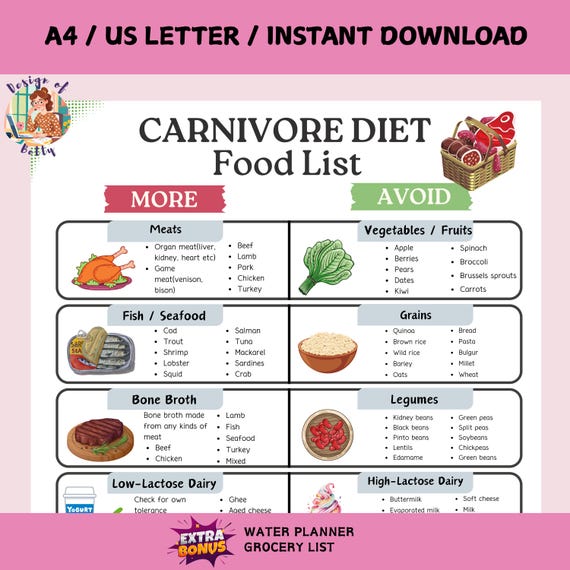
What To Eat
- Beef, pork, lamb, and other meats
- Fish and seafood
- Eggs
- Animal fats like butter and lard
- Organ meats such as liver and kidney
- Bone broth
What To Avoid
- All fruits and vegetables
- Grains like wheat, rice, and oats
- Legumes such as beans and lentils
- Sugar and processed foods
- Plant oils like olive and canola oil
- Dairy products, except butter and heavy cream (optional)
Health Benefits
The Carnivore Diet may help reduce inflammation and improve digestion. Many people report weight loss and better energy levels. It can also support mental clarity and reduce cravings. Some find relief from autoimmune symptoms and joint pain. Eating only animal foods provides high protein and essential nutrients.
Credit: www.etsy.com
Getting Started
Starting the carnivore diet means focusing only on animal-based foods. It can feel simple but needs some planning. Preparing well helps avoid common mistakes and keeps meals enjoyable. This section covers tips to plan meals, essential kitchen tools, and a shopping list for beginners.
Meal Planning Tips
- Choose a variety of meats like beef, pork, and chicken.
- Include organ meats for extra nutrients.
- Plan meals with simple cooking methods: grilling, roasting, or boiling.
- Cook in bulk to save time during busy days.
- Keep snacks like boiled eggs or jerky ready for hunger.
- Drink plenty of water and consider adding bone broth.
Essential Kitchen Tools
- Sharp knives for easy meat cutting.
- Cast iron skillet for even cooking.
- Slow cooker or pressure cooker for tender meats.
- Meat thermometer to check doneness safely.
- Sturdy cutting board to protect surfaces.
- Storage containers to keep leftovers fresh.
Shopping List Essentials
| Meats | Other Items |
|---|---|
| Ground beef | Bone broth |
| Steak | Salt (preferably sea salt) |
| Chicken thighs | Butter or animal fat for cooking |
| Pork ribs | Eggs |
| Liver or kidney | Water |
| Bacon (check for sugar-free) |
Meal Ideas And Recipes
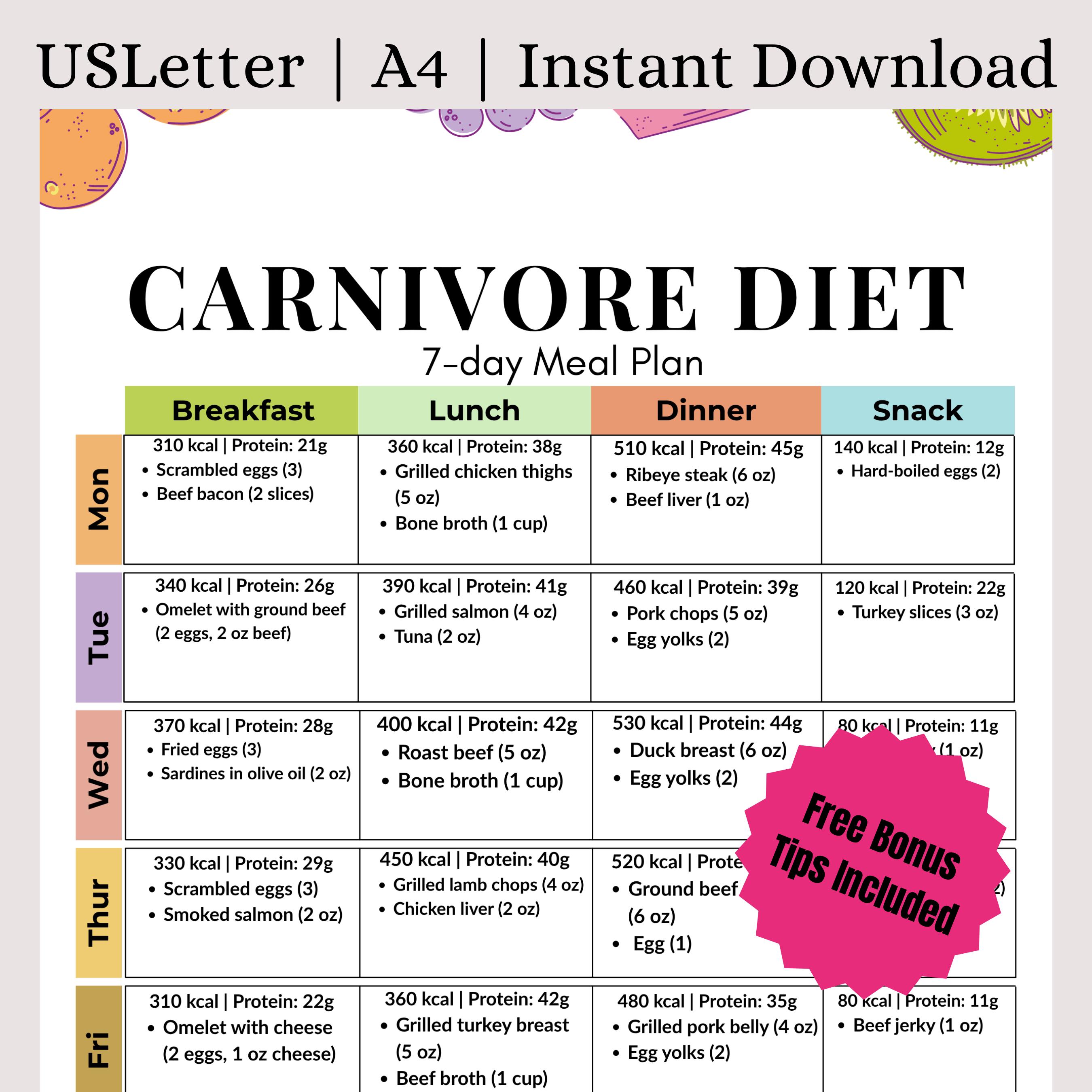
Finding meal ideas that fit the carnivore diet can feel limiting at first. But once you get a few staples down, you’ll see how simple and satisfying your menu can be. Let’s look at some practical recipes and options to keep your meals exciting and easy to prepare.
Breakfast Options
Breakfast on the carnivore diet can be quick, hearty, and full of flavor. Many people start their day with eggs and meat, a combo that fuels energy and keeps you full for hours.
- Egg and Bacon Skillet:Cook crispy bacon and scramble eggs in the same pan. Add some salt and pepper for taste.
- Steak and Eggs:A classic that never gets old. Grill a small steak and serve it with fried eggs on the side.
- Bone Broth:If you want something lighter, a warm cup of bone broth can be nourishing and hydrating.
Lunch And Dinner Ideas
Lunch and dinner can revolve around different cuts of meat and fish. You don’t have to stick to just steaks; variety keeps your palate interested.
- Grilled Salmon with Butter:Rich in omega-3s, salmon is a great way to add healthy fats.
- Roast Chicken:Roast a whole chicken seasoned with salt and herbs like rosemary for a juicy meal.
- Beef Burgers:Skip the bun and top with cheese or fried eggs for extra protein and fat.
- Organ Meats:Try liver or heart once a week. They are nutrient powerhouses and easy to cook.
Snacks And Quick Bites
Snacking on a carnivore diet doesn’t have to be boring or complicated. You can keep it simple and still satisfy hunger between meals.
- Beef Jerky:Look for natural, minimally processed jerky without added sugars.
- Pork Rinds:Crunchy and salty, they make a great snack to munch on.
- Hard-Boiled Eggs:Easy to prepare in advance and grab on the go.
- Cheese Slices:If dairy agrees with you, cheese is a quick protein boost.
Managing Common Challenges
Starting a carnivore diet can feel like a big change, and it’s normal to face some hurdles along the way. Managing these common challenges well can make your journey smoother and more enjoyable. Let’s look at some practical ways to handle cravings, social situations, and those initial side effects that often catch beginners off guard.
Dealing With Cravings
Cravings can hit hard, especially if you’re used to a varied diet. When you feel a craving for carbs or sweets, try drinking water first. Sometimes thirst disguises itself as hunger.
Keep your meals rich in fat and protein to stay fuller longer. Fatty cuts of meat and organ meats can help curb cravings naturally. If you still want something different, try a small amount of bone broth or a pinch of salt to satisfy your taste buds without breaking your plan.
Have you noticed when cravings strike the most? Tracking your cravings can help you anticipate and manage them better.
Handling Social Situations
Eating carnivore in social settings can be tricky. Restaurants often don’t cater to such a restrictive diet, and friends might not understand your choices.
Prepare by checking menus online ahead of time or calling the restaurant. You can ask for simple dishes like grilled steak, chicken, or fish without sauces or sides.
At gatherings, bring your own meat snacks or suggest venues where you know you’ll find suitable options. Remember, explaining your diet briefly and confidently can reduce awkward questions and keep the focus on enjoying time with others.
Overcoming Initial Side Effects
Many beginners experience side effects like headaches, fatigue, or digestive changes. These symptoms often result from your body adjusting to a new fuel source.
Stay hydrated and add a bit more salt to your meals to help balance electrolytes. Rest when you need it and don’t push yourself too hard during this phase.
If symptoms persist beyond a week, consider adjusting your food choices or consulting a healthcare professional. What small change could you make today to ease your transition?
Tracking Progress
Tracking progress on the carnivore diet plan helps you see how your body reacts. It shows what works and what needs change. Keeping a record boosts motivation and helps avoid frustration. Progress tracking keeps your focus clear and your goals in reach.
Monitoring Health Changes
Write down daily changes in energy, mood, and digestion. Track weight and measurements weekly. Note any new symptoms or improvements. Blood tests every few months can show internal changes. This data helps understand your body’s response to the diet.
Adjusting The Diet
Use your tracked data to tweak food choices. Add or remove certain meats based on how you feel. Change portion sizes if energy or hunger signals shift. Adjust fat to protein ratio to find your balance. Small changes can improve results and comfort.
Setting Realistic Goals
Set clear, simple goals for each week or month. Focus on habits, like eating only carnivore foods or drinking enough water. Avoid aiming for rapid weight loss or perfect adherence. Celebrate small wins to stay motivated. Realistic goals create steady progress and long-term success.
Credit: www.etsy.com
Frequently Asked Questions
What Is The Carnivore Diet Plan For Beginners?
The carnivore diet plan focuses on eating only animal products like meat, fish, and eggs. Beginners should start gradually, track nutrient intake, and stay hydrated. It eliminates carbs and plant foods, aiming to improve digestion and energy levels.
How Do I Start A Carnivore Diet Safely?
Start by removing all plant-based foods slowly. Increase meat consumption and drink plenty of water. Monitor your body’s response and consult a healthcare provider if unsure. Supplement with electrolytes to prevent imbalances during the initial phase.
What Are The Health Benefits Of A Carnivore Diet?
This diet may improve weight loss, mental clarity, and reduce inflammation. It eliminates sugars and processed foods, promoting stable blood sugar. Many users report better digestion and increased energy within weeks of starting.
Can I Eat Dairy On The Carnivore Diet?
Yes, but only if tolerated well. Choose full-fat, low-lactose options like cheese, butter, and heavy cream. Some beginners avoid dairy initially to identify sensitivities and reintroduce it later based on tolerance.
Conclusion
Starting a carnivore diet plan for beginners can feel simple and clear. Focus on eating mostly meat and animal products. Listen to your body and adjust foods as needed. Drink plenty of water and keep meals balanced. Give your body time to adapt each day.
This way, you may see improved energy and digestion. Stay consistent and patient for the best results. The carnivore diet can be a straightforward choice for many. Try it with care and attention to your health.







