
Are you curious about the carnivore diet but not sure where to start? You’re not alone.
The carnivore diet, with its meat-focused approach, is gaining popularity for its simplicity and potential health benefits. Imagine a meal plan that eliminates the guesswork, focuses on nutrient-rich foods, and might just transform your health. If you’re eager to explore this unique dietary approach, you’re in the right place.
We’ll guide you through a beginner-friendly meal plan that’s easy to follow and delicious. Ready to dive into a world where steak and bacon are your best friends? Let’s get started.
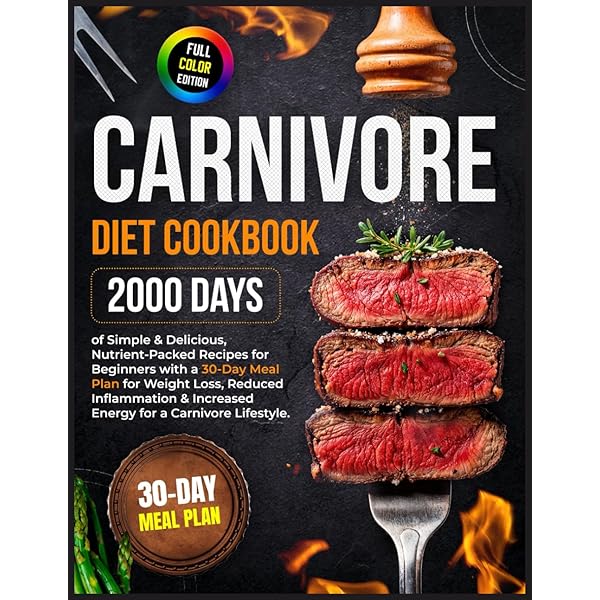
Credit: www.amazon.ca
Basics Of The Carnivore Diet
The Carnivore Diet is simple but strict. It focuses on eating only animal-based foods, cutting out all plant-based items. This approach might seem extreme, but many people find it clears up digestion issues and boosts energy.
Getting the basics right is key. Understanding what you can eat and what to avoid helps you stick with the plan and see results faster. Let’s break down the core ideas behind this unique way of eating.
Core Principles
- Eat only animal products—meat, fish, and animal fats.
- Avoid all plant foods, including fruits, vegetables, nuts, and grains.
- Focus on nutrient-dense, whole foods rather than processed items.
- Listen to your body’s hunger cues instead of counting calories.
- Keep meals simple and consistent to reduce decision fatigue.
When I first tried the Carnivore Diet, I was surprised by how quickly my cravings for sugar and carbs faded. This shift is common as your body adapts to burning fat for fuel instead of carbs.
Foods To Eat
- Beef (steak, ground beef, roasts)
- Pork (chops, bacon, ribs)
- Poultry (chicken, turkey)
- Fish and seafood (salmon, sardines, shrimp)
- Eggs
- Animal fats (tallow, lard, butter)
- Organ meats (liver, kidney, heart) for extra nutrients
Including organ meats can feel intimidating, but they pack vitamins and minerals that muscle meat lacks. Have you tried mixing a small amount of liver into your ground beef? It’s a simple trick to boost nutrition.
Foods To Avoid
- All fruits and vegetables
- Grains like wheat, rice, and oats
- Nuts and seeds
- Legumes such as beans and lentils
- Sugars and sweeteners, including honey and maple syrup
- Processed foods with additives and preservatives
Cutting out plants can feel challenging at first. Ask yourself: What cravings or habits will you need to change? Staying focused on how your body feels can help you push through the initial adjustment period.
Health Benefits And Risks
The carnivore diet focuses on eating only animal-based foods. It claims to offer several health benefits but also carries some risks. Understanding both sides helps beginners decide if this meal plan suits them.
Potential Advantages
- May improve mental clarity and focus
- Can reduce inflammation in the body
- Often leads to weight loss due to high protein intake
- Eliminates many processed foods and sugars
- May help with autoimmune symptoms for some people
Common Concerns
- Lacks fiber, which may affect digestion
- Potential nutrient deficiencies without variety
- High saturated fat intake might raise cholesterol levels
- Limited food choices can be hard to maintain
- Possible increase in kidney strain due to protein load
Who Should Be Cautious
- People with kidney disease or risk factors
- Those with a history of heart disease
- Individuals prone to nutrient deficiencies
- Anyone with digestive issues like constipation
- Pregnant or breastfeeding women
Getting Started With Meal Planning
Starting a carnivore diet requires thoughtful meal planning. Planning meals helps avoid confusion and stress. It ensures you eat the right foods and meet your nutritional needs. A clear plan keeps you on track and helps build good habits. Begin with small, manageable steps to ease into the diet.
Setting Realistic Goals
Set clear and simple goals. Focus on what you want to achieve, like better energy or weight loss. Avoid aiming for drastic changes too fast. Start with one meal or one day at a time. Track your progress and adjust goals as needed. Realistic goals keep motivation high and reduce frustration.
Essential Kitchen Tools
Having the right tools makes cooking easier. Basic tools include:
- Sharp knives for cutting meat
- Cast iron skillet or heavy pan
- Meat thermometer to check doneness
- Slow cooker or instant pot for easy meals
- Storage containers for leftovers
These tools help prepare meals quickly and safely. They save time and improve meal quality.
Grocery Shopping Tips
Plan your shopping list before going to the store. Focus on buying high-quality animal products. Choose:
- Grass-fed beef and lamb
- Fresh pork and poultry
- Eggs from free-range chickens
- Fatty fish like salmon and mackerel
- Organ meats such as liver and heart
Buy in bulk to save money and reduce trips. Check labels to avoid added sugars or fillers. Stick to the outer aisles of the store for fresher options.

Credit: www.amazon.ca
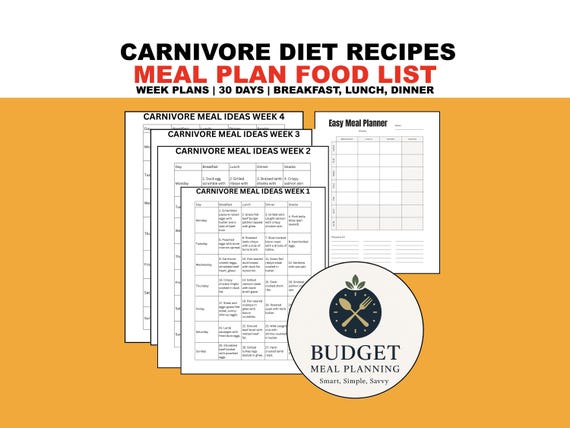
Sample Meal Plan For Beginners
Starting a carnivore diet can feel overwhelming. A clear meal plan helps beginners stay on track. This sample plan offers simple, tasty options. It focuses on easy-to-prepare meals that fit a carnivore lifestyle. Follow these menus to build your routine and gain energy.
Day 1 To 3 Menu
- Breakfast:Scrambled eggs cooked in butter with crispy bacon.
- Lunch:Grilled ribeye steak with a side of bone broth.
- Dinner:Pan-seared salmon with melted butter.
- Snack:Pork rinds or hard-boiled eggs.
Day 4 To 7 Menu
- Breakfast:Beef liver fried in ghee for added nutrients.
- Lunch:Roasted chicken thighs with crispy skin.
- Dinner:Ground beef patties seasoned with salt.
- Snack:Slices of cheese or cold cuts (optional).
Meal Prep Strategies
- Cook large portions of meat to save time.
- Use slow cookers or ovens for hands-off cooking.
- Keep snacks like boiled eggs or pork rinds ready.
- Store meals in airtight containers for freshness.
- Plan grocery shopping around fresh meat availability.
Adjusting To The Diet
Adjusting to the carnivore diet can feel like a big shift. Your body is used to carbs and plant-based foods, so it takes time to get comfortable with eating mainly animal products. Understanding what to expect and how to handle changes will help you stay on track and feel better faster.
Managing Cravings
Cravings for sweets or carbs are common in the first days. Instead of fighting them, try to recognize what triggers these urges. Sometimes, cravings come from dehydration or lack of salt. Drinking more water and adding extra salt to your meals often reduces the intensity.
You can also distract yourself with activities like walking or reading when cravings hit. Remember, these urges usually fade after a week or two. Have some fatty cuts of meat ready; fat helps keep you full and satisfied.
Dealing With Transition Symptoms
You might experience headaches, fatigue, or digestive changes as your body adapts. These symptoms, often called the “keto flu,” occur because your body is switching from burning carbs to burning fat. It’s important to rest and avoid intense workouts during this phase.
Adding bone broth or electrolyte supplements can ease symptoms by restoring minerals. If you feel very weak, increase your salt intake slightly. Are you tracking your symptoms daily? This helps you notice patterns and make small adjustments quickly.
Tracking Progress
Keeping a simple journal can show how your mood, energy, and digestion improve over time. Note what you eat, how you feel, and any symptoms you experience. This practice helps you identify which foods work best for your body.
Use photos or measurements to see physical changes, but don’t obsess over the scale. Sometimes, improvements happen internally before they show outside. What small wins can you celebrate today that encourage you to keep going?
Credit: www.etsy.com
Common Mistakes To Avoid
Starting a carnivore diet can feel simple, but many beginners make common mistakes. These errors can slow progress or cause discomfort. Avoiding these pitfalls helps maintain energy and supports overall health.
Overeating Or Undereating
Eating too much meat can overload your digestion and lead to fatigue. Eating too little leaves you low on energy and nutrients. Listen to your body’s hunger signals. Aim for balanced portions that satisfy without excess.
Ignoring Nutrient Variety
Eating only one type of meat limits important nutrients. Different cuts offer different vitamins and minerals. Include beef, pork, chicken, and fish to get a wider range of nutrients. Organ meats like liver add essential vitamins too.
Skipping Hydration
Water is crucial on a carnivore diet. Meat contains little water, so drink plenty of fluids. Dehydration can cause headaches and tiredness. Aim to drink water throughout the day. Adding bone broth helps with minerals and hydration.
Tips For Long-term Success
Sticking to the carnivore diet takes effort and care. Success over time needs smart habits and regular checks. The right mindset and actions help you enjoy the benefits fully. Here are key tips for long-term success on this diet.
Maintaining Motivation
Set clear, simple goals for your diet journey. Track small wins to stay encouraged. Prepare meals in advance to avoid last-minute choices. Connect with others on the same diet for support. Celebrate progress without guilt. Keep a journal of how you feel daily.
Incorporating Exercise
Exercise boosts energy and supports muscle growth. Choose activities you enjoy, like walking or light lifting. Start slow and build up your routine steadily. Exercise helps balance appetite and improves mood. Rest days are important to recover and avoid injury.
Monitoring Health Markers
Regular health checks ensure your body stays strong. Measure key markers like cholesterol, blood pressure, and blood sugar. Notice changes in weight and energy levels. Consult your doctor before and during the diet. Adjust your meal plan based on health feedback.
Frequently Asked Questions
What Foods Are Allowed On A Carnivore Diet Meal Plan?
The carnivore diet allows only animal-based foods. This includes beef, pork, chicken, fish, eggs, and animal fats. Dairy is optional but should be full-fat and minimally processed. Avoid all plant-based foods, grains, fruits, and vegetables for strict adherence.
How To Start A Beginner-friendly Carnivore Diet Meal Plan?
Start by eliminating all plant foods from your diet. Focus on eating various meats, eggs, and animal fats. Drink plenty of water and consider adding bone broth. Begin gradually to help your body adjust and monitor how you feel.
Can I Lose Weight With The Carnivore Diet?
Yes, many people lose weight on a carnivore diet. It reduces carb intake and increases protein, which helps control hunger. The diet promotes fat burning and improves metabolism. However, individual results vary based on adherence and lifestyle.
How To Avoid Nutrient Deficiencies On A Carnivore Diet?
Eat a variety of meats including organ meats like liver. Organ meats provide essential vitamins and minerals. Include fatty fish for omega-3s. Supplementation may be needed for vitamin C and fiber. Regular health checks help monitor nutrient levels.
Conclusion
Starting the carnivore diet meal plan can feel simple and clear. Focus on eating mostly meat and animal products daily. Keep your meals varied with different cuts and types of meat. Drink plenty of water and listen to your body’s signals.
Meal prep helps save time and reduces stress. Remember, patience is key as your body adjusts. Enjoy the process and watch how your energy changes. This plan offers a straightforward way to try a new eating style. Stay consistent and see what works best for you.







