
Are you curious about a diet that focuses solely on meat and animal products? The Carnivore Diet Book might be the key to unlocking a simpler, more effective way to eat.
Imagine cutting out all the guesswork and discovering a clear path to better energy, weight control, and mental clarity. This book doesn’t just tell you what to eat—it shows you how to transform your health with one straightforward approach. Keep reading to find out why the Carnivore Diet Book could be exactly what you need to change your eating habits for good.
Carnivore Diet Basics
The Carnivore Diet Basics give you a straightforward look at a way of eating that focuses on animal-based foods exclusively. This diet removes plant-based foods entirely, which might sound extreme, but many people find it helps them simplify their meals and improve certain health markers. Understanding the essentials can help you decide if this approach fits your lifestyle and goals.
What Is The Carnivore Diet
The Carnivore Diet is a meal plan that includes only animal products. You eat meat, fish, eggs, and some dairy, but no fruits, vegetables, grains, or legumes. This means zero carbs from plants and a focus on protein and fat.
People choose this diet for various reasons, like managing inflammation or mental clarity. But it’s not just about cutting out plants—it’s about embracing a very specific food list that might challenge your current eating habits.
Key Foods To Eat
On the Carnivore Diet, your plate mainly features:
- Beef:steaks, ground beef, roasts
- Pork:chops, bacon, ribs
- Fish and seafood:salmon, sardines, shrimp
- Eggs:whole eggs in any style
- Dairy:limited to full-fat cheese, butter, and cream if tolerated
Fat is important here—you’ll want to include fatty cuts of meat to keep energy levels steady. Have you noticed how a juicy ribeye feels more satisfying than lean chicken breast? That’s the kind of balance this diet encourages.
Foods To Avoid
Anything that grows from the ground is off-limits. This means no:
- Vegetables and fruits
- Grains like wheat, rice, and oats
- Legumes such as beans, lentils, and peas
- Sugars and processed carbs
- Nuts and seeds
Cutting out these foods might feel hard at first. But ask yourself—how might your body respond if you removed all plant-based carbs for a month? Many find surprising shifts in digestion and energy.
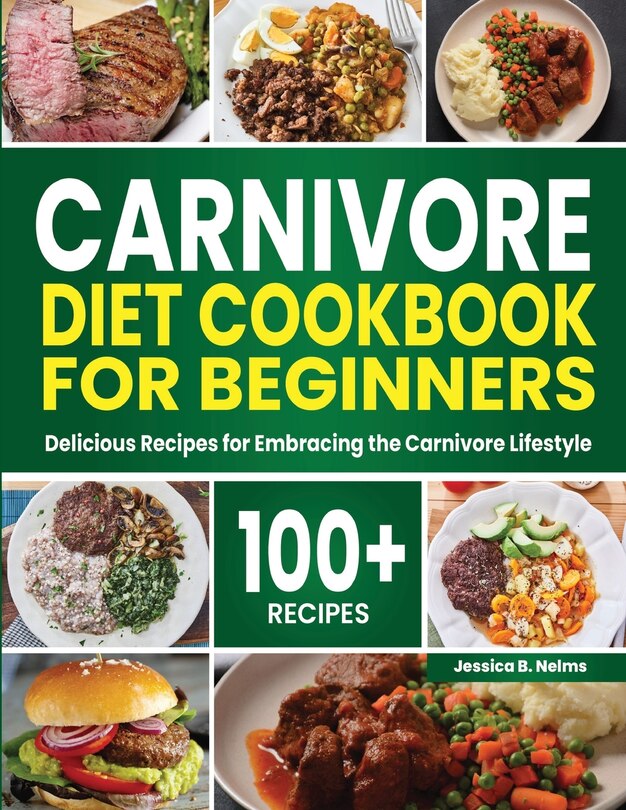
Credit: www.indigo.ca
Health Benefits
The Carnivore Diet Book highlights several health benefits linked to this unique eating style. It promotes eating only animal-based foods. Many followers report positive changes in their body and mind. The focus on meat, fish, and animal fats can lead to notable improvements.
These benefits often include weight loss, clearer thinking, and less inflammation. The diet removes many processed foods and sugars. This helps the body function better. Below are key health benefits explained clearly.
Weight Loss Effects
The Carnivore Diet can help reduce body fat. It limits carbs and sugars, which lowers insulin levels. This change encourages the body to burn stored fat. Many people feel fuller with high-protein meals. This can reduce overeating and snacking. Weight loss often happens naturally without strict calorie counting.
Improved Mental Clarity
Mental focus and clarity often improve on this diet. Removing sugar and processed foods can reduce brain fog. High protein and fat support steady energy for the brain. Many users report better concentration and mood stability. The diet may help reduce anxiety and improve sleep quality.
Inflammation Reduction
The Carnivore Diet can lower inflammation markers in the body. Cutting out plant toxins and processed ingredients helps calm the immune system. This may reduce joint pain and skin issues. Some find relief from autoimmune symptoms. Eating nutrient-rich animal foods supports healing and recovery.
Getting Started
Starting the carnivore diet requires some planning and preparation. This approach focuses only on animal-based foods. It cuts out all plants and carbs. Your body will rely on meat, fish, eggs, and animal fats for energy. The change can feel big at first. Preparing well helps ease the transition. Understanding what to eat and how to shop is key. Having the right kitchen tools also makes cooking easier and more enjoyable.
Meal Planning Tips
Plan your meals around simple, whole-animal foods. Prioritize fatty cuts of meat for energy. Include organ meats for important nutrients. Keep meals repetitive at first to reduce decision fatigue. Consider these meal ideas:
- Grilled ribeye steak with butter
- Pan-fried salmon with crispy skin
- Scrambled eggs cooked in animal fat
- Beef liver sautéed with salt
Prepare larger portions to save cooking time. Store leftovers for quick meals. Drink plenty of water and add salt to maintain balance.
Grocery Shopping Guide
Buy fresh and high-quality animal products. Look for grass-fed or pasture-raised meat if possible. Choose a variety of cuts for nutrients and flavor. Include seafood, eggs, and animal fats like tallow or lard. Avoid processed meats with additives. Use this checklist:
- Beef (ribeye, ground beef, liver)
- Pork (chops, bacon, pork shoulder)
- Chicken (thighs, drumsticks, whole birds)
- Fish and shellfish (salmon, sardines, shrimp)
- Eggs (preferably free-range)
- Animal fats (butter, tallow, lard)
Essential Kitchen Tools
Good tools simplify carnivore cooking. A sharp chef’s knife speeds up meat prep. A heavy skillet or cast-iron pan helps sear meat well. Use a meat thermometer for perfect doneness. A slow cooker or instant pot can tenderize tougher cuts. Keep these tools handy:
- Chef’s knife and sharpener
- Cast-iron skillet or heavy frying pan
- Meat thermometer
- Slow cooker or instant pot
- Cutting board
- Tongs and spatula
Cleaning tools thoroughly prevents smells and bacteria. Prepare your kitchen to enjoy simple, tasty carnivore meals.

Credit: books.apple.com
Common Challenges
The Carnivore Diet Book offers clear guidance but some challenges arise. These common hurdles can test your commitment and success. Understanding these difficulties helps you stay strong and focused. Here are some typical challenges and ways to handle them.
Dealing With Cravings
Cravings for carbs and sweets often appear during the first days. Your body is used to sugar and starch. To manage cravings:
- Eat plenty of fatty meat for satisfaction.
- Drink water or bone broth to stay full.
- Distract yourself with hobbies or light exercise.
- Remember cravings pass as your body adapts.
Managing Social Situations
Social events can be tough on the carnivore diet. Many gatherings center around foods you avoid. Try these tips:
- Bring your own carnivore-friendly dish.
- Explain your diet simply to friends or family.
- Focus on the social part, not just the food.
- Plan meals before and after events to stay on track.
Avoiding Nutrient Deficiencies
The carnivore diet limits food variety, raising nutrient concerns. Balance your intake carefully to prevent gaps. Key points include:
- Choose a variety of animal parts like liver and heart.
- Consume fatty fish for omega-3 and vitamin D.
- Consider supplements only if recommended by a doctor.
- Watch for signs like fatigue or hair loss to catch issues early.
Carnivore Diet Myths
The carnivore diet often faces many myths. These myths create doubts about its safety and benefits. Clearing these misunderstandings helps readers make informed choices. Let’s explore some common myths and the facts behind them.
Addressing Cholesterol Concerns
Many believe the carnivore diet raises bad cholesterol dangerously. Studies show that cholesterol levels can vary. Some people see a rise in HDL, the good cholesterol. LDL, often called bad cholesterol, may not increase for everyone. The diet focuses on whole animal foods without processed oils.
Cholesterol is essential for hormone production and cell repair. Blood cholesterol alone does not predict heart disease risk. Other markers like inflammation and triglycerides also matter. The carnivore diet can improve these markers in some cases.
Debunking Protein Overload
People worry about eating too much protein on the carnivore diet. The body uses protein efficiently for muscle and tissue repair. Excess protein is usually converted to energy or stored as fat. The diet encourages eating until fullness, not forced overeating.
High protein intake does not harm kidneys in healthy individuals. Those with kidney disease should consult a doctor before trying this diet. Overall, protein overload is a rare problem for most people on the carnivore plan.
Clarifying Fiber Misconceptions
Fiber is often called essential for digestion. The carnivore diet contains no plant fiber, which raises questions. Some studies suggest humans can digest and absorb nutrients without fiber. The diet may change gut bacteria, but not always negatively.
Many report improved digestion and less bloating on the carnivore diet. Fiber is not the only factor for gut health. Hydration and eating nutrient-rich animal foods play important roles.

Credit: www.amazon.com
Success Stories
The Carnivore Diet Book shares many success stories from people who changed their lives. These stories show real results and inspire others to try the diet. People from different backgrounds and ages have found health and energy improvements. The book highlights personal journeys, athletic performance, and lasting effects.
Personal Transformations
Many readers report significant weight loss after following the carnivore diet. They mention clearer skin and better digestion. Some say chronic pain and inflammation decreased. These changes boost confidence and daily comfort. People feel stronger and more energetic in their routines.
Athlete Experiences
Athletes have praised the diet for enhancing their performance. They notice faster recovery times and improved stamina. The high protein intake supports muscle growth and repair. Some athletes report better focus during training and competitions. The diet helps them maintain a lean physique and high energy levels.
Long-term Results
Long-term followers share sustained health benefits after months or years. Many maintain stable weight and balanced energy. They often experience fewer cravings and better mental clarity. Some report fewer illnesses and improved immune response. The diet becomes a lifestyle, not just a short-term fix.
Advanced Tips
Advanced tips help deepen your carnivore diet experience. These strategies improve nutrition and support better results. Focus on nutrient variety, meal timing, and tracking to stay on course.
Incorporating Organ Meats
Organ meats offer rich nutrients missing in muscle meat. Liver, heart, and kidney provide vitamins A, B12, and iron. Start with small portions to avoid digestive issues. Cook gently to keep nutrients intact. Add organ meats twice a week for balanced nutrition.
Intermittent Fasting With Carnivore
Intermittent fasting pairs well with the carnivore diet. It helps regulate insulin and boost fat burning. Begin with 12-hour fasting windows, then increase gradually. Drink water or bone broth during fasting. Listen to your body and adjust fasting times accordingly.
Tracking Progress
Tracking progress helps maintain motivation and spot issues early. Use a journal or app to log meals, energy, and mood. Track weight and measurements weekly. Note any changes in digestion or sleep. Adjust diet based on tracked data for steady improvement.
Frequently Asked Questions
What Is The Carnivore Diet Book About?
The Carnivore Diet Book explores a diet focusing solely on animal products. It provides insights into health benefits, meal plans, and scientific research. This book is a comprehensive guide for those interested in understanding or adopting the carnivore lifestyle.
Who Should Read The Carnivore Diet Book?
Anyone curious about the carnivore diet should read this book. It’s ideal for those seeking weight loss, improved health, or dietary insights. Whether you’re new to the diet or experienced, this book offers valuable information.
Is The Carnivore Diet Book Scientifically Backed?
Yes, the Carnivore Diet Book includes scientific research and studies. The book discusses the benefits and potential drawbacks of the diet. It provides readers with evidence-based insights and expert opinions.
Can Beginners Benefit From The Carnivore Diet Book?
Absolutely, beginners can greatly benefit from this book. It offers easy-to-understand explanations and practical tips. The book covers everything from basic principles to meal planning and recipes, making it accessible to newcomers.
Conclusion
The Carnivore Diet Book offers clear guidance for meat-based eating. It explains the basics simply and shows what to expect. Readers find useful tips on planning meals and staying healthy. This book helps anyone curious about trying the diet. You get straightforward advice without confusing details.
It encourages you to listen to your body and adjust. The Carnivore Diet Book can support your journey with helpful ideas. A good read for those who want to explore this lifestyle safely.







