
Imagine feeling stronger, more energetic, and healthier every single day. That’s exactly what a balanced cardio and strength training workout routine can offer you.
If you’ve ever wondered how to efficiently burn calories while building muscle, you’re in the right place. This powerful combination doesn’t just transform your body; it elevates your mind and boosts your confidence. Curious about how this routine can fit seamlessly into your busy life?
Ready to unlock the secrets to a more vibrant you? Keep reading to discover a workout plan that promises not just results, but a lifestyle upgrade.
Benefits Of Combining Cardio And Strength
Combining cardio and strength training in your workout routine offers a powerful way to improve your overall fitness. This approach not only saves time but also maximizes the benefits you get from exercising. Let’s dive into some key advantages that can help you understand why mixing these two types of training works so well.
Boosting Metabolism
Cardio workouts increase your heart rate and burn calories during exercise, but strength training builds muscle, which keeps your metabolism high even when you’re resting. Muscle tissue requires more energy to maintain than fat, so the more muscle you have, the more calories you burn throughout the day.
Have you noticed how after a tough weightlifting session, you keep feeling warm or slightly sweaty? That’s your metabolism working overtime. Combining both workouts creates a metabolic boost that lasts longer than doing either alone.
Enhancing Muscle Tone
Cardio helps reduce body fat, making your muscles more visible. Strength training shapes and defines those muscles, giving you a toned and firm appearance.
Think about a runner who also lifts weights—they tend to look lean but strong. You don’t have to choose between losing fat and gaining muscle; doing both lets you achieve a balanced and attractive physique.
Improving Heart Health
Cardio exercises like running, cycling, or swimming strengthen your heart and improve blood circulation. Adding strength training supports this by lowering blood pressure and improving cholesterol levels.
When you combine these workouts, your heart gets a complete workout: endurance from cardio and strength support from resistance exercises. How could better heart health change your daily energy and performance?
Credit: mindandmuscleacademy.substack.com
Choosing Cardio Exercises
Choosing the right cardio exercises can make a big difference in how effective and enjoyable your workout routine is. The key is to match your cardio workouts with your fitness goals, current fitness level, and personal preferences. Think about what motivates you and keeps you moving consistently.
High-intensity Interval Training
High-Intensity Interval Training (HIIT) packs a powerful punch in a short amount of time. It involves alternating between bursts of intense activity and short recovery periods. You might sprint for 30 seconds, then walk for a minute, repeating this cycle for 15-20 minutes.
HIIT boosts your metabolism long after you finish, helping you burn more calories throughout the day. If you have limited time but want maximum results, this could be your go-to. However, it’s important to listen to your body, especially if you’re new to exercise or have joint concerns.
Steady-state Cardio Options
Steady-state cardio means keeping a consistent, moderate pace for an extended time. This could be jogging, cycling, or swimming for 30 to 60 minutes without big changes in intensity. It’s great for building endurance and can be less intimidating for beginners.
Steady-state workouts are easier to sustain over longer periods, making them ideal for burning fat and improving cardiovascular health. You might find it relaxing and meditative, giving your mind a break while your body works. What steady activity do you enjoy enough to keep coming back to?
Low-impact Alternatives
If you have joint issues or prefer gentler movement, low-impact cardio is a smart choice. Activities like walking, elliptical training, or water aerobics reduce stress on your joints while still getting your heart rate up. These exercises can be just as effective when done regularly.
Low-impact cardio often allows for longer sessions without fatigue or injury risk. It’s also a great way to stay active if you’re recovering from injury or new to fitness. Have you tried swapping high-impact exercises for low-impact ones and noticed how your body feels afterward?
Selecting Strength Training Moves
Selecting the right strength training moves shapes your workout’s success. Choosing exercises that build multiple muscles saves time and boosts results. Balance exercises that improve strength, stability, and mobility. Focus on moves that fit your fitness level and goals. Variety keeps workouts interesting and challenges your body in new ways.
Compound Exercises
Compound exercises target several muscle groups at once. They improve coordination and burn more calories. Examples include squats, deadlifts, and bench presses. These moves build strength faster than isolated exercises. They also mimic everyday movements, which helps in daily life. Compound exercises form the base of most strength routines.
Bodyweight Workouts
Bodyweight workouts need no equipment and can be done anywhere. Push-ups, planks, and lunges strengthen muscles using your own weight. They improve balance and flexibility. Bodyweight moves suit beginners and advanced exercisers. They allow easy progress by changing speed or adding reps. Great for building a strong foundation before adding weights.
Using Free Weights And Machines
Free weights and machines add resistance to build muscle. Dumbbells, barbells, and kettlebells improve strength and coordination. Machines guide your movements and help with form. Free weights offer more freedom and engage stabilizer muscles. Use machines to target specific muscles safely. Combine both for a balanced and effective workout.
Credit: www.lemon8-app.com
Structuring Your Workout Routine
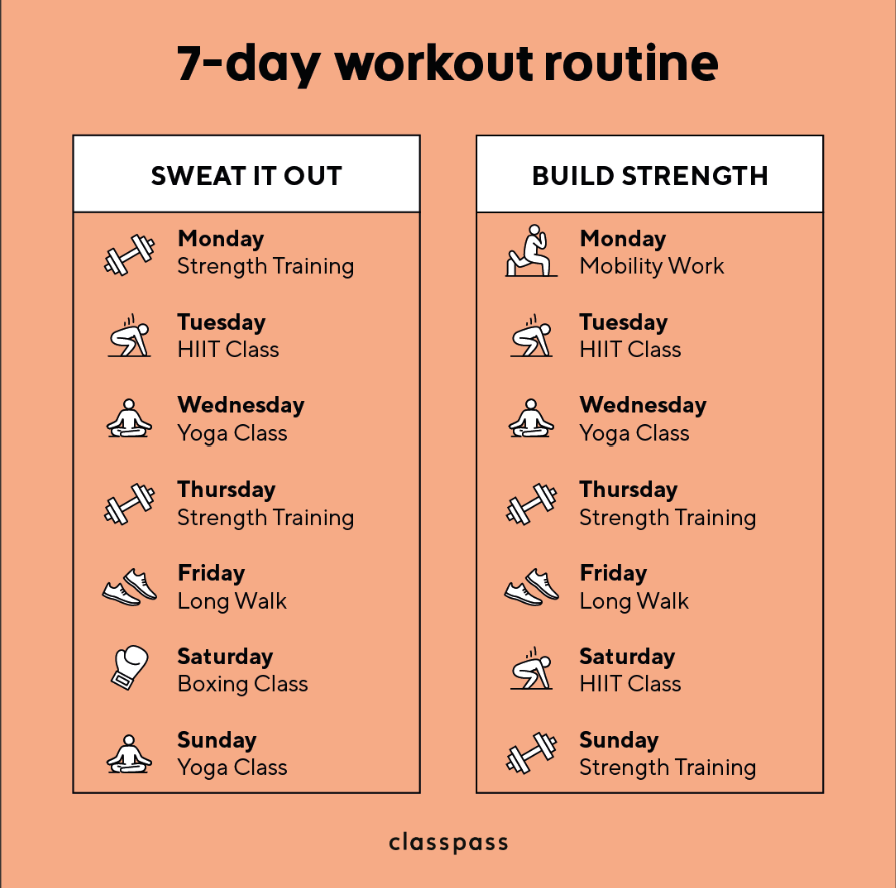
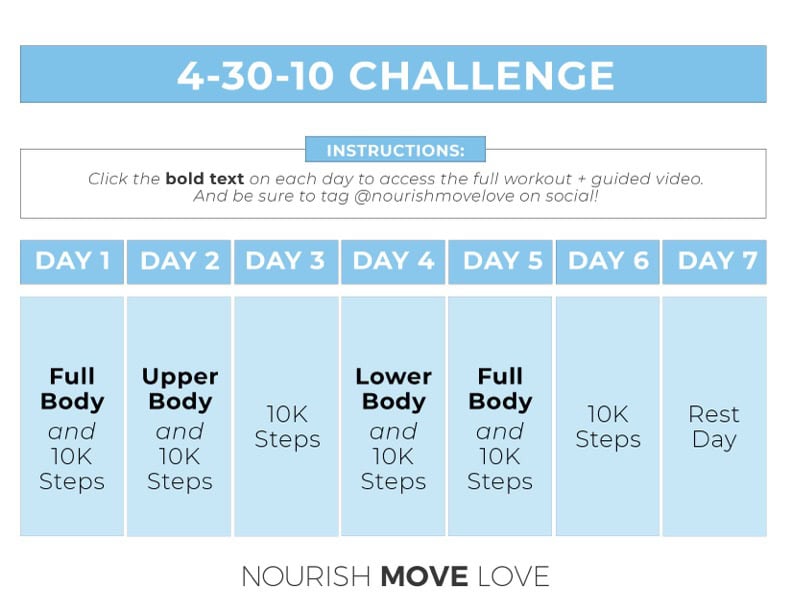
Structuring your workout routine carefully can boost your fitness results. It helps you build strength and improve endurance without burning out. A well-planned routine keeps your body challenged and rested. This balance is key to long-term progress and avoiding injuries.
Balancing Cardio And Strength Sessions
Combine cardio and strength workouts in a way that suits your goals. For fat loss, prioritize cardio but include strength to preserve muscle. For muscle gain, focus more on strength but add cardio for heart health. Split sessions by day or time of day to avoid fatigue. Listen to your body and adjust intensity accordingly.
Scheduling Rest And Recovery
Rest days are vital for muscle repair and growth. Schedule at least one or two rest days each week. Use active recovery like walking or gentle stretching on rest days. Avoid back-to-back intense workouts targeting the same muscle groups. Rest helps prevent injuries and keeps motivation high.
Progressive Overload Techniques
Gradually increase workout difficulty to keep improving. Add more weight, increase reps, or extend workout time slowly. Track your progress to see small improvements each week. Change exercises to challenge muscles in new ways. Consistent overload forces your body to adapt and grow stronger.
Nutrition Tips For Fat Burning
Proper nutrition plays a key role in burning fat during cardio and strength workouts. Eating the right foods before and after exercise helps your body perform better and recover faster. Staying hydrated also supports fat loss and keeps energy levels steady. Here are simple nutrition tips to enhance your fat-burning routine.
Pre-workout Fuel
Eat a small meal or snack 30 to 60 minutes before exercise. Focus on foods with carbohydrates and a little protein.
- Whole-grain toast with peanut butter
- Banana and low-fat yogurt
- Oatmeal with berries
This fuel gives energy for your workout and prevents early fatigue.
Post-workout Recovery Meals
After training, eat within 1 hour to help muscles recover. Include protein to repair muscle and carbs to restore energy.
- Grilled chicken with quinoa and vegetables
- Protein shake with fruit
- Egg omelet with whole-grain bread
Balanced meals support muscle growth and speed up fat loss.
Hydration Strategies
Drink water before, during, and after workouts. Proper hydration keeps metabolism active and reduces fatigue.
- Drink 16–20 ounces of water 2 hours before exercise
- Take small sips every 15–20 minutes during workouts
- Rehydrate with 16–24 ounces after exercise
Adequate hydration improves performance and helps your body burn fat efficiently.
Credit: www.nourishmovelove.com
Tracking Progress And Staying Motivated
Tracking your progress and staying motivated are essential parts of any cardio and strength training routine. Without a clear view of your improvements, it’s easy to lose focus or feel stuck. Keeping tabs on your journey helps you see how far you’ve come and pushes you to keep going, even when results seem slow.
Using Fitness Apps And Journals
Fitness apps can be powerful tools to track your workouts, monitor your heart rate, and log your weights lifted. They provide instant feedback and show trends over time, which keeps motivation high.
If you prefer writing by hand, a fitness journal works just as well. Jot down what exercises you did, the duration, and how you felt afterward. This simple habit creates a personal record that’s rewarding to look back on.
Setting Realistic Goals
Setting goals that are achievable keeps you engaged and prevents frustration. Instead of aiming to run 10 miles on day one, try increasing your distance by half a mile each week.
Break your main goal into smaller steps, like improving your push-up count by two every session. These small wins build confidence and maintain your momentum.
Celebrating Milestones
Recognize and reward yourself for hitting milestones, no matter how small. Finished your first 5K run? Treat yourself to a new workout outfit or a relaxing massage.
Celebrations reinforce positive behavior and help you associate your fitness journey with enjoyable experiences. What’s a reward that would motivate you to keep pushing forward?
Frequently Asked Questions
What Are The Benefits Of Combining Cardio And Strength Training?
Combining cardio and strength training improves overall fitness, boosts metabolism, and supports fat loss. It enhances heart health and builds muscle simultaneously. This balanced approach increases endurance and strength, promoting long-term health and better workout results.
How Often Should I Do Cardio And Strength Workouts Weekly?
Aim for 3-4 cardio sessions and 2-3 strength training workouts each week. This schedule balances recovery and progress. Adjust frequency based on your fitness goals and experience level for optimal results.
Can Cardio And Strength Training Be Done In One Session?
Yes, combining both in one session is effective if planned well. Start with strength training, then finish with cardio for best energy use. This method saves time and boosts overall fitness without overtraining.
What Is The Best Order: Cardio Before Or After Strength Training?
Perform strength training before cardio for better muscle performance and energy. Cardio after weights helps burn fat and aids recovery. This order maximizes strength gains and cardiovascular benefits.
Conclusion
Combining cardio and strength training improves overall fitness and health. This routine builds muscle and boosts heart health at the same time. It helps burn calories while increasing strength and endurance. Consistency is key to seeing steady progress and results.
Start slow, listen to your body, and increase intensity over time. Enjoy feeling stronger and more energetic every day. This balanced approach supports long-term wellness and a healthy lifestyle. Keep moving, stay motivated, and make fitness a regular habit.







