
Are you ready to boost your heart health while working out at the gym? Cardiac exercise is one of the best ways to strengthen your heart, increase your energy, and improve your overall well-being.
Whether you’re new to fitness or looking to take your routine to the next level, understanding how to safely and effectively include heart-focused workouts can make all the difference. You’ll discover simple yet powerful tips to get your heart pumping the right way and keep you motivated every step of the way.
Keep reading to learn how to make your gym sessions work harder for your heart—and your health.
Benefits Of Cardiac Exercise
Cardiac exercise offers many benefits for the heart and overall health. It helps the heart work better and keeps the body strong. Regular cardiac workouts at the gym improve how the heart pumps blood and support healthy living. This exercise also lowers the chance of heart problems and helps maintain good fitness levels.
Improving Heart Function
Cardiac exercise makes the heart muscle stronger. It increases blood flow and oxygen delivery to the body. The heart pumps more efficiently, reducing strain during daily activities. This leads to better stamina and less fatigue. Over time, the heart adapts to handle physical challenges with ease.
Reducing Cardiovascular Risks
Regular cardiac workouts help lower blood pressure and bad cholesterol. They reduce the risk of heart attacks and strokes. Exercise also controls body weight and improves blood sugar levels. These changes protect arteries from damage and keep the heart healthy. Consistent effort decreases the chance of heart disease.
Enhancing Overall Fitness
Cardiac exercise boosts endurance and energy levels. It supports weight management and builds stronger muscles. Improved fitness helps with balance, coordination, and flexibility. This makes daily tasks easier and reduces injury risks. A healthy heart improves quality of life and overall well-being.
Credit: www.khaleejtimes.com
Types Of Cardiac Workouts
Cardiac workouts improve heart function and boost overall health. Different exercise types target the heart in unique ways. Choosing the right workout depends on fitness level and health goals. Each type offers benefits for heart strength and endurance.
Aerobic Exercises
Aerobic exercises increase heart rate steadily for a longer time. Common activities include walking, cycling, and swimming. These exercises improve oxygen flow and help reduce blood pressure. They strengthen the heart muscle and improve lung capacity. Aim for at least 150 minutes of moderate aerobic activity weekly.
High-intensity Interval Training
High-Intensity Interval Training (HIIT) alternates short bursts of intense effort with rest. This method boosts heart rate quickly and helps burn calories fast. HIIT improves cardiovascular fitness and increases metabolism. Sessions are shorter but very effective for heart health. Beginners should start slow and build up intensity gradually.
Strength Training For Heart Health
Strength training uses weights or resistance bands to build muscle. Strong muscles support better blood flow and reduce heart strain. This type of training improves metabolism and helps control weight. It also lowers bad cholesterol and raises good cholesterol. Include strength exercises two to three times per week for best results.
Gym Equipment For Heart Workouts
Cardio exercise is essential for a strong heart and overall health. Using the right gym equipment helps you get the best heart workout. These machines boost your heart rate safely and effectively. They also allow you to control your workout intensity. This control helps improve heart health steadily.
Many gym machines focus on cardiovascular fitness. They engage large muscle groups and keep your heart pumping. Choosing equipment depends on your fitness level and preferences. Each machine offers unique benefits for heart workouts.
Treadmills And Ellipticals
Treadmills are classic cardio machines that simulate walking or running. They help build endurance and strengthen the heart. Users can adjust speed and incline for varied intensity. This flexibility suits beginners and advanced users alike.
Ellipticals offer a low-impact alternative. They protect joints while providing a full-body workout. This machine combines arm and leg movement. It raises heart rate without harsh stress on knees.
Stationary Bikes
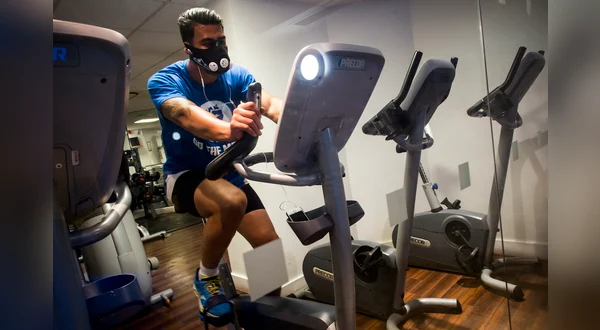
Stationary bikes are perfect for low-impact cardio. They improve heart health and leg strength. Adjustable resistance levels let you customize your effort. Bikes work well for long workouts or short bursts.
Seated or upright bikes support good posture. Recumbent bikes provide extra back support. This makes them ideal for users with back issues.
Rowing Machines
Rowing machines offer a full-body cardio workout. They engage arms, legs, and core muscles. This results in efficient heart strengthening. Rowing is also low-impact and easy on joints.
Proper technique is key to maximize benefits. The smooth, rhythmic motion helps maintain a steady heart rate. It is effective for burning calories and improving endurance.

Credit: www.aol.com
Designing A Heart-healthy Routine
Creating a heart-healthy exercise routine in the gym is essential for boosting cardiovascular health and overall well-being. It’s not just about working out hard; it’s about working out smart. Your routine should match your fitness level and lifestyle to keep your heart strong without overloading it.
Setting Realistic Goals
Start by defining clear and achievable goals. Are you aiming to improve endurance, lower blood pressure, or simply stay active? Setting specific targets, like walking on the treadmill for 20 minutes three times a week, helps maintain motivation.
Remember, pushing too hard too fast can backfire. I once tried to run five miles a day without building up gradually—it led to burnout and frustration. What small step can you take today that feels doable yet challenging?
Balancing Intensity And Duration
Finding the right mix between how hard and how long you exercise is key. High-intensity workouts can boost heart health but should be balanced with moderate sessions to avoid strain.
- Start with 30-minute sessions combining brisk walking or cycling.
- Include intervals where you increase speed for 1-2 minutes, then slow down.
- Adjust based on how your body feels—fatigue is a signal, not a goal.
Think about your week: how many days can you consistently dedicate to cardio without feeling overwhelmed?
Incorporating Rest And Recovery
Rest days are just as important as workout days for heart health. Your heart needs time to recover and adapt to the exercise load.
Plan at least one or two rest days weekly. On these days, light activities like stretching or gentle yoga can help circulation without stressing your heart.
Ask yourself: do you listen to your body enough to take breaks, or do you push through tiredness? Rest isn’t a sign of weakness; it’s a smart part of your routine.
Safety Tips During Cardiac Exercise
Exercising your heart in the gym is a powerful way to boost your health. But safety matters most during cardiac workouts. Being mindful of how your body responds can prevent problems before they start.
Monitoring Heart Rate
Keeping an eye on your heart rate helps you stay in the right exercise zone. Use a reliable heart rate monitor or check your pulse regularly during workouts. Aim to stay within your target heart rate, which you can calculate based on your age and fitness level.
Have you ever pushed too hard and felt dizzy or exhausted? That’s a sign your heart rate might be too high. Adjust your pace to keep your heartbeat steady and safe.
Recognizing Warning Signs
Listen closely to your body. Sudden chest pain, unusual shortness of breath, or severe fatigue are red flags. Don’t ignore symptoms like lightheadedness or palpitations.
Stopping immediately and seeking help can make all the difference. Remember, discomfort is different from normal exercise effort. Know the signs that mean you should pause or stop.
Consulting Healthcare Providers
Before starting any cardiac exercise program, talk to your doctor. They can tailor advice to your specific health needs and risks. A healthcare provider can also recommend safe exercise limits and types.
Have you shared your workout plans with your doctor? Getting professional guidance ensures you build strength without risking your heart. Regular check-ups during your fitness journey keep you on track and safe.
Tracking Progress And Staying Motivated
Tracking progress and staying motivated are key to improving cardiac fitness at the gym. Seeing results keeps your energy high and your goals clear. Small wins build confidence and push you forward.
Consistent tracking helps spot improvements and areas needing work. Motivation grows when you celebrate milestones and share progress with others. The right tools and community support make a big difference.
Using Fitness Trackers
Fitness trackers measure heart rate, calories burned, and workout duration. They provide real-time feedback during cardio exercises. This data helps adjust intensity for better results.
Trackers also store past workouts, showing progress over weeks or months. Visual graphs make improvements easy to see. This boosts motivation and encourages regular exercise.
Setting Milestones
Set clear, achievable goals to stay focused. Milestones can be time-based, distance-related, or heart rate targets. Reaching these goals brings a sense of achievement.
Break larger goals into smaller steps. Celebrate each success to maintain enthusiasm. Milestones keep workouts purposeful and rewarding.
Joining Group Classes
Group classes offer social support and structure. Exercising with others increases accountability. The group energy keeps motivation high.
Instructors provide guidance and ensure proper technique. Classes vary in intensity to match different fitness levels. This variety helps prevent boredom and plateaus.

Credit: fitnesscfgyms.com
Frequently Asked Questions
What Is Cardiac Exercise In The Gym?
Cardiac exercise focuses on improving heart health through aerobic activities. It involves workouts that raise your heart rate safely. Examples include treadmill walking, cycling, and elliptical training. These exercises enhance cardiovascular endurance and reduce heart disease risk.
How Often Should I Do Cardiac Exercise Weekly?
Experts recommend 150 minutes of moderate cardiac exercise weekly. This can be split into 30-minute sessions, five days a week. Consistency improves heart strength and overall fitness. Always consult a doctor before starting a new routine.
Can Cardiac Exercise Help With Weight Loss?
Yes, cardiac exercise burns calories and boosts metabolism. It helps reduce body fat and improve muscle tone. Combined with a healthy diet, it supports effective weight loss and heart health. Regular sessions increase stamina and energy levels.
Is Cardiac Exercise Safe For Heart Patients?
With medical approval, cardiac exercise can be safe and beneficial. It improves heart function and lowers blood pressure. Patients should follow personalized programs and avoid overexertion. Monitoring by health professionals is essential during workouts.
Conclusion
Cardiac exercise in the gym boosts heart health. It strengthens your heart muscle. Regular workouts can improve blood circulation. They also help manage weight and reduce stress. Consistency is key for better results. Start with simple exercises and build up gradually.
Listen to your body and avoid overexertion. Consult a doctor if you have health concerns. Remember, every step counts towards a healthier heart. So, make exercise a regular part of your routine. Your heart will thank you. Stay active, stay healthy, and enjoy the journey to better heart health.







