
Are you tired of diets that leave you feeling hungry and drained? The Carb Cycling Diet Plan might be exactly what you need to break through your weight loss plateaus and boost your energy.
This approach lets you enjoy carbs on certain days while cutting back on others, helping your body burn fat more effectively. If you want a flexible, easy-to-follow plan that fits your lifestyle and keeps your metabolism firing, keep reading. By the end of this article, you’ll know how to tailor carb cycling to your goals and start seeing real results.
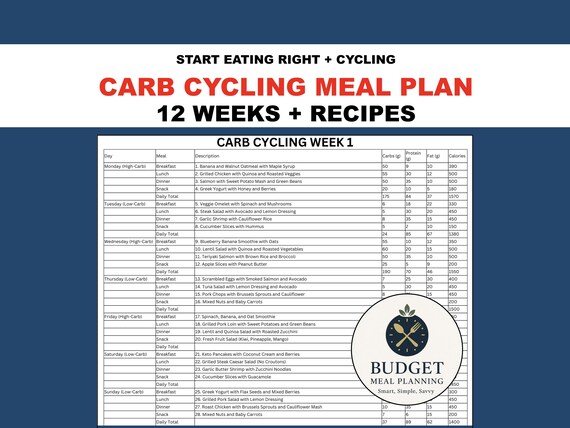
Credit: www.etsy.com
What Is Carb Cycling
Carb cycling is a dietary approach that changes your carbohydrate intake on different days. Instead of eating the same amount of carbs every day, you adjust the amount depending on your activity level or goals. This method can help you manage weight, improve energy, and support muscle growth.
What Does Carb Cycling Mean?
Carb cycling involves alternating between high-carb, low-carb, and sometimes no-carb days. On high-carb days, you eat more carbohydrates to fuel workouts and recovery. Low-carb days focus on fat and protein to encourage fat burning while keeping your energy steady.
How Does Carb Cycling Affect Your Body?
Your body uses carbs as its main energy source. When you reduce carbs, your body turns to fat for fuel, which can help with fat loss. Alternating carb intake can prevent metabolic slowdown and keep your energy levels balanced.
Who Can Benefit From Carb Cycling?
If you want to lose fat without losing muscle, carb cycling can be useful. Athletes and fitness enthusiasts use it to improve performance and recovery. Even if you’re not highly active, adjusting carbs can help you avoid plateaus in weight management.
Common Patterns Of Carb Cycling
- High-carb days:Usually scheduled around intense workout days.
- Low-carb days:Fit on rest or light activity days.
- No-carb or very low-carb days:Occasionally used to maximize fat burning.
Have you noticed how your energy changes with different carb intakes? Paying attention to your body’s response is key when trying carb cycling.
Credit: www.lemon8-app.com
Benefits For Fat Loss
The Carb Cycling Diet Plan offers unique benefits for fat loss that many traditional diets don’t provide. By alternating your carb intake, you can manage your energy levels and fat burning more effectively. This approach keeps your metabolism active and helps avoid the common plateaus experienced in steady low-carb diets.
Improved Fat Burning Efficiency
Carb cycling helps your body switch between burning carbs and fat for energy. On low-carb days, your body turns to stored fat as fuel, which can accelerate fat loss. This shift prevents your metabolism from slowing down, a common issue when carbs are restricted for too long.
Preserves Muscle Mass While Losing Fat
One challenge with many diets is losing muscle along with fat. Carb cycling provides enough carbs on high-carb days to fuel your workouts and recovery. This support helps you maintain muscle while your body sheds fat, keeping you strong and toned.
Reduces Hunger And Cravings
Constant low-carb dieting often leads to intense hunger and cravings. Carb cycling offers regular high-carb days that satisfy your appetite and reduce cravings. This balance makes it easier to stick with your diet plan over time without feeling deprived.
Boosts Metabolism And Energy Levels
Eating carbs on scheduled days prevents your metabolism from slowing down. You get energy boosts on high-carb days, which improves your workout performance. This extra energy can help you burn more calories overall, speeding up fat loss.
Supports Sustainable Long-term Fat Loss
Fat loss isn’t just about quick results; it’s about keeping the weight off. Carb cycling creates a flexible approach to eating that adapts to your lifestyle. With this flexibility, you’re more likely to stick with healthy habits and maintain your fat loss over time.
How Carb Cycling Works
Understanding how carb cycling works can help you decide if this diet plan fits your lifestyle and goals. The idea is simple: you alternate your carbohydrate intake throughout the week to optimize energy, fat loss, and muscle growth. This cycling pattern challenges your body in different ways, keeping your metabolism active and responsive.
High Carb Days
On high carb days, you eat more carbohydrates than usual. This boosts your energy levels and refills glycogen stores in your muscles. It’s the perfect day for intense workouts or heavy training sessions.
You might include foods like brown rice, sweet potatoes, oats, and fruits. These carbs fuel your muscles and help you perform at your best. Have you noticed how your energy spikes on days you eat more carbs?
Low Carb Days
Low carb days reduce your carbohydrate intake significantly. Instead, you focus on eating more protein and healthy fats. This helps your body tap into fat stores for energy rather than relying on carbs.
On these days, meals might include lean meats, eggs, avocados, and leafy greens. These foods keep you full and support muscle maintenance. How does your body feel when you cut back on carbs—more focused or sluggish?
No Carb Days
No carb days are the most restrictive, where you avoid carbohydrates almost entirely. This forces your body into a deeper fat-burning mode called ketosis. It’s a challenging day but can speed up fat loss when done correctly.
Expect to eat mostly proteins and fats like chicken, fish, nuts, and oils. It’s important to stay hydrated and listen to your body during these days. Could you handle a day without carbs to push your fat loss further?
Choosing Your Carb Sources
Choosing the right carb sources is key to making your carb cycling diet work effectively. Not all carbs deliver the same benefits, and picking the best ones can boost your energy levels and help you stay on track. Let’s break down what carbs to focus on and which ones to avoid.
Best Carbs For Energy
Some carbs fuel your body better than others. Focus on complex carbs that release energy slowly, keeping you energized longer.
- Oats:Great for breakfast, they provide steady energy and keep you full.
- Sweet potatoes:Packed with fiber and vitamins, they stabilize blood sugar.
- Brown rice:A versatile carb that supports sustained energy.
- Quinoa:High in protein and fiber, it’s a powerhouse carb source.
- Legumes:Beans and lentils offer both carbs and protein, perfect for energy and recovery.
Ever noticed how some carbs make you crash mid-afternoon? Choosing these options can help prevent that slump and keep your workouts strong.
Avoiding Processed Carbs
Processed carbs often lead to quick energy spikes followed by crashes. These can sabotage your carb cycling goals.
- Stay clear of white bread and pastries—they spike blood sugar rapidly.
- Limit sugary cereals and snacks; they add empty calories.
- Avoid sugary drinks and sodas that offer no lasting fuel.
Think about your last snack—did it leave you energized or tired? Swapping processed carbs for whole foods can change that feeling entirely.
Setting Up Your Carb Cycling Plan
Setting up a carb cycling plan requires more than just cutting carbs randomly. You need a clear structure that fits your lifestyle and fitness goals. Understanding how to calculate your macros and plan your weekly carb intake will make your carb cycling journey effective and sustainable.
Calculating Macros
Start by figuring out your daily calorie needs based on your activity level and goals. Then, divide those calories into macronutrients: proteins, fats, and carbohydrates.
Protein should stay consistent to support muscle repair and growth. Fat intake can also remain steady, but carbs will vary depending on the day.
For example, if you need 2,000 calories daily, you might allocate 30% to protein, 25% to fat, and the remaining 45% to carbs on high-carb days. On low-carb days, reduce carbs to 10-15%, and increase fats to balance calories.
Weekly Carb Patterns
Plan your week with a mix of high, moderate, and low-carb days. This variation helps your body efficiently use carbs when needed and burn fat when carbs are low.
- High-carb days:Use these on intense workout days to fuel performance and recovery.
- Moderate-carb days:Good for light training or active rest days.
- Low-carb days:Ideal for rest days or when your goal is fat loss.
Ask yourself: which days do you push hard in the gym? Schedule those as high-carb days. This targeted approach keeps energy high without unnecessary carb overload.
Sample Meal Plans
Sample meal plans help you understand how to balance your carbs throughout the week. They show how to adjust your food choices based on high, low, or no carb days. This variety can keep your meals exciting and support your energy and fat loss goals effectively.
High Carb Day Meals
On high carb days, your body refuels glycogen stores and boosts metabolism. Focus on whole grains, fruits, and starchy vegetables. These foods give you the energy needed for intense workouts or active days.
- Breakfast:Oatmeal topped with banana slices and a drizzle of honey
- Lunch:Grilled chicken with quinoa and roasted sweet potatoes
- Snack:Greek yogurt with mixed berries and a handful of almonds
- Dinner:Brown rice with steamed broccoli and baked salmon
Notice how these meals keep protein steady while increasing carbs. This balance helps muscle recovery and energy without adding excess fat.
Low Carb Day Meals
Low carb days focus on lean proteins and non-starchy vegetables. Reducing carb intake encourages your body to burn stored fat for fuel. This helps maintain steady weight loss and improves insulin sensitivity.
- Breakfast:Scrambled eggs with spinach and avocado
- Lunch:Tuna salad with mixed greens, cucumber, and olive oil dressing
- Snack:Celery sticks with natural peanut butter
- Dinner:Grilled turkey breast with asparagus and cauliflower rice
Think about how these meals are rich in nutrients but low in carbs. Would you find it easy to stick to this plan on your less active days?
No Carb Day Meals
No carb days push your body deeper into fat burning by almost eliminating carbs. Meals are heavily based on protein and healthy fats. These days require careful planning to avoid fatigue and keep energy levels steady.
- Breakfast:Omelet with cheese, mushrooms, and bell peppers
- Lunch:Grilled steak with a side of sautéed spinach cooked in coconut oil
- Snack:Hard-boiled eggs or beef jerky
- Dinner:Baked chicken thighs with avocado slices and a small salad dressed with olive oil
Have you noticed how these meals focus on satiety and nutrient density? They can help you stay full and avoid cravings even without carbs.
Common Mistakes To Avoid
Starting a carb cycling diet plan can feel like navigating a maze. Many people stumble not because the plan is flawed, but because they miss key details. Avoiding common mistakes can save you time, frustration, and help you see real progress.
Not Tracking Your Carb Intake Accurately
One major error is guessing your carb amounts instead of tracking them. Precision matters because carb cycling relies on alternating between high and low carb days. If you don’t measure carefully, you might consume too many carbs on low days or too few on high days, which throws off your results.
Try using a food scale or a tracking app. This helps you stay on target and see what works for your body.
Ignoring Protein And Fat Balance
Focusing only on carbs can be tempting, but neglecting protein and fat can stall your progress. Protein supports muscle repair and fat fuels your body during low carb days. If you cut carbs but don’t adjust your protein and fat intake, you might feel tired or lose muscle instead of fat.
Ask yourself: Are you eating enough protein to keep your energy up? Are healthy fats part of your meals?
Skipping Meals Or Going Too Low On Calories
Some people think eating fewer calories on low carb days will speed up fat loss. However, dropping calories too much can slow down your metabolism and make you feel weak. Your body needs fuel to function well, especially during workouts.
Maintain a moderate calorie intake and listen to your hunger cues. Are you feeling drained or energized throughout the day?
Not Planning High Carb Days Around Activity
High carb days are most effective when timed with your most intense workouts. Eating carbs on rest days or low activity days can lead to fat gain instead of energy boost. Planning your carb intake around exercise helps maximize performance and recovery.
Look at your weekly schedule: Are your high carb days aligned with your heavy training sessions?
Failing To Adjust Based On Results
Carb cycling isn’t one-size-fits-all. What worked for someone else may not work for you. If you’re not seeing progress, it’s crucial to tweak your carb amounts, meal timing, or calorie intake.
Keep a journal or log to track how your body responds. Have you been patient and flexible enough to make changes when needed?

Credit: billbonebikelaw.com
Tracking Progress And Adjustments
Tracking your progress on a carb cycling diet plan is essential to know if your efforts are paying off. Without monitoring, you might miss signs that certain adjustments could improve your results. Keeping an eye on key indicators helps you stay on course and make smarter choices as you go.
Setting Clear And Measurable Goals
Start by defining what success looks like for you. Are you aiming to lose fat, build muscle, or boost energy levels? Write down specific goals with timelines, such as losing 5 pounds in a month or increasing workout endurance.
Clear goals give you a benchmark to compare against. This clarity keeps motivation high and helps you spot if the current plan needs tweaking.
Using Tracking Tools And Journals
Track your daily carb intake, workout performance, and body measurements using apps or a simple journal. Seeing trends over time reveals what’s working and what’s not.
Many people underestimate how small carb variations affect their energy or weight. Logging these details sheds light on hidden patterns you might miss otherwise.
Evaluating Physical And Mental Changes
Pay attention to how your body feels beyond the scale. Notice energy levels, mood, hunger, and sleep quality throughout your carb cycling phases.
Sometimes, weight stays steady but you feel stronger or more focused. These subtle wins are important signals that your plan is on the right track.
Adjusting Your Carb Intake Based On Results
If you hit a plateau or feel fatigued, consider tweaking your carb amounts or cycling frequency. Increasing carbs on workout days can boost performance, while lowering them on rest days may aid fat loss.
Don’t be afraid to experiment in small steps. Adjustments should be based on data from your tracking, not guesswork.
Consulting With Professionals For Personalized Advice
Sometimes progress stalls despite your best efforts. At this point, consulting a dietitian or fitness coach can provide personalized insights and fine-tune your plan.
Getting expert feedback helps avoid frustration and ensures your carb cycling fits your unique metabolism and lifestyle.
Who Should Try Carb Cycling
Wondering if carb cycling is the right fit for your lifestyle and goals? This approach isn’t for everyone, but it can be a game-changer for certain groups of people. Understanding who benefits most will help you decide if it’s worth trying.
Individuals Looking To Break A Weight Loss Plateau
If you’ve been stuck at the same weight for weeks despite dieting and exercising, carb cycling might give your metabolism a boost. Alternating high and low carb days can prevent your body from adapting to a steady calorie intake. This variation often helps reignite fat burning and keeps your progress moving forward.
Active People And Athletes
Do you train intensely or have a demanding workout routine? Carb cycling can help you fuel your workouts with high-carb days while promoting fat loss on low-carb days. This approach provides energy when you need it most without constantly loading up on carbs, which can cause unwanted weight gain.
Those Who Struggle With Carb Sensitivity
Some people notice that eating too many carbs daily leads to energy crashes or weight gain. If you find carbs affect your mood or weight, carb cycling lets you enjoy carbs strategically. It helps balance blood sugar levels and keeps your energy steady throughout the week.
People Wanting Flexibility Without Cutting Carbs Completely
Cutting out carbs entirely isn’t for everyone. Carb cycling offers a middle ground where you don’t have to eliminate carbs but still control intake carefully. It allows you to enjoy your favorite carb-rich foods on specific days without feeling guilty or derailed.
Those Focused On Body Composition Changes
If your goal is to build muscle while losing fat, carb cycling can support both. High-carb days help with muscle recovery and growth, while low-carb days encourage fat loss. This balance is crucial for reshaping your body effectively.
Combining Carb Cycling With Exercise
Combining carb cycling with exercise can amplify your results and keep your energy levels stable throughout the day. The key is to align your carb intake with the type and intensity of your workouts. This balance helps you build muscle, burn fat, and recover faster without feeling drained or sluggish.
Cardio Strategies
On low-carb days, focus on moderate-intensity cardio like brisk walking or light cycling. These activities don’t require quick energy bursts and can help your body burn fat more efficiently. On high-carb days, you can push harder with interval training or running because your muscles have more glycogen to tap into.
Try scheduling your cardio sessions right after your high-carb meals to maximize energy and performance. Notice how your stamina improves when you adjust your carbs based on your cardio plans. Have you ever felt tired during cardio and wondered if your diet was the cause? Carb cycling can help you avoid that.
Strength Training Tips
Strength training demands energy from carbs, so plan your high-carb days on heavy lifting days. This gives your muscles the fuel they need to lift heavier and recover quicker. On low-carb days, focus on lighter weights or bodyweight exercises to maintain muscle without overtaxing your energy stores.
Pay attention to how your body reacts—if you feel weak during lifts, it might be time to adjust your carb intake. Adding a small carb boost before your workout can sometimes make a big difference. Are you tracking your performance alongside your carb cycling? It’s a smart way to fine-tune your plan.
Frequently Asked Questions
What Is The Carb Cycling Diet Plan?
Carb cycling involves alternating high and low carb days to optimize fat loss and muscle gain. It helps balance energy and metabolism effectively.
How Does Carb Cycling Affect Weight Loss?
Carb cycling boosts metabolism by cycling carbs, which can improve fat burning. It prevents plateaus and supports sustained weight loss.
Who Should Try The Carb Cycling Diet Plan?
Athletes, bodybuilders, and those wanting fat loss with muscle retention benefit most from carb cycling. It suits active lifestyles well.
Can Carb Cycling Improve Athletic Performance?
Yes, carb cycling provides energy on high-carb days and aids recovery. It supports endurance and strength during training.
Conclusion
Carb cycling offers a balanced approach to nutrition. It helps manage weight effectively. This diet plan alternates between high and low carb days. People find it adaptable to different lifestyles. It supports muscle growth and weight loss. Meal planning becomes easier with practice.
Stay committed for best results. Remember to listen to your body. Adjust as needed for personal goals. Consistency remains key in any diet plan. Consult a nutritionist for personalized advice. Aim for a healthy and sustainable lifestyle. Enjoy the journey to better health with carb cycling.







