
Have you ever paused before grabbing that gym towel or touching the handles on workout machines? You might wonder, “Can you get herpes from gym equipment?”
It’s a question that crosses many minds but rarely gets a clear answer. Your health and safety are important, especially when you’re working hard to stay fit. You’ll discover the truth about herpes transmission in gyms, learn how to protect yourself, and feel confident every time you hit the workout floor.
Keep reading to separate fact from fiction and take control of your wellness.
Credit: www.goodrx.com
Herpes Virus Basics
Understanding the basics of the herpes virus is key to addressing common concerns, like whether you can catch it from gym equipment. Herpes is caused by a virus that lives on the skin and inside the body. Knowing how it spreads helps you make safer choices in everyday situations.
What Is Herpes?
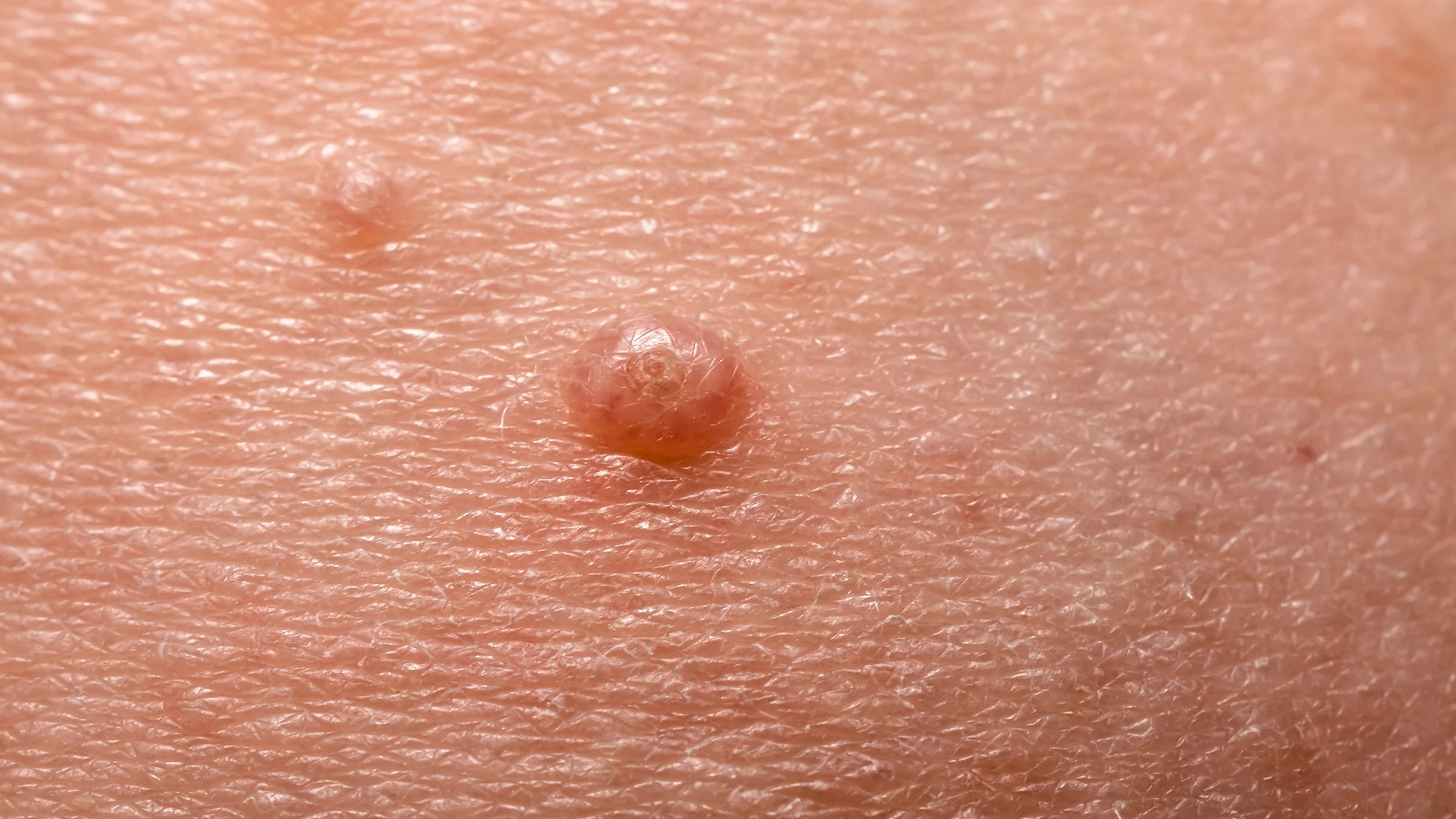
Herpes is a viral infection caused mainly by two types: HSV-1 and HSV-2. HSV-1 usually causes cold sores around the mouth, while HSV-2 is mostly linked to genital infections. Both types can cause sores or blisters, but sometimes the virus stays hidden without symptoms.
How Does Herpes Spread?
The virus spreads through direct skin-to-skin contact, especially when sores or blisters are present. It can also transmit even when no visible symptoms exist, thanks to viral shedding. Transmission usually happens during kissing, sexual activity, or sharing personal items like razors or towels.
Can Herpes Survive On Surfaces?
Herpes virus does not survive long outside the body. It is fragile and usually dies within minutes on dry surfaces. This means the risk of catching herpes from objects like gym equipment is extremely low.
Why People Worry About Gym Equipment
Gyms are shared spaces where many people touch the same surfaces, which raises concerns about infections. While bacteria and fungi can spread this way, viruses like herpes are unlikely to pass through gym gear. Cleaning equipment regularly and wiping down before use can reduce any minimal risk even further.
What Should You Do To Stay Safe?
- Always use a clean towel on gym benches or mats.
- Wipe down machines before and after use with disinfectant.
- Avoid touching your face after handling equipment until you wash your hands.
- If you have active herpes sores, skip the gym to prevent spreading the virus.
Have you ever wondered why some infections spread easily in gyms and others don’t? Knowing how herpes behaves can help you focus on real risks and protect yourself better without unnecessary fear.
Transmission Myths And Facts
Many people worry about catching herpes from gym equipment, but there are a lot of myths around how the virus spreads. Understanding the real facts can help you stay safe without unnecessary fear. Let’s clear up some common misconceptions and give you the straight truth about transmission risks.
How Herpes Virus Spreads
Herpes mainly spreads through direct skin-to-skin contact, especially during intimate moments. The virus needs a mucous membrane or broken skin to enter your body. Simply touching a surface like gym equipment doesn’t usually provide this kind of entry point.
Can Herpes Survive On Surfaces?
The herpes virus is fragile outside the body and dies quickly on dry surfaces. Sweat or gym mats don’t provide a safe environment for the virus to live long. Even if the virus landed on equipment, it would likely be inactive by the time you touch it.
Common Misconceptions About Gym Equipment
- Herpes cannot spread through sweat alone.
- Touching weights or machines won’t give you herpes.
- Sharing towels or personal items is a more plausible risk, but proper hygiene reduces that risk significantly.
Why Good Hygiene Matters
Cleaning gym equipment before and after use adds an extra layer of protection. Using your own towel and not sharing personal items can prevent many infections, not just herpes. Think of hygiene as your best defense, not fear of the equipment itself.
What You Can Do To Stay Safe
- Wipe down machines with disinfectant before use.
- Use your own towel and avoid sharing it.
- Wash your hands thoroughly after workouts.
- Avoid touching your face during workouts.
Have you ever felt uneasy about using certain gym equipment? Knowing the real facts can help you focus on your workout, not worries. What steps will you add to your gym routine today to feel safer?
Herpes Risk Factors
Herpes is a common virus that spreads through close contact. Understanding the risk factors helps you stay safe at the gym. The virus thrives on skin-to-skin contact and can enter through broken skin. Gym equipment can sometimes be a surface for germs, but the risk depends on several factors.
Direct Skin Contact
Herpes spreads mainly through direct skin contact with an infected person. Touching gym equipment alone does not cause herpes. The virus does not live long on hard surfaces. The risk rises if you share towels or touch your face after touching contaminated areas. Skin contact with someone who has an active herpes sore is the main concern.
Open Wounds And Cuts
Open wounds or cuts increase the chance of infection. The virus enters easily through broken skin. Using gym equipment with open cuts can expose you to germs. Always cover wounds with a clean bandage before exercising. Avoid touching your cuts during workouts to reduce risk. Clean and disinfect equipment before use whenever possible.

Credit: powerblock.com
Gym Equipment Hygiene
Gym equipment hygiene plays a key role in reducing the risk of infections. Germs and viruses can survive on surfaces for hours or days. This makes cleaning gym machines and weights essential. Regular cleaning helps protect your health and keeps the gym safe for everyone.
Cleaning Practices
Gym staff should clean equipment regularly throughout the day. Wiping machines after each use removes sweat and dirt. Use clean cloths or disposable wipes for better results. Users can help by bringing their own towels and cleaning gear before and after use. Floors, mats, and benches also need routine cleaning to reduce germs.
Using Disinfectants
Disinfectants kill viruses and bacteria on gym surfaces. Choose products approved by health authorities. Spray disinfectant on equipment and let it sit for the recommended time. Avoid wiping too fast to ensure effectiveness. Some gyms provide disinfectant sprays and wipes for members. Proper use of disinfectants lowers the chance of spreading infections.
Preventive Measures At The Gym
Gyms are great places to stay fit, but they can also be spots where germs spread if you’re not careful. Taking simple preventive steps can protect you from infections like herpes, which can sometimes be transmitted through shared surfaces. Paying attention to your habits and gear can make a big difference in keeping your gym experience safe and healthy.
Personal Protective Gear
Using your own equipment, such as yoga mats or towels, cuts down the risk of contact with contaminated surfaces. Bringing a pair of workout gloves can protect your hands from direct contact with gym machines and weights.
Wearing closed-toe shoes and breathable clothing helps shield your skin from sweat and germs. Have you ever noticed how some people wipe down machines before and after use? That simple habit is a powerful shield against infections.
Personal Hygiene Tips
Always wash your hands thoroughly before and after exercising. Hand sanitizers are handy but don’t replace proper washing with soap and water.
Shower as soon as possible after your workout to remove any germs that might be on your skin. Avoid sharing towels or water bottles, as these can carry viruses and bacteria.
Think about the last time you cleaned your gym bag or washed your workout clothes. Keeping your gear fresh and clean is just as important as wiping down equipment.
Other Infections To Consider
Gym equipment can harbor more than just viruses. Bacteria and fungi also thrive on sweaty surfaces. These germs can cause infections if hygiene is poor. Knowing about other infections helps you stay safe while working out.
Bacterial Infections
Bacteria like Staphylococcus can live on gym machines. They spread through skin contact with contaminated surfaces. Minor cuts or scrapes can allow bacteria to enter the body. This can cause redness, swelling, and pain. In some cases, infections become serious and need medical care. Wiping equipment before use reduces the risk of bacterial infections.
Fungal Infections
Fungi, such as athlete’s foot and ringworm, grow in warm, moist places. Gym floors, mats, and shoes often provide this environment. Fungal infections cause itching, redness, and peeling skin. They spread easily in shared spaces. Using clean towels and wearing flip-flops in locker rooms helps prevent fungal infections. Keeping your skin dry and clean also lowers the chance of catching fungi.
When To Consult A Doctor
Knowing when to seek medical advice is important for managing herpes symptoms. Early consultation helps prevent complications and eases discomfort. Watch your body closely after suspecting exposure.
Some signs need prompt attention. Don’t wait if symptoms worsen or persist. A doctor can confirm diagnosis and suggest treatments.
Recognizing Early Symptoms
Look for small, painful blisters or sores on skin or genitals. Redness, itching, or tingling may appear before sores form. Fever and swollen lymph nodes can also happen.
Persistent Or Worsening Symptoms
Sores that do not heal within two weeks need a doctor’s check. Increased pain, spreading sores, or new symptoms require medical care. Avoid self-diagnosis or delay in treatment.
Frequent Outbreaks
Multiple outbreaks in a short time suggest the need for medical help. A doctor can offer antiviral medications to reduce frequency. Managing outbreaks improves quality of life.
Concerns About Transmission
Talk to a doctor if worried about passing herpes to others. They provide advice on safe practices and precautions. Understanding risks helps protect loved ones.
Immune System Issues
People with weak immune systems should consult quickly. Herpes can cause serious problems in these cases. Early treatment prevents severe complications.

Credit: www.amazon.ca
Frequently Asked Questions
Can Herpes Spread Through Gym Equipment?
Herpes spreads mainly through direct skin contact, not gym equipment. The virus survives briefly on surfaces, making transmission via equipment rare. Proper cleaning and personal hygiene further reduce any minimal risk of catching herpes from gym machines or weights.
How To Prevent Herpes From Gym Surfaces?
Always wipe down gym equipment before and after use with disinfectant wipes. Avoid touching your face during workouts. Wash your hands thoroughly after exercising. Using a personal towel and wearing clean workout clothes also helps prevent potential herpes transmission.
Is Herpes Virus Viable On Gym Equipment?
Herpes simplex virus survives only a short time on dry surfaces like gym gear. It requires moist, warm environments to stay infectious. Therefore, the risk of contracting herpes from gym equipment is extremely low if cleaning protocols are followed.
Can Sharing Towels Spread Herpes At The Gym?
Yes, sharing towels can spread herpes if the virus is present on the skin. Towels can carry the virus and transfer it to others. Always use your own clean towel to minimize herpes transmission risk in gym settings.
Conclusion
Herpes spreads mainly through skin-to-skin contact, not gym equipment. The virus does not survive long on surfaces like weights or mats. Cleaning gym gear properly lowers any small risk even more. Always use a clean towel and wipe machines before use.
Avoid touching your face during workouts to stay safe. Staying informed helps you enjoy the gym without worry. Keep good hygiene habits to protect yourself and others. Safe workouts mean healthy workouts.







