
Can walking build muscle? You might be surprised by the answer.
Many people see walking as just a light exercise, but it might hold more power than you think. Imagine turning your daily stroll into a muscle-building workout. It sounds like a dream, right? But what if it’s possible? By the end of this article, you’ll discover how walking can be more than just a way to clear your mind.
It could be a key to stronger muscles and a healthier you. Stay with us to unlock the secrets of this simple yet powerful activity.
How Walking Impacts Muscles
Walking is a simple activity with powerful effects on the body. It helps muscles stay active and strong. The way walking moves your body affects many muscle groups. These muscles work together to keep you balanced and moving forward. Understanding how walking impacts muscles shows why it matters for fitness and health.
Muscle Groups Activated
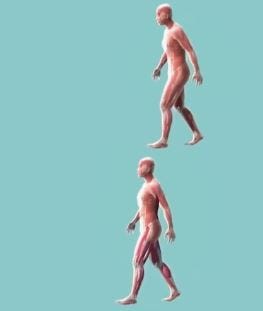
Walking activates several key muscle groups. The main muscles used include:
- Leg muscles:quadriceps, hamstrings, calves, and glutes.
- Core muscles:abdominals and lower back muscles.
- Hip muscles:hip flexors and abductors.
- Arm muscles:to a lesser extent, biceps and triceps help with balance.
Each step requires these muscles to contract and relax. This movement helps maintain muscle tone and endurance.
Types Of Muscle Fibers Engaged
Walking mainly uses slow-twitch muscle fibers. These fibers are built for endurance and continuous activity. They work without getting tired quickly. Slow-twitch fibers help muscles use oxygen efficiently. This supports long periods of walking or standing.
Fast-twitch muscle fibers get used less in walking. These fibers are for short bursts of power and speed. They activate more during running or sprinting. However, brisk walking can engage some fast-twitch fibers too. This helps improve muscle strength over time.
:max_bytes(150000):strip_icc()/GettyImages-1380400691-d335a446b035414fb0ee9b16ff9927a2.jpg)
Credit: www.verywellhealth.com
Walking Vs Traditional Strength Training
Walking and traditional strength training both impact the body differently. Walking is a natural, low-impact activity. Strength training uses resistance to target specific muscles. Understanding their differences helps decide which suits your fitness goals best.
Intensity And Muscle Growth
Strength training focuses on high intensity with weights or resistance bands. This causes muscle fibers to break down and rebuild stronger. Walking usually has lower intensity and does not create much muscle damage. It tones muscles but rarely builds significant size or strength.
Muscle growth depends on challenging muscles beyond their usual limits. Walking provides light resistance mainly to leg muscles. Strength training targets many muscle groups with varying loads. This makes it more effective for building muscle mass.
Advantages Of Low-impact Exercise
Walking is gentle on joints and easy to sustain daily. It improves heart health, endurance, and burns calories. People recovering from injury or with joint pain find walking accessible. It helps maintain muscle tone and supports overall mobility.
Traditional strength training can stress joints if done improperly. Walking offers a safe alternative that reduces injury risk. It also boosts mood and energy without intense effort.
Walking Techniques For Muscle Gain
Walking can do more than just keep you active. With the right techniques, it helps build muscle too. Changing how you walk challenges your muscles differently. This leads to stronger legs, glutes, and even your core. Small adjustments make a big difference. Focus on how you vary speed, incline, and add resistance. These tweaks push your muscles to grow and adapt.
Incline And Speed Variations
Walking uphill engages your glutes and calves more. It forces your muscles to work harder. Try walking on hills or use a treadmill set to an incline. Increase your walking speed in short bursts. Faster pace activates more muscle fibers. Alternate between slow and fast walking. This variation promotes muscle endurance and strength.
Using Weights And Resistance
Holding light dumbbells while walking adds muscle load. Weighted vests also increase resistance safely. Use ankle weights to tone your legs further. Resistance bands provide extra muscle challenge too. These tools increase effort during each step. They help muscles grow stronger over time. Start with light weights to avoid injury. Gradually increase weight as your strength improves.
Benefits Beyond Muscle Building
Walking does more than just help you build muscle; it improves many other aspects of your physical health. If you think walking is only good for light exercise, think again. It can boost your endurance, stabilize your body, and keep your joints healthy.
Improved Endurance And Stability
Walking regularly trains your heart and lungs to work better, which increases your endurance. You might notice that after a few weeks, climbing stairs or running errands feels easier. This happens because your body becomes more efficient at using oxygen.
Stability also improves as your muscles and nervous system learn to work together. If you’ve ever felt wobbly on uneven ground, regular walking can help you stay steady. This lowers your risk of falls, especially as you get older.
Joint Health And Mobility
Many people worry that walking might hurt their joints, but the opposite is true. Walking gently moves your joints, which helps keep them lubricated and flexible. This movement can reduce stiffness and pain, especially if you have mild arthritis.
Think about how you feel after sitting too long—your joints get stiff, right? Walking breaks that stiffness and encourages better mobility. Adding a daily walk can make a noticeable difference in how your joints feel throughout the day.
Creating A Walking Routine For Strength
Building muscle through walking requires more than just putting one foot in front of the other. You need a deliberate routine designed to challenge your muscles and promote strength. Crafting this routine means paying attention to how often and how long you walk, and what other workouts you pair with your walking sessions.
Frequency And Duration
Walking regularly is key to muscle growth. Aim for at least 4 to 5 sessions per week to keep your muscles activated.
Duration matters too. Walk for 30 to 60 minutes per session, but focus on intensity within that time. Try brisk walking or include hills to push your muscles harder.
Ask yourself: are you walking just to move, or are you walking to grow stronger? Adjust your pace and length accordingly.
Combining With Other Workouts
Walking alone can build some muscle, but pairing it with strength exercises accelerates your progress.
- Add bodyweight exercises like squats or lunges after your walk to target key leg muscles.
- Use resistance bands during walking to increase muscle engagement.
- Include upper body workouts on alternate days to balance your strength routine.
I found that adding simple calf raises after my walks made a noticeable difference in muscle tone. What small changes could you add to your routine today?

Credit: www.gq.com
Real-life Success Stories
Walking is often seen as a simple exercise, but many people have found it helps them build muscle. Real-life stories show how regular walking can lead to visible muscle gains. These examples inspire others to add walking to their fitness routines.
Athletes Who Use Walking
Many athletes include walking in their training. It helps them recover without losing muscle strength. Walking also improves endurance and supports muscle growth gently.
- Professional runners use walking days for muscle recovery.
- Football players walk to stay active during off days.
- Basketball players combine walking with other workouts for muscle tone.
Walking helps these athletes maintain muscle without heavy strain. It supports their overall fitness and keeps muscles engaged.
Everyday Walkers’ Transformations
People who walk daily have shared amazing muscle-building stories. They noticed stronger legs and better posture after weeks of walking. Some added hills or weighted vests to increase muscle work.
- Jane walked 30 minutes daily and gained muscle in her thighs.
- Mark added uphill walking and built calf muscles fast.
- Sara used a backpack and saw arm and shoulder muscle growth.
Regular walking creates small muscle challenges that grow strength over time. Consistency is key to these transformations.
Credit: medium.com
Frequently Asked Questions
Can Walking Help Build Leg Muscles Effectively?
Walking engages leg muscles, especially calves, quads, and hamstrings. Regular brisk walking tones these muscles but offers limited growth compared to strength training. Adding inclines or speed increases muscle activation and benefits.
How Does Walking Compare To Weightlifting For Muscle Growth?
Walking improves muscle endurance and tone but lacks the resistance needed for significant muscle growth. Weightlifting provides targeted muscle overload, essential for hypertrophy. Combining both offers balanced fitness and muscle maintenance.
Is Walking Enough To Build Upper Body Muscles?
Walking primarily targets lower body muscles and core stability. It doesn’t significantly build upper body muscles. Incorporating resistance exercises or arm movements during walking can help engage upper body muscles.
How Long Should I Walk To See Muscle Gains?
Consistent walking for at least 30 minutes daily improves muscle tone and endurance. Noticeable muscle growth requires longer duration or added resistance. For muscle building, combine walking with strength exercises.
Conclusion
Walking can help build some muscle, especially in your legs. It tones muscles and improves endurance with regular practice. For bigger muscle gains, add strength exercises or hills to your walks. Walking also supports overall health and fitness. It’s easy to start and keeps you active daily.
Small steps lead to steady progress. Keep walking, stay consistent, and enjoy the benefits your body gains. Simple, effective, and good for everyone.







