
Are you ready to transform your fitness routine without spending a dime on gym memberships or equipment? Calisthenics might be your perfect match.
Imagine building strength, flexibility, and endurance using nothing but your body weight. It’s a workout style that fits seamlessly into your life, no matter where you are or how busy your schedule. This beginner-friendly workout plan is designed with you in mind, making it easy to start and stay motivated.
Discover how calisthenics can help you achieve the body and health you desire with simple, effective exercises that adapt to your pace. Intrigued? Keep reading to unlock the secrets of calisthenics and see how this dynamic workout can be the key to your fitness success.
Benefits Of Calisthenics
Calisthenics offers many benefits for beginners. It builds your body’s strength and flexibility without heavy weights. The exercises use your own body weight to improve fitness. This makes it easy and safe to start. Let’s explore some key benefits of calisthenics workouts.
Improved Strength And Flexibility
Calisthenics helps increase muscle strength naturally. You use your body weight to challenge muscles. This develops balanced strength across your whole body. The movements also stretch muscles, which improves flexibility. Better flexibility reduces injury risk and helps daily activities.
Enhanced Muscle Endurance
Regular calisthenics workouts build muscle endurance. Your muscles learn to work longer without getting tired. This is helpful for sports and everyday tasks. Endurance training also supports better posture and stamina.
Minimal Equipment Needed
Calisthenics requires very little or no equipment. Basic exercises need only your body and a small space. This saves money on gym memberships or machines. You can start right away without buying anything.
Workout Anywhere Anytime
Calisthenics lets you exercise wherever you are. No gym or special place needed. You can do workouts at home, park, or office. This makes it easy to stay consistent and fit. Flexibility in timing and location fits busy schedules.

Credit: www.scribd.com
Essential Calisthenics Moves
Essential calisthenics moves build strength using your body weight. These exercises improve flexibility, balance, and endurance. Beginners should focus on mastering basic moves before advancing. Consistency and proper form help prevent injury and boost results. Each move targets key muscle groups for a full-body workout.
Push-ups Variations
Push-ups strengthen the chest, shoulders, and triceps. Start with standard push-ups, keeping your body straight and lowering yourself to the ground. Modify by doing knee push-ups if full push-ups are too hard. Try incline push-ups using a wall or bench to reduce difficulty. For more challenge, use decline push-ups with feet elevated.
Pull-ups And Chin-ups
Pull-ups build back, shoulders, and arm muscles. Use an overhead bar with palms facing away for pull-ups. Chin-ups have palms facing you and focus more on the biceps. Beginners can use resistance bands or a chair for support. Aim to increase reps gradually as strength improves.
Squats And Lunges
Squats target the legs and glutes. Stand with feet shoulder-width apart and lower your hips as if sitting. Keep your knees behind toes and chest up. Lunges work one leg at a time and improve balance. Step forward with one leg and lower your hips until both knees bend 90 degrees. Switch legs and repeat.
Planks And Core Exercises
Planks strengthen the core and improve stability. Keep your body straight, resting on forearms and toes. Hold the position for 20 to 30 seconds, increasing time over days. Add side planks to target obliques. Combine planks with leg raises or mountain climbers for a stronger core.
Creating A Beginner Workout Plan
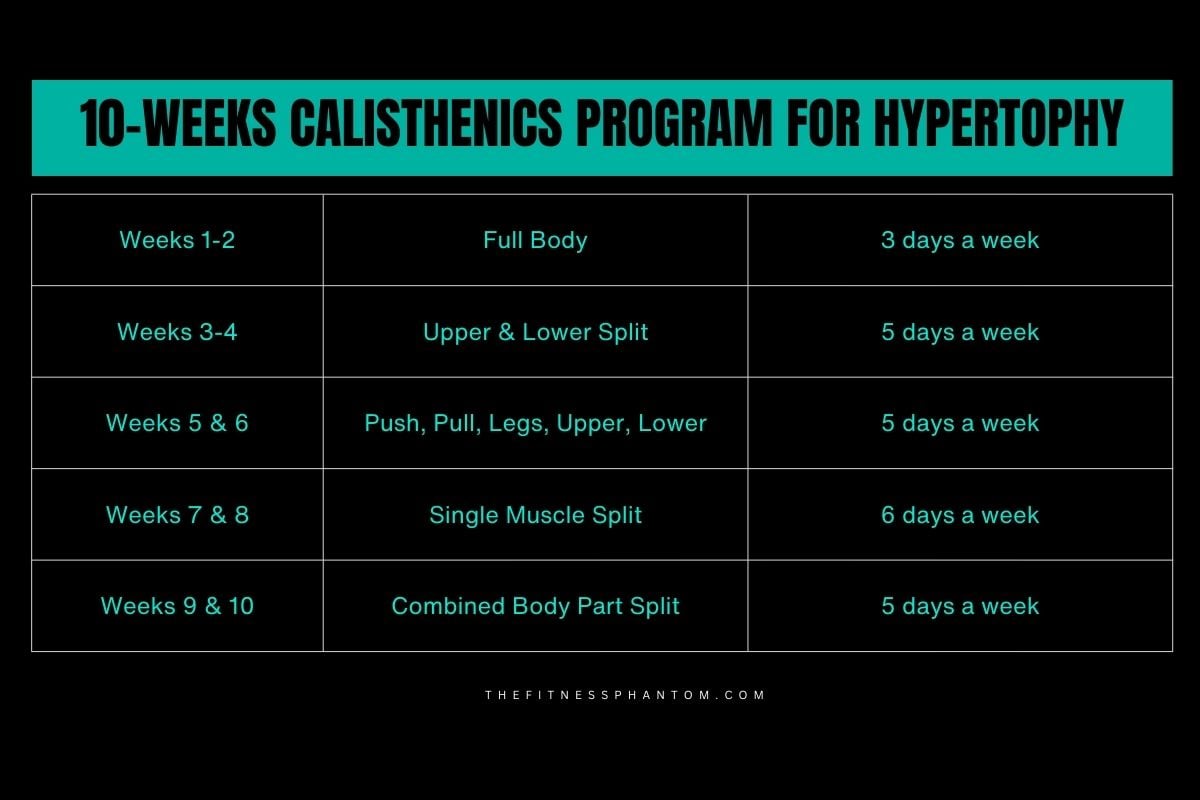
Creating a beginner workout plan in calisthenics sets the foundation for steady progress. A clear plan guides your efforts and helps avoid injury. It also keeps motivation high by showing measurable results. Start simple and build your routine step by step.
Setting Realistic Goals
Goals should match your current fitness level. Aim for small, clear targets like increasing reps or improving form. Avoid setting goals that feel too hard or too easy. Realistic goals keep you motivated and prevent burnout. Write down your goals and track progress weekly.
Choosing The Right Exercises
Select exercises that target major muscle groups. Focus on basic moves like push-ups, squats, and planks. These build strength and prepare your body for advanced skills. Use variations to adjust difficulty. For example, knee push-ups for beginners. Keep exercises simple and effective.
Balancing Workout Intensity
Workouts should challenge your muscles without causing pain. Start with low intensity and gradually increase reps or sets. Listen to your body to avoid overtraining. Mix easier and harder exercises in each session. This balance helps build strength safely and steadily.
Scheduling Rest Days
Rest days are essential for muscle recovery and growth. Plan at least two rest days per week. Use rest days for light activities like walking or stretching. Avoid intense workouts on these days. Proper rest reduces injury risk and improves workout performance.
Credit: thefitnessphantom.com
Warm-up And Cool-down Tips
Warming up and cooling down are key parts of any calisthenics workout, especially if you’re just starting out. These routines prepare your body to move efficiently and help prevent injuries. Skipping them can leave you stiff or sore, making progress harder than it needs to be.
Dynamic Stretching Routines
Dynamic stretches get your blood flowing and muscles ready for action. Think leg swings, arm circles, or torso twists. These movements mimic the exercises you’ll do, so your body knows what to expect.
Try spending 5 to 10 minutes on dynamic stretches before your workout. This not only wakes up your muscles but also sharpens your focus. Have you noticed how a quick warm-up can improve your performance right away?
Mobility Drills
Mobility drills improve your joint flexibility and control. Moves like hip openers, wrist rotations, and ankle rolls help you move smoothly through calisthenics exercises. I remember when I first added simple mobility drills, my push-ups and squats felt much easier.
Spend a few minutes on these drills to increase your range of motion. They prepare your joints to handle the stresses of bodyweight training. What mobility challenges do you face when doing calisthenics?
Post-workout Stretching
After your workout, stretching helps relax tight muscles and aids recovery. Focus on slow, static stretches targeting the muscles you worked. Holding stretches for 20-30 seconds can reduce soreness and improve flexibility over time.
Don’t rush through your cool-down—this time is crucial for long-term progress. How often do you take time to stretch after training?
Tracking Progress And Staying Motivated
Tracking your progress and staying motivated are essential parts of any calisthenics journey. Without clear signs of improvement, it’s easy to lose focus and energy. Monitoring your workouts helps you see how far you’ve come and keeps your excitement alive.
Recording Workouts
Keep a simple workout journal or use a fitness app to note down exercises, sets, and reps. Writing things down makes your progress visible and helps you plan your next session better.
Try to be consistent about recording every workout. Even small details like rest time or how you felt can provide useful insights later.
Measuring Strength Gains
Track your strength by testing your ability to do more reps, hold positions longer, or perform harder variations. For instance, if you started with wall push-ups and now can do full push-ups, that’s a clear gain.
Set mini-goals like increasing reps by five or holding a plank for an extra 10 seconds. These small wins keep you motivated and focused on steady improvement.
Overcoming Plateaus
Plateaus are normal and can feel frustrating. When progress stalls, change your routine by adding new exercises or increasing intensity.
Ask yourself: Are you challenging your muscles enough? Sometimes, small tweaks like slowing down movements or adding pauses can break a plateau.
Finding Support And Community
Joining a calisthenics group or online forum gives you motivation and advice. Sharing your journey with others helps you stay accountable and inspired.
Look for communities where members share tips, celebrate wins, and offer encouragement. You’ll find that having a support system makes the hard days easier.
Common Mistakes To Avoid
Starting calisthenics can be exciting but tricky. Many beginners make simple mistakes that slow progress or cause injury. Knowing what to avoid helps keep workouts safe and effective. Below are common errors to watch for during your calisthenics journey.
Poor Form And Technique
Bad form leads to injuries and weak results. Focus on controlled movements and correct posture. Avoid rushing exercises or using momentum. Practice basic moves slowly to build a strong foundation. Watching tutorials or working with a coach can help improve technique.
Skipping Warm-ups
Warm-ups prepare muscles and joints for exercise. Skipping this step increases injury risk and reduces performance. Spend 5 to 10 minutes doing light cardio and dynamic stretches. This improves blood flow and flexibility, making workouts safer and more effective.
Overtraining
Training too hard without rest causes fatigue and injury. Muscles need time to recover and grow stronger. Schedule rest days and listen to your body’s signals. Balance workouts with low-intensity activities or stretching to avoid burnout.
Ignoring Nutrition
Good nutrition fuels your workouts and recovery. Skipping meals or eating poorly slows progress and energy levels. Eat balanced meals with protein, carbs, and healthy fats. Stay hydrated and avoid junk food to support muscle growth and overall health.
Nutrition Tips For Calisthenics Beginners
Nutrition plays a crucial role in your calisthenics journey. Without the right fuel, your workouts might feel harder, and your progress could slow down. Paying attention to what you eat and drink helps your body recover faster and perform better.
Balanced Diet Essentials
Your body needs a mix of nutrients to build strength and endurance. Focus on eating enough protein, healthy fats, and carbohydrates.
- Protein:Supports muscle repair. Include eggs, chicken, beans, or tofu in your meals.
- Carbohydrates:Provide energy. Choose whole grains, fruits, and vegetables.
- Fats:Help with hormone production. Nuts, seeds, and avocados are great sources.
Think about your plate like a colorful palette—each color means different nutrients. Are you getting enough variety every day?
Hydration Importance
Drinking water is often overlooked but essential for calisthenics beginners. Water keeps your muscles working properly and prevents cramps.
Try to sip water throughout the day, not just during workouts. Notice how your energy changes when you drink enough versus when you don’t.
If you sweat a lot, consider drinks with electrolytes to replace lost minerals. Have you tracked your water intake today?
Pre And Post-workout Meals
Eating before and after your workout can make a big difference. Before exercising, choose light meals with carbs and some protein to boost your energy.
- Examples: A banana with peanut butter or yogurt with berries.
After your workout, focus on protein and carbs to help your muscles recover.
- Examples: Grilled chicken with quinoa or a smoothie with protein powder and fruit.
Experiment with timing and foods to see what helps you feel strongest. What meal made you feel unstoppable during your last workout?
Credit: www.genspark.ai
Frequently Asked Questions
What Is The Best Calisthenics Workout For Beginners?
A beginner calisthenics workout focuses on bodyweight exercises like push-ups, squats, and planks. These build strength and improve flexibility safely. Starting slow and increasing reps helps avoid injury and promotes steady progress.
How Often Should Beginners Do Calisthenics Workouts?
Beginners should aim for 3 to 4 workouts per week. This frequency allows muscles to recover while building strength. Rest days are crucial to prevent fatigue and support muscle growth.
Can Calisthenics Help With Weight Loss?
Yes, calisthenics boosts metabolism by increasing muscle mass. It burns calories efficiently through full-body movements. Combining workouts with a healthy diet enhances weight loss results effectively.
Do I Need Equipment For Beginner Calisthenics Workouts?
No special equipment is needed for beginners. Bodyweight exercises like lunges and push-ups are effective alone. Optional items like resistance bands can add variety but are not required.
Conclusion
Starting calisthenics is a great way to build strength and stay healthy. This beginner workout plan helps you learn basic moves safely. Practice regularly and watch your body grow stronger. Rest days are important to let muscles heal. Keep your goals clear and stay patient with progress.
Enjoy the journey of getting fitter each day. Small steps add up to big changes over time. Stay consistent, and you will see results soon. Your body will thank you for the effort you put in.







