
Are you tired of crowded gyms and costly memberships? Imagine achieving your fitness goals right in your living room or local park.
Calisthenics might be your answer. This workout plan is all about harnessing the power of your own body weight to build strength, flexibility, and endurance. It’s simple, effective, and can be done anywhere, anytime. But why should you care about calisthenics?
Because it’s more than just exercise; it’s a lifestyle change that can transform your body and mind. If you’ve ever felt overwhelmed by complex routines or expensive equipment, you’re not alone. Here, you’ll discover how to start a calisthenic workout plan that fits seamlessly into your daily life. Ready to explore a new, empowering way to exercise? Let’s dive in.
Benefits Of Calisthenics
Calisthenics offers a range of benefits that go beyond just building muscle. It shapes your body, improves how you move, and fits easily into your daily routine. Whether you’re a beginner or looking to switch up your workout, understanding these benefits can help you stay motivated and get the most out of your training.
Improved Muscle Strength
Calisthenics uses your own body weight to build strength, making every movement functional and practical. You engage multiple muscle groups at once, which helps your muscles grow evenly and become more resilient.
Think about how a simple push-up not only works your chest but also your arms, shoulders, and core. This kind of workout prepares your body for real-life activities, not just gym performance. Have you noticed how daily tasks feel easier after a few weeks of consistent calisthenics?
Enhanced Flexibility And Mobility
Many calisthenic exercises require full range of motion, which naturally improves your flexibility. Movements like deep squats and lunges stretch and strengthen your joints and muscles together, helping you move more freely.
Unlike workouts that focus solely on strength, calisthenics encourages balance and control. This means you’re less likely to get injured and more likely to enjoy an active lifestyle as you age. How flexible do you feel after your last workout?
Convenience And Accessibility
One of the best parts of calisthenics is that it requires minimal or no equipment. You can do exercises anywhere—at home, in the park, or while traveling.
This accessibility removes common barriers like gym memberships or expensive gear. Plus, it’s easy to adjust the difficulty to match your fitness level, keeping your workouts challenging and interesting. What’s stopping you from starting your next workout right now?

Credit: www.living.fit
Key Principles For Fast Strength Gains
Building strength quickly with calisthenics requires focus on a few key principles. These principles help your muscles adapt and grow stronger over time. Applying them correctly leads to efficient and lasting results.
Progressive Overload
Progressive overload means making your exercises harder over time. Your muscles need new challenges to grow stronger. Increase reps, sets, or difficulty gradually. For example, move from knee push-ups to regular push-ups. This steady increase forces your muscles to adapt and build strength.
Proper Form And Technique
Good form reduces injury risk and targets muscles correctly. Focus on slow, controlled movements. Keep your body aligned and avoid shortcuts. Proper technique makes each rep effective. It ensures your effort builds real strength, not just muscle endurance or momentum.
Consistent Training Schedule
Strength gains need regular and consistent workouts. Train at least three times a week. Give your muscles time to recover between sessions. Consistency helps your body adjust and grow stronger. Skipping workouts slows progress and weakens motivation.
Essential Calisthenic Exercises
Calisthenic exercises use your body weight to build strength and flexibility. These movements improve muscle control and coordination. They require no special equipment and can be done anywhere. Focusing on essential exercises helps create a balanced workout plan. It targets all major muscle groups for overall fitness.
Push Movements
Push exercises work the chest, shoulders, and triceps. They develop upper body strength and stability. Common push movements include:
- Push-ups: A classic exercise for chest and arms.
- Dips: Great for triceps and shoulder strength.
- Pike Push-ups: Focus on shoulder muscles.
Pull Movements
Pull exercises target the back, biceps, and forearms. They improve posture and pulling power. Essential pull movements are:
- Pull-ups: Build upper back and arm strength.
- Chin-ups: Focus more on biceps.
- Inverted Rows: Help strengthen the mid-back and arms.
Leg Exercises
Strong legs support overall fitness and balance. These exercises work the quads, hamstrings, glutes, and calves. Important leg exercises include:
- Squats: Basic move for leg and glute strength.
- Lunges: Improve balance and leg muscle coordination.
- Step-ups: Great for building leg power and endurance.
Core Workouts
The core stabilizes the body and improves balance. Strong abs and lower back reduce injury risk. Key core exercises are:
- Planks: Build endurance in the entire core.
- Leg Raises: Target lower abdominal muscles.
- Russian Twists: Work the obliques for better rotation.

Credit: www.scribd.com
Structuring Your Workout Plan
Structuring your calisthenic workout plan helps you stay consistent and improve faster. A clear plan balances effort and rest. It builds strength and avoids injury. Focus on key parts: warming up, workout type, and recovery. Each part plays a vital role in your progress.
Warm-up And Cool-down Routines
Start every session with a warm-up. It prepares your muscles and joints for exercise. Simple moves like jumping jacks, arm circles, and leg swings work well. Warm-up raises your heart rate and boosts blood flow.
End your workout with a cool-down. Stretch your muscles gently to reduce stiffness. Cooling down helps your body return to normal. It lowers soreness and speeds recovery.
Full-body Vs Split Workouts
Full-body workouts target all major muscles in one session. They suit beginners and those with limited time. These sessions improve overall strength and endurance.
Split workouts focus on specific muscle groups each day. This allows more rest for each group. Splits work well for advanced trainers. They help build muscle detail and strength.
Choose based on your goals and schedule. Both types can be effective with proper planning.
Rest And Recovery
Rest days are essential for muscle repair and growth. Overtraining can cause fatigue and injury. Listen to your body and take breaks as needed.
Good sleep and nutrition boost recovery. Hydrate well and eat proteins for muscle repair. Recovery helps you stay strong and consistent in training.
Advanced Techniques To Boost Strength
Boosting your calisthenic strength goes beyond basic reps and sets. Advanced techniques challenge your muscles in new ways, helping you break plateaus and gain power. These methods demand focus and control but offer impressive results when done right.
Isometric Holds
Isometric holds require you to maintain a static position under tension. Think of holding a push-up halfway down or pausing at the top of a pull-up. This technique builds strength by keeping muscles engaged without movement, improving endurance and control.
Try adding 10 to 20-second holds during your sets. You’ll feel muscles working harder and learn to stabilize your body better. How long can you hold a plank without losing form?
Explosive Movements
Explosive movements train your muscles to generate power quickly. Exercises like clapping push-ups or jump squats get your body to contract with speed and force. This not only builds strength but also enhances coordination and agility.
Start by adding one or two explosive reps after standard reps in your workout. It’s a game-changer for building fast-twitch muscle fibers. Are you ready to add speed to your strength training?
Plyometrics
Plyometrics focus on quick, powerful jumps and bounds that increase muscle elasticity and strength. Exercises such as box jumps and burpees push your muscles to absorb and release energy rapidly. These moves improve your overall athletic performance and build explosive strength.
Incorporate plyometrics carefully to avoid injury—begin with low-impact jumps and gradually increase intensity. How can you measure your progress in jump height or distance?
Tracking Progress And Avoiding Plateaus
Tracking your progress and steering clear of plateaus is crucial for continuous improvement in your calisthenic workout plan. Without monitoring, you might miss small gains or stay stuck doing the same routines without growth. The key lies in consistent tracking, smart adjustments, and mixing up your exercises to keep your muscles challenged.
Recording Workouts
Keeping a detailed log of your workouts helps you see patterns and progress over time. Write down the exercises, sets, reps, and how you felt during each session. This simple habit reveals which moves get easier and when it’s time to push harder.
Think about how your strength improved after a few weeks—did you notice your push-ups became smoother or your pull-ups increased? Tracking these wins motivates you and guides your next steps.
Adjusting Intensity
If you keep doing the same reps and sets, your body adapts and progress stalls. To avoid this, gradually increase the difficulty. You can add more reps, reduce rest time, or try advanced variations of your favorite exercises.
Have you tried elevating your feet during push-ups or adding pauses in the middle of a pull-up? These tweaks make your muscles work harder and push you past plateaus.
Incorporating Variety
Changing your workout routine prevents boredom and keeps your muscles guessing. Try switching grips, angles, or the order of exercises. Adding new moves like pistol squats or handstand holds challenges different muscle groups.
Ask yourself: Are you repeating the same workout week after week? Mixing things up not only improves strength but also keeps your mind engaged and excited to train.
Nutrition Tips For Muscle Growth
Nutrition plays a crucial role in muscle growth, especially when paired with a calisthenic workout plan. Without the right nutrients, your body can’t repair or build muscle effectively. Are you fueling your muscles with what they truly need to grow stronger?
Protein Intake
Protein is the building block of muscle. Aim to eat a source of protein with every meal to support muscle repair and growth.
- Good sources include chicken, fish, eggs, dairy, beans, and lentils.
- Try to get around 1.2 to 2 grams of protein per kilogram of your body weight daily, depending on your workout intensity.
- After a tough calisthenic session, a protein shake or a high-protein snack can speed up recovery.
Have you noticed how your muscles feel stronger when you consistently meet your protein needs?
Hydration
Water is often overlooked but is essential for muscle growth. Staying hydrated helps transport nutrients to your muscles and flushes out toxins.
- Drink water regularly throughout the day, not just during workouts.
- Dehydration can reduce your strength and slow recovery, so aim for at least 8 cups (about 2 liters) daily.
- If you sweat a lot during workouts, consider drinks with electrolytes to replenish lost minerals.
Think about how your performance changes on days when you drink less water—does your energy drop?
Balanced Diet
Muscle growth isn’t just about protein and water—it requires a mix of nutrients. Carbohydrates give you energy for intense workouts, while fats support hormone production.
- Include plenty of whole grains, fruits, and vegetables to get vitamins and minerals.
- Don’t shy away from healthy fats found in nuts, seeds, avocados, and olive oil.
- Eating a variety of foods ensures your body has everything it needs to build muscle effectively.
Are you paying attention to the quality of your meals as much as the quantity?
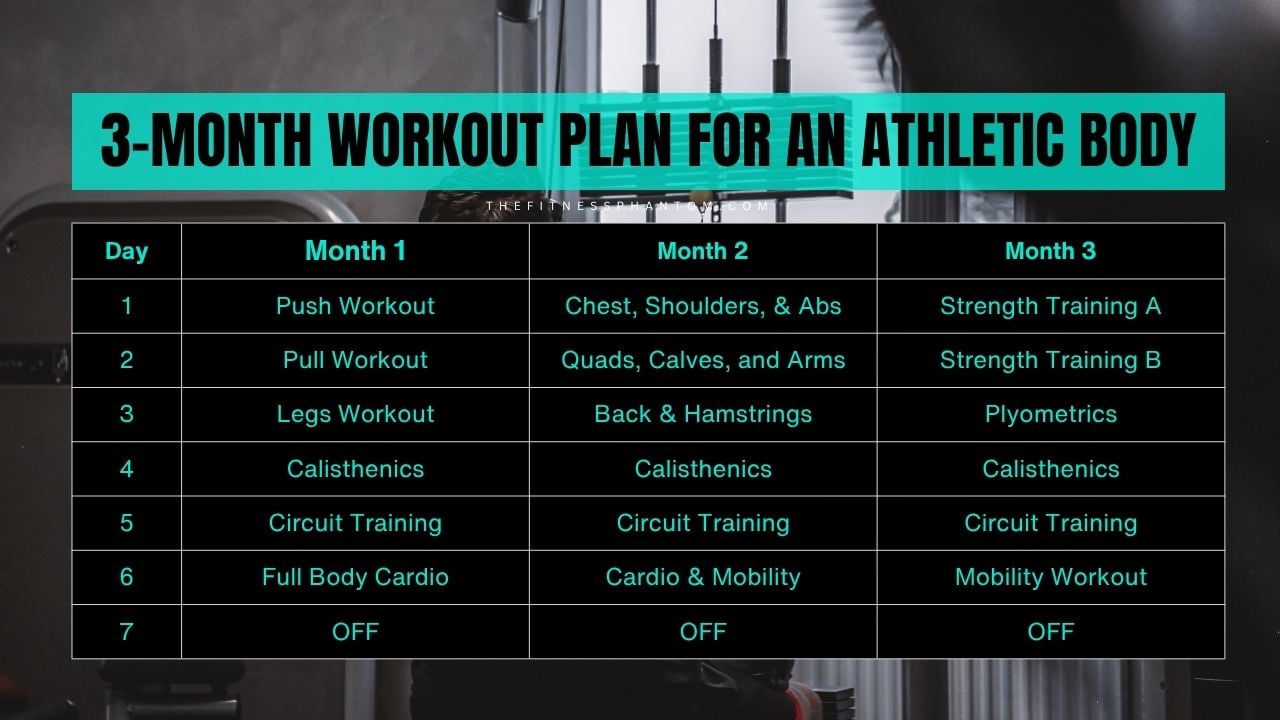
Credit: thefitnessphantom.com
Common Mistakes To Avoid
Many people make mistakes during calisthenic workouts that slow progress or cause injury. Avoiding these common errors helps build strength safely and effectively. Focus on proper habits to get the best results from your training.
Skipping Warm-ups
Skipping warm-ups can lead to muscle strains and joint pain. Warm-ups increase blood flow and prepare your body for exercise. Spend at least 5 to 10 minutes on light movements before starting intense workouts.
Ignoring Form
Poor form reduces workout benefits and raises injury risk. Focus on controlled, smooth movements. Use mirrors or record yourself to check your posture. Always prioritize quality over quantity in reps and sets.
Overtraining
Training too hard without rest causes fatigue and slows recovery. Muscles need time to rebuild stronger. Plan rest days and listen to your body’s signals. Balance intensity with recovery for steady progress.
Frequently Asked Questions
What Is A Calisthenic Workout Plan?
A calisthenic workout plan uses bodyweight exercises to build strength. It improves flexibility, endurance, and muscle tone without equipment. This plan is suitable for beginners and advanced athletes alike. It focuses on movements like push-ups, pull-ups, squats, and planks.
How Often Should I Do Calisthenics Workouts?
For best results, do calisthenics workouts 3 to 5 times per week. Allow rest days to help muscle recovery and growth. Consistency is key to progress and avoiding injuries. Adjust frequency based on your fitness level and goals.
Can Calisthenics Build Muscle Effectively?
Yes, calisthenics can build muscle effectively by targeting multiple muscle groups. Progressive overload through reps, sets, and exercise difficulty boosts muscle growth. Combining calisthenics with proper nutrition maximizes muscle development. It is a natural and functional way to gain strength.
What Equipment Is Needed For Calisthenic Workouts?
Minimal equipment is needed for calisthenic workouts. Basic tools like a pull-up bar, resistance bands, and a mat can enhance exercises. Most workouts rely on bodyweight, making it accessible anywhere. Optional equipment helps increase exercise variety and difficulty.
Conclusion
A calisthenic workout plan builds strength without equipment. It fits any schedule and can be done anywhere. Start slow and increase your reps over time. Consistency is key to seeing real progress. Enjoy the process and stay patient with yourself.
Your body will adapt and grow stronger daily. Keep your goals clear and stay motivated. Small steps lead to big changes. This plan helps improve fitness and confidence too. Try it today and feel the difference soon.







