
Are you ready to transform your glutes and boost your confidence? Butt exercises at the gym are the secret to shaping a firmer, stronger, and more toned behind.
Whether you want to lift, sculpt, or strengthen, the right moves can make all the difference. You’ll discover simple yet powerful exercises that target your glutes effectively. Get ready to unlock your best results and feel amazing every time you step into the gym.
Keep reading to find out how to make your workouts count!
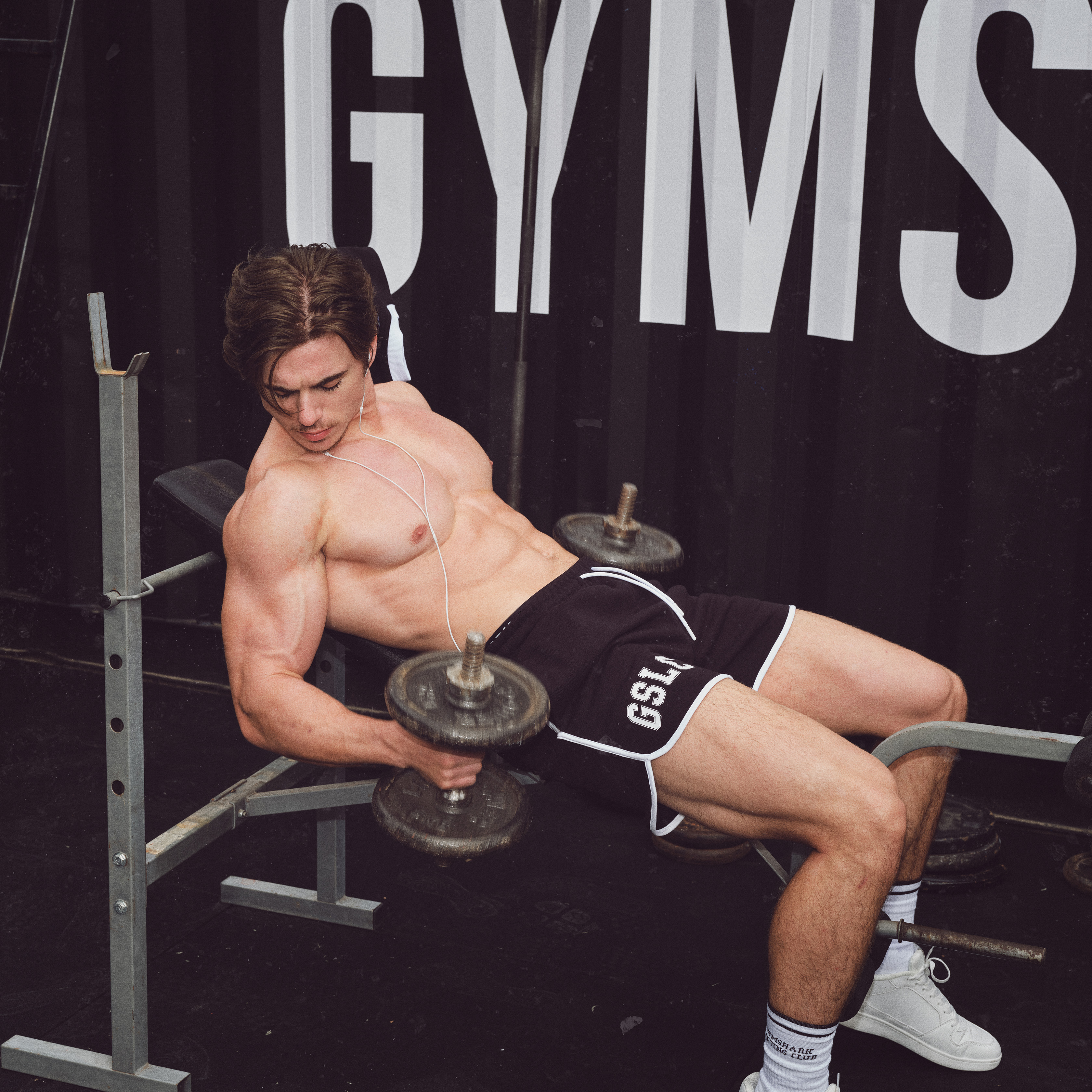
Credit: www.gymshark.com
Benefits Of Butt Exercises
Butt exercises offer more than just physical appearance benefits. They play a key role in your overall health and fitness. Strengthening your glute muscles helps your body perform daily activities better. These exercises shape your lower body and support many important functions.
Improved Posture And Stability
Strong glutes help keep your spine aligned. They reduce the risk of lower back pain. Good posture becomes easier to maintain throughout the day. Stability improves during standing and walking. This lowers the chance of falls and injuries.
Enhanced Athletic Performance
Powerful glutes increase your speed and jumping ability. They provide better control in movements like running and squatting. Strong butt muscles help you push harder and move faster. This leads to improved results in sports and workouts.
Boosted Confidence And Appearance
Toned glutes improve your body shape and look. They make clothes fit better and enhance your silhouette. Feeling stronger and fitter increases your self-esteem. Confidence grows as you see progress in your workouts.
Credit: www.rehabhero.ca
Key Muscles Targeted
Butt exercises at the gym focus on several important muscles. These muscles shape and strengthen your hips and thighs. Understanding which muscles you target helps improve your workout results. It also reduces the risk of injury.
Gluteus Maximus
The gluteus maximus is the largest muscle in your butt. It gives your butt its round shape. This muscle helps with hip movement and stability. Exercises like squats and deadlifts mainly work this muscle. Strengthening it improves your posture and power.
Gluteus Medius And Minimus
These two muscles lie beneath the gluteus maximus. They control the side movement of your hips. They also keep your pelvis steady when you walk or run. Exercises such as side leg raises and hip abductions focus on these muscles. Strong gluteus medius and minimus help prevent knee and lower back pain.
Supporting Hip And Thigh Muscles
Butt workouts also involve nearby muscles in the hips and thighs. The hamstrings and hip flexors assist in hip extension and flexion. The quadriceps help with knee movement and balance. Working these muscles together creates a balanced, strong lower body. It also enhances overall athletic performance.
Top Gym Exercises For Toning
Toning your glutes at the gym requires more than just random exercises. Choosing the right moves can help you build strength and shape your butt effectively. The exercises below target different muscles in your glutes and hamstrings, giving you a balanced and sculpted look.
Barbell Hip Thrusts
Barbell hip thrusts are a powerhouse for glute activation. They focus directly on your gluteus maximus, helping you build size and strength quickly.
Start with your upper back on a bench and barbell resting across your hips. Drive through your heels to lift your hips until your body forms a straight line from shoulders to knees. Feel the squeeze at the top before lowering down slowly.
Have you noticed how just a few sets of hip thrusts can make your glutes feel stronger in everyday activities?
Cable Kickbacks
Cable kickbacks isolate your glute muscles perfectly. The controlled movement helps improve muscle tone and stability.
Attach an ankle strap to a low cable pulley and kick your leg back while keeping your core tight. Pause briefly at the top, then return to start. This exercise is great for focusing on one side at a time.
Try adding cable kickbacks to your routine to target stubborn areas that other exercises might miss.
Bulgarian Split Squats
This single-leg exercise works your glutes, quads, and hamstrings simultaneously. It also challenges your balance and core strength.
Place one foot behind you on a bench and lower your body into a squat on the standing leg. Keep your torso upright and push through your heel to return to standing. This move builds muscle while improving coordination.
Have you felt how Bulgarian split squats engage your glutes differently than traditional squats?
Romanian Deadlifts
Romanian deadlifts focus on your hamstrings and glutes, improving strength and posture. They stretch your posterior chain while building muscle.
Hold a barbell or dumbbells with a slight bend in your knees and hinge at your hips to lower the weight down your legs. Keep your back flat and stop when you feel a stretch in your hamstrings. Return to standing by driving your hips forward.
Notice how Romanian deadlifts can help reduce lower back discomfort by strengthening your glutes?
Step-ups With Dumbbells
Step-ups are functional and effective for glute toning. Holding dumbbells adds resistance, making your muscles work harder.
Step onto a bench or sturdy platform with one foot and press through your heel to lift your body up. Step down carefully and repeat on the other side. This move mimics everyday motions like climbing stairs.
How much stronger do you feel in your glutes after adding weighted step-ups to your workouts?
Proper Form Tips
Mastering proper form is essential for maximizing your results in butt exercises at the gym. Incorrect form can reduce effectiveness and increase injury risk. Paying close attention to how you move will help you target your glutes better and see faster gains.
Engaging The Glutes Correctly
Start by focusing on the muscle you want to work. Before each rep, consciously squeeze your glutes to activate them.
For example, during squats or hip thrusts, don’t just push through your heels—feel your glutes contract at the top of the movement. This simple mind-muscle connection can change your whole workout.
Ask yourself: Are you really feeling your glutes, or is your lower back or quads doing most of the work?
Avoiding Common Mistakes
- Arching your lower back:This puts strain on your spine and reduces glute activation.
- Using momentum:Swinging or rushing through reps takes tension off your muscles.
- Incorrect foot placement:Feet too close or too wide can shift the focus away from your glutes.
I once skipped form checks and noticed my progress stalled. Adding a quick mirror glance or recording myself helped fix these errors and improved my muscle engagement instantly.
Breathing And Tempo
Control your breathing to support your movement. Exhale as you contract your glutes and lift, inhale as you lower or return to the start.
Slow down your reps to keep tension on the muscles longer. For example, try a 3-second lowering phase to increase time under tension.
Have you experimented with different tempos? Changing speed can reveal weaknesses and boost muscle growth.
Sample Workout Routines
Sample workout routines help you target the glute muscles effectively. They guide you through exercises suitable for different fitness levels. These routines focus on building strength, tone, and endurance in the buttocks.
Choose a plan based on your experience and gym equipment access. Each routine includes clear exercises and sets to follow. Consistency with these workouts improves shape and power in your glutes.
Beginner-friendly Plan
- Bodyweight squats – 3 sets of 12 reps
- Glute bridges – 3 sets of 15 reps
- Step-ups on a low bench – 3 sets of 10 reps each leg
- Donkey kicks – 3 sets of 12 reps each leg
- Plank hold – 3 sets, 20 seconds each
Intermediate Circuit
- Goblet squats with dumbbell – 4 sets of 10 reps
- Walking lunges – 4 sets of 12 steps each leg
- Hip thrusts with barbell – 4 sets of 12 reps
- Bulgarian split squats – 3 sets of 10 reps each leg
- Single-leg deadlifts – 3 sets of 10 reps each leg
Advanced Strength Training
- Barbell back squats – 5 sets of 8 reps
- Deadlifts – 4 sets of 6 reps
- Weighted hip thrusts – 5 sets of 10 reps
- Bulgarian split squats with weights – 4 sets of 12 reps each leg
- Step-ups with dumbbells – 4 sets of 15 reps each leg

Credit: parade.com
Equipment Essentials
Building a strong and toned butt requires the right gym equipment. Using proper tools helps target muscles more effectively. It also prevents injury and improves workout quality. Here are some essential pieces of equipment for butt exercises in the gym.
Barbells And Dumbbells
Barbells and dumbbells add weight to your exercises. They make your muscles work harder and grow stronger. Squats, lunges, and deadlifts with these weights shape and lift your glutes. Start with light weights to learn form. Gradually increase weight as strength improves.
Resistance Bands
Resistance bands are simple and versatile. They create tension during movements to activate glute muscles deeply. Bands are perfect for exercises like hip bridges and side steps. They improve muscle endurance and balance. Easy to carry, bands fit any workout routine.
Cable Machines
Cable machines offer smooth and adjustable resistance. They allow controlled movements for targeted glute training. Kickbacks and abductions with cables isolate the butt muscles well. Machines help keep constant tension for better muscle engagement. Adjust cables for different exercise angles and intensity.
Recovery And Stretching
Recovery and stretching are often overlooked parts of any butt workout routine, yet they play a crucial role in maximizing your results. Giving your muscles time to heal helps prevent injuries and keeps your progress steady. Stretching improves flexibility and reduces soreness, so you can hit the gym stronger each time.
Foam Rolling Techniques
Foam rolling targets tight spots in your glutes and surrounding muscles. Try rolling slowly over the upper buttocks and hips, pausing on tender areas for 20-30 seconds. This helps break up knots and boosts blood flow, which speeds up recovery.
Use a medium-density foam roller for best results. Avoid rolling directly on your tailbone or lower back to prevent discomfort. Consistency matters—spend 5 to 10 minutes foam rolling after each workout to keep your muscles loose.
Effective Glute Stretches
Stretching your glutes after exercise improves your range of motion and reduces tightness. The pigeon pose is a powerful stretch that targets deep glute muscles. Hold the stretch for at least 30 seconds on each side to feel the full benefit.
Another great stretch is the seated figure-four stretch. Sit on the floor, cross one ankle over the opposite knee, and gently lean forward. This stretch helps release tension from the outer hips, which often get tight from sitting or heavy lifting.
Rest Days Importance
Rest days let your muscles repair and grow stronger. Skipping rest can lead to burnout or injury, especially with intense glute workouts. Plan at least one or two rest days per week to allow your body to recover fully.
On rest days, focus on light activities like walking or gentle yoga to keep blood flowing without straining your muscles. Have you noticed how your performance improves after a good rest? Paying attention to recovery might just be the key to unlocking your best results.
Frequently Asked Questions
What Are The Best Butt Exercises At The Gym?
Best butt exercises include squats, lunges, hip thrusts, and deadlifts. These target glute muscles effectively. Consistent training improves strength and shape.
How Often Should I Do Butt Workouts Weekly?
Aim for 2-3 sessions per week. Allow rest days between workouts for muscle recovery. This frequency supports growth without overtraining.
Can Butt Exercises Help Reduce Cellulite?
Butt exercises improve muscle tone and increase circulation. While they don’t eliminate cellulite, they can reduce its appearance by firming skin.
What Equipment Is Best For Gym Butt Exercises?
Use barbells, dumbbells, resistance bands, and hip thrust machines. These tools add resistance, increasing workout intensity and muscle activation for better results.
Conclusion
Building strong glutes boosts overall fitness. Regular gym sessions make a difference. Focus on quality over quantity. Consistency is key to progress. Always use proper form to avoid injuries. Mix exercises for balanced muscle growth. Squats, lunges, and bridges are effective.
Keep track of your improvements. Celebrate small victories along the way. Stay motivated and enjoy the process. Healthy habits lead to long-term success. Keep challenging your muscles. Your efforts will pay off with time. A strong body supports an active lifestyle.
Keep pushing and stay committed. Your fitness journey is worth it.







