
Are you eager to pack on muscle and transform your physique? A bulking diet program might be just what you need.
This approach is designed to help you gain muscle mass effectively while ensuring you get the essential nutrients your body craves. Imagine looking in the mirror and seeing the strong, muscular body you’ve always dreamed of. That’s within your reach, and it all starts with understanding the right way to fuel your body.
You’ll discover key strategies for building muscle without unnecessary fat gain, and learn how to tailor your diet to meet your personal fitness goals. Stick around to find out how you can maximize your gains and achieve the results you want.
Principles Of Bulking
Understanding the principles of bulking is crucial if you want to gain muscle effectively without adding too much fat. Bulking is more than just eating more food; it’s about eating smart and timing your nutrition to support muscle growth. Let’s break down the key concepts that will help you build muscle efficiently.
Calorie Surplus Basics
You need to eat more calories than your body burns to gain muscle. This is called a calorie surplus. But not all surpluses are equal—too much can lead to unwanted fat gain, while too little may slow progress.
Start by calculating your maintenance calories, then add 250-500 calories daily. Track your weight and adjust if you’re gaining too fast or too slow. Have you ever wondered how small changes in calories can affect your muscle growth over weeks?
Macronutrient Breakdown
Protein, carbs, and fats all play different roles in bulking. Protein repairs and builds muscle, carbs fuel your workouts, and fats support hormones. Most people find success with about 1 gram of protein per pound of body weight daily.
Here’s a simple macronutrient split to try:
| Macronutrient | Percentage of Calories | Purpose |
|---|---|---|
| Protein | 30-35% | Muscle repair and growth |
| Carbohydrates | 45-55% | Energy for workouts |
| Fats | 15-25% | Hormone production and recovery |
Adjust these numbers based on how your body responds. What macronutrient ratio has worked best for you?
Importance Of Nutrient Timing
When you eat matters just as much as what you eat. Consuming protein and carbs around your workout helps maximize muscle growth and recovery. A balanced meal 1-2 hours before training can boost performance.
After your workout, aim to eat protein and carbs within 30-60 minutes to kickstart recovery. Don’t underestimate the power of steady meals throughout the day to keep your energy and muscle repair on point.
Have you noticed a difference in your energy or muscle gains when adjusting meal timing?

Credit: www.youtube.com
Choosing The Right Foods
Choosing the right foods is key in any bulking diet program. The foods you eat fuel your workouts and support muscle growth. Picking quality foods helps you gain lean muscle without adding too much fat. It also keeps your energy steady throughout the day. Focus on balanced meals that include protein, carbohydrates, and healthy fats. Avoid foods that can harm your progress.
High-quality Protein Sources
Protein builds and repairs muscle tissue. It is essential for muscle growth during bulking. Choose lean meats like chicken, turkey, and lean beef. Fish like salmon and tuna are great too. Eggs provide a complete protein source with healthy fats. Plant-based options include beans, lentils, and tofu. Dairy products like Greek yogurt and cottage cheese offer good protein and calcium.
Carbohydrates For Energy
Carbohydrates are the main energy source for workouts. They help you train harder and recover faster. Opt for complex carbs that digest slowly. Examples are brown rice, oats, quinoa, and whole wheat bread. Vegetables and fruits add fiber and vitamins. Sweet potatoes and legumes provide lasting energy and nutrients. Avoid simple sugars that cause energy crashes.
Healthy Fats Essentials
Healthy fats support hormone production and overall health. Include sources like avocados, nuts, and seeds. Olive oil and coconut oil are good for cooking. Fatty fish provide omega-3 fatty acids, which reduce inflammation. Balance your fat intake but do not overeat. Healthy fats help keep you full and energized.
Foods To Avoid
- Processed foods high in sugar and salt
- Fried and fast foods with unhealthy fats
- Sugary drinks and sodas
- Excessive alcohol consumption
- Refined grains like white bread and pastries
These foods can cause fat gain and reduce workout performance. Stick to whole, nutrient-dense foods for better results.
Meal Planning Strategies
Planning your meals effectively can make a huge difference in your bulking journey. Without a clear strategy, you might miss out on essential nutrients or end up overeating on the wrong foods. Thoughtful meal planning helps you hit your calorie and protein targets consistently, which is the real key to building muscle.
Daily Meal Frequency
How often should you eat? Many find that eating 4 to 6 smaller meals throughout the day keeps energy levels steady and supports muscle growth. Spreading your calories across several meals prevents you from feeling overly full and helps maintain a steady supply of nutrients to your muscles.
Think about your daily routine—do you prefer three large meals or several smaller ones? Experiment to see which frequency keeps you energized without feeling bloated. The goal is to find a rhythm that fits your lifestyle and ensures you’re fueling your body regularly.
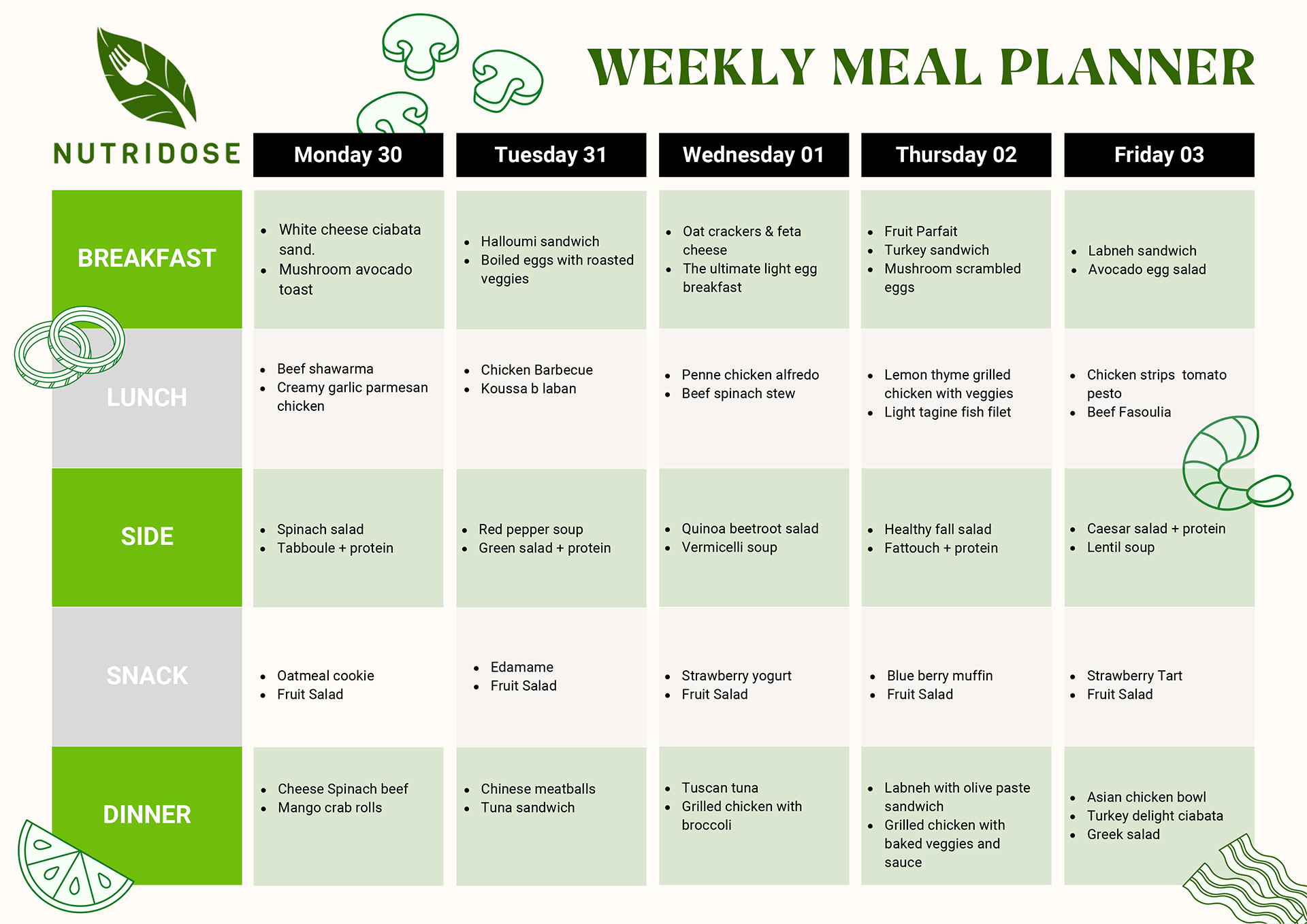
Sample Meal Plans
| Meal | Example Foods | Approximate Calories |
|---|---|---|
| Breakfast | Oatmeal with banana and peanut butter, scrambled eggs | 600 kcal |
| Mid-Morning Snack | Greek yogurt with mixed nuts | 300 kcal |
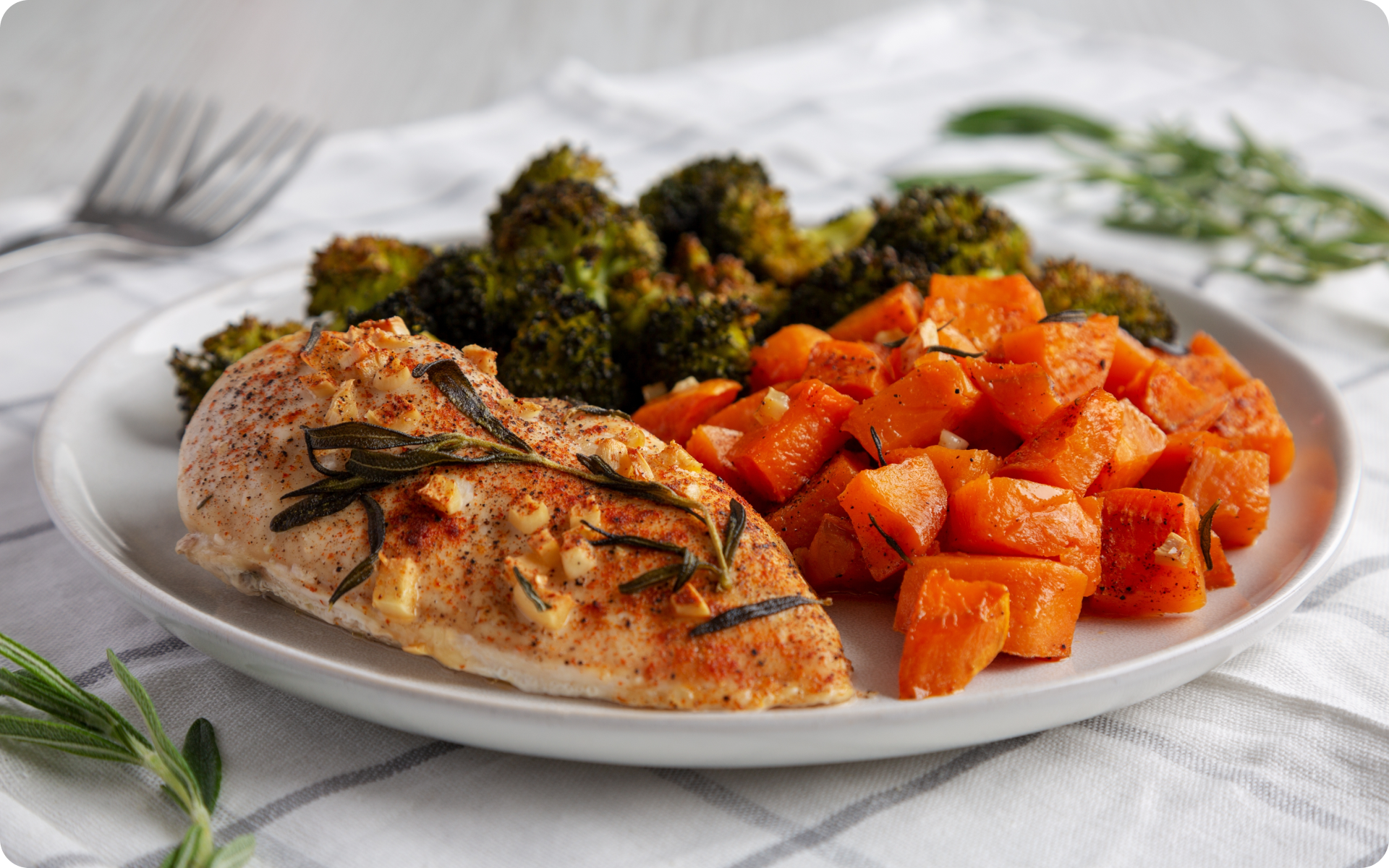
| Lunch | Grilled chicken breast, quinoa, steamed broccoli | 700 kcal |
| Afternoon Snack | Protein shake and a fruit | 350 kcal |
| Dinner | Salmon, sweet potato, asparagus | 700 kcal |
This plan hits around 2,650 calories, a solid target for many bulking goals. Notice the balance of carbs, proteins, and fats in every meal. Adjust portion sizes and food choices based on your specific calorie needs and preferences.
Snacking Tips
Snacks are your secret weapon for hitting calorie goals without feeling stuffed at main meals. Choose nutrient-dense options like nuts, cheese, or boiled eggs. These provide protein and healthy fats, keeping hunger in check and muscles fueled.
Have you ever felt stuck between meals and ended up grabbing junk food? Preparing snacks in advance can prevent this. Try packing small containers of trail mix or pre-cut veggies with hummus. Convenience helps you stay on track and resist unhealthy temptations.
Credit: betterme.world
Supplements For Muscle Growth
Supplements can help support muscle growth during a bulking diet. They provide extra nutrients that might be hard to get from food alone. Using the right supplements enhances strength, recovery, and overall muscle gains. Choosing quality supplements fits well with a good training plan and healthy eating.
Protein Powders
Protein powders are popular for muscle building. They supply quick, easy protein to help repair muscles. Whey protein is fast-absorbing, perfect after workouts. Casein protein digests slowly, good before sleep. Plant-based proteins work well for vegans and those with allergies. Protein powders fit busy schedules and help meet daily protein needs.
Creatine Benefits
Creatine boosts energy in muscle cells. It helps increase strength and power during workouts. Creatine supports muscle size by drawing water into muscles. It also improves endurance for longer training sessions. Safe and studied, creatine is a top supplement choice for bulking.
Pre-workout Options
Pre-workout supplements enhance focus and energy. Ingredients like caffeine improve alertness and reduce fatigue. Some pre-workouts contain nitric oxide boosters to increase blood flow. This helps muscles get more oxygen and nutrients. Taking pre-workout 20-30 minutes before training can improve performance.
Vitamins And Minerals
Vitamins and minerals support overall health and muscle function. Magnesium helps with muscle relaxation and recovery. Vitamin D improves strength and immune health. Zinc supports hormone production important for muscle growth. A balanced diet plus a good multivitamin ensures these nutrients are covered.
Training For Maximum Gains
Training plays a key role in a bulking diet program. It helps build muscle and increase strength. Without proper training, eating more calories won’t lead to the best results. Focused workouts push the body to grow stronger and larger. Each session should challenge muscles enough to trigger growth. Balancing effort and recovery ensures continuous progress.
Strength Training Basics
Strength training forms the foundation of muscle growth. Use free weights, machines, or bodyweight exercises. Target all major muscle groups in your routine. Aim for 3 to 5 training sessions per week. Keep reps between 6 and 12 for muscle building. Maintain good form to avoid injuries. Consistency is vital for steady gains.
Progressive Overload Techniques
Progressive overload means increasing workout difficulty over time. This forces muscles to adapt and grow stronger. Increase weights gradually as you get stronger. Add more sets or reps if weights stay the same. Change exercise variations to target muscles differently. Track your progress to stay motivated and on course.
Rest And Recovery
Muscle growth happens outside the gym during rest. Allow 48 hours of recovery before working the same muscle again. Sleep at least 7 to 8 hours each night. Proper rest reduces injury risk and improves performance. Use light activity or stretching on rest days. Recovery is as important as training for maximum gains.
Credit: www.nutridose.ae
Tracking Progress
Tracking progress is key in a bulking diet program. It helps you see real changes in your body. You can adjust your diet and workouts based on what the data shows. Keeping track also keeps you motivated.
Measuring Muscle Growth
Track muscle growth using simple tools. Measure your arms, chest, legs, and waist regularly. Use a tape measure for accuracy.
Take photos every two weeks. Compare them side by side to notice subtle changes. Muscle growth is slow but steady.
Use a body fat scale or get tested at a gym. This helps separate fat gain from muscle gain.
Adjusting Caloric Intake
Calories fuel muscle growth. Track your daily calories with an app or journal. Write down everything you eat.
If you gain too little weight, add 200–300 calories daily. If weight gain is too fast, reduce calories slightly.
Adjust protein, carbs, and fats to match your goals. Protein supports muscles, carbs provide energy, fats help hormones.
Avoiding Fat Gain
Focus on slow and steady weight gain to avoid excess fat. Aim for about 0.5–1 pound per week.
Keep protein intake high and choose whole foods. Avoid too many sugary and processed foods.
Incorporate regular cardio to help manage fat levels. Balance lifting with some light cardio sessions.
Common Bulking Mistakes
Bulking aims to add muscle and size. Many beginners make common mistakes that slow progress. Avoiding these errors can improve your gains and keep you healthy.
Overeating Pitfalls
Eating too much fat and junk food is a common mistake. Excess calories should come from quality proteins and carbs. Overeating can lead to unwanted fat gain, not muscle. Track calories to stay on the right path.
Neglecting Cardio
Skipping cardio can cause poor heart health and low stamina. Cardio helps maintain a healthy metabolism during bulking. Adding light cardio sessions supports muscle recovery and fat control. Balance strength training and cardio for best results.
Inconsistent Training
Inconsistent workouts stop muscle growth. Skipping days or changing routines too often prevents progress. Stick to a planned schedule and push yourself regularly. Consistency builds strength and size over time.
Frequently Asked Questions
What Foods Are Best For A Bulking Diet Program?
Focus on lean proteins, complex carbs, and healthy fats. Include chicken, rice, oats, nuts, and vegetables. These support muscle growth and energy needs effectively.
How Many Calories Should I Eat To Bulk Up?
Consume 10-20% more calories than your maintenance level. This surplus fuels muscle gain without excessive fat. Track intake for consistent progress.
Can I Bulk Without Gaining Fat?
Yes, by eating a clean, controlled calorie surplus. Prioritize nutrient-dense foods and strength training. Monitor progress and adjust calories to minimize fat gain.
How Often Should I Eat During Bulking?
Eat 4-6 balanced meals daily to sustain energy and muscle repair. Frequent meals help maintain steady nutrient delivery and support workout recovery.
Conclusion
A bulking diet program helps build muscle and strength. Eat enough calories and focus on protein-rich foods. Consistency is key for steady progress and results. Rest and recovery support muscle growth and overall health. Track your meals and adjust as your body changes.
Stay patient, and avoid quick fixes or extreme diets. This approach leads to lasting gains and better fitness. Keep it simple, eat well, and train hard. Your body will thank you over time.







