
Are you ready to build serious muscle and transform your body? A bulking diet plan is the key to gaining size and strength the right way.
But it’s not just about eating more—you need the right foods, at the right times, to fuel your growth without piling on unwanted fat. You’ll discover simple, effective strategies to create a bulking diet that works for your body and your goals.
Keep reading, and get ready to take your gains to the next level.
Basics Of Bulking
Bulking is a diet strategy to build muscle and gain weight. It focuses on eating more calories than the body burns. This extra energy helps muscles grow stronger and bigger. Understanding bulking basics helps create the right plan for good results. It includes managing calories, macronutrients, and meal timing.
Calorie Surplus Explained
Bulking needs a calorie surplus. This means eating more calories than your body uses daily. The extra calories provide energy for muscle growth. Too few calories slow down progress. Too many can cause excess fat gain. A balanced surplus supports steady muscle gain without much fat.
Macronutrient Breakdown
Macronutrients include protein, carbs, and fats. Each has a role in bulking.
- Protein:Builds and repairs muscles. Aim for 1.2 to 2 grams per kg of body weight.
- Carbohydrates:Provide energy for workouts and recovery. They fuel muscles during training.
- Fats:Support hormone production and overall health. Healthy fats are vital in a bulking diet.
A typical bulking diet has about 40-60% carbs, 25-35% protein, and 15-25% fats. Adjust based on personal needs and goals.
Importance Of Meal Timing
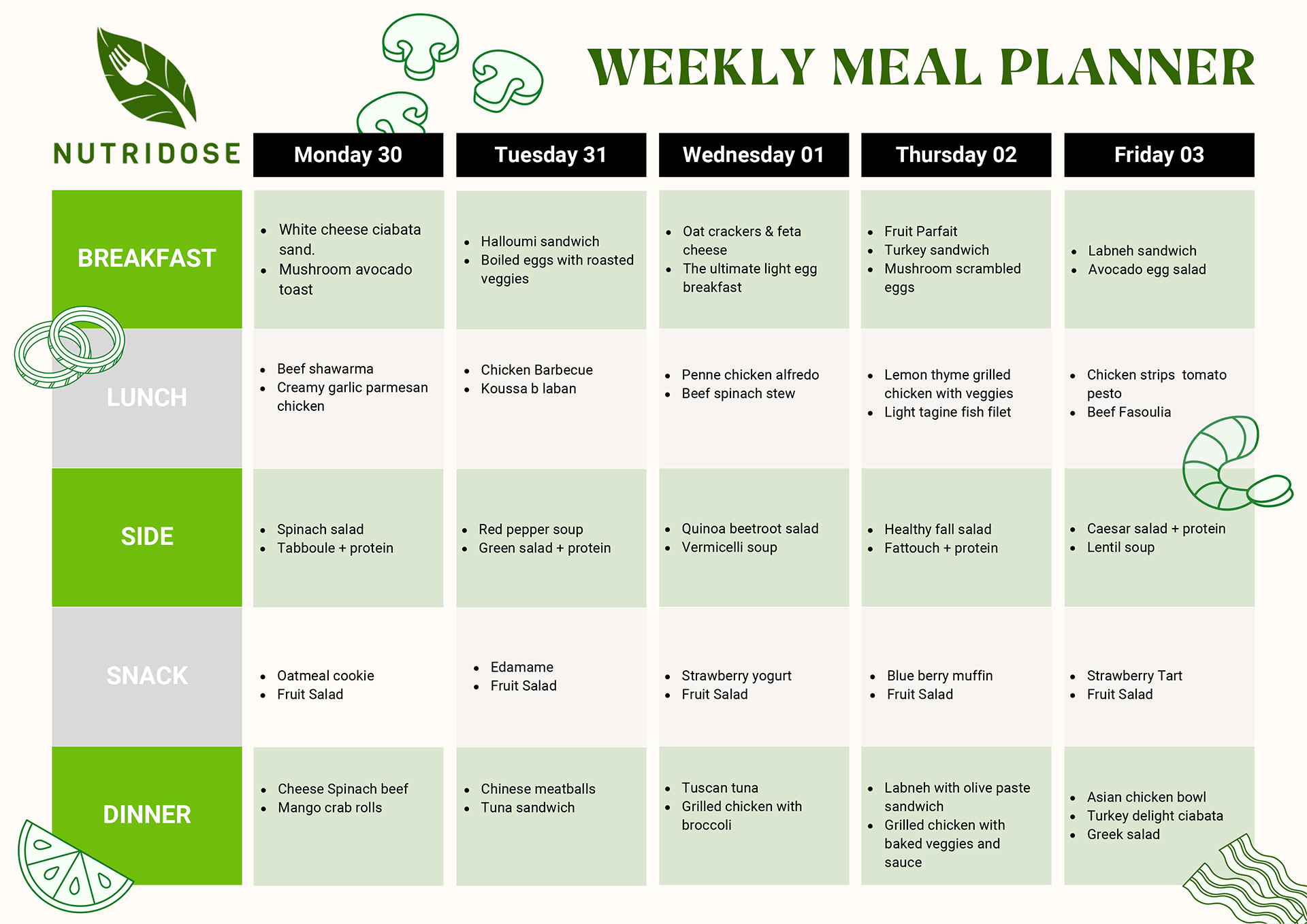
Meal timing affects energy levels and muscle repair. Eating regular meals keeps energy stable. It helps maintain muscle growth throughout the day. Eating protein-rich meals after workouts boosts recovery. Spreading calories and protein in 4-6 meals daily works best. This approach supports muscle building and reduces fat gain risk.
Credit: www.nutridose.ae
Choosing The Right Foods
Choosing the right foods is crucial for your bulking diet plan. What you eat directly influences how effectively you build muscle and gain strength. It’s not just about eating more but eating smarter to fuel your workouts and recovery.
Best Protein Sources
Protein is the building block of muscle. Aim for high-quality sources that provide all essential amino acids.
- Chicken breast:Lean and packed with protein, it’s easy to cook and versatile.
- Eggs:Affordable and nutrient-dense, perfect for any meal of the day.
- Greek yogurt:Offers protein and probiotics, supporting digestion and muscle growth.
- Lean beef:Rich in iron and creatine, which help improve strength.
- Plant-based options:Lentils, chickpeas, and tofu provide good protein for vegetarians.
Think about how you can add these to your daily meals without overcomplicating your routine.
Healthy Carbs For Energy
Carbohydrates fuel your workouts and replenish glycogen stores. Choosing the right carbs keeps your energy steady and supports muscle recovery.
- Oats:Slow-digesting, they provide sustained energy throughout the day.
- Sweet potatoes:Loaded with vitamins and fiber, they’re a great carb choice.
- Brown rice:A whole grain that helps keep blood sugar levels stable.
- Quinoa:Contains protein and carbs, making it a double benefit.
- Fruits like bananas and berries:Offer quick energy and antioxidants.
Are you getting enough carbs to power through your workouts without feeling sluggish?
Fats That Support Growth
Fats are often overlooked but essential for hormone production and overall health. The right fats can speed up muscle growth and improve recovery.
- Avocados:Rich in monounsaturated fats and vitamins.
- Nuts and seeds:Provide healthy fats along with protein and fiber.
- Olive oil:Great for cooking or drizzling over salads.
- Fatty fish like salmon:Loaded with omega-3 fatty acids that reduce inflammation.
- Natural peanut butter:A tasty way to add calories and fats.
How are you balancing fats in your diet to support your bulking goals?
Sample Bulking Meal Plans
Creating a bulking diet plan that suits your lifestyle and goals can make all the difference in muscle gain and overall progress. Sample meal plans help you see what a day of eating might look like, making it easier to stay on track. Whether you’re just starting out or aiming for an advanced calorie surplus, there’s a plan that can fit your needs.
Beginner-friendly Menu
If you’re new to bulking, simplicity is key. Focus on balanced meals with moderate calories to help your body adjust without feeling overwhelmed. Here’s an easy-to-follow menu to get you started:
| Meal | Food Items | Approx. Calories |
|---|---|---|
| Breakfast | Oatmeal with banana and peanut butter | 450 |
| Snack | Greek yogurt with honey and almonds | 300 |
| Lunch | Grilled chicken breast, brown rice, steamed broccoli | 600 |
| Snack | Protein shake and an apple | 350 |
| Dinner | Salmon, quinoa, mixed vegetables | 700 |
This menu hits a good calorie range without overwhelming you. What’s important is consistency and adjusting portions as you grow stronger and hungrier.
Advanced High-calorie Plan
If you have experience with bulking and need more calories, you’ll want to eat denser meals packed with protein and healthy fats. This plan challenges your appetite and fuels intense workouts.
- Breakfast:4 eggs scrambled with cheese, avocado toast, and a smoothie with whey, oats, and berries (800+ calories)
- Mid-Morning Snack:Trail mix with nuts, dried fruits, and dark chocolate (500 calories)
- Lunch:Beef stir-fry with white rice and mixed peppers (800 calories)
- Afternoon Snack:Cottage cheese with pineapple and a handful of walnuts (450 calories)
- Dinner:Whole wheat pasta with chicken, olive oil, and spinach (900 calories)
- Evening Snack:Casein protein shake and peanut butter on whole grain crackers (400 calories)
Do you find it hard to eat this much? Try spreading your meals out more or adding calorie-dense liquids like shakes. Tracking your intake can reveal if you’re truly hitting your targets.
Vegetarian Bulking Options
Bulking as a vegetarian is completely doable with the right protein sources and calorie balance. You need to mix legumes, grains, and dairy or plant-based proteins to meet your needs.
| Meal | Food Items | Approx. Calories |
|---|---|---|
| Breakfast | Chia seed pudding with almond milk, berries, and walnuts | 500 |
| Snack | Hummus with whole wheat pita bread | 350 |
| Lunch | Lentil curry with brown rice and sautéed greens | 700 |
| Snack | Protein smoothie with pea protein, banana, and peanut butter | 400 |
| Dinner | Tofu stir-fry with quinoa and mixed vegetables | 650 |
Are you getting enough variety in your vegetarian meals? Mixing different plant proteins can keep your muscle gains on track without meat. Try swapping ingredients to keep meals exciting and packed with nutrients.
Supplements To Consider
Supplements can support your bulking diet plan by filling nutrition gaps. They help boost muscle growth and improve workout recovery. Choosing the right supplements can enhance your progress safely and effectively.
Protein Powders
Protein powders provide a quick source of high-quality protein. They help repair and build muscle after exercise. Whey protein is fast-absorbing and popular for muscle gain. Plant-based proteins like pea or rice suit those with allergies. Consuming protein shakes post-workout aids muscle recovery and growth.
Creatine Benefits
Creatine increases strength and energy during intense workouts. It helps muscles produce more power in short bursts. This supplement can improve exercise performance and promote muscle size. Creatine is safe for most people and easy to use daily. Staying hydrated is important when taking creatine.
Vitamins And Minerals
Vitamins and minerals support overall health and muscle function. Magnesium and zinc help with muscle recovery and energy production. Vitamin D boosts bone strength and immune health. A balanced multivitamin can fill gaps in your diet. These nutrients keep your body working well during bulking.
Training Tips For Muscle Gain
Training plays a vital role in building muscle during a bulking phase. Focused workouts, proper rest, and tracking results help you grow stronger and bigger. Smart training habits improve muscle gain and prevent injury. Below are key tips to boost your muscle growth effectively.
Effective Workout Routines
Choose exercises that target multiple muscles at once. Compound movements like squats, deadlifts, and bench presses are excellent for muscle growth.
- Lift heavy weights with proper form
- Perform 3-4 sets of 6-12 reps per exercise
- Include both free weights and machines
- Balance pushing and pulling exercises
- Change routine every 6-8 weeks to avoid plateaus
Rest And Recovery
Muscles grow during rest, not just workouts. Allow time for your muscles to repair and strengthen.
- Get 7-9 hours of sleep every night
- Take 48 hours rest between intense workouts for the same muscle group
- Use light activity like walking on rest days
- Stay hydrated and eat enough protein
Tracking Progress
Record your workouts and body changes to stay motivated. Tracking helps adjust your plan for better results.
- Keep a workout journal or use fitness apps
- Note weights, sets, and reps each session
- Take weekly photos and body measurements
- Adjust diet and training based on progress
Credit: betterme.world
Common Bulking Mistakes
Many people make mistakes during bulking that slow progress or cause unwanted fat gain. Knowing common errors helps you avoid setbacks and stay on track. Bulking is about gaining muscle, not just eating more food. Careful planning and smart choices are key to a successful bulking diet plan.
Overeating Junk Food
Eating too much junk food adds extra calories but little nutrition. It may cause fat gain instead of muscle growth. Choose whole foods like lean proteins, vegetables, and grains. Junk food can hurt energy and recovery. Focus on quality calories to build muscle efficiently.
Neglecting Cardio
Some skip cardio thinking it will stop muscle gain. Cardio helps heart health and keeps fat off during bulking. It improves recovery and boosts stamina. Balance strength training with light cardio sessions. This supports muscle growth and overall fitness.
Ignoring Hydration
Water is vital for muscle function and recovery. Dehydration reduces strength and slows progress. Drink water throughout the day, especially before and after workouts. Staying hydrated helps nutrient delivery and muscle repair. Don’t overlook this simple but important habit.
Adjusting Your Plan
Adjusting your bulking diet plan is essential for steady progress. Your body changes as you gain muscle, so your nutrition should change too. Monitoring how your body responds helps avoid unwanted fat gain. Small tweaks keep your gains consistent and healthy.
When To Increase Calories
Watch your weight gain closely. Aim for about 0.5 to 1 pound per week. If weight gain stalls for two weeks, it may be time to add calories. Increase calories by 200 to 300 per day. This helps support muscle growth without adding too much fat.
Modifying Macros
Adjust your protein, carbs, and fats based on progress. Protein should stay high to build muscle. Carbs provide energy and help recovery. Fats support hormones and overall health. If energy feels low, raise carbs slightly. If fat gain is fast, reduce carbs or fats carefully. Balance is key for muscle and fat control.
Dealing With Plateaus
Plateaus can slow your muscle growth. Change your calorie intake or macros to break through. Try adding variety to your food choices. Check your workout routine too; muscles need new challenges. Sometimes, a short break or lower calories for a week helps reset your progress. Patience and small changes work best.

Credit: www.youtube.com
Frequently Asked Questions
What Is A Bulking Diet Plan?
A bulking diet plan focuses on gaining muscle mass. It involves consuming more calories than your body burns. This surplus is used to build muscle. It typically includes high-protein foods, healthy fats, and complex carbohydrates. Proper balance and portion control are essential to avoid excessive fat gain.
How Many Calories Should I Consume For Bulking?
The number of calories for bulking depends on your goals. Generally, aim to consume 250-500 more calories than your maintenance level. This ensures a gradual and healthy weight gain. It’s important to adjust based on your progress and body response to the diet.
Which Foods Are Best For Bulking?
For bulking, focus on high-protein foods like chicken, beef, and fish. Include complex carbohydrates such as oats, brown rice, and whole grains. Healthy fats like avocados, nuts, and olive oil are also essential. These foods provide the necessary nutrients for muscle growth.
How Long Should A Bulking Phase Last?
A bulking phase typically lasts 4 to 6 months. This period allows for significant muscle gain while minimizing fat accumulation. It’s crucial to monitor your progress regularly. Adjust your diet and workouts based on your body’s response to the bulking phase.
Conclusion
A bulking diet plan helps build muscle and strength effectively. Focus on eating enough protein, carbs, and healthy fats daily. Keep meals balanced and avoid junk food to stay healthy. Track your progress and adjust food intake as needed. Rest and exercise matter just as much as your diet.
Stay patient; results take time but are worth the effort. Consistency and good habits lead to steady muscle gain. Choose foods that fuel your body and support your goals. This plan sets a strong foundation for building muscle.







