
If you want to take your leg workouts to the next level, the Bulgarian split squat is a game-changer. But to perform it correctly and safely, having the right gym equipment is crucial.
Imagine seeing a clear, detailed image of the perfect setup that guides your form and boosts your results. You’ll discover exactly what gym equipment you need for the Bulgarian split squat, along with a helpful image to make your training easier and more effective.
Ready to upgrade your routine and see real progress? Keep reading.
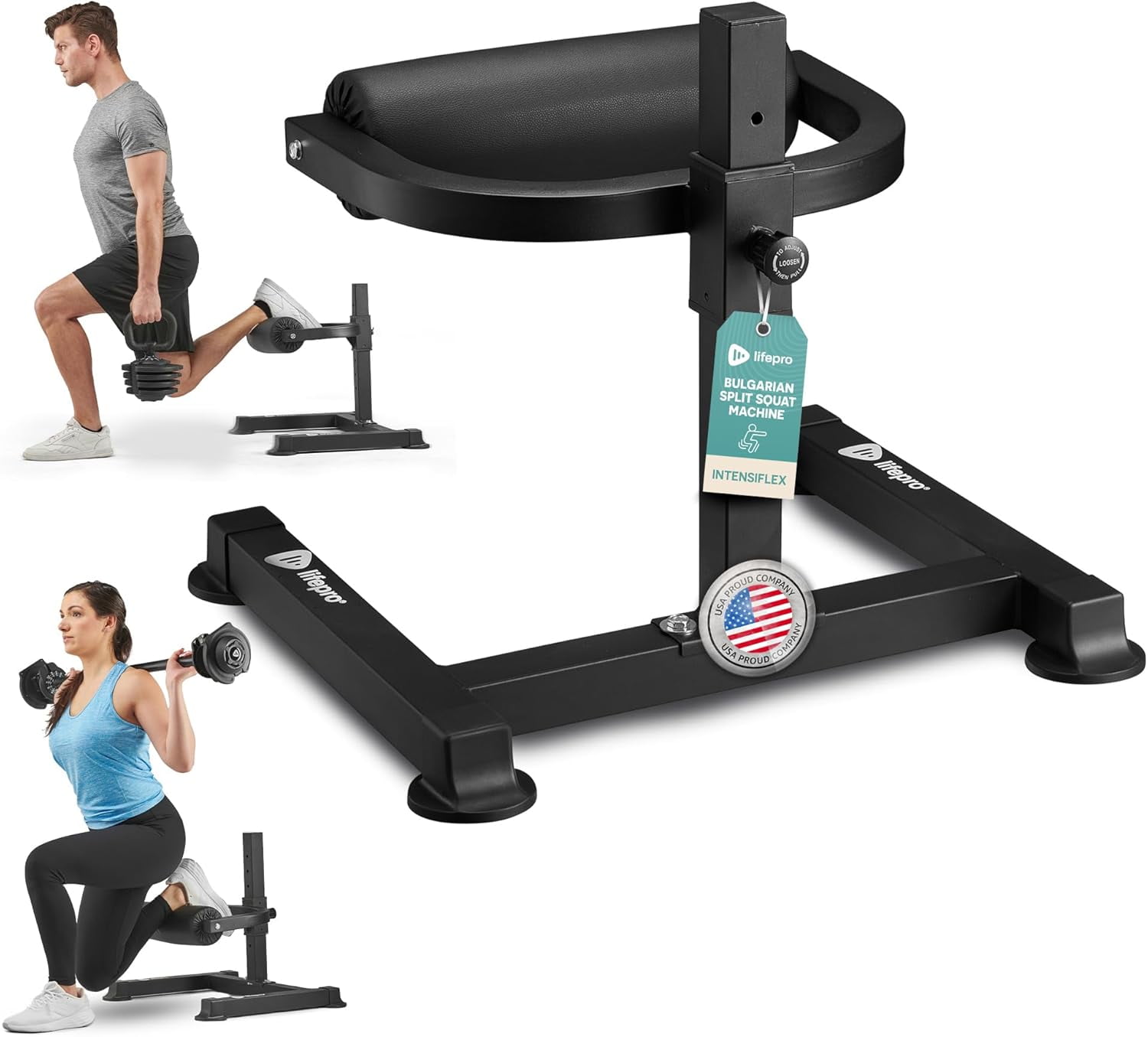
Credit: www.walmart.com
Benefits Of Bulgarian Split Squats
The Bulgarian Split Squat is more than just a tough leg exercise. It offers several benefits that can transform how you train your lower body. Understanding these benefits can help you decide why this move deserves a spot in your workout routine.
Improved Balance And Stability
This exercise forces you to balance on one leg while the other is elevated behind you. That challenge helps your body build better coordination and stability. If you’ve ever felt wobbly during lunges or squats, Bulgarian Split Squats can fix that by strengthening the small stabilizer muscles around your knees and ankles.
Have you noticed how sometimes your stronger leg dominates during workouts? This move helps even out those differences by working each leg independently. Over time, your overall balance improves, making other exercises and daily activities easier.
Enhanced Muscle Activation
Because your rear foot is elevated, your front leg has to work harder to support your body weight. This setup activates more muscle fibers in your quads, glutes, and hamstrings compared to regular squats. You’ll often feel a deeper burn, which means your muscles are getting a more effective workout.
This intense activation can lead to faster muscle growth and better muscle definition. If you want stronger, toned legs without adding tons of weight, Bulgarian Split Squats are a smart choice.
Increased Lower Body Strength
Over time, consistently doing Bulgarian Split Squats builds serious strength in your legs and hips. This strength improves your performance in activities like running, jumping, and even climbing stairs. It also helps protect your joints by supporting better movement patterns.
Think about your own fitness goals. Would stronger legs help you lift heavier, run faster, or simply move with more confidence? Adding this exercise to your routine can make those goals more achievable.
Choosing The Right Equipment
Choosing the right equipment for Bulgarian split squats affects your workout quality. The right tools support balance, strength, and muscle growth. Picking equipment depends on your fitness level and goals. Equipment varies in cost, space, and ease of use. Consider these factors before starting your exercise routine.
Dumbbells Vs. Barbells
Dumbbells offer more control and help improve balance. They allow a natural range of motion for each leg. Dumbbells are easier to handle for beginners. Barbells let you lift heavier weights for strength gains. They require good form to avoid injury. Barbells need a squat rack or spotter for safety.
Using A Bench Or Step
A bench is ideal for supporting your rear foot during the split squat. It provides stability and proper form guidance. A sturdy step can also work if a bench is unavailable. Ensure the height suits your leg length to avoid strain. Avoid unstable surfaces to reduce injury risk.
Resistance Bands And Alternatives
Resistance bands add variable tension to your Bulgarian split squats. They are lightweight and easy to carry anywhere. Bands improve muscle activation and joint stability. Alternatives include suspension trainers or cable machines. These tools offer adjustable resistance and support.
Proper Form And Technique
Proper form and technique are key to performing the Bulgarian split squat safely and effectively. This exercise targets your legs and glutes. Using gym equipment like a bench or platform helps maintain balance. Correct posture reduces injury risk and improves results. Focus on controlled movements and body alignment.
Setting Up The Position
Stand a few feet in front of a bench or sturdy platform. Place the top of one foot behind you on the bench. Your other foot should be flat on the floor, pointing forward. Keep your hips facing straight ahead. Find a comfortable distance to avoid overstretching or crowding.
Maintaining Posture
Keep your chest up and your shoulders back. Engage your core muscles for stability. Lower your body by bending the front knee. Your back knee should move toward the floor but not touch it. Stop when your front thigh is parallel to the ground. Push through your front heel to rise back up.
Common Mistakes To Avoid
- Leaning too far forward or backward
- Allowing the front knee to go past the toes
- Not keeping the hips square and aligned
- Using momentum instead of controlled movement
- Placing the rear foot too high or too low on the bench
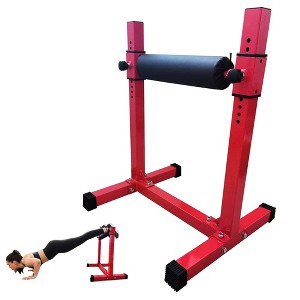
Credit: www.target.com
Variations Of Bulgarian Split Squats
Bulgarian split squats have many variations that target muscles differently. Changing the style keeps workouts fresh and helps build strength. Each variation focuses on balance, power, or endurance. These options suit beginners and advanced lifters alike.
Weighted Variations
Adding weight increases the challenge and boosts muscle growth. Use dumbbells, kettlebells, or a barbell for resistance. Hold the weights by your sides or on your shoulders. Weighted Bulgarian split squats improve leg strength and core stability. Start with light weights to maintain balance and good form.
Plyometric Split Squats
Plyometric variations add speed and explosiveness. These involve jumping to switch legs quickly between reps. This builds power and improves athletic performance. Land softly to protect your joints and avoid injury. Plyometric split squats are excellent for sports training and cardio fitness.
Single-leg Focused Variations
Single-leg variations isolate each leg to fix muscle imbalances. Perform the exercise slowly to increase muscle activation. Use a stable surface or balance equipment for support. These variations help improve stability and coordination. They also enhance muscle endurance in the working leg.
Integrating Into Workout Routines
The Bulgarian Split Squat is a versatile exercise that fits well into many workout routines. It targets the legs and glutes while improving balance and stability. Using gym equipment like a bench or step makes the move more effective and safe. Planning how to add this exercise into your workouts helps you get better results.
Pairing With Other Exercises
Combine Bulgarian Split Squats with exercises that focus on other muscle groups. For example, pair them with upper body workouts like push-ups or rows. This creates a balanced session that works your whole body. Adding core exercises like planks improves overall strength and stability. Alternate between leg and upper body moves for better recovery and performance.
Frequency And Repetition Guidelines
Start with two to three sessions per week to allow muscle recovery. Aim for 3 sets of 8 to 12 repetitions on each leg. Use a moderate weight to maintain good form throughout. Rest for 30 to 60 seconds between sets to keep intensity high. Adjust frequency and reps based on your fitness level and goals.
Progressive Overload Strategies
Increase the challenge gradually to build strength. Add more weight using dumbbells or a weighted vest over time. Increase the number of repetitions or sets as you get stronger. Change the tempo by slowing down the lowering phase for more muscle tension. Use a smaller step or bench height to adjust difficulty levels.
Safety Tips And Precautions
Using the Bulgarian split squat with gym equipment can boost your leg strength and balance. Safety matters most during this exercise. Following tips and precautions helps avoid injuries and improves performance.
Preventing Knee Injuries
Keep your knee aligned over your foot. Avoid letting it move too far forward. Use gym equipment that supports proper foot placement. Do not lock your knee at the top of the movement. Maintain control through every repetition. Stop if you feel sharp pain in the knee.
Warming Up Effectively
Prepare your muscles and joints before starting. Use light cardio like walking or cycling for five minutes. Stretch your hip flexors, quads, and hamstrings gently. Try dynamic movements such as leg swings or lunges. A proper warm-up reduces muscle stiffness and injury risk.
Listening To Your Body
Pay attention to discomfort or unusual sensations. Reduce weight or stop if pain occurs. Rest between sets to avoid fatigue. Gradually increase intensity over time. Use proper form rather than heavy weights. Your body signals when to slow down or stop.
Common Questions And Solutions
Many people struggle with the Bulgarian split squat, especially when using gym equipment designed to support the movement. Common questions often revolve around how to handle mobility challenges, how to start safely as a beginner, and how to improve performance gradually. Let’s tackle these concerns head-on and offer clear solutions you can use right away.
Addressing Mobility Issues
Limited ankle or hip mobility can make the Bulgarian split squat feel impossible. You might notice knee pain or poor balance during the exercise.
Try adding simple stretches to your warm-up, like ankle circles and hip openers. Using a slightly higher bench for your rear foot can reduce strain and help you maintain proper form.
Have you tried foam rolling your calves and quads before starting? It often loosens tight muscles that hold back your range of motion.
Adapting For Beginners
If you’re new to the Bulgarian split squat, starting with bodyweight only is key. Using gym equipment like a Smith machine or holding onto a stable bar can provide extra balance support.
Don’t rush depth—focus on controlled movement and keep your torso upright. A mirror or recording yourself can help spot form mistakes early on.
What’s your biggest challenge so far? Adjusting the bench height or reducing the range of motion might be the simple fix you need.
Improving Performance Over Time
Once you’re comfortable, adding weight gradually is the best way to build strength. Dumbbells or a weighted vest allow you to increase load without losing balance.
Tracking your progress weekly can motivate you to push a little harder. Aim for small improvements in reps or depth rather than huge jumps.
Have you considered switching up your foot position or tempo? Slowing down the descent or pausing at the bottom can increase muscle engagement and boost results.

Credit: shop.torokhtiy.com
Frequently Asked Questions
What Gym Equipment Is Needed For Bulgarian Split Squats?
You mainly need a stable bench or box for rear foot support. Dumbbells or a barbell can add resistance. Optional equipment includes a squat rack for safety and balance.
How Does The Gym Equipment Improve Bulgarian Split Squat Form?
Using proper equipment ensures stability and balance, reducing injury risk. Weights increase muscle engagement, enhancing strength and effectiveness of the exercise.
Can Bulgarian Split Squats Be Done Without Gym Equipment?
Yes, you can perform Bulgarian split squats using just body weight. A sturdy chair or bench substitutes gym equipment for rear foot support.
Which Muscles Does Bulgarian Split Squat Gym Equipment Target?
This exercise targets the quadriceps, hamstrings, glutes, and calves. Equipment like weights intensifies muscle activation for better strength gains.
Conclusion
The Bulgarian split squat is a powerful leg exercise. Using the right gym equipment helps you perform it safely. You can improve balance and strength with this move. It targets your thighs, hips, and glutes well. Adding this exercise can boost your workout routine.
Focus on form to avoid injury and get results. Practice regularly, and you will see progress. Simple tools can make a big difference in training. Keep your workout varied and enjoy building strong legs.







