
If you have a Blue Tongue Skink or are thinking about getting one, understanding its diet is key to keeping it healthy and happy. You might wonder what to feed your scaly friend to make sure it thrives.
Getting the diet right isn’t just about throwing food in a bowl—it’s about knowing what your skink needs every day. You’ll discover the perfect balance of foods that will keep your Blue Tongue Skink strong and energetic. Ready to learn how to give your pet the best nutrition?
Keep reading, because what you feed your skink can make all the difference.
Natural Diet Of Blue Tongue Skinks
Understanding the natural diet of Blue Tongue Skinks is essential for anyone who wants to care for these fascinating reptiles properly. Their diet in the wild shapes their health, behavior, and energy levels. Knowing what they eat naturally can help you provide a balanced and satisfying diet in captivity.
Wild Feeding Habits
Blue Tongue Skinks are omnivores with a strong preference for a varied diet. In the wild, they hunt for insects, snails, and other small invertebrates. They also eat a wide range of plants, including fruits, flowers, and leafy greens.
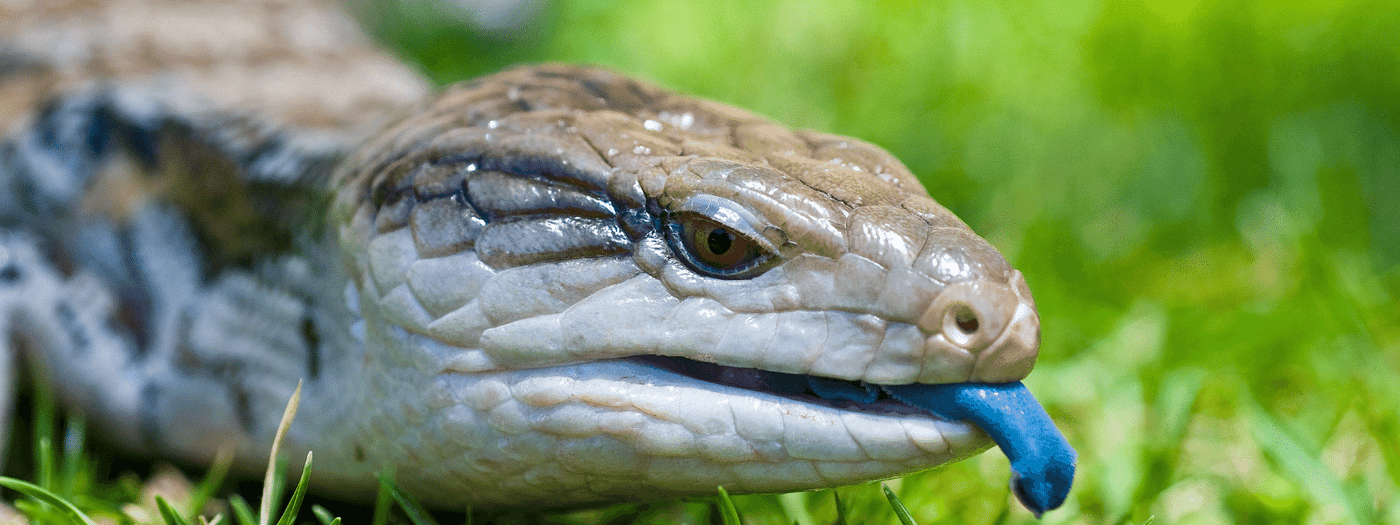
They often forage on the forest floor, using their keen sense of smell to locate food hidden under leaves or soil. Have you ever noticed how their bright blue tongues flash when they feel threatened? It’s not just for show—it helps them detect chemicals in the air, guiding them to potential meals.
Seasonal Variations In Diet
Their diet changes with the seasons. During warmer months, Blue Tongue Skinks consume more protein-rich foods like insects and small animals. This helps build energy for growth and reproduction.
In cooler months, they shift towards more plant-based foods such as fruits and leafy greens. This shift reflects the availability of food in their natural habitat. If you keep a Blue Tongue Skink, have you noticed their appetite or preferences change as the seasons change? Paying attention to these shifts can improve their diet and overall wellbeing.

Credit: talis-us.com
Essential Nutrients For Blue Tongue Skinks
Blue Tongue Skinks need a balanced diet to stay healthy and active. Their diet must include key nutrients that support growth, energy, and overall well-being. Providing the right mix of proteins, fruits, vegetables, and supplements keeps these reptiles strong and vibrant.
Proteins And Their Sources
Proteins are vital for muscle development and repair. Blue Tongue Skinks thrive on a variety of protein sources. Insects like crickets and mealworms are excellent choices. Cooked lean meats, such as chicken or turkey, add good protein too. Occasionally, pinkie mice can be offered, but not too often. Variety helps meet their nutritional needs.
Fruits And Vegetables
Fresh fruits and vegetables supply essential vitamins and fiber. Leafy greens like kale and collard greens are nutritious options. Carrots, squash, and sweet potatoes provide important nutrients and improve digestion. Fruits like berries, mango, and papaya add natural sweetness. Always wash produce thoroughly before feeding.
Calcium And Vitamin Supplements
Calcium supports strong bones and prevents metabolic bone disease. Use calcium powder supplements without phosphorus. Vitamin D3 aids calcium absorption and should be included, especially if UVB lighting is limited. Offer supplements two to three times a week. Follow dosage instructions carefully to avoid overdose.
Balanced Feeding Schedule
A balanced feeding schedule is essential for the health of your Blue Tongue Skink. It helps maintain energy levels and supports growth. Feeding at regular times creates a routine your skink can follow. This also prevents overeating or malnutrition. Proper timing and quantity make a big difference in their wellbeing.
Daily Meal Frequency
Young Blue Tongue Skinks need more frequent meals. They should eat once or twice daily. This supports their rapid growth and energy needs. Adult skinks do well with fewer meals. Feeding them every other day is usually enough. This keeps their digestion healthy and prevents obesity.
Portion Sizes For Different Ages
Juvenile skinks require small but frequent portions. Their meals should be about the size of their head. This amount fuels their active growth. Adult skinks need larger portions, but less often. Aim for meals about one-and-a-half times their head size. Avoid overfeeding to keep their weight steady.
Safe And Unsafe Foods
Knowing which foods are safe and which are harmful is crucial for your Blue Tongue Skink’s health. Feeding them the wrong items can lead to serious health problems or even be fatal. Let’s look at what you should avoid to keep your pet thriving.
Foods To Avoid
Some common foods might seem harmless but can cause digestive upset or toxicity in Blue Tongue Skinks. Avoid feeding them:
- Avocado– Contains persin, which is toxic to many reptiles.
- Rhubarb– Its leaves contain oxalates that can harm your skink.
- Raw beans and potatoes– These contain harmful substances that affect digestion.
- High-fat or processed foods– These can cause obesity and organ issues.
- Excessive citrus fruits– Too much acidity can upset their stomach.
Have you ever wondered if a seemingly harmless fruit could cause your pet discomfort? It’s better to stick to tried-and-true staples and avoid risky foods altogether.
Toxic Plants And Insects
Blue Tongue Skinks might nibble on plants or insects you haven’t checked carefully. Some plants and bugs carry toxins that can be dangerous.
- Oleander– This common garden plant is highly toxic if ingested.
- Foxglove– Contains cardiac glycosides harmful to reptiles.
- Fireflies– Their toxins can be fatal to your skink.
- Some spiders and ants– May bite or sting, causing reactions.
Always inspect any wild insects or plants before offering them to your pet. Have you ever seen your skink react strangely after eating something new? That’s a warning to check your feeding choices carefully.
Hydration Needs
Keeping your Blue Tongue Skink properly hydrated is key to its overall health. These reptiles don’t always drink water like mammals do, so understanding their hydration needs helps you avoid common health issues. Let’s look at how you can ensure your skink stays well-hydrated through both water availability and moisture-rich foods.
Water Availability
Always provide a shallow dish of fresh, clean water in your skink’s enclosure. Change the water daily to prevent bacteria buildup, which can harm your pet.
Some Blue Tongue Skinks may not drink directly from a bowl. To encourage drinking, try gently misting the enclosure or lightly spraying their snout. Have you noticed your skink ignoring the water dish? This might be why.
Moisture-rich Foods
Adding moisture-rich foods to your skink’s diet can boost hydration naturally. Vegetables like cucumbers, zucchini, and leafy greens contain high water content and are great options.
Fruits such as watermelon and strawberries can also add hydration, but offer them sparingly due to sugar content. You might find your skink prefers some of these foods over others—observe what it enjoys most.
Balancing dry and moist foods ensures your Blue Tongue Skink stays hydrated without relying solely on drinking water. How often do you include these moisture-rich options in your skink’s meals?

Credit: www.reddit.com
Feeding Tips For Captive Skinks
Feeding your captive Blue Tongue Skink well is key to its happiness and health. These reptiles have specific dietary needs that, if met properly, can keep them active and thriving. Let’s look at some practical tips to help you provide the best nutrition for your scaly friend.
Creating A Varied Menu
Your skink won’t benefit from eating the same food every day. Variety keeps them interested and ensures they get all necessary nutrients.
- Mix protein sources like crickets, earthworms, and lean cooked meats.
- Add fresh vegetables such as kale, carrots, and squash for fiber and vitamins.
- Include fruits like berries or melon occasionally as a treat.
Think about how you would feel eating the same meal repeatedly—your skink feels the same way. Changing up the menu helps maintain their enthusiasm for feeding time.
Encouraging Appetite
Sometimes skinks can be picky or lose interest in food. You can gently stimulate their appetite with a few simple tricks.
- Offer food at the right temperature—lukewarm meals tend to be more appealing.
- Try feeding by hand or placing food near their favorite basking spot.
- Reduce stress by keeping their environment calm and stable during feeding.
I once noticed my skink ignoring food until I warmed it slightly—suddenly, it was eager to eat. Have you observed changes in your pet’s eating habits with different feeding approaches?
Monitoring Health Through Diet
Your skink’s diet reflects its overall health. Regularly check for signs that may indicate dietary problems.
- Look for changes in weight or energy levels.
- Watch for abnormal droppings or digestive issues.
- Keep an eye on skin condition and shedding patterns.
Noticing these details early can help you adjust your skink’s diet before problems grow. What small changes have you spotted that hinted at your pet’s health needs?
Common Dietary Problems
Keeping your Blue Tongue Skink healthy means paying close attention to its diet. Many owners face common dietary problems that can seriously affect their pet’s well-being. Understanding these issues helps you avoid mistakes that might seem small but have big consequences.
Overfeeding And Obesity
Overfeeding is a surprisingly common problem among Blue Tongue Skink owners. These reptiles love food, and it’s easy to give them more than they need because they seem so eager to eat.
Obesity can lead to severe health problems like liver disease and joint stress. To prevent this, offer measured portions and avoid feeding high-fat treats too often. Ask yourself: Are you feeding out of habit, or responding to your skink’s real hunger?
Nutritional Deficiencies
Blue Tongue Skinks need a balanced diet with protein, vegetables, and fruits. Missing key nutrients like calcium or vitamins can cause metabolic bone disease and other issues.
Many owners rely too much on a single food type, like only insects or only leafy greens. Your skink’s diet should vary daily to meet all its needs. Think about whether you’re giving your pet enough variety to thrive, not just survive.
Credit: imperialreptiles.com
Frequently Asked Questions
What Do Blue Tongue Skinks Eat?
Blue tongue skinks enjoy a varied diet of vegetables, fruits, and proteins. Leafy greens, squash, and berries are excellent choices. They also consume insects like crickets and mealworms. Occasionally, offer cooked meats like chicken. Ensure their diet is balanced for optimal health.
Always provide fresh water daily.
Can Skinks Eat Fruits Daily?
Fruits should be fed sparingly to blue tongue skinks. While they enjoy fruits like berries and apples, too much sugar can harm them. Offer fruits as occasional treats, not daily staples. Focus on vegetables and proteins for their primary diet.
This helps maintain their health and prevents obesity.
Are Insects Necessary For Skink Diets?
Insects are essential for a balanced skink diet. They provide protein and nutrients crucial for growth and health. Common insects include crickets, mealworms, and roaches. Ensure insects are gut-loaded before feeding. This enhances their nutritional value. Always vary the protein sources for a well-rounded diet.
How Often Should I Feed My Skink?
Feed adult blue tongue skinks 2-3 times weekly. Young skinks require more frequent meals, usually every other day. Adjust the portion size according to your skink’s size and age. Always monitor their weight and health. Overfeeding can lead to obesity and related health issues.
Conclusion
A balanced diet keeps blue tongue skinks healthy and active. Feed them a mix of vegetables, fruits, and proteins regularly. Avoid giving too much sugary or fatty food. Fresh water should always be available for drinking. Watch their eating habits to spot any health issues early.
A proper diet helps your skink live a long life. Caring for their food needs is simple but very important. Keep learning about their diet to provide the best care. Your skink will thank you with good health and energy.







