
Are you curious about how your unique blood type can influence your diet and overall health? If you belong to the rare AB negative blood group, you might wonder if there’s a specific diet that can help you feel your best.
Imagine unlocking the secrets to more energy, better digestion, and improved well-being simply by aligning your food choices with your blood type. This isn’t just another diet trend; it’s a fascinating approach that could transform how you nourish your body.
Dive into the world of the AB negative diet and discover how eating according to your blood type could be the game-changer you’ve been looking for. Keep reading to uncover the dietary strategies tailored just for you.
Credit: medium.com
Blood Group Ab Negative Basics
Understanding your blood group can offer surprising insights into your diet and overall health. Blood Group AB Negative is one of the rarest types, carrying unique genetic markers and health considerations. Knowing these basics helps you make smarter choices about what you eat and how you care for your body.
Genetic Traits And Rarity
AB Negative is found in less than 1% of the global population, making it extremely rare. This blood type is a combination of both A and B antigens but lacks the Rh factor, which is why it’s labeled negative.
The mix of A and B antigens means your body might respond differently to certain foods compared to other blood groups. This can affect how well you digest proteins and carbohydrates, influencing energy levels and digestion.
Have you ever wondered why some diets work wonders for others but not for you? Your AB Negative blood group might hold the key.
Common Health Concerns
People with AB Negative blood are often more sensitive to stress and may experience digestive issues more frequently. This sensitivity means you should pay close attention to foods that calm your system rather than irritate it.
Heart health is another area to watch. Studies suggest that AB blood types might have a higher risk of cardiovascular problems, so a diet rich in antioxidants and low in saturated fats can be crucial.
- Focus on foods that support your immune system, like leafy greens and berries.
- Limit red meat and processed foods that can increase inflammation.
- Include moderate amounts of dairy, as some AB Negative individuals tolerate it well.
Have you noticed how your body reacts after certain meals? Keeping a food journal might reveal patterns that help you avoid common health pitfalls associated with your blood type.

Credit: www.amazon.ca
Key Nutritional Needs
Understanding the key nutritional needs for the AB Negative blood group can help you make smarter food choices that support your body’s unique chemistry. Your diet plays a crucial role in how well you feel every day, influencing energy levels, digestion, and overall health. Let’s look closely at the types of proteins, carbohydrates, and fats that work best for you.
Ideal Protein Sources
Your body benefits most from lean and easily digestible proteins. Seafood like salmon and sardines provide essential omega-3 fats while supporting your immune system. Tofu and dairy products such as yogurt and cheese are also excellent because they offer protein without the heaviness of red meat.
Red meat may cause digestive discomfort, so it’s best to avoid it or eat it sparingly. Including eggs in your diet can boost your protein intake without adding unnecessary fats. Have you noticed how some proteins make you feel sluggish while others energize you? Pay attention to those signals.
Carbohydrates To Embrace
Focus on whole grains like quinoa, oats, and brown rice, which release energy slowly and keep you full longer. Vegetables such as kale, broccoli, and carrots provide fiber and vital vitamins that support digestion and immune health. Fruits like berries and plums add natural sweetness and antioxidants without spiking your blood sugar.
Try to limit processed carbs and sugary snacks that may cause energy crashes. How often do you feel sluggish after eating bread or pasta? Swapping these for whole grains could change how you feel throughout the day.
Fats And Oils For Health
Healthy fats are essential for brain function and hormone balance, especially for AB Negative individuals. Olive oil and flaxseed oil are great choices that add flavor and nutrition to your meals. Avocados also provide beneficial monounsaturated fats that help keep your heart healthy.
Avoid heavy, saturated fats found in fried foods and some processed snacks, as they can cause inflammation. Have you tried cooking with olive oil instead of butter? Small switches like this can make a big difference in your wellbeing.
Foods To Avoid
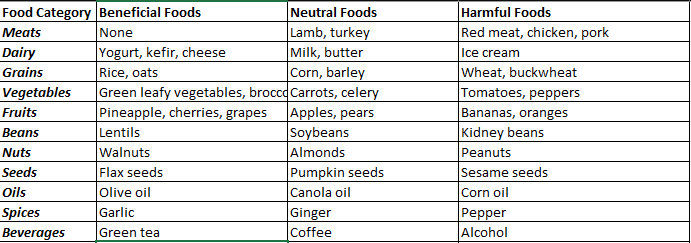
Choosing the right foods can improve health for people with AB negative blood. Avoiding certain foods helps reduce digestion problems and boosts energy. This section lists key foods to avoid for better well-being.
Harmful Meats And Seafood
Some meats and seafood cause issues for AB negative blood types. They can trigger inflammation and discomfort. Avoid these:
- Chicken
- Beef
- Pork
- Shellfish like shrimp and lobster
- Catfish
These proteins may slow digestion and cause fatigue. Choose lighter protein options instead.
Triggering Grains And Legumes
Certain grains and legumes do not digest well for AB negative types. They may cause bloating and digestive upset. Avoid these:
- Wheat and wheat products
- Corn
- Kidney beans
- Lentils
- Peanuts
These foods can interfere with enzyme function and energy levels.
Processed And Junk Foods
Processed foods harm overall health, especially for AB negative blood. They are often high in unhealthy fats and additives. Avoid these:
- Fast food items
- Packaged snacks
- Sugary desserts
- Soda and sugary drinks
- Frozen ready meals
These foods may cause weight gain and weaken the immune system.
Optimal Meal Plans
Optimal meal plans for the AB negative blood group focus on balanced nutrition. This group benefits from a mix of plant-based foods and lean proteins. Meals should support digestion and avoid foods that may cause inflammation or discomfort. Simple, wholesome ingredients help maintain energy and overall health.
Breakfast Ideas
- Oatmeal topped with fresh berries and a sprinkle of flaxseeds
- Low-fat yogurt with sliced kiwi and walnuts
- Scrambled eggs with spinach and mushrooms
- Green smoothie with kale, apple, and almond milk
- Whole-grain toast with avocado and a dash of lemon
Lunch And Dinner Options
- Grilled turkey breast with quinoa and steamed broccoli
- Tofu stir-fry with bell peppers, zucchini, and brown rice
- Baked salmon with a side of asparagus and sweet potato
- Lentil soup with carrots, celery, and a side salad
- Mixed greens with chickpeas, cucumber, tomatoes, and olive oil dressing
Snacks And Supplements
- Carrot sticks with hummus dip
- Handful of almonds or pumpkin seeds
- Fresh fruit such as pears or grapes
- Green tea for antioxidants
- Probiotic supplements to support gut health
Exercise And Lifestyle Tips
Exercise and lifestyle choices play a vital role in maintaining health for people with AB Negative blood group. The right workouts improve energy and support the body’s unique needs. Managing stress helps balance hormones and boosts immunity. Focus on activities and habits that enhance well-being without causing strain or fatigue.
Best Workouts For Ab Negative
AB Negative individuals benefit from moderate and calming exercises. Choose activities that combine gentle movement and mental focus. Examples include:
- Yoga, for flexibility and relaxation
- Pilates, to strengthen core muscles
- Walking or light jogging, to improve cardiovascular health
- Swimming, for low-impact full-body exercise
- Tai Chi, to enhance balance and reduce stress
These workouts avoid overstraining the body and support steady energy levels.
Stress Management Techniques
Stress affects AB Negative blood group more deeply. Simple techniques reduce tension and improve mood. Try these methods daily:
- Deep breathing exercises to calm the mind
- Meditation for mental clarity and peace
- Spending time in nature to refresh the senses
- Listening to soothing music to relax muscles
- Practicing mindfulness to stay present and reduce worry
Regular practice of these habits helps maintain emotional balance and supports overall health.
Monitoring Health Progress
Tracking your health while following the Blood Group AB Negative diet is key to understanding how your body responds. Paying close attention to changes can help you stay motivated and make smart choices. It also allows you to tweak your eating habits to better suit your unique needs.
Signs Of Dietary Benefits
Notice if you have more energy throughout the day or if your digestion improves. Clearer skin, better sleep, and a stronger immune system are also good indicators. You might find yourself less bloated or experience fewer headaches.
Keep a simple journal to record these changes. Write down what you eat and how you feel afterward. This helps you connect certain foods with positive or negative effects.
Adjusting The Diet Over Time
Your body’s needs can shift, so listen carefully. If you hit a plateau or start feeling off, consider altering portion sizes or swapping out certain foods. Maybe you need more plant-based protein or fewer dairy products.
Ask yourself: Are there new foods you want to try? Are some foods no longer working for you? Staying flexible allows your diet to grow with your health goals.
Credit: access.msu.ac.zw
Frequently Asked Questions
What Foods Are Best For Blood Group Ab Negative?
Blood Group AB Negative benefits from a balanced diet with lean meats, seafood, dairy, tofu, and green vegetables. Avoid processed foods and limit red meat intake for better digestion and health.
Can Blood Group Ab Negative Eat Dairy Products?
Yes, AB Negative individuals can consume dairy moderately. Yogurt and kefir support digestion, but avoid heavy cheeses and excessive milk to prevent digestive discomfort and maintain gut health.
Are There Specific Vegetables For Ab Negative Diet?
Leafy greens, broccoli, and beets are excellent for AB Negative. These vegetables support metabolism and provide essential nutrients without causing inflammation or digestive issues.
Should Blood Group Ab Negative Avoid Certain Meats?
Yes, AB Negative should avoid smoked or cured meats like bacon and ham. Lean meats like turkey and chicken are better for energy and digestion.
Conclusion
Eating right for blood group AB negative can support your health well. Focus on fresh vegetables, fruits, and lean proteins. Avoid foods that may cause discomfort or allergies. Drink plenty of water to stay hydrated. Small changes in diet bring better energy and mood.
Listen to your body and adjust your meals. A balanced diet helps keep your body strong and active. Simple habits make a big difference over time. Choose foods that make you feel good every day.







