
Have you ever wondered what keeps the blobfish, often dubbed the world’s ugliest fish, alive and thriving in the deep, dark depths of the ocean? If you’re curious about this peculiar creature’s eating habits, you’re in the right place.
Understanding the blobfish diet can give you fascinating insights into how nature adapts to extreme environments. This blog post will uncover the secrets of what blobfish eat and how their unique diet helps them survive where few others can. Stick around to discover surprising facts that might just change how you see this extraordinary deep-sea dweller.
Credit: www.drinkthedamnbeer.com
Blobfish Habitat
The blobfish lives in a very special place far below the ocean’s surface. Its habitat is dark, cold, and under great pressure. This environment shapes how the blobfish looks and lives. Understanding its habitat helps us learn about its diet and behavior.
Deep-sea Environment
The blobfish dwells in deep waters off the coasts of Australia and Tasmania. It stays at depths between 600 and 1,200 meters. Sunlight cannot reach this deep, so the area is always dark. The seabed is mostly rocky and muddy, providing a unique place for the blobfish to find food. It moves slowly in this quiet, cold world, waiting for small animals to pass by.
Pressure And Temperature Effects
At these depths, pressure is very high—over 80 times the pressure at sea level. The blobfish’s body is soft and jelly-like, which helps it survive this pressure. It has no swim bladder, so it does not get crushed. The temperature stays near freezing, around 2 to 4 degrees Celsius. This cold keeps the blobfish slow and calm. Its body adapts well to these harsh conditions, allowing it to live comfortably where few creatures can.
Blobfish Anatomy
The blobfish’s anatomy is perfectly suited for its deep-sea habitat, which shapes its diet and feeding habits. Unlike many fish, the blobfish’s body structure allows it to survive extreme pressure without a traditional skeleton. Understanding its physical traits helps you see how it captures and consumes food in one of the ocean’s most challenging environments.
Physical Adaptations
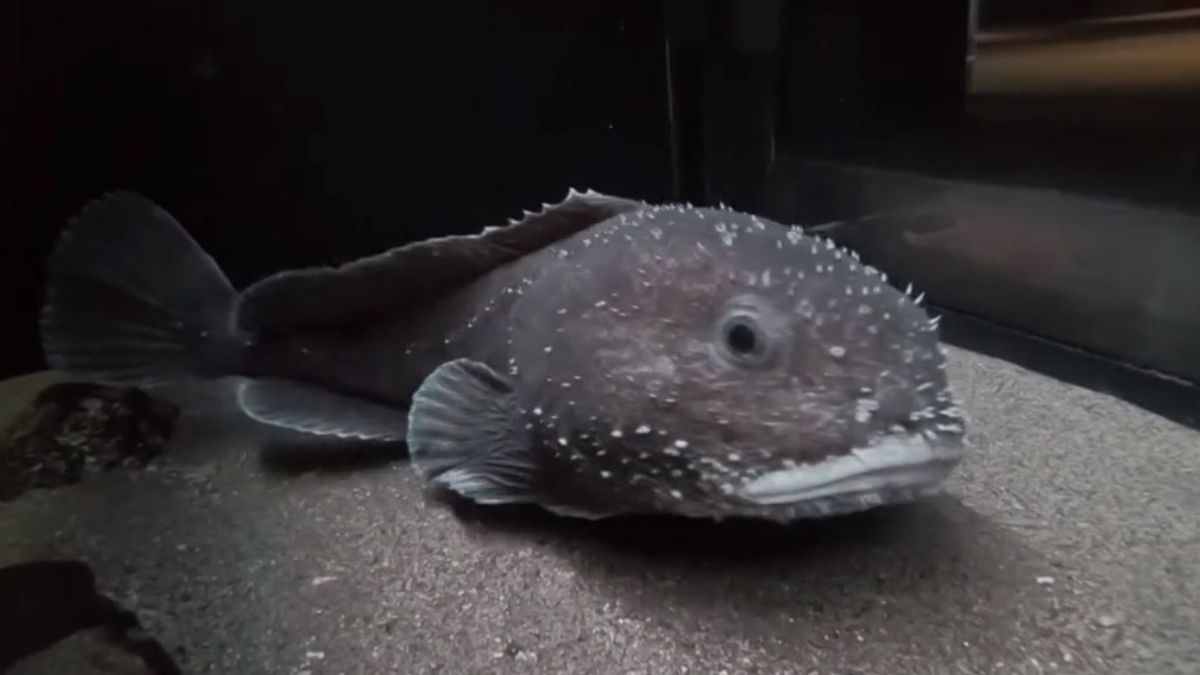
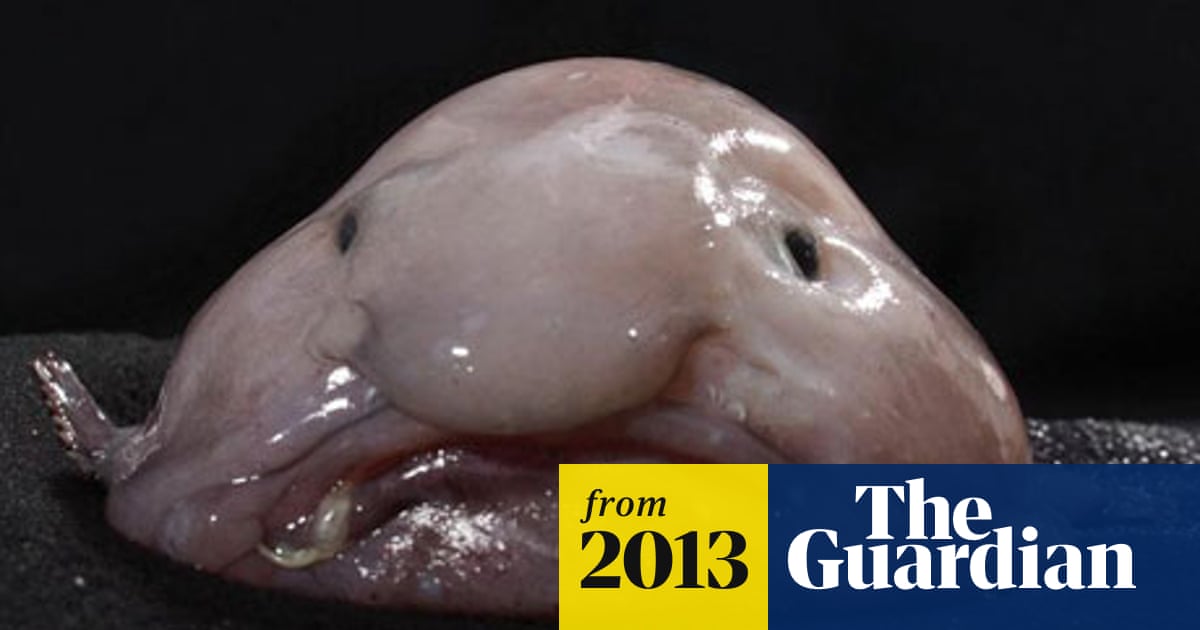
The blobfish has a gelatinous, jelly-like body that is less dense than water. This unique feature helps it float just above the ocean floor without using much energy. Its lack of muscle and bone means it doesn’t swim actively but drifts patiently, waiting for food to come close.
Its soft, flabby appearance might seem odd, but it’s a clever adaptation to withstand the crushing pressure found 600 to 1,200 meters deep. The blobfish’s body shape reduces energy needs, which is crucial where food is scarce.
Feeding Mechanisms
The blobfish’s feeding style is passive. It doesn’t chase prey but instead opens its large mouth wide to suck in anything edible that floats by. This method works well because its diet mainly consists of sea snails, crabs, and other small invertebrates.
Have you ever wondered how a fish with almost no muscle power manages to eat? The blobfish relies on its ability to hover and wait rather than pursue. Its mouth acts like a vacuum, efficiently pulling in food without expending extra effort.
Main Food Sources
Understanding what blobfish eat gives you a glimpse into their unique lifestyle deep under the sea. Their diet mainly consists of slow-moving or stationary creatures found near the ocean floor. This diet supports their energy needs without demanding much effort, which fits their low-energy nature perfectly.
Crustaceans
Blobfish feed on various crustaceans like crabs and shrimp. These creatures are abundant on the sea floor, making them a reliable food source. Their slow movements help blobfish catch them without chasing.
Have you ever watched a crab scuttle sideways? Blobfish patiently wait for such moments, conserving energy while grabbing easy meals.
Small Fish
Small fish are also part of the blobfish diet but are less common compared to crustaceans. Blobfish often consume fish that are weak or injured, avoiding the need to hunt actively. This selective feeding helps them survive in deep-sea conditions where food is scarce.
Imagine spotting a fish struggling in the deep ocean—blobfish take advantage of such opportunities effortlessly.
Mollusks
Mollusks like sea snails and clams provide another important food source. Their slow movement and presence on the seabed make them easy targets. Blobfish use their large mouths to suck in these soft-bodied animals quickly.
Have you considered how the blobfish’s diet reflects its physical traits? Their ability to suck up mollusks shows how perfectly adapted they are to their environment.
Unusual Dietary Items
Blobfish have a diet that surprises many marine enthusiasts. Their feeding habits include items not common in typical fish diets. These unusual dietary items help the blobfish survive in deep, dark waters. They consume various forms of food that drift down from above or settle on the ocean floor.
Organic Debris
Blobfish often eat organic debris found on the sea bed. This debris includes tiny bits of plants and animals. The blobfish uses its large mouth to scoop up this material. It is a vital food source, especially in nutrient-poor deep-sea environments.
The debris is easy to digest and provides energy. This diet helps blobfish stay nourished without chasing prey.
Carrion Consumption
Blobfish also feed on carrion, which means dead animals. They scavenge leftovers from larger predators or animals that have died naturally. Carrion offers a rich source of protein and fat. It is an important part of the blobfish’s diet.
This scavenging behavior reduces waste in the ocean. The blobfish plays a role in cleaning the sea floor.
Feeding Behavior
The blobfish has a unique feeding behavior shaped by its deep-sea environment. It lives in cold, high-pressure waters where food is scarce. This fish does not chase prey actively. Instead, it relies on other strategies to find and consume food efficiently.
Foraging Techniques
The blobfish waits patiently for food to come close. Its soft, gelatinous body helps it blend with the ocean floor. This camouflage allows it to avoid predators and sneak up on prey. It mainly feeds on small crustaceans, sea urchins, and other edible debris.
Rather than hunting fast, the blobfish uses minimal movement. It scoops up food that drifts nearby. This slow and steady approach saves energy in a place with limited resources. The blobfish’s mouth is wide and downward-facing, perfect for catching bottom-dwelling creatures.
Energy Efficiency
Energy conservation is vital for the blobfish. Its low muscle mass reduces energy needs. This fish floats just above the sea floor, using the water’s pressure to stay buoyant.
By avoiding active swimming, the blobfish reduces calorie burn. It depends on organic matter that falls from upper layers. This strategy fits its slow metabolism and sparse environment. The blobfish’s feeding behavior shows nature’s balance between survival and energy use.
Credit: www.theguardian.com
Role In The Ecosystem
The blobfish plays a unique role in its deep-sea ecosystem. Its diet and feeding habits influence various ecological processes that keep the underwater environment balanced. Understanding these roles helps you appreciate how even unusual creatures like the blobfish fit into the bigger picture of ocean health.
Predator And Prey Relationships
The blobfish mainly feeds on small crustaceans, sea urchins, and other slow-moving sea creatures. This diet positions it as a mid-level predator, controlling populations of these animals.
At the same time, blobfish are prey for larger deep-sea predators such as certain species of sharks and larger fish. This dual role helps maintain balance by preventing any one species from dominating the ecosystem.
Have you ever thought about how a seemingly slow and inactive animal can impact the survival of others? The blobfish’s feeding habits keep the food chain in check, which is crucial for a healthy ocean floor.
Nutrient Recycling
Blobfish contribute to nutrient recycling by breaking down organic matter from their prey. This process releases nutrients back into the environment, supporting the growth of microorganisms and plants.
This nutrient flow supports a variety of marine life and keeps the deep-sea ecosystem productive. Without creatures like the blobfish, nutrient recycling would slow down, affecting life on multiple levels.
Next time you think about ocean health, consider how the blobfish’s diet helps recycle nutrients that many tiny, unseen creatures depend on. It’s a reminder that every link in the food chain matters for the whole system to work.

Credit: www.youtube.com
Frequently Asked Questions
What Do Blobfish Eat In Their Natural Habitat?
Blobfish primarily feed on small crustaceans, sea urchins, mollusks, and other deep-sea invertebrates. They use minimal energy by waiting for prey to float by.
How Does A Blobfish Catch Its Food?
Blobfish are passive feeders. They rely on their low energy to capture slow-moving or floating prey near the ocean floor.
Does The Blobfish’s Diet Affect Its Appearance?
Yes, the blobfish’s diet supports its gelatinous body. It helps maintain buoyancy and energy efficiency in deep waters.
Can Blobfish Survive Without Eating For Long Periods?
Blobfish can survive long without food due to low metabolism. Their slow lifestyle conserves energy between meals.
Conclusion
Blobfish eat mostly small sea creatures near the ocean floor. Their diet helps them survive in deep, dark waters. They do not need to chase prey quickly. Slow movements suit their environment well. Understanding what blobfish eat teaches us about deep-sea life.
Their simple diet shows how animals adapt to harsh places. Watching these unusual fish reveals nature’s strange and wonderful ways. Blobfish remind us that even odd creatures have important roles underwater.







