
If you’ve been dealing with the discomfort and pain of gastritis, you’re not alone. This common stomach issue can leave you feeling miserable, but there’s hope for relief.
Imagine a life where your meals don’t leave you in agony. That’s where a bland diet comes in. It might not sound exciting, but it could be the key to soothing your stomach and reclaiming your comfort. Picture enjoying a meal without worrying about the consequences.
A bland diet isn’t just a temporary fix; it’s a way to support your digestive system and promote healing. Stick around to discover how simple dietary changes can make a big difference in your life.
Causes Of Gastritis
Gastritis occurs when the stomach lining becomes inflamed or irritated. This inflammation can cause pain, nausea, and indigestion. Understanding what causes gastritis helps in managing symptoms and choosing the right diet, like a bland diet. Several factors can lead to gastritis, from infections to lifestyle choices.
Helicobacter Pylori Infection
This common bacteria infects the stomach lining. It weakens the protective mucus and causes inflammation. Many people carry it without symptoms, but it can trigger gastritis in some.
Excessive Alcohol Use
Alcohol irritates and erodes the stomach lining. Drinking large amounts often leads to inflammation and discomfort. It also makes the stomach more sensitive to other irritants.
Use Of Nonsteroidal Anti-inflammatory Drugs (nsaids)
Medications like ibuprofen and aspirin can harm the stomach lining. Long-term or high-dose use increases the risk of gastritis. These drugs reduce the stomach’s ability to protect itself from acid.
Stress And Lifestyle Factors
Severe stress from illness or injury may cause acute gastritis. Poor eating habits, smoking, and irregular meals also contribute. These factors weaken the stomach’s defenses.
Autoimmune Disorders
In some cases, the immune system attacks stomach cells. This rare cause of gastritis leads to chronic inflammation. It may result in reduced stomach acid and nutrient absorption.
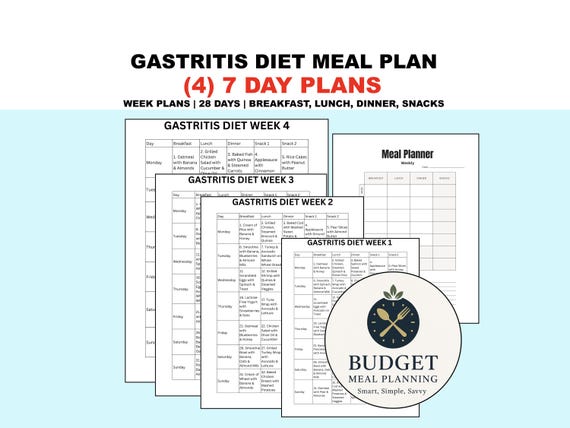
Credit: www.etsy.com
Symptoms That Warrant A Bland Diet
Recognizing symptoms that require a bland diet is crucial for managing gastritis. A bland diet helps reduce irritation in the stomach lining. This diet avoids spicy, acidic, and fried foods that can worsen symptoms.
People with gastritis often experience discomfort. Certain signs clearly indicate the need to switch to a bland diet. Paying attention to these symptoms can ease pain and promote healing.
Persistent Stomach Pain
Continuous pain in the upper stomach area is a common sign. The pain may feel burning or aching. It often worsens after eating spicy or acidic foods.
Nausea And Vomiting
Feeling sick or vomiting after meals suggests stomach irritation. These symptoms can lead to dehydration and weakness. A bland diet helps calm the stomach and reduce nausea.
Bloating And Gas
Excess gas and bloating often follow eating rich or fried foods. This causes discomfort and fullness in the abdomen. Bland foods are easier to digest and lower gas production.
Loss Of Appetite
Gastritis can make eating painful, reducing hunger. Skipping meals may worsen stomach problems. Bland diets offer gentle foods that encourage regular eating.
Heartburn And Acid Reflux
A burning sensation in the chest or throat signals acid reflux. Acidic and spicy foods often trigger this. Bland diets avoid such triggers and soothe the digestive tract.
Core Principles Of A Bland Diet
The core principles of a bland diet focus on reducing irritation to the stomach lining. This diet helps manage gastritis symptoms by avoiding harsh and spicy foods. It promotes gentle, easy-to-digest meals that soothe the digestive system.
A bland diet emphasizes simplicity and mild flavors. It supports healing by limiting foods that cause acid production or inflammation. Following these principles can reduce pain and discomfort linked to gastritis.
Choose Low-acid Foods
Low-acid foods prevent irritation of the stomach lining. Examples include bananas, melons, and cooked vegetables. Avoid citrus fruits, tomatoes, and other acidic items that worsen symptoms.
Eat Soft And Cooked Foods
Soft foods are easier to digest and less likely to cause discomfort. Cooked vegetables, oatmeal, and tender meats are good choices. Raw or crunchy foods may irritate the stomach and should be limited.
Avoid Spices And Strong Flavors
Spices can trigger stomach pain and acid reflux. Keep meals mild by skipping chili, pepper, garlic, and onions. Use herbs like parsley or basil for gentle flavor instead.
Limit Fatty And Fried Foods
Fatty foods slow digestion and increase acid production. Fried foods can cause bloating and discomfort. Opt for grilled, steamed, or baked meals with little added fat.
Stay Hydrated With Non-acidic Drinks
Water and herbal teas are best for hydration. Avoid coffee, alcohol, and carbonated drinks. These beverages may irritate the stomach and worsen gastritis symptoms.
Foods To Include
Choosing the right foods can make a big difference when managing gastritis. The goal is to soothe your stomach lining without causing irritation. Let’s look at some specific foods that are gentle and beneficial for your digestion.
Low-acid Fruits And Vegetables
Fruits and vegetables are essential, but acidity can trigger discomfort. Opt for low-acid options like bananas, melons, and pears. These fruits are less likely to cause irritation and provide important nutrients.
Vegetables such as carrots, zucchini, and sweet potatoes are easy on your stomach and rich in fiber. Have you noticed how some veggies make you feel better than others? Pay attention to what your body tells you.
Lean Proteins
Protein supports healing, but heavy or fatty meats can worsen symptoms. Choose lean options like skinless chicken, turkey, and fish. These provide necessary nutrients without adding excess fat.
Eggs are another good protein source; they are usually well tolerated and easy to prepare. Keep your meals simple and avoid frying to keep your stomach calm.
Refined Grains
Whole grains can sometimes be tough on an irritated stomach. Refined grains such as white rice, plain pasta, and white bread are gentler choices. They offer energy without causing extra acid production.
Try pairing these grains with mild proteins and vegetables to create balanced meals. Have you tried swapping out whole grain bread for white bread during flare-ups? It might reduce discomfort.
Dairy Options
Dairy affects people differently when dealing with gastritis. Choose mild dairy products like low-fat yogurt or milk, which can be soothing. Avoid full-fat cheeses and heavy cream that might increase irritation.
Probiotic-rich yogurt can also help balance your gut bacteria. Could a simple cup of yogurt become part of your daily routine to ease symptoms?
Foods To Avoid
Choosing the right foods is key to managing gastritis. Some foods can irritate the stomach lining and cause discomfort. Avoiding these foods helps reduce pain and supports healing. Focus on gentle, easy-to-digest options instead.
Spicy And Acidic Items
Spicy foods can inflame the stomach lining. Chili peppers, hot sauces, and curry spices often cause burning sensations. Acidic items like citrus fruits and tomatoes increase stomach acid. Both types may worsen gastritis symptoms.
Fried And Fatty Foods
Fried foods take longer to digest and can irritate the stomach. High-fat meals increase acid production and delay stomach emptying. Avoid items like fried chicken, French fries, and greasy fast foods. These foods can trigger bloating and discomfort.
Caffeinated And Carbonated Drinks
Caffeine stimulates acid secretion, which may harm the stomach lining. Coffee, black tea, and energy drinks are common sources. Carbonated drinks cause gas and bloating. Soda and sparkling water can increase stomach pressure and pain.
Alcohol And Tobacco
Alcohol damages the stomach’s protective lining and raises acid levels. Even small amounts can irritate gastritis. Tobacco reduces healing and increases inflammation. Avoid smoking and drinking alcohol to protect your stomach health.
Credit: www.walmart.com
Sample Meal Plan For Gastritis Relief
A well-planned bland diet can ease gastritis symptoms and promote healing. This sample meal plan offers gentle foods that soothe the stomach lining. Each meal focuses on low-acid, low-spice, and easy-to-digest ingredients. Eating these foods regularly helps reduce irritation and discomfort.
Meals include simple proteins, cooked vegetables, and soft grains. Avoiding strong flavors and heavy fats prevents stomach upset. This plan also encourages small, frequent meals to support digestion and reduce acid build-up.
Breakfast Ideas For Gastritis Relief
- Oatmeal made with water or low-fat milk
- Banana or cooked apples
- Plain toast or a small bowl of rice cereal
- Herbal tea or warm water
Lunch Options To Soothe The Stomach
- Boiled chicken breast or turkey (skinless)
- Steamed carrots or zucchini
- White rice or mashed potatoes
- Water or mild herbal tea
Dinner Suggestions For Gastritis Comfort
- Grilled fish or soft tofu
- Cooked green beans or squash
- Plain pasta or soft bread
- Warm water or chamomile tea
Snack Ideas That Are Gentle On The Stomach
- Low-fat yogurt (if tolerated)
- Saltine crackers or plain rice cakes
- Soft fruits like melon or pear
- Boiled eggs
Lifestyle Changes To Complement Diet
Changing your diet is a powerful step toward managing gastritis, but lifestyle adjustments can enhance your healing journey even more. Small shifts in daily routines help reduce stomach irritation and promote overall gut health. Let’s look at practical ways you can support your bland diet with mindful habits.
Eating Habits
How and when you eat matters just as much as what you eat. Try to eat smaller, more frequent meals instead of a few large ones. This helps prevent your stomach from becoming too acidic or overwhelmed.
Chew your food slowly and thoroughly. This simple action aids digestion and reduces the workload on your stomach lining. Avoid lying down immediately after eating to give your body time to digest properly.
Stress Management
Stress can worsen gastritis symptoms by increasing stomach acid production. You might notice flare-ups when you’re anxious or rushed. What activities calm your mind? Try deep breathing exercises, gentle yoga, or short walks to ease tension.
Even a few minutes of relaxation daily can make a difference. If you find stress hard to manage, consider talking to a professional. Your mental health directly impacts your stomach health.
Hydration Tips
Drinking enough water is key, but how you hydrate matters too. Sip water slowly throughout the day instead of drinking large amounts at once. This prevents stomach discomfort and keeps your digestive system balanced.
Limit caffeinated and carbonated drinks, as they can irritate your stomach lining. Herbal teas like chamomile or ginger can soothe your gut. Have you tried switching your beverages to support your gastritis?

Credit: www.amazon.com
When To Seek Medical Advice
Knowing when to seek medical advice is vital for managing gastritis effectively. Mild symptoms may improve with a bland diet, but some signs require professional attention. Early intervention can prevent complications and provide relief.
Persistent or worsening symptoms might indicate a need for medical evaluation. Understanding these signs helps in making timely decisions about your health.
Severe Or Persistent Abdominal Pain
Continuous stomach pain that does not improve needs medical assessment. Pain that worsens or spreads to the back or chest is a red flag. Do not ignore intense discomfort or new pain patterns.
Frequent Vomiting Or Blood In Vomit
Vomiting often or vomiting blood requires urgent medical care. Blood may appear red or like coffee grounds. This symptom signals possible stomach lining damage or bleeding.
Unexplained Weight Loss
Sudden weight loss without trying is a concern. It might indicate poor nutrient absorption or more serious issues. A doctor can investigate and provide appropriate treatment.
Black Or Bloody Stools
Dark, tarry, or bloody stools suggest internal bleeding. This symptom should not be ignored. Immediate medical evaluation can prevent serious complications.
Difficulty Swallowing Or Persistent Nausea
Problems swallowing or constant nausea need medical attention. These symptoms may signal worsening gastritis or other digestive problems. Early diagnosis helps avoid further damage.
Frequently Asked Questions
What Foods Are Allowed On A Bland Diet For Gastritis?
A bland diet for gastritis includes low-fiber, soft, and non-spicy foods. Examples are bananas, rice, applesauce, toast, cooked vegetables, and lean meats. These foods help reduce stomach irritation and promote healing.
How Does A Bland Diet Help Gastritis Symptoms?
A bland diet minimizes stomach acid production and irritation. It avoids spicy, fatty, and acidic foods that worsen inflammation. This diet soothes the stomach lining, reduces pain, and aids recovery from gastritis.
Can I Drink Milk On A Bland Diet For Gastritis?
Milk is allowed in moderation on a bland diet. It can temporarily soothe the stomach lining but may increase acid later. Choose low-fat or non-fat milk to avoid worsening symptoms.
How Long Should I Follow A Bland Diet For Gastritis?
Follow a bland diet until gastritis symptoms improve, usually 1-2 weeks. Gradually reintroduce regular foods as tolerated. Consult your doctor for personalized guidance and long-term diet plans.
Conclusion
A bland diet can help ease gastritis symptoms and protect your stomach. Choose soft, mild foods that do not irritate your digestive system. Avoid spicy, acidic, or fried items to reduce pain and discomfort. Drinking plenty of water supports healing and keeps you hydrated.
Eating smaller, frequent meals can prevent stomach overload. This simple approach helps your stomach rest and recover. Stick to gentle foods and listen to your body’s signals. Taking care of your diet plays a key role in managing gastritis effectively.







