
Are you ready to transform your fitness routine while enjoying the great outdoors? A bicycle workout plan might be just what you need.
Imagine the breeze on your face, the open road ahead, and the thrill of getting fit without even stepping foot in a gym. Whether you’re a beginner or looking to spice up your current exercise regimen, cycling offers a fun and effective way to boost your health and well-being.
But why should you consider a bicycle workout plan? It’s simple: cycling is not only a fantastic way to burn calories, but it also strengthens your muscles, improves your cardiovascular health, and reduces stress. Plus, it’s an eco-friendly way to travel, making it a win-win for both you and the planet. In this guide, you’ll discover how to create a bicycle workout plan tailored to your needs. From understanding the benefits of cycling to designing a routine that fits your lifestyle, we’ve got you covered. So, if you’re eager to pedal your way to a healthier you, keep reading to unlock the secrets of a successful bicycle workout plan!

Credit: www.bicycling.com
Benefits Of Bicycle Workouts
Bicycle workouts offer a wide range of health benefits. They help improve fitness levels and boost overall well-being. Regular cycling supports the heart, muscles, and metabolism. It is a low-impact exercise suitable for many age groups. Below are some key benefits of including bicycle workouts in your routine.
Improving Cardiovascular Health
Cycling strengthens the heart and lungs. It increases blood circulation and reduces blood pressure. This exercise lowers the risk of heart diseases. Regular rides improve oxygen flow to the body. A stronger cardiovascular system means better energy and stamina.
Building Muscle Strength
Bicycle workouts target several muscle groups. The legs, hips, and glutes get a good workout. Pedaling builds muscle tone and strength. It also improves joint mobility and flexibility. Strong muscles support daily activities and reduce injury risk.
Enhancing Endurance
Cycling increases stamina over time. Regular sessions help muscles adapt to longer activity. Endurance grows as you cycle more often. This makes daily tasks easier and less tiring. Improved endurance also benefits other sports and exercises.
Weight Loss And Fat Burn
Bicycle workouts burn calories effectively. This helps reduce body fat and control weight. Cycling boosts metabolism, keeping it active for hours. It is a fun way to stay fit and slim. Consistent cycling supports a healthy body composition.
Choosing The Right Bicycle
Choosing the right bicycle is key for a successful workout plan. The correct bike fits your needs and keeps you comfortable during rides. This choice affects your performance and enjoyment. Consider the type of cycling you prefer and where you will ride most. Comfort and proper fit prevent injuries and improve endurance. Explore different options before making a decision.
Road Bikes Vs Mountain Bikes
Road bikes suit smooth, paved surfaces and long rides. They are light with thin tires for speed. Mountain bikes handle rough terrain with wide, knobby tires. They offer better control on trails and hills. Choose road bikes for fitness and speed. Pick mountain bikes for off-road and rugged paths.
Indoor Stationary Bikes
Indoor stationary bikes provide convenience and consistent workouts. They allow cycling without weather concerns. Great for cardio and interval training at home. Many models offer adjustable resistance and workout programs. Ideal for controlled, low-impact exercise. They save time and space.
Bike Fit And Comfort
Proper bike fit is vital. It reduces strain on your back, knees, and hips. Adjust saddle height, handlebar position, and seat angle. A comfortable bike prevents pain and fatigue. Test your bike before committing. Small changes improve posture and efficiency. Comfort encourages longer and regular rides.
Essential Gear And Safety Tips
Starting a bicycle workout plan requires the right gear and safety measures. Proper equipment protects you and improves your ride. Safety helps avoid accidents and keeps you confident on the road.
Helmet And Protective Equipment
A well-fitting helmet is the most important safety gear. It protects your head in case of falls or collisions. Choose a helmet that meets safety standards and fits snugly.
Other protective gear includes gloves, knee pads, and elbow pads. Gloves improve grip and protect your hands from scrapes. Pads reduce injury risks during falls.
Proper Clothing And Footwear
Wear breathable, moisture-wicking clothes for comfort. Bright or light colors help you stay visible. Avoid loose clothing that can catch in the bike chain.
Choose sturdy shoes with a firm grip. Avoid sandals or flip-flops. Proper footwear provides better control and protects your feet from injury.
Visibility And Road Safety
Use front and rear lights on your bike, especially in low light. Reflective strips on clothing or bike increase visibility. Always signal your turns and obey traffic rules.
Stay alert and watch for cars, pedestrians, and obstacles. Ride in bike lanes or on the right side of the road. Avoid distractions like headphones while cycling.
Weekly Workout Structure
Creating a weekly workout structure is essential for steady progress in cycling. It balances effort and rest, helping the body grow stronger. A clear plan makes workouts more effective and enjoyable. Each type of ride has a purpose and fits into the week to optimize fitness.
Warm-up And Cool-down Routines
Start each session with a warm-up to prepare muscles. Spend 5 to 10 minutes cycling at a gentle pace. This raises heart rate and loosens joints. After the workout, cool down for 5 to 10 minutes. Slow cycling helps the body relax and recover. Stretching after cool-down reduces muscle tightness and soreness.
Interval Training Sessions
Intervals improve speed and endurance quickly. Alternate between high-intensity bursts and low-intensity recovery. For example, cycle fast for 30 seconds, then slow for 1 minute. Repeat this 6 to 10 times depending on fitness level. Intervals challenge the heart and lungs, increasing stamina. Keep these sessions short but intense.
Long Distance Rides
Long rides build endurance and mental toughness. Plan one longer ride each week. Ride at a steady, comfortable pace for 1 to 3 hours. Focus on maintaining consistent effort rather than speed. These rides teach the body to use energy efficiently. They also boost confidence for longer cycling events.
Recovery Days
Recovery is vital to avoid injury and fatigue. Take at least one or two days off cycling each week. Use these days for light activities like walking or gentle stretching. Proper rest allows muscles to repair and grow stronger. Ignoring recovery can lead to burnout and slow progress.
Customizing Your Routine
Customizing your bicycle workout plan makes your exercise more effective and enjoyable. Each person has different fitness levels and goals. Tailoring your routine helps you improve steadily. It also prevents boredom and reduces the risk of injury. Small changes in your workout can lead to big results over time.
Adjusting Intensity Levels
Start by setting a comfortable pace. Increase your speed or resistance in small steps. Pay attention to your breathing and heart rate. Use intervals: alternate between hard and easy cycling. This boosts endurance and burns more calories. Rest days are important to avoid overtraining. Listen to your body and adjust intensity accordingly.
Incorporating Strength Training
Adding strength exercises supports your cycling muscles. Focus on legs, core, and lower back. Use bodyweight moves like squats, lunges, and planks. Light weights or resistance bands work well too. Strength training improves pedal power and balance. Include two sessions per week for best results. This mix helps prevent injuries and enhances overall fitness.
Tracking Progress And Goals
Keep a simple log of your workouts. Record time, distance, speed, and how you felt. Set clear, realistic goals to stay motivated. Examples include cycling longer or faster each week. Celebrate small wins to build confidence. Use apps or journals to track your progress easily. Regular tracking helps you see improvements and make smart changes.
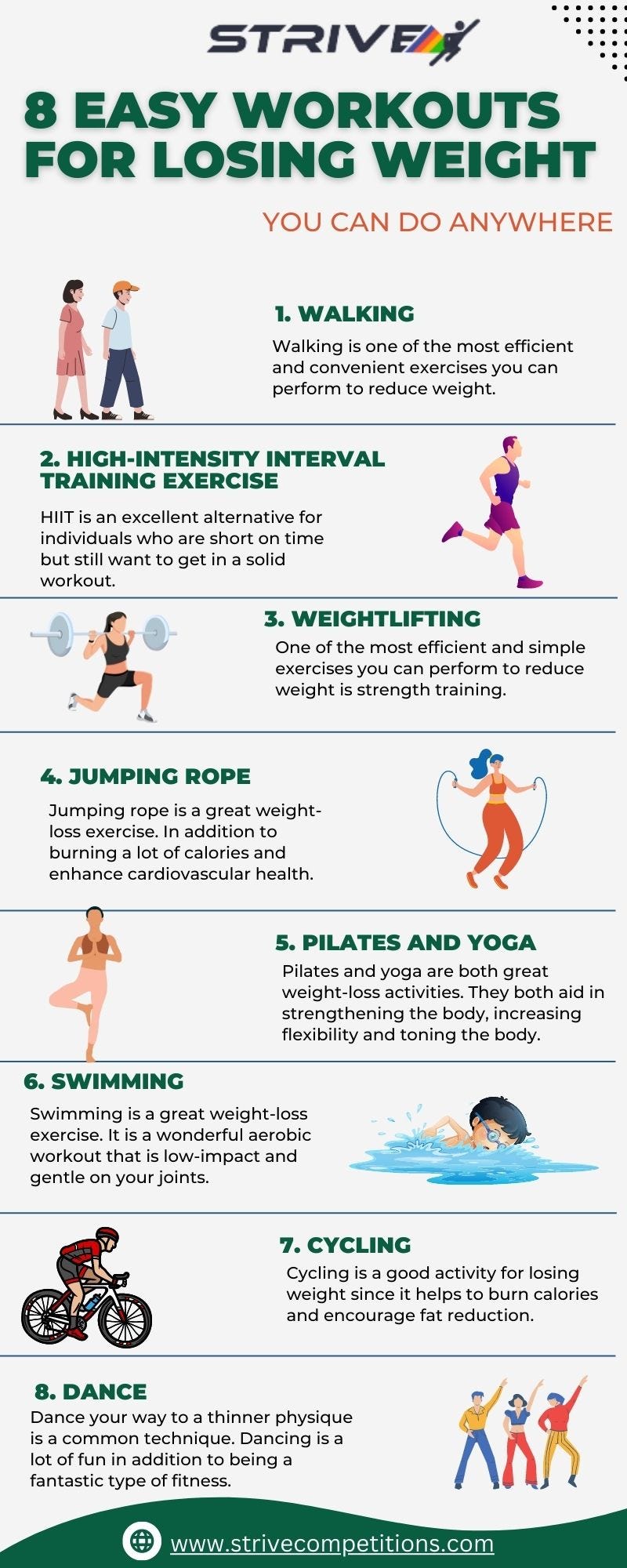
Credit: harubina.co.jp
Nutrition For Cyclists
Nutrition plays a crucial role in how you perform and recover during your bicycle workout plan. Fueling your body with the right foods and fluids can boost your energy, improve endurance, and speed up recovery. Understanding what to eat before, during, and after your rides will help you get the most out of every pedal stroke.
Pre-ride Meals
Eating the right meal before your ride sets the tone for your performance. Focus on foods that provide a good mix of carbohydrates and protein, like oatmeal with banana and a spoon of peanut butter. Avoid heavy or greasy meals that can leave you feeling sluggish.
Timing matters too. Aim to eat about 1.5 to 2 hours before you start cycling. Have you noticed how a light snack like toast with honey can sometimes give you more energy than a big breakfast?
Hydration Strategies
Staying hydrated is more than just drinking water during your ride. Start your day with a glass of water and sip regularly before and during cycling. Dehydration can sneak up on you and cause fatigue faster than you expect.
Electrolytes matter, especially on longer rides. Drinks with sodium and potassium help replace what you lose through sweat. Have you tried mixing a pinch of salt and a squeeze of lemon in your water bottle for a natural electrolyte boost?
Post-workout Recovery Foods
After a hard ride, your body needs to rebuild and refuel. Aim for a combination of protein and carbohydrates within 30 minutes to help muscle repair and restore energy stores. A smoothie with Greek yogurt, berries, and spinach is a quick and tasty option.
Don’t forget to include some healthy fats and vitamins. Nuts, avocado, and colorful veggies support overall recovery and keep your immune system strong. What’s your favorite post-ride meal that helps you bounce back faster?
Overcoming Common Challenges
Overcoming common challenges in your bicycle workout plan is key to making steady progress and enjoying your rides. You’ll face hurdles like hitting plateaus, risking injuries, and staying motivated over time. Tackling these issues head-on keeps your training fresh and effective.
Dealing With Plateaus
Plateaus can stop your progress and make workouts feel pointless. If your speed or endurance stalls, try changing your route or adding interval training to shock your body into growth. Mixing up your routine prevents boredom and pushes your limits in new ways.
Have you considered tracking small improvements like pedal cadence or heart rate? These details reveal progress even when overall performance feels stuck. Adjusting your workout based on this data can help you break through plateaus faster.
Avoiding Injuries
Injuries are common but often preventable. Always warm up before cycling and cool down afterward to keep muscles flexible. Pay attention to your bike fit—improper seat height or handlebar position can cause knee or back pain.
Listening to your body is crucial. If you feel sharp pain, stop and rest instead of pushing through. Adding strength training for your core and legs helps support your joints and reduce injury risk.
Staying Motivated
Staying motivated can be tough, especially on gloomy days or after a long week. Set small, achievable goals like cycling a few extra minutes or mastering a new hill. Celebrate these wins to keep your enthusiasm high.
Joining a cycling group or sharing your progress with friends adds accountability and fun. What small reward can you give yourself after a challenging ride? Creating these incentives makes sticking to your plan easier and more enjoyable.
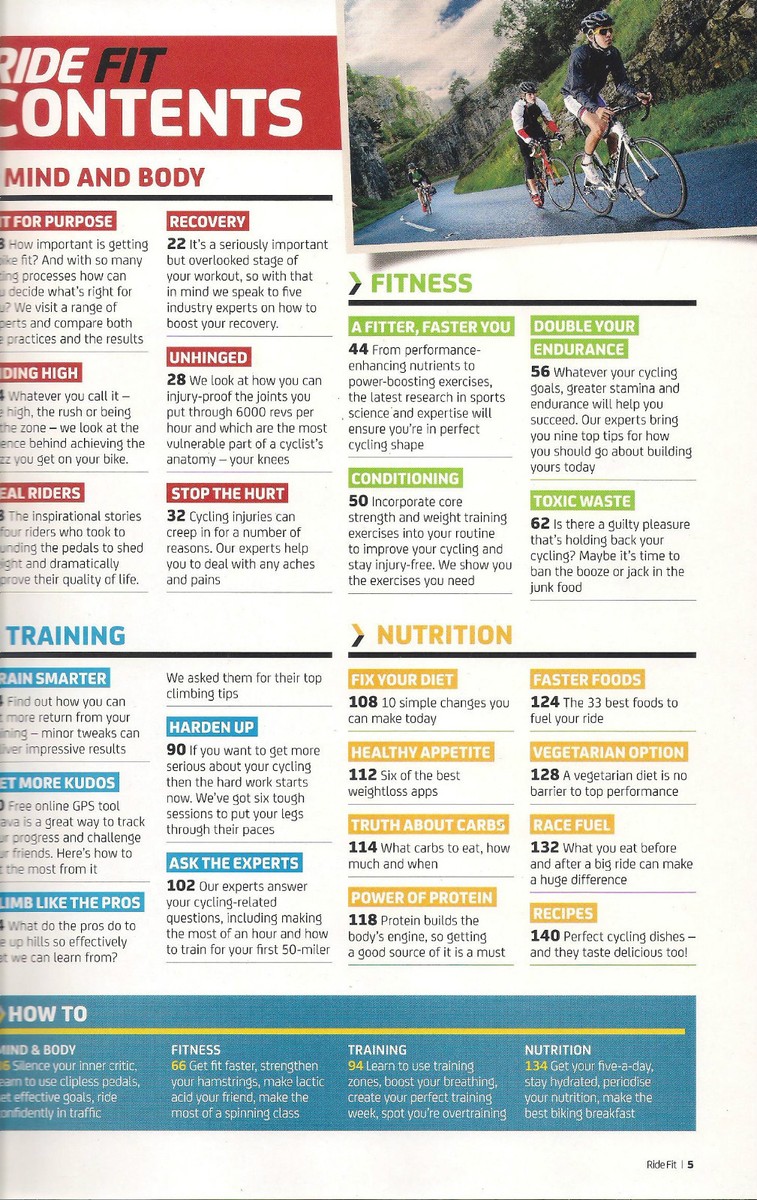
Credit: harubina.co.jp
Frequently Asked Questions
What Is The Best Bicycle Workout Plan For Beginners?
A beginner’s bicycle workout plan includes short rides, low intensity, and gradual duration increase. Start with 20-minute sessions, three times weekly. Focus on steady pace, proper form, and rest days for recovery. This helps build endurance safely and prevents injuries.
How Often Should I Bike For Effective Weight Loss?
For weight loss, bike 3-5 times per week, 30-60 minutes each session. Combine steady rides with interval training for maximum fat burn. Consistency and a balanced diet enhance results. Regular cycling boosts metabolism and improves cardiovascular health.
Can Cycling Improve Cardiovascular Fitness Quickly?
Yes, cycling improves cardiovascular fitness within weeks. Regular rides increase heart rate, strengthen the heart, and boost lung capacity. Aim for 150 minutes of moderate cycling weekly. Interval training accelerates fitness gains and endurance.
What Should I Eat Before And After Cycling Workouts?
Before cycling, eat light carbs like bananas or toast for energy. After workouts, consume protein and carbs to aid muscle recovery. Hydrate well before, during, and after your ride to maintain performance and prevent dehydration.
Conclusion
Bicycle workouts build strength and improve heart health. They burn calories and help with weight loss. You can do them indoors or outside. Start slow and increase your speed over time. Consistency is key to seeing real results. Enjoy the ride and stay motivated.
Your body and mind will thank you. Keep pedaling and feel the difference every day.







