
Are you eager to build stronger, more defined biceps? Imagine looking in the mirror and seeing powerful arms that you can be proud of.
You’re not alone; many fitness enthusiasts dream of achieving well-toned biceps. The key to turning that dream into reality lies in following a smart, effective workout routine. With so many exercises and tips available, it can be overwhelming to know where to start.
That’s where this guide comes in. By the end of this post, you’ll have a clear, actionable biceps workout routine tailored just for you. Ready to transform your arms and boost your confidence? Let’s dive in!

Credit: hydrow.com
Anatomy Of The Biceps
Understanding the anatomy of your biceps is key to designing an effective workout routine. Knowing how your muscles are built and how they function helps you target them better. This knowledge can improve your form and prevent injuries.
Biceps Brachii Structure
The biceps brachii is made up of two heads: the short head and the long head. These two parts work together but attach to different points on your shoulder and elbow. The short head sits closer to the body, while the long head runs along the outer part of your arm.
Both heads merge into a single muscle belly that connects to your forearm via a strong tendon. This structure allows your biceps to contract and create the characteristic bulge you see when flexing. Knowing this helps you focus on exercises that hit both heads for balanced growth.
Role In Arm Movement
Your biceps do more than just look good. They play a vital role in bending your elbow and rotating your forearm. This means they are involved in actions like lifting, pulling, and turning your palm upward.
Think about everyday tasks like opening a jar or carrying groceries. Your biceps are the muscles making those movements possible. Have you ever noticed how certain exercises feel easier or harder depending on your grip? That’s your biceps engaging differently based on their role in arm movement.
Credit: row.gymshark.com
Key Principles For Growth
Building bigger, stronger biceps requires more than just lifting weights. Understanding the key principles for growth will help you maximize your efforts and avoid common setbacks. Focusing on the right techniques and habits can make a significant difference in your progress.
Progressive Overload
Progressive overload means gradually increasing the weight, reps, or intensity of your biceps exercises over time. Your muscles need new challenges to keep growing. Sticking to the same routine without adding difficulty can stall your gains.
Try adding small weight increments every week or pushing for an extra rep. Even changing the tempo or adding pauses during curls can increase the workout’s difficulty. Have you tracked your progress lately? Keeping a workout log can help you stay on track with overload.
Proper Form
Using the right form protects you from injury and ensures your biceps get targeted effectively. Swinging the weights or using momentum reduces the work done by your muscles. Focus on controlled movements with a full range of motion.
Keep your elbows close to your body and avoid leaning back during curls. Slow down your reps to feel the muscle working, not just moving the weight. You might feel a difference if you drop the weight slightly but improve your technique.
Recovery And Rest
Muscles grow when you rest, not while you train. Giving your biceps enough recovery time between workouts is crucial. Training the same muscle every day can lead to fatigue and injury.
Aim for at least 48 hours of rest before hitting your biceps again. Sleep well and eat enough protein to support muscle repair. How well are you balancing your workouts with recovery? Missing this part could explain slower progress.
Essential Biceps Exercises
Building strong, defined biceps requires focusing on exercises that target the muscle from different angles. Essential biceps exercises engage various parts of the muscle, helping you achieve balanced growth and strength. Let’s dive into some key movements that can transform your biceps workout.
Barbell Curls
Barbell curls are a classic exercise that allows you to lift heavier weights and build overall bicep mass. You hold the bar with both hands and curl it upward, focusing on squeezing your biceps at the top. If you’ve ever struggled with wrist discomfort, try using an EZ curl bar for a more comfortable grip.
How much weight can you control without compromising form? That’s a good question to ask yourself before increasing the load.
Dumbbell Curls
Dumbbell curls let you work each arm independently, which helps fix strength imbalances. You can do them seated or standing, rotating your wrists as you lift to hit different muscle fibers. I found that alternating arms instead of lifting both simultaneously helped me maintain better focus and form.
Have you noticed any differences between your dominant and non-dominant arm strength?
Hammer Curls
Hammer curls target not only the biceps but also the brachialis, a muscle underneath that adds thickness to your arms. Holding the dumbbells with a neutral grip (palms facing each other) changes the motion and the muscles worked. This exercise helped me add real density to my arms when I was stuck with regular curls.
Try using a moderate weight and slow down the movement to really feel the burn.
Concentration Curls
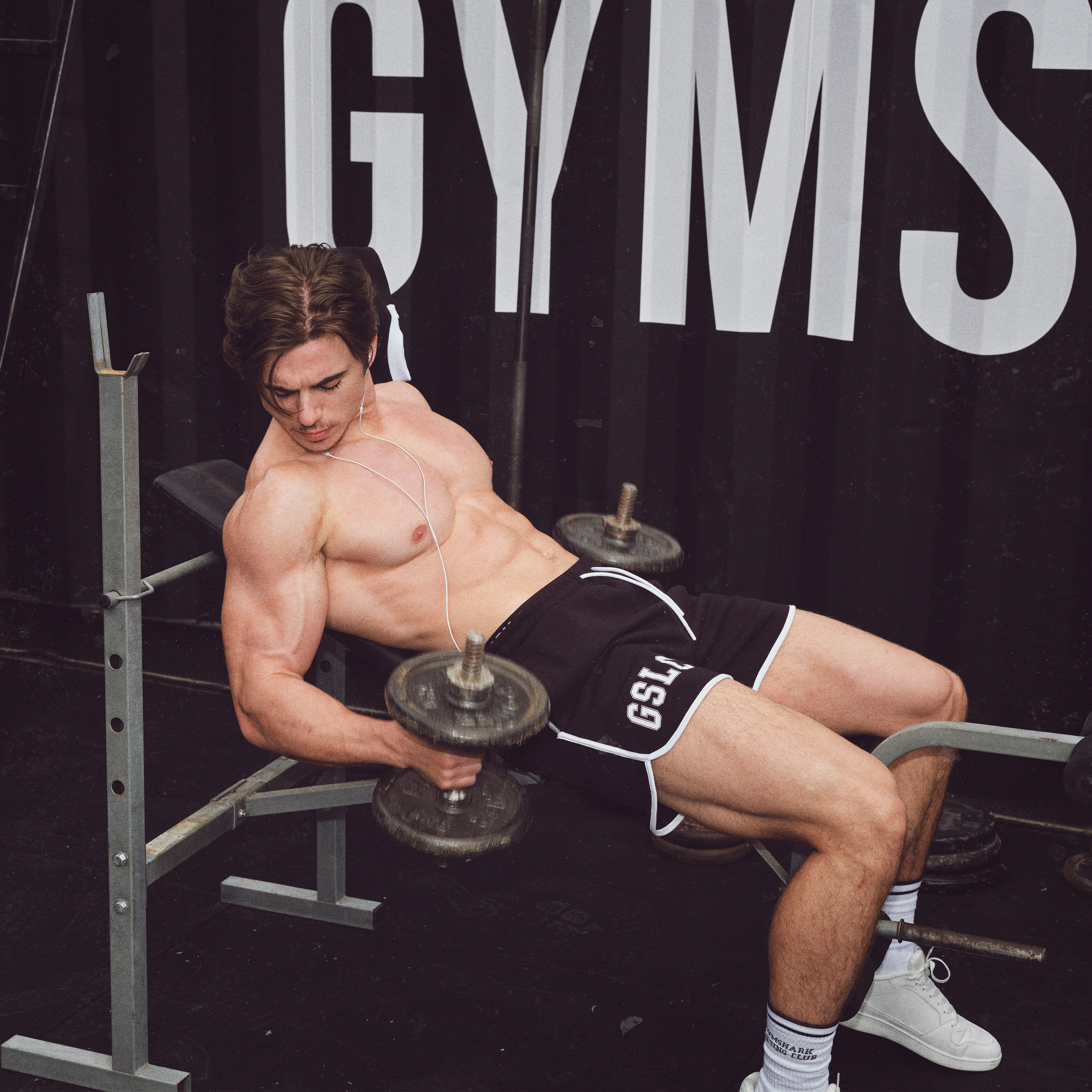
Concentration curls isolate the biceps, forcing your arm to do all the work without assistance from other muscles. Sitting on a bench and curling the dumbbell with your elbow resting on your thigh increases the intensity. This move is great for finishing your workout and focusing on the peak of your biceps.
Can you feel the difference when you slow down and control every rep?

Credit: www.youtube.com
Workout Splits For Biceps
Choosing the right workout split for your biceps can dramatically affect your progress and how you feel during training. Different splits target your muscles in unique ways, allowing you to balance recovery and intensity. Understanding these options helps you tailor your routine to fit your schedule and goals.
Dedicated Arm Day
Setting aside a day just for arms lets you focus all your energy on biceps and triceps. This approach allows you to perform a variety of exercises like curls, hammer curls, and concentration curls without rushing. It also gives you the chance to really push your limits with heavier weights or higher volume.
I’ve found that dedicating a day specifically to arms helped me break through strength plateaus. It lets you track progress clearly and adjust your routine as you go. How much time can you realistically commit to a focused arm session each week?
Push-pull Routine
A push-pull split divides workouts by movement type: pushing exercises one day, pulling exercises another. Since biceps are primarily involved in pulling motions, they naturally fit into the pull day. This makes it easier to train them when they are fresh and not tired from push exercises.
This routine helps avoid overworking your muscles while still giving them enough volume. It also balances your training by pairing biceps with back exercises, which often work synergistically. Could structuring your week this way prevent burnout and improve recovery?
Full-body Integration
If you prefer working out fewer days per week, full-body routines include biceps exercises alongside other major muscle groups. This means you hit your biceps multiple times a week with moderate volume each session. It’s a great option if you want consistent stimulation without long gym sessions.
In my experience, full-body workouts keep your energy high and reduce the risk of neglecting smaller muscles like the biceps. You might perform curls after compound movements like rows or pull-ups, maximizing effectiveness. How often could you realistically train with a full-body routine?
Sets, Reps, And Frequency
Sets, reps, and frequency are the backbone of any effective biceps workout routine. They determine how much stress you place on your muscles, how they adapt, and ultimately how they grow. Understanding the right balance can transform your gains and keep your workouts fresh and challenging.
Optimal Volume
Optimal volume means finding the right total number of sets and reps that push your biceps without causing burnout. Generally, aiming for 12 to 20 total sets per week works well for most people. Too few sets may stall progress, while too many can lead to overtraining and injury.
Think about your past workouts—did you feel completely spent or still ready for more? Adjust your sets to keep that sweet spot where your muscles feel challenged but not crushed. For example, you might do 3 to 4 sets of 8 to 12 reps per exercise, mixing heavy and moderate weights.
Rest Periods
Rest between sets affects your strength and endurance during workouts. For biceps, resting 60 to 90 seconds usually balances recovery and muscle fatigue well. Shorter rests keep intensity high, while longer rests allow you to lift heavier weights.
Try experimenting with rest times. If you want to build size, keep rests shorter to increase metabolic stress. If your goal is strength, give yourself more time to recharge between sets. How does your performance change when you tweak rest periods?
Training Frequency
How often you train your biceps matters just as much as how hard you train them. Hitting your biceps two to three times per week typically yields better growth than once a week. This frequency allows for consistent stimulus while giving muscles time to recover.
Consider splitting your workouts to target biceps multiple times with different exercises or intensities. For example, a heavy day with low reps and a lighter day with higher reps can keep gains steady. Are you ready to rethink your weekly schedule to maximize results?
Common Mistakes To Avoid
A strong biceps workout routine can deliver impressive results, but avoiding common mistakes is key to maximizing your gains and preventing injury. Many people unknowingly sabotage their progress by falling into bad habits during training. Are you sure your workout technique is helping you build muscle efficiently?
Using Momentum
Relying on momentum to lift weights reduces the effectiveness of your biceps workout. Swinging your body or jerking the weights takes tension off the muscles and shifts it to other parts, like your back or shoulders.
Focus on controlled, slow movements. This keeps constant tension on your biceps and promotes better muscle growth. Next time you curl, ask yourself if your arms or your whole body is doing the work.
Neglecting Other Muscle Groups
Focusing only on biceps leads to muscle imbalances and limits your overall strength. Your arms work best when balanced with strong triceps, shoulders, and back muscles.
Don’t skip exercises like tricep dips, shoulder presses, or rows. These will support your biceps growth and improve your arm definition. How balanced is your current routine?
Overtraining
Training your biceps too frequently or with too much volume can cause fatigue and stall progress. Muscles need rest to repair and grow stronger.
Aim for 48 hours of recovery between biceps workouts. Pay attention to signs of overtraining like persistent soreness or declining performance. Are you allowing your body enough time to rebuild?
Nutrition For Bigger Arms
Nutrition plays a key role in building bigger arms. Without proper fuel, muscles cannot grow effectively. Eating the right foods helps repair and build bicep muscles after workouts. Focus on balanced nutrition to support strength and size gains.
Protein Intake
Protein is essential for muscle repair and growth. Aim to include protein in every meal. Good sources are chicken, fish, eggs, and dairy. Plant-based options like beans and lentils also work well. Try to consume 1.6 to 2.2 grams of protein per kilogram of body weight daily.
Caloric Surplus
To gain muscle size, the body needs extra calories. Eating more calories than you burn is called a caloric surplus. Focus on healthy foods like whole grains, nuts, fruits, and vegetables. A steady surplus of 250 to 500 calories daily supports muscle growth without excess fat gain.
Supplement Options
Supplements can help fill nutrition gaps but are not required. Whey protein powder offers a quick protein boost. Creatine supports muscle strength and size. Branched-chain amino acids (BCAAs) may reduce muscle soreness. Always prioritize whole foods first before considering supplements.
Tracking Progress
Tracking progress is key in any biceps workout routine. It helps you see how much you improve and keeps you motivated. Without tracking, it’s hard to know if your efforts bring results. Simple checks can show growth and strength gains. These clues guide you to make smart changes in your workouts.
Measuring Arm Size
Use a flexible tape to measure your arm size. Measure the largest part of your biceps while relaxed. Record the number each week to track muscle growth. Consistent measurements help you notice small changes. Take measurements at the same time of day for accuracy.
Strength Improvements
Track how much weight you lift in each exercise. Note the number of repetitions and sets completed. Compare your current strength to past workouts. Increasing weight or reps means your muscles are getting stronger. Keep a workout log to record these details.
Adjusting The Routine
Use your progress data to change your workout plan. If growth slows, try increasing weights or reps. Add variety with new exercises to challenge your muscles. Rest days are important to avoid injury and aid recovery. Small adjustments keep your routine effective and interesting.
Frequently Asked Questions
What Are The Best Exercises For Biceps Growth?
The best exercises for biceps growth include barbell curls, dumbbell curls, hammer curls, and chin-ups. These target the biceps brachii effectively. Combining different angles and grips ensures balanced muscle development and strength gains.
How Often Should I Train Biceps Weekly?
Train your biceps 2 to 3 times a week with at least 48 hours rest between sessions. This frequency allows optimal muscle recovery and growth without risking overtraining or injury.
Can Biceps Be Trained Every Day Safely?
Training biceps every day is not recommended. Muscles need rest to repair and grow. Overtraining can lead to injury and hinder progress.
How Many Sets And Reps Are Ideal For Biceps?
Aim for 3 to 4 sets of 8 to 12 reps per exercise. This range promotes hypertrophy and strength in the biceps muscles effectively.
Conclusion
Building strong biceps takes time and consistent effort. Stick to your workout plan and increase weight slowly. Rest days help muscles grow and prevent injury. Eat protein-rich foods to support muscle repair and growth. Track your progress to stay motivated and focused.
Keep your form correct to avoid pain and get results. Small steps each day lead to big changes. Stay patient and enjoy the process of getting stronger. Your biceps will grow with dedication and smart training.







