
Ever wondered why some workouts feel more like a slog than a sprint? It might not be your motivation or stamina that’s lacking, but your meal timing.
Understanding the best time to eat before a workout can transform your exercise routine, boosting your energy and performance. Imagine stepping into your gym session feeling fueled and ready to conquer your fitness goals. Doesn’t that sound appealing? You’ll discover when to eat for maximum impact, helping you unlock your true potential.
Get ready to optimize your workout experience and achieve the results you’ve always wanted.
Importance Of Pre-workout Nutrition
Eating before your workout isn’t just about filling your stomach. It directly impacts your energy levels, performance, and recovery. Skipping or mistiming your pre-workout meal can leave you feeling sluggish or even dizzy during exercise.
Think about how you feel when you try to run on an empty stomach versus after a balanced snack. That difference shows why pre-workout nutrition matters.
How Pre-workout Nutrition Fuels Your Body
Your muscles need fuel to work efficiently. Eating the right foods before exercising provides glucose, the main energy source your body uses during workouts. Without this fuel, your body might start breaking down muscle for energy, which slows progress.
Have you ever felt your energy drop halfway through a workout? That’s a sign your fuel tank is running low.
Pre-workout Nutrition And Muscle Preservation
Eating before exercise helps protect your muscles from damage and supports growth. Protein in your pre-workout meal gives your body the building blocks it needs to repair muscle fibers. This can reduce soreness and speed up recovery after intense sessions.
Skipping this step may delay your progress and increase fatigue.
Timing Matters: When To Eat Before Your Workout
The timing of your meal affects how you feel during exercise. Eating too close to your workout can cause discomfort, while eating too early might leave you hungry. Aim to eat a balanced snack 30 to 60 minutes before starting.
- Choose easily digestible foods like a banana with peanut butter or yogurt with fruit.
- Avoid heavy, fatty, or very high-fiber meals right before training.
What is your current pre-workout routine? Adjusting your timing could improve your energy and focus.
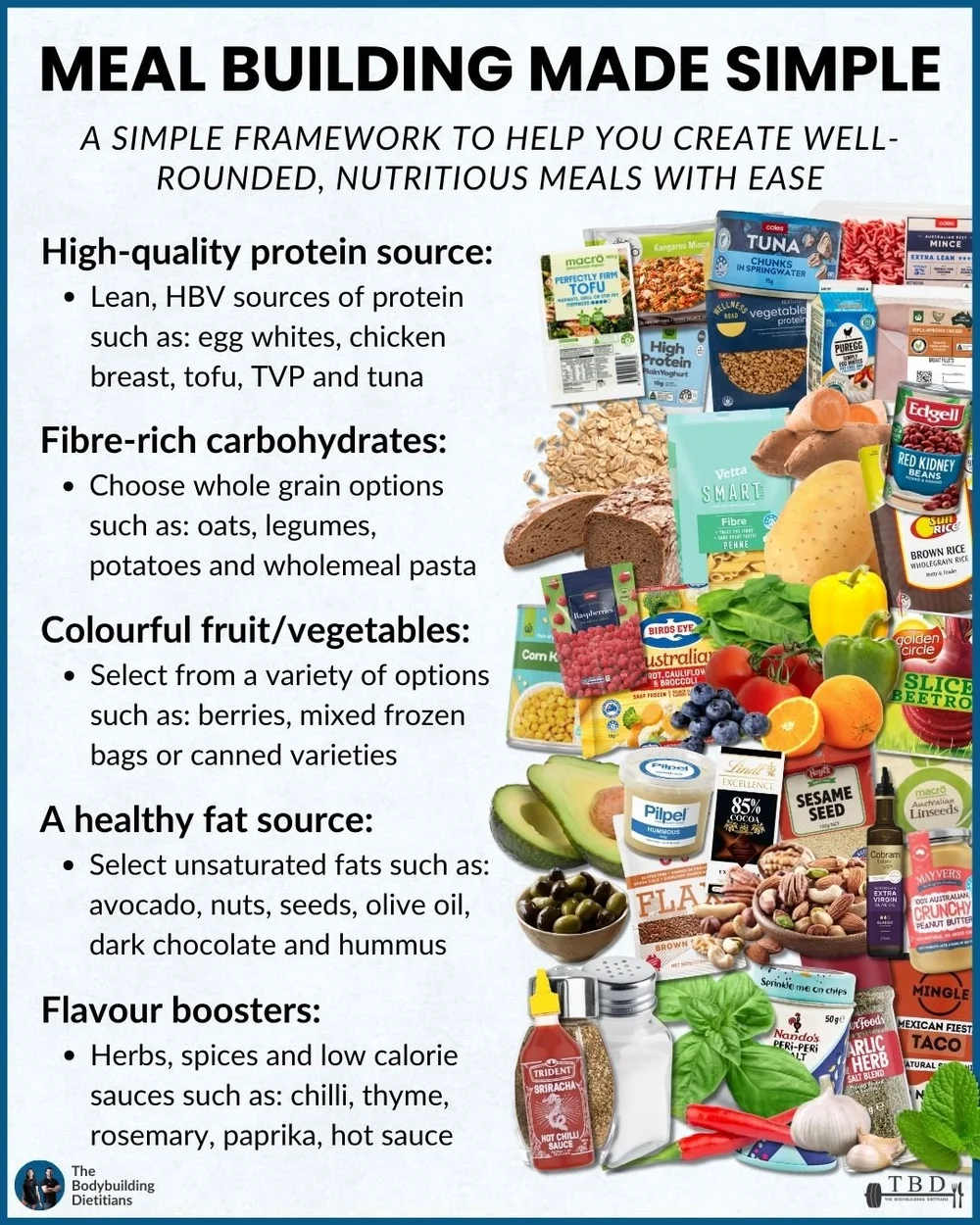
Credit: www.thebodybuildingdietitians.com
Optimal Timing For Eating
Finding the right time to eat before your workout can significantly impact your energy levels and performance. Timing your meals properly helps your body digest food efficiently and fuels your muscles when you need it most. Let’s look at how different eating windows before exercise can work for you.
Eating 2-3 Hours Before
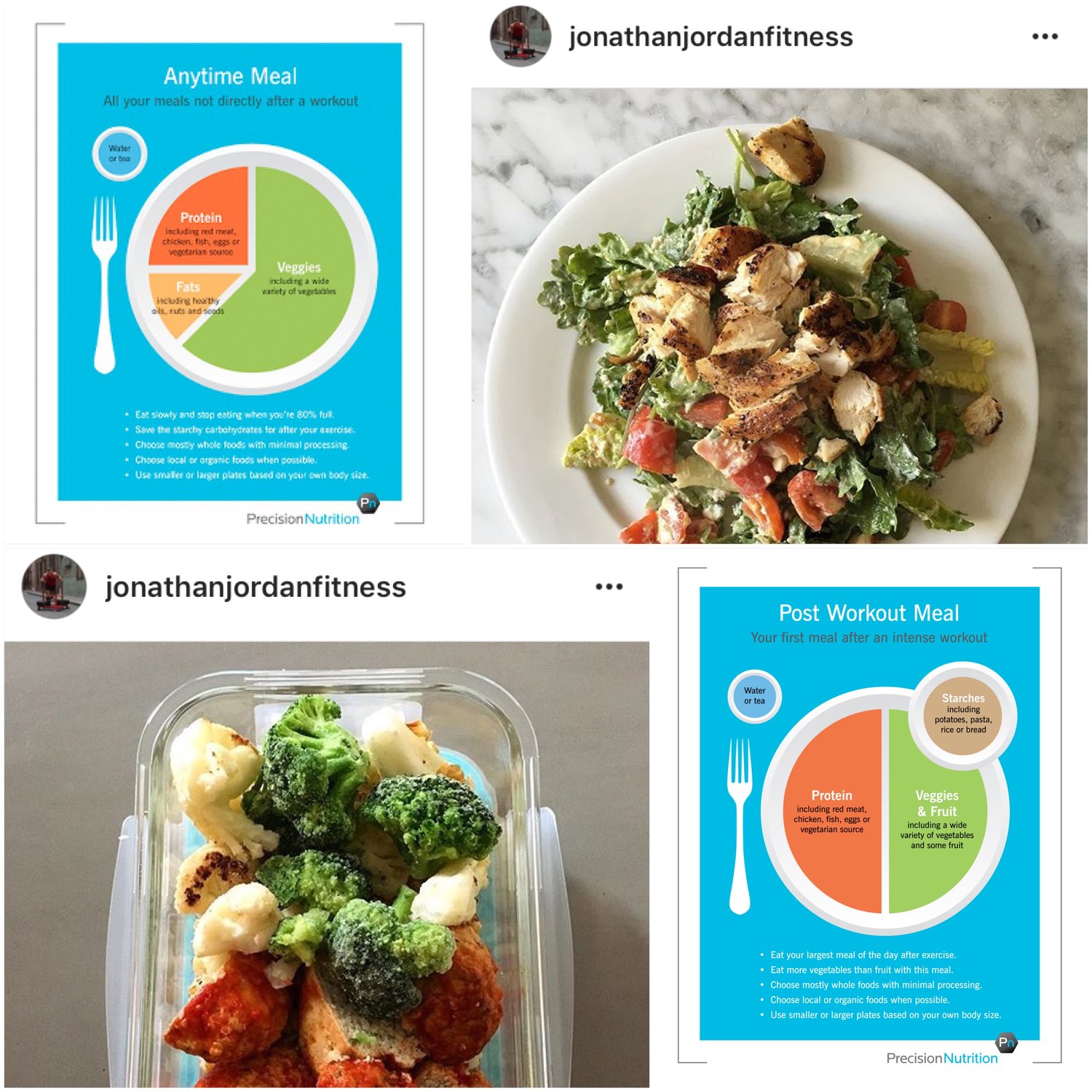
Eating a balanced meal 2-3 hours before your workout gives your body enough time to digest and convert food into usable energy. At this point, you can enjoy a meal with a good mix of carbs, protein, and healthy fats. This timing often works best if you plan a moderate to intense workout.
Think of meals like grilled chicken with brown rice and vegetables or a quinoa salad with beans and avocado. These provide steady energy without causing discomfort. Have you noticed feeling sluggish or bloated when you eat right before exercise? This window helps avoid that.
Eating 30-60 Minutes Before
If you’re short on time, a small snack 30-60 minutes before your workout can still power you through. Focus on easy-to-digest carbs with a little protein and minimal fat to avoid stomach upset. Examples include a banana with peanut butter or a small yogurt with honey.
This shorter window is perfect for light to moderate workouts or when you need a quick energy boost. You might find that a heavy meal too close to your session makes you feel sluggish, but a quick snack sharpens your focus and stamina. What quick snack helps you push through your toughest workouts?
Best Foods For Energy
Choosing the right foods before a workout can make a huge difference in your energy levels and overall performance. Eating with purpose helps you stay energized without feeling sluggish. What you eat fuels your body, so picking the best options matters more than you might think.
Carbohydrates For Fuel
Carbohydrates are your body’s favorite source of quick energy. They break down into glucose, which powers your muscles during exercise. Good choices include whole grain bread, oatmeal, bananas, and sweet potatoes.
I once tried working out on an empty stomach and felt drained within minutes. Adding a small bowl of oatmeal with fruit before my next session changed everything—I had steady energy and could push harder.
Protein For Muscle Support
Protein helps repair and build muscle tissue, especially if your workout involves strength training. Eating protein before exercise can reduce muscle soreness afterward. Try a small serving of Greek yogurt, a boiled egg, or a scoop of protein powder mixed in a smoothie.
If you struggle with muscle fatigue, consider how your protein intake before workouts might be affecting your recovery and performance.
Healthy Fats And Hydration
Healthy fats provide lasting energy, but avoid heavy meals that might slow you down. Nuts, seeds, and avocado are great options in small amounts. Don’t forget hydration—water or an electrolyte drink keeps your body functioning well throughout your workout.
Ever felt lightheaded or tired midway through a session? It might be dehydration, not lack of food. Drinking enough fluids before and during your workout is just as crucial as eating the right foods.
Credit: www.lemon8-app.com
Foods To Avoid Before Workouts
Choosing the right foods before a workout helps energy and focus. Some foods cause discomfort or slow you down. Avoid eating heavy or hard-to-digest foods. These can make you feel tired or bloated during exercise.
Knowing which foods to avoid can improve your workout quality. Stay away from items that upset your stomach or cause sluggishness.
High-fat Foods
Fat takes longer to digest. Eating greasy or fried foods can cause stomach cramps. Avoid fast food, heavy cheese, and creamy sauces before workouts.
High-fiber Foods
Fiber helps digestion but can cause gas or bloating if eaten before exercise. Skip beans, broccoli, cabbage, and large salads just before workouts.
Sugary Snacks And Drinks
Sugar gives quick energy but crashes fast. Candy, soda, and sweets can make you feel tired soon after starting exercise.
Carbonated Beverages
Fizz can cause bloating and discomfort. Avoid soda and sparkling water before working out to prevent stomach upset.
Spicy Foods
Spices may cause heartburn or indigestion during exercise. Skip hot sauces, chili, and heavily seasoned meals before training.
Alcohol
Alcohol dehydrates and reduces coordination. Drinking before exercise lowers performance and increases injury risk.
Adjusting Meals For Different Workouts
Adjusting your meals based on the type of workout you plan to do can boost your energy and improve your performance. Different exercises demand different fuel, so your pre-workout eating strategy should reflect that. Knowing what and when to eat helps you avoid feeling sluggish or running out of steam during your session.
Endurance Training
For longer workouts like running, cycling, or swimming, your body needs steady energy. Aim to eat a meal rich in complex carbohydrates about 2–3 hours before you start. Think whole grains, fruits, and some lean protein to keep your energy levels stable.
If your workout is early or you don’t have much time, a small snack like a banana or a piece of toast with peanut butter 30–60 minutes before can help. Avoid heavy fats and too much fiber to prevent stomach discomfort. Have you ever felt your energy drop halfway through a run? Adjusting your carb intake beforehand might be the fix.
Strength Training
When lifting weights or doing resistance exercises, your muscles need fuel to perform and recover. Eating a balanced meal with protein and carbs around 1–2 hours before training is key. Protein supports muscle repair, while carbs provide energy for lifting.
Try something like grilled chicken with quinoa and vegetables or a protein smoothie with fruit. If you’re short on time, a protein bar with some fruit 30 minutes before can work. Notice how your strength improves when you fuel your muscles properly before hitting the gym?
High-intensity Workouts
High-intensity interval training (HIIT) and other fast-paced workouts require quick energy bursts. A small, carb-focused snack 30–60 minutes before can give you the fuel you need without weighing you down. Examples include a piece of fruit, yogurt, or a slice of toast with honey.
Because these workouts are intense but short, avoid heavy meals beforehand to prevent sluggishness. Have you tried timing your snack just right to power through a tough session? Finding the perfect pre-workout bite can change how hard you push yourself.
Credit: www.bazaarshop.in
Listening To Your Body
Understanding the best time to eat before a workout is not just about fixed rules or schedules. It’s about tuning into your body’s unique signals and rhythms. Everyone’s digestion, energy levels, and comfort vary, so paying close attention to how your body reacts can help you find the perfect eating window that boosts your performance and recovery.
Recognizing Your Hunger And Fullness Cues
Before exercising, notice if you feel genuinely hungry or just bored. Eating when you’re not truly hungry can cause discomfort during your workout.
On the other hand, working out on a completely empty stomach might leave you feeling weak or dizzy. Try eating a small snack when you feel mild hunger about 30–60 minutes before exercise, and a larger meal 2–3 hours prior.
Observing How Different Foods Affect Your Energy
Some foods sit heavy, while others give you a quick energy boost. Notice which meals or snacks make you feel sluggish or energized during your workout.
For example, you might find that a banana and a handful of nuts give you sustained energy, but a large greasy meal slows you down. Adjust your pre-workout food choices based on what your body tolerates best.
Timing Based On Your Workout Type And Intensity
Ask yourself: Does your body prefer eating closer to a light yoga session or does it need more digestion time before high-intensity training?
For intense workouts, you might need to eat 2–3 hours beforehand to avoid cramps. For lighter activities, a small snack 30 minutes before may be enough to fuel you without discomfort.
Adjusting Based On How You Feel During Your Workout
Keep track of any stomach discomfort, fatigue, or energy crashes during exercise. These clues tell you if your timing or meal size needs tweaking.
If you feel sluggish, try eating a bit earlier or changing your food choices. If you experience cramps, consider reducing portion size or increasing the time between eating and working out.
Personal Experimentation And Consistency
Try different eating times and foods over several workouts and note what feels best. Your body’s response might change based on the day, stress levels, or sleep quality.
Stay consistent with timing once you find what works, but remain flexible and listen to daily signals. Your body knows best when it comes to fueling for peak performance.
Frequently Asked Questions
What Is The Best Time To Eat Before A Workout?
Eating 30 to 60 minutes before a workout is ideal. This timing provides energy without causing discomfort during exercise.
Should I Eat Carbs Or Protein Before Exercising?
Combining carbs and protein before workouts boosts energy and supports muscle repair. A balanced snack is best.
Can I Work Out On An Empty Stomach?
Working out on an empty stomach is possible but may reduce energy. Eating beforehand improves performance and endurance.
How Much Should I Eat Before Exercising?
A small, balanced meal or snack with 200-300 calories is sufficient. Avoid heavy meals to prevent sluggishness.
Conclusion
Timing your meals before workouts can boost your energy and performance. Eat a light snack 30 to 60 minutes before exercise for quick fuel. A balanced meal 2 to 3 hours prior helps sustain stamina. Listen to your body and adjust based on how you feel.
Avoid heavy foods that may cause discomfort during workouts. Proper timing supports better results and recovery. Keep it simple and consistent for best effects. Small changes in meal timing can make a big difference. Try different options to find what works best for you.







