
Are you looking to optimize your workout results? The timing of your meals can play a crucial role in enhancing your performance and recovery.
Knowing when to eat can make the difference between feeling energized or sluggish during your workout. If you’ve ever wondered whether you should fuel up before hitting the gym or wait until after, you’re not alone. This is a common question for many fitness enthusiasts like yourself.
We’ll dive into the best times to eat in relation to your workout, helping you make the most out of your fitness routine. Stick with us to unlock the secrets of pre and post-workout nutrition that could take your results to the next level.
Pre-workout Nutrition
Pre-workout nutrition plays a key role in how well you perform during exercise. Eating the right foods at the right time can boost your energy and improve endurance. It helps your body get ready for physical activity and aids in faster recovery.
Ideal Timing For Eating
Eat a balanced meal 2 to 3 hours before your workout. This gives your body time to digest and absorb nutrients. If you cannot eat that early, have a small snack 30 to 60 minutes before exercise. Avoid heavy meals right before working out to prevent discomfort.
Best Foods To Fuel Your Workout
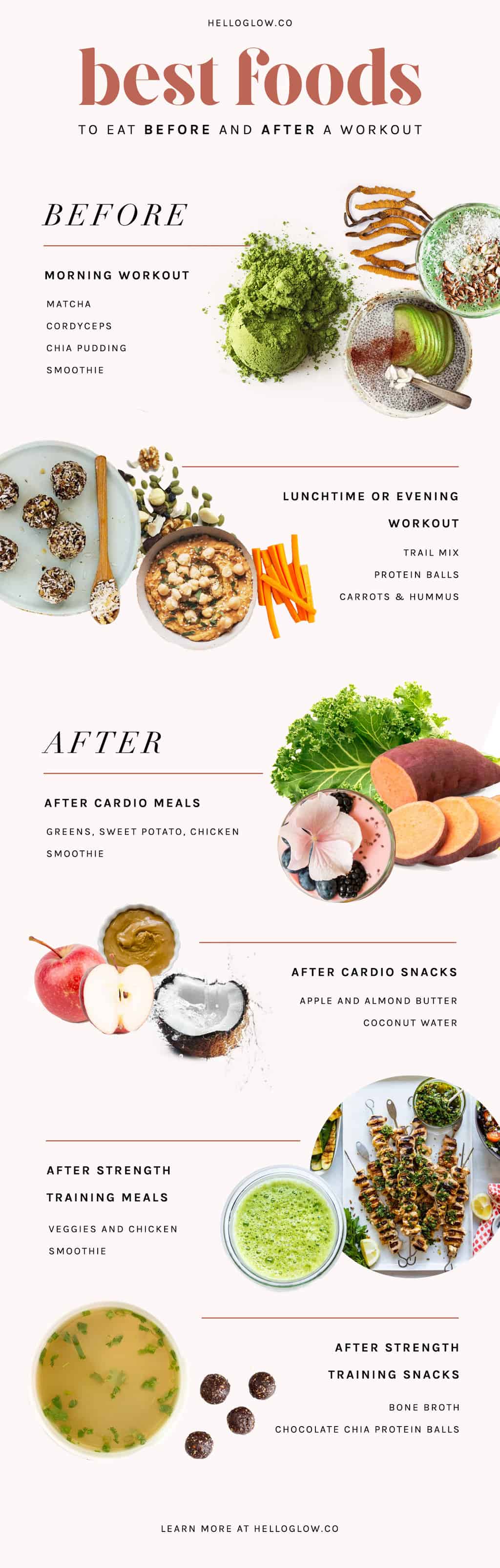
Focus on foods rich in carbohydrates and moderate in protein. Carbs provide quick energy, while protein supports muscles. Choose easily digestible options like:
- Bananas
- Oatmeal
- Greek yogurt
- Whole grain bread with peanut butter
- Fruit smoothies
Avoid high-fat and high-fiber foods before exercise. They slow digestion and may cause stomach upset.
Hydration Tips Before Exercise
Drink water throughout the day to stay hydrated. Aim for 16 to 20 ounces about 2 hours before your workout. About 15 minutes before starting, sip another 8 ounces. Avoid sugary drinks that can cause energy crashes.
Credit: helloglow.co
Post-workout Meals
Eating after your workout is crucial for muscle repair and energy restoration. The right post-workout meal helps your body recover faster and prepares you for your next session. Knowing when and what to eat can make a big difference in how you feel and perform.
Optimal Eating Window
Your body is most receptive to nutrients within 30 to 60 minutes after exercise. This window is when muscle cells absorb nutrients quickly to rebuild and recover. Missing this period can slow down recovery and reduce the benefits of your workout.
Have you ever felt drained after a workout because you waited too long to eat? Timing your meal right can help you avoid that fatigue and keep your energy levels steady throughout the day.
Key Nutrients For Recovery
Protein is essential to repair muscle fibers that get damaged during exercise. Aim for 20 to 30 grams of protein in your post-workout meal to support muscle growth.
Carbohydrates are equally important because they replenish glycogen stores, which fuel your muscles. Including healthy fats in moderate amounts can also aid in reducing inflammation and supporting overall recovery.
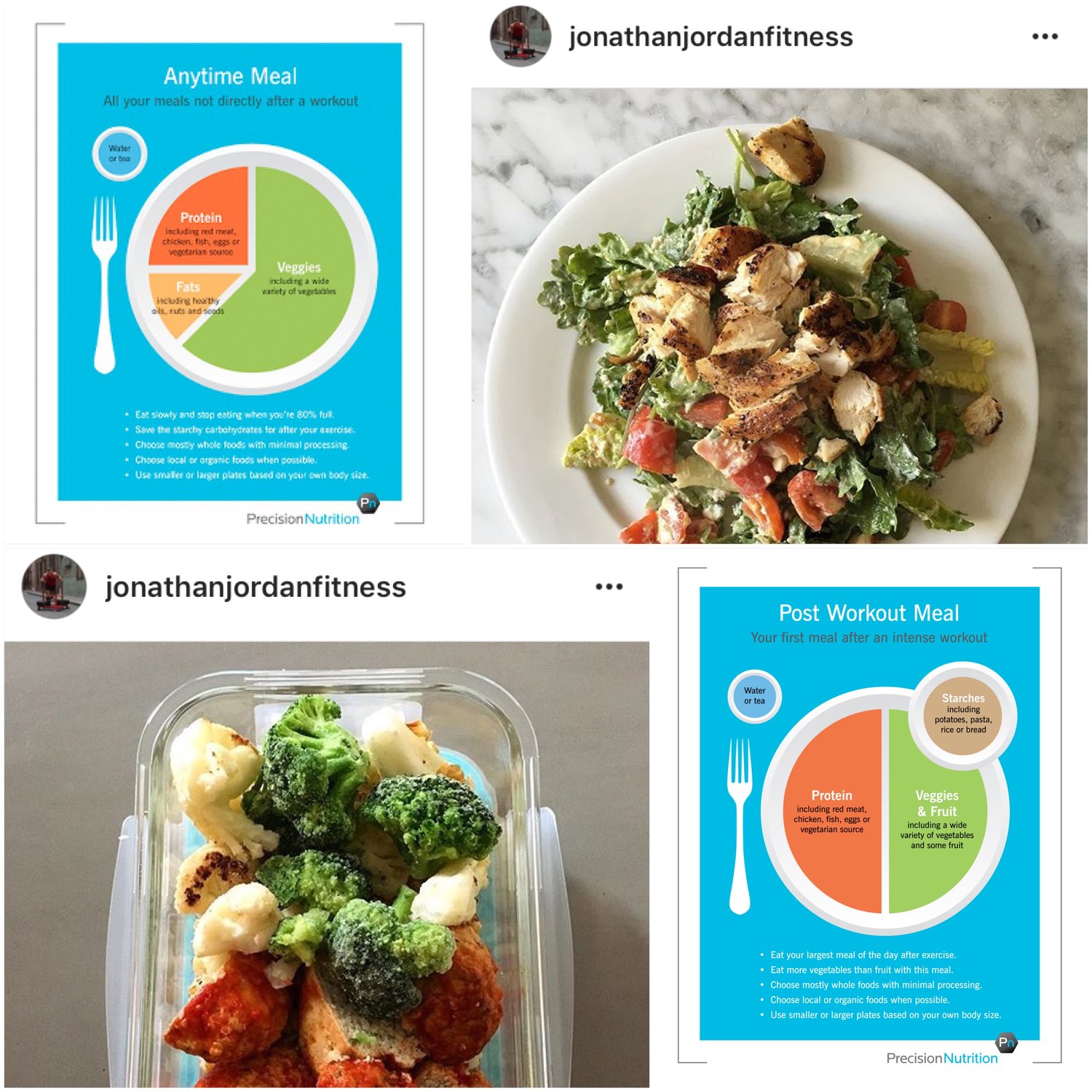
- Protein:chicken, fish, eggs, Greek yogurt, or plant-based proteins like lentils
- Carbs:brown rice, quinoa, sweet potatoes, or fruits
- Fats:avocado, nuts, seeds, or olive oil
Sample Post-workout Meals
| Meal | Protein Source | Carbohydrate Source | Additional Nutrients |
|---|---|---|---|
| Grilled chicken with quinoa and steamed broccoli | Chicken breast | Quinoa | Fiber, vitamins from broccoli |
| Greek yogurt with mixed berries and a sprinkle of almonds | Greek yogurt | Berries | Healthy fats from almonds, antioxidants |
| Scrambled eggs with whole grain toast and avocado slices | Eggs | Whole grain toast | Healthy fats from avocado, fiber |
Have you tried adjusting your post-workout meals based on these suggestions? Small changes can lead to noticeable improvements in how quickly you recover and how strong you feel during your next workout.
Effects Of Meal Timing On Performance
Meal timing plays a vital role in workout performance. It affects how much energy you have and how well your body recovers. Eating at the right time can improve workout results. Understanding these effects helps you plan better meals around exercise.
Energy Levels During Workouts
Eating before exercise provides fuel for your muscles. Carbohydrates are the main energy source during workouts. A small meal or snack with carbs helps maintain energy. Without enough fuel, you may feel tired or weak. Timing matters; eating 1-2 hours before helps avoid discomfort. Drinking water is also important to stay hydrated.
Muscle Growth And Repair
Protein intake after exercise supports muscle repair. Muscles break down during workouts and need nutrients to rebuild. Eating protein within 30-60 minutes post-workout boosts recovery. Balanced meals with protein and carbs promote muscle growth. Skipping post-workout meals can slow down muscle repair.
Fat Loss And Metabolism
Meal timing can influence fat burning and metabolism. Eating smaller meals throughout the day keeps metabolism steady. A pre-workout meal can increase fat use during exercise. Post-workout meals help replenish energy without storing fat. Avoid long gaps between meals to maintain metabolic rate.
Credit: visapoint.travel
Common Mistakes To Avoid
Many people make mistakes with their eating schedule around workouts. These errors can affect energy levels and muscle recovery. Avoiding common pitfalls helps you get better results from your exercise.
Eating Too Close To Exercise
Eating right before exercise can cause discomfort. Your body needs time to digest food. Exercising on a full stomach may lead to cramps or nausea. Aim to eat at least 1 to 2 hours before your workout. This gives your body energy without feeling heavy.
Skipping Meals Around Workouts
Skipping meals before or after exercise lowers energy. Without fuel, your performance drops. Skipping post-workout meals delays muscle recovery. Balanced meals help maintain strength and stamina. Plan small meals or snacks to keep energy steady.
Poor Food Choices
Choosing the wrong foods can hurt your workout. Foods high in fat or fiber may cause bloating or discomfort. Sugary snacks give quick energy but cause crashes. Select foods rich in carbs and protein. These support energy and muscle repair effectively.
Personalizing Your Meal Timing
Personalizing your meal timing around workouts is key to maximizing energy, performance, and recovery. Everyone’s body reacts differently to food before and after exercise. Understanding your own needs helps you plan meals that support your fitness journey effectively.
Listening To Your Body
Pay attention to how your body feels when you eat before or after a workout. Do you feel sluggish if you eat too much beforehand? Or hungry and weak if you don’t eat enough?
Try different meal sizes and timing and note the impact on your energy and performance. This self-awareness helps you find the right balance that keeps you feeling strong and comfortable during exercise.
Adjusting For Different Workout Types
The kind of workout you do changes what your body needs. For high-intensity or long sessions, you might need a carb-rich meal an hour or two before to fuel your muscles.
For lighter workouts like yoga or walking, a small snack or even just hydration might be enough. After strength training, focus on protein to help muscle repair and growth.
Considering Your Fitness Goals
Are you trying to build muscle, lose fat, or just stay active? Your goals shape the best timing for meals.
If muscle gain is your priority, eating protein soon after your workout supports recovery. If fat loss is the goal, you might experiment with shorter eating windows around your exercise to optimize fat burning.
What changes can you make today to align your meals with your workout goals?

Credit: x.com
Frequently Asked Questions
When Is The Best Time To Eat Before A Workout?
Eat a balanced meal 1. 5 to 3 hours before working out. This gives your body time to digest and convert food into energy, enhancing workout performance and reducing discomfort.
Can I Eat Immediately After A Workout?
Yes, eating within 30 to 60 minutes post-workout helps replenish glycogen stores and repair muscles. Focus on protein and carbs for optimal recovery and muscle growth.
What Should I Eat Before A Morning Workout?
Choose a small snack with carbs and protein, like a banana with peanut butter or yogurt. This fuels your body without causing stomach upset during exercise.
Is It Okay To Work Out On An Empty Stomach?
Working out fasted may burn fat but can reduce energy and performance. It’s best for low-intensity workouts; eat if doing intense or long sessions.
Conclusion
Timing your meals around workouts helps your body perform better. Eating a small meal 1-2 hours before exercise gives energy. After working out, eating protein and carbs aids muscle recovery. Drink water to stay hydrated before and after. Everyone’s body is different, so try what feels best.
Consistency matters more than perfect timing. Keep meals simple and balanced. This way, you support your fitness goals safely and effectively.







