
Are you maximizing the benefits of your workouts? You might be hitting the gym hard, but are you fueling your body at the right times to get the most out of your efforts?
Knowing the best time to eat after a workout could be the missing link in your fitness journey. Imagine unlocking the secret to faster recovery, more energy, and better results—all by simply timing your meals correctly. Intrigued? Read on to discover how a little tweak in your post-workout routine can make a big difference in achieving your fitness goals.
Credit: www.lemon8-app.com
Post-workout Nutrition Window
The post-workout nutrition window refers to the period right after exercise. During this time, your body is ready to absorb nutrients quickly. Eating the right foods now helps repair muscles and restore energy. Timing your meals can improve muscle growth and recovery.
Anabolic Window Explained
The anabolic window is the time after exercise when muscles absorb nutrients best. This period usually lasts 30 to 60 minutes. Consuming protein and carbs during this time supports muscle repair. It also helps refill glycogen stores used during workouts.
This window is crucial for muscle growth and recovery. Skipping it can slow down progress. Eating soon after exercise ensures your body gets what it needs fast.
Timing Importance For Muscle Growth
Eating within the post-workout window boosts muscle protein synthesis. This process builds new muscle tissue. Protein intake is vital here, ideally 20 to 40 grams.
Carbohydrates help restore energy and improve recovery. Combining protein and carbs gives the best results. Waiting too long to eat may reduce muscle gains.
Plan your meals to fit this window. It supports faster healing and stronger muscles.
Ideal Foods After Exercise
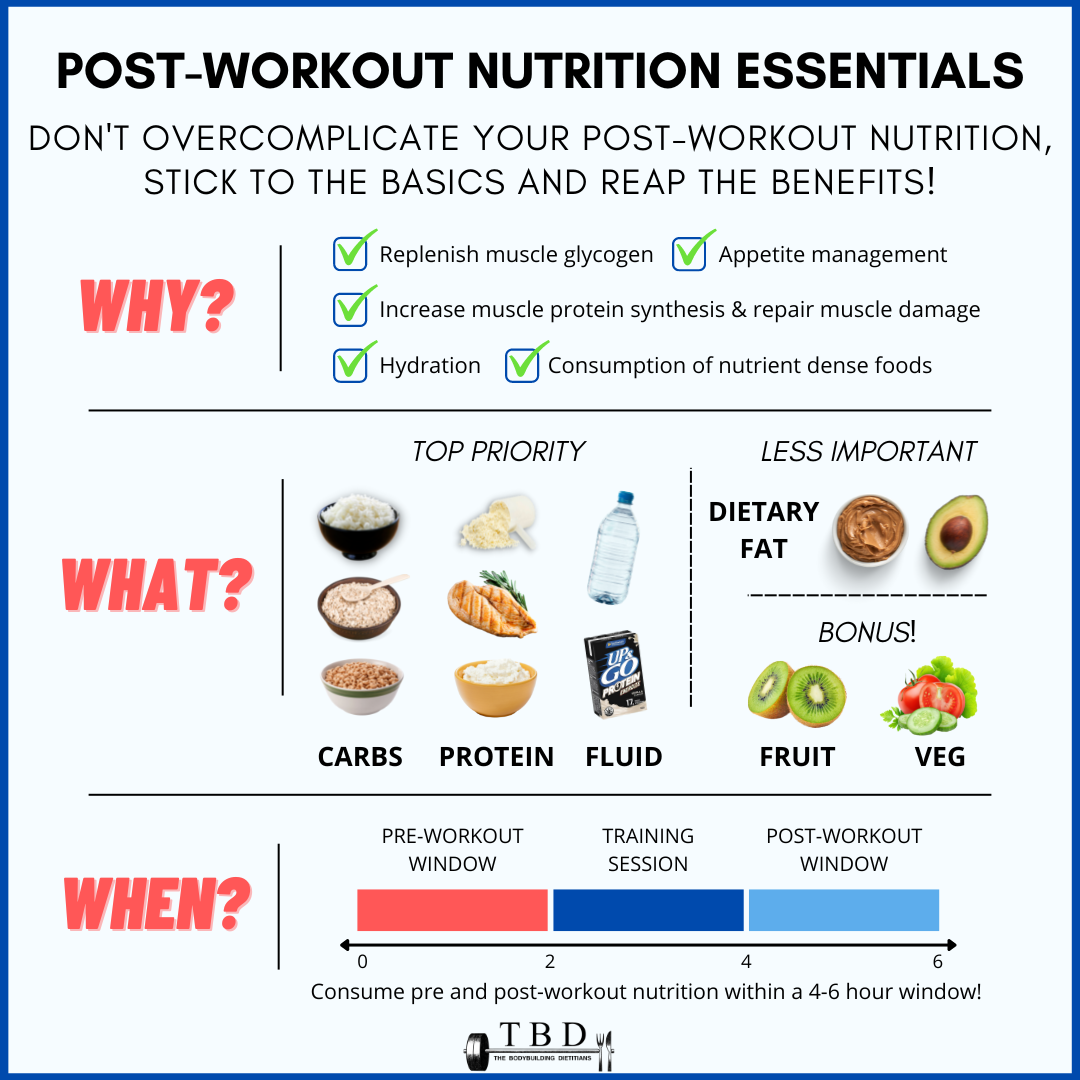
Choosing the right foods after exercise can make a big difference in how quickly your body recovers and how ready you feel for your next workout. What you eat after training isn’t just about refueling—it’s about repairing muscles, restoring energy, and supporting overall health. Let’s look at the key nutrients your body craves once your session ends.
Protein Sources For Repair
Your muscles need protein to heal and grow stronger after a workout. Without enough protein, recovery slows down and muscle soreness lasts longer. Good sources include:
- Lean meats like chicken and turkey
- Fish such as salmon and tuna
- Eggs and dairy products like yogurt and cottage cheese
- Plant-based options like lentils, chickpeas, and tofu
Have you noticed how including a protein shake or a boiled egg after training helps you bounce back faster? That’s because protein provides the building blocks your body needs to repair tiny muscle tears.
Carbohydrates To Replenish Energy
After exercise, your body’s glycogen stores run low. Carbohydrates refill these energy reserves so you don’t feel drained later. Choose carbs that digest easily and provide steady energy:
- Whole grains like brown rice and quinoa
- Fruits such as bananas and berries
- Starchy vegetables like sweet potatoes
- Oats and whole grain bread
Think about your last workout—did you feel fatigued afterward? Adding the right carbs shortly after can prevent that slump and keep your energy stable throughout the day.
Fats And Their Role Post-workout
Fats often get a bad rap, but they play a key role even after exercise. Healthy fats support hormone balance and reduce inflammation, helping your body recover more efficiently. Some smart choices are:
- Avocados
- Nuts and seeds
- Olive oil and fatty fish like salmon
- Nut butters without added sugar
Including a small amount of fat with your post-workout meal slows digestion, which helps you absorb nutrients better. Have you tried adding avocado or a handful of almonds after your training? You might find it keeps hunger at bay longer and supports your recovery.
Effects Of Delayed Eating
Eating right after a workout is important for your body’s recovery and energy. Delaying this meal can affect how your muscles heal and how your body uses or stores fat. Understanding these effects helps you make better choices for your health and fitness goals.
Muscle Recovery Impact
Muscles need nutrients soon after exercise to repair and grow. Waiting too long to eat slows down this process. Protein and carbs help rebuild muscle fibers and restore energy. Without timely nutrition, muscle soreness may last longer. Recovery becomes less efficient, reducing workout benefits.
Metabolism And Fat Storage
Delaying food intake can change how your body handles calories. Your metabolism may slow down to conserve energy. This can lead to more fat being stored instead of burned. Eating soon after exercise supports a faster metabolism. It helps your body use calories to fuel recovery, not store fat.
Credit: smilessalam.sg
Hydration And Muscle Gain
Hydration plays a key role in muscle gain after a workout. Drinking enough water helps muscles recover and grow stronger. Water supports many body functions that speed up healing. It also keeps the body balanced and ready for the next workout.
Water’s Role In Recovery
Water transports nutrients to muscle cells. These nutrients repair and build muscle fibers. Drinking water reduces soreness and stiffness after exercise. Staying hydrated helps flush out waste products from muscles. It keeps the body cool and prevents cramps during recovery.
Electrolyte Balance After Training
Electrolytes are minerals like sodium, potassium, and magnesium. They control muscle contractions and nerve signals. Sweating causes loss of electrolytes during exercise. Replenishing them prevents muscle weakness and fatigue. Drinks with electrolytes help restore balance quickly. Eating foods rich in minerals also supports recovery.
Meal Frequency And Muscle Growth
Meal frequency influences how muscles recover and grow after exercise. Eating at the right times helps repair muscle fibers and replenish energy. It also controls hunger and supports steady nutrient supply. Finding the best meal pattern can improve workout results and muscle gains.
Multiple Small Meals Vs. Few Large Meals
Eating multiple small meals spreads protein intake throughout the day. This keeps muscles fueled and supports constant repair. Small meals prevent long gaps without nutrients, reducing muscle breakdown. On the other hand, few large meals provide a big dose of protein at once. This can be enough if total daily protein is high. Both patterns work well. The key is consistent protein intake and total calories.
Snacking Strategies Post-workout
Post-workout snacks help start muscle recovery quickly. Choose snacks with protein and carbs for best results. Protein shakes, yogurt, or a peanut butter sandwich are good options. Snacks should be easy to digest and eaten within 30 to 60 minutes after exercise. This timing helps muscles absorb nutrients faster. Small, balanced snacks keep energy up until the next meal.
Credit: miradorsanjose.com
Supplements Timing For Muscle Gain
Timing supplements correctly helps boost muscle growth after exercise. Your body needs nutrients at the right moment to repair and build muscles. Consuming the right supplements soon after workouts supports recovery and gains.
Protein Powders And Amino Acids
Protein powders deliver quick protein to muscles. Take them within 30 minutes post-workout for best results. This timing helps muscles absorb amino acids fast. Amino acids, especially BCAAs, reduce muscle soreness and speed recovery. They fuel muscle repair and growth effectively when taken after exercise.
Creatine And Other Enhancers
Creatine improves strength and muscle size over time. Take creatine daily, including right after workouts, to keep levels high. Other enhancers like beta-alanine or caffeine can be taken before or after training depending on goals. Consistent use and proper timing maximize their benefits for muscle gain.
Individual Factors Affecting Timing
Understanding the best time to eat after a workout isn’t just about following a fixed rule. Your body’s unique characteristics and the nature of your exercise play a huge role. Paying attention to these individual factors helps you fuel your recovery more effectively and feel better faster.
Workout Intensity And Duration
The harder and longer you train, the sooner your body needs nutrients. After a light jog, you might not feel hungry immediately, so waiting a bit before eating is fine. But if you’ve pushed through a tough weightlifting session or a long run, your muscles crave protein and carbs quickly to repair and refill energy stores.
Think about how you feel right after different workouts. Do you notice your hunger spikes after some sessions but not others? That’s a clue your eating timing should shift based on how intense and long your activity was.
Personal Metabolism Differences
Your metabolism affects how fast you burn calories and recover from exercise. Some people metabolize food quickly and benefit from eating soon after working out. Others process nutrients more slowly and might find waiting 30 to 60 minutes works better.
Ask yourself: do you feel energized or sluggish when eating immediately post-workout? Your body’s signals are the best guide. Adjust your meal timing to match your metabolic pace for improved energy and muscle recovery.
Frequently Asked Questions
When Is The Best Time To Eat After A Workout?
The best time to eat after a workout is within 30 to 60 minutes. Eating during this window helps replenish glycogen stores and repair muscles efficiently. Consuming protein and carbs shortly after exercise boosts recovery and enhances muscle growth.
What Should I Eat After A Workout For Recovery?
After a workout, eat a mix of protein and carbohydrates. Protein aids muscle repair, while carbs restore energy. Examples include a protein shake with fruit, yogurt with granola, or chicken with rice. Balanced nutrition supports faster recovery and better performance.
Can I Eat Immediately After Exercising?
Yes, you can eat immediately after exercising. Eating within the first hour maximizes muscle recovery and glycogen replenishment. Delaying food intake may slow recovery and reduce workout benefits. Prioritize easy-to-digest protein and carbohydrates for optimal results.
How Long Should I Wait To Eat After A Workout?
Ideally, eat within 30 to 60 minutes post-workout. This timeframe optimizes muscle repair and energy restoration. Waiting longer can reduce the effectiveness of nutrient absorption and delay recovery. Timely nutrition supports muscle growth and overall fitness goals.
Conclusion
Eating soon after exercise helps your body recover faster. Aim to eat within 30 to 60 minutes. Choose foods with protein and carbs to refill energy. Staying hydrated is just as important as eating. Remember, your body needs fuel to build muscle.
Skipping a post-workout meal can slow progress. Listen to your hunger and eat what feels right. Small meals work well if you don’t feel very hungry. Consistency matters more than exact timing every day. Keep these tips in mind for better workout results.







