
Are you tired of guessing when you should eat after your workout to maximize your results? You’re not alone.
The timing of your post-workout meal can make all the difference in how effectively your body recovers and builds muscle. Imagine feeling more energized, seeing better results, and knowing exactly when to refuel for optimal benefits. Sounds appealing, right? That’s exactly what this article will help you achieve.
We’ll dive into the science behind the best time to eat after a workout, providing you with straightforward advice to enhance your fitness journey. By the end, you’ll have a clear plan tailored to your needs, ensuring you get the most out of every session. Ready to unlock the secret to better workouts and faster recovery? Keep reading!
Credit: miradorsanjose.com
Why Timing Matters
Eating after a workout is more than just filling your stomach. The timing of your meal can impact how your body recovers and builds muscle. Knowing why timing matters helps you get better results from your efforts.
Muscle Recovery Basics
After exercise, muscles experience small tears. Your body needs fuel to repair these tears and grow stronger. Nutrients like protein and carbohydrates play key roles in this process. Protein helps rebuild muscle fibers. Carbohydrates refill energy stores. Eating soon after a workout supports faster recovery.
Role Of Nutrient Timing
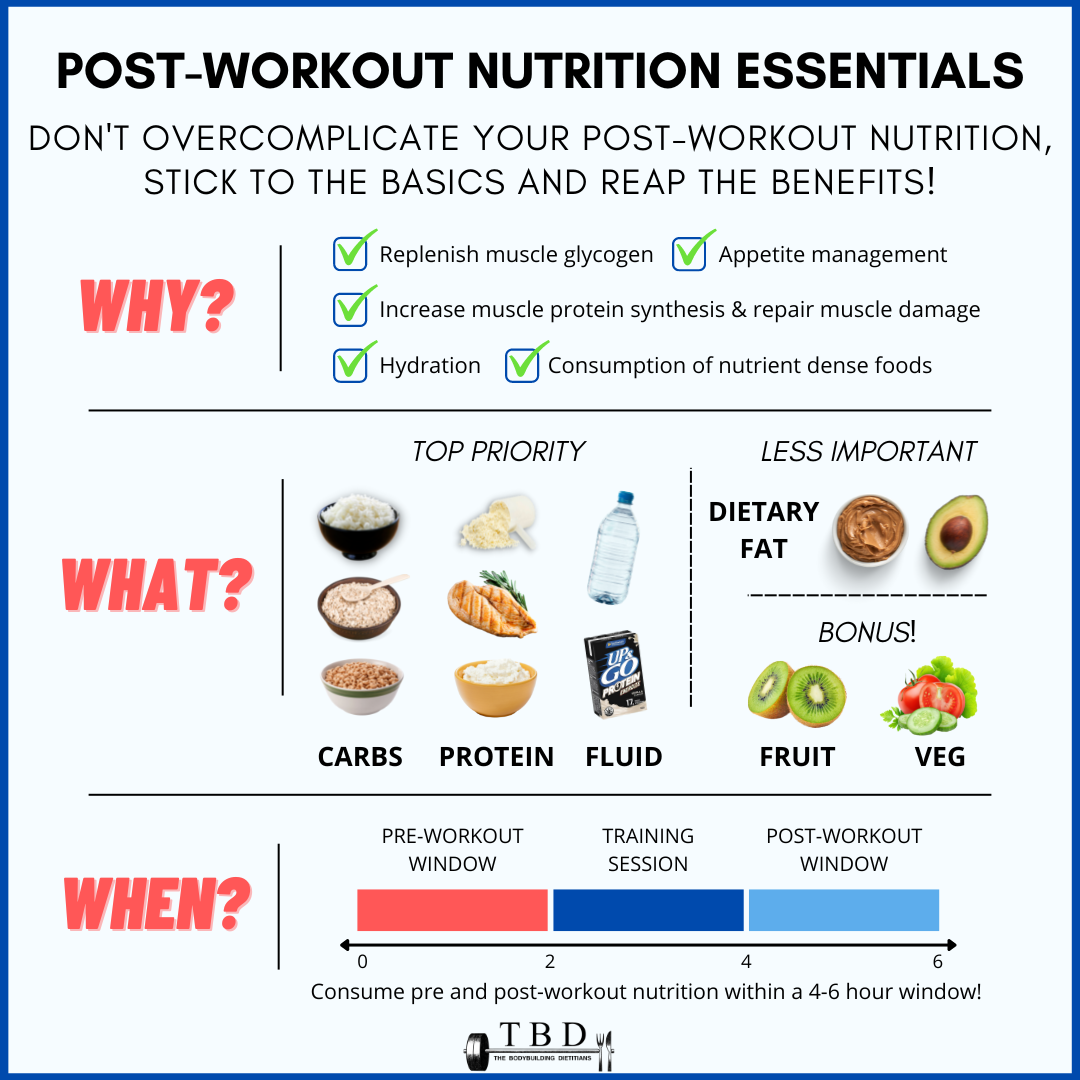
The body is more receptive to nutrients right after exercise. This period is often called the “anabolic window.” During this time, muscles absorb protein and carbs efficiently. Eating too late may slow down repair and growth. Balanced meals or snacks within 30 to 60 minutes post-workout can optimize recovery and muscle gains.
Ideal Post-workout Window
After a workout, your body is ready to recover and rebuild muscle. The ideal post-workout window is the best time to eat. Eating during this time helps restore energy and repair tissues effectively. Timing your nutrition right can improve your results and reduce muscle soreness.
Anabolic Window Explained
The anabolic window is a short period after exercise. During this time, your muscles absorb nutrients faster. Protein and carbohydrates are important here. Protein helps rebuild muscle fibers. Carbohydrates refill energy stores in muscles. Eating soon after a workout boosts muscle growth and recovery.
How Long Does It Last?
The anabolic window usually lasts about 30 to 60 minutes. This is when your body is most receptive to nutrients. However, recent studies suggest it can last up to two hours. Eating within this time frame gives your muscles the best chance to repair. If you miss this window, recovery may slow down, but it does not stop completely.
Macronutrients For Muscle Gain
Macronutrients play a key role in muscle gain after a workout. Understanding the right balance of protein, carbohydrates, and fats helps the body recover and build muscle effectively. Each macronutrient serves a unique purpose in this process. Timing and quality of these nutrients can impact muscle growth and energy levels.
Importance Of Protein
Protein repairs muscle fibers damaged during exercise. It provides amino acids needed for muscle building. Consuming protein soon after a workout boosts muscle recovery. Lean meats, eggs, dairy, and plant-based proteins are good choices. Aim for 20-30 grams of protein post-workout for best results.
Carbs And Muscle Glycogen
Carbohydrates refill muscle glycogen stores used during exercise. Glycogen is the main energy source for muscles. Eating carbs after working out helps restore energy quickly. Choose whole grains, fruits, and vegetables for healthy carbs. About 40-60 grams of carbs supports muscle recovery and energy replenishment.
Role Of Fats
Fats support hormone production vital for muscle growth. They also provide long-lasting energy. Avoid high-fat meals immediately after exercise to speed digestion. Healthy fats from nuts, seeds, and avocados aid overall health. Including moderate fat amounts in your diet helps maintain balance and supports muscle gain.
Best Foods To Eat After Exercise
Choosing the right foods after exercise helps your body recover faster. It rebuilds muscles and restores energy. Eating the best foods supports your fitness goals and keeps you strong.
High-protein Options
Protein repairs muscle tissue and promotes growth. Good choices include:
- Grilled chicken breast
- Greek yogurt
- Eggs
- Cottage cheese
- Protein shakes with whey or plant protein
These foods provide essential amino acids for muscle recovery.
Carb-rich Choices
Carbohydrates restore glycogen, your muscles’ energy source. Try these options:
- Sweet potatoes
- Brown rice
- Oats
- Whole grain bread
- Fruits like bananas and berries
Carbs help refill your energy and improve performance in the next workout.
Combining Foods For Optimal Results
Mix protein and carbs for the best recovery. Here are some ideas:
- Chicken with brown rice and vegetables
- Greek yogurt with berries and honey
- Oatmeal topped with nuts and a boiled egg
- Whole grain toast with peanut butter and banana slices
This combination helps rebuild muscles and replenish energy quickly.
Factors Influencing Timing
Knowing the best time to eat after a workout depends on several factors that influence how your body recovers and builds muscle. These elements vary from person to person, and understanding them can help you optimize your nutrition strategy. Let’s break down the main factors that affect the timing of your post-workout meal.
Workout Intensity And Duration
The harder and longer you work out, the more your muscles need fuel to recover. Intense sessions like heavy weightlifting or long-distance running deplete energy stores quickly. If you push yourself hard, eating within 30 to 60 minutes after exercise can help replenish glycogen and repair muscle tissue effectively.
On lighter or shorter workouts, immediate eating might not be as crucial. Your body may still have enough stored energy, so you can wait a bit longer before your next meal. How intense was your last workout? That should guide when you eat.
Individual Metabolism
Everyone’s metabolism works differently, affecting how fast your body processes nutrients. Some people burn energy quickly and need to refuel soon after exercising to avoid fatigue or muscle breakdown.
If you have a fast metabolism, waiting too long to eat post-workout might leave you feeling drained. On the other hand, slower metabolisms can sometimes handle a longer gap between exercise and eating without negative effects.
Think about how your body reacts after workouts. Do you feel hungry and low on energy right away, or can you wait a while before eating? Your personal metabolic rate plays a big role here.
Meal Timing Before Workout
What and when you eat before working out affects your post-exercise hunger and recovery needs. If you had a substantial meal 1-2 hours before exercising, your body might have enough fuel to delay eating afterward.
Conversely, if you trained on an empty stomach or after a light snack, your muscles probably need nutrients sooner. That’s when consuming protein and carbs shortly after your workout becomes more important.
Consider your pre-workout eating habits. Did you fuel up well, or did you skip a meal? Adjusting your post-workout timing based on this can make a big difference in how you feel and recover.
Common Myths About Post-workout Eating
Many people believe a lot about what to eat after a workout. Some of these ideas are not true. It is important to know the facts to help your body recover well. Clearing up these myths can guide you to better eating habits after exercise.
Myth Of Immediate Eating
Some say you must eat right after exercise. They think waiting harms muscle repair. Actually, your body can recover well even if you eat later. Eating within two hours after a workout is often enough. The key is total nutrition during the day, not just right after exercise.
Overemphasis On Protein Alone
Many focus only on protein after a workout. Protein is important for muscle repair. Still, ignoring other nutrients can slow recovery. Carbohydrates help refill energy stores. Fats support long-term health too. A balanced meal with protein, carbs, and fats works best for recovery.
Sample Meal Plans
Finding the right meals after your workout can make all the difference in how well your body recovers and grows stronger. Sample meal plans give you clear ideas on what to eat, saving time and guesswork. Whether you’re rushing through a busy day or focused on muscle building, you’ll find options that fit your needs.
Quick Snacks For Busy Schedules
Not everyone has time to prepare a full meal right after training. Quick snacks can fuel your recovery just as well when chosen wisely. Keep these easy options handy for those moments when you’re on the go:
- Greek yogurt with honey and berries:A mix of protein and carbs that’s ready in seconds.
- A banana with peanut butter:Natural sugars and healthy fats give you lasting energy.
- Protein shake with a handful of nuts:Fast absorption plus healthy fats to keep you full.
- Whole grain crackers with cheese:Combines complex carbs with protein for steady muscle repair.
Have you ever grabbed just any snack after working out and felt sluggish later? Try these options instead to see how your energy holds up.
Balanced Meals For Muscle Growth
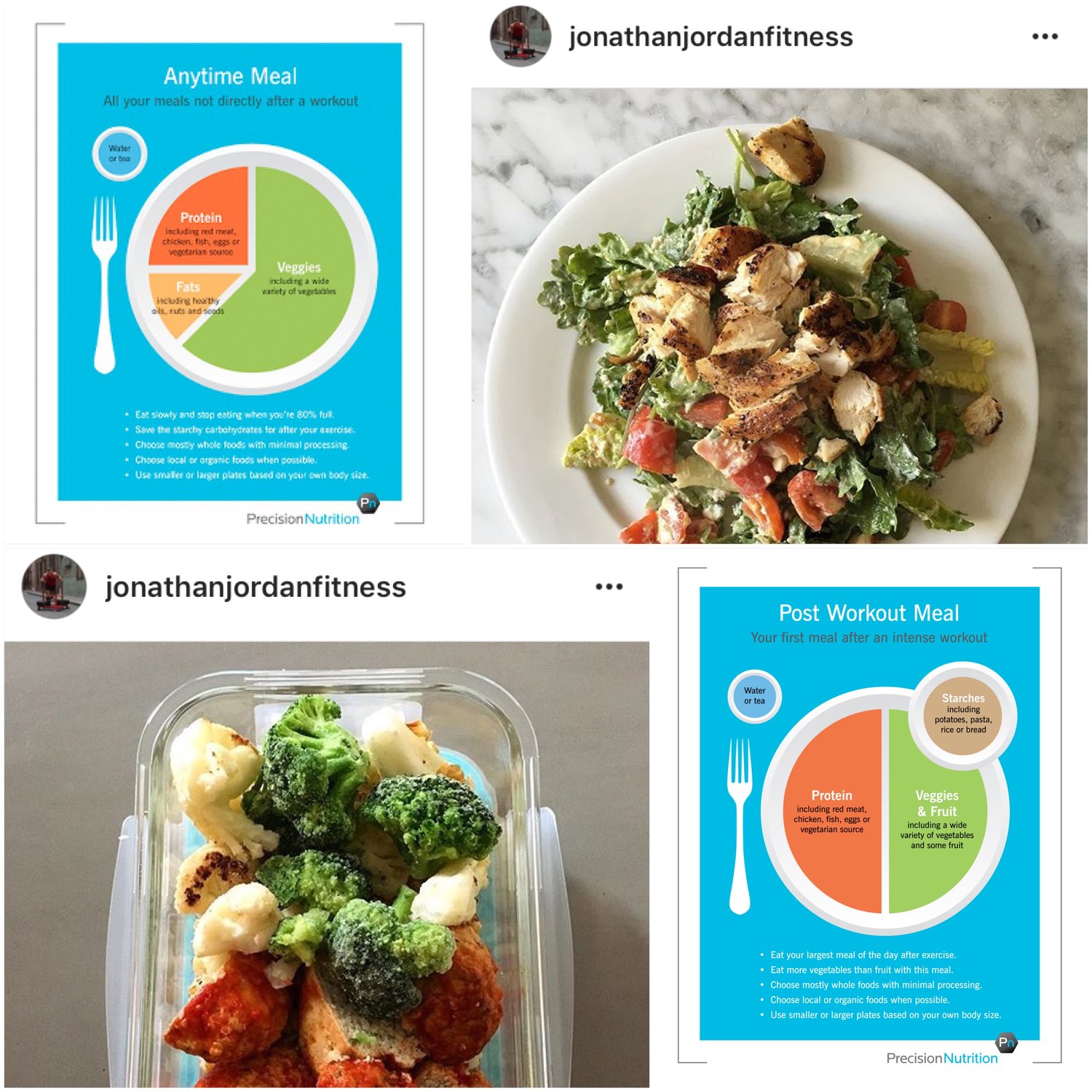
When you have time, a balanced meal after exercise helps your muscles rebuild more efficiently. Aim for a good mix of protein, carbs, and healthy fats. Here are some practical meal ideas:
| Meal | Ingredients | Benefits |
|---|---|---|
| Grilled chicken with quinoa and steamed veggies | Chicken breast, quinoa, broccoli, carrots, olive oil | High protein, complex carbs, antioxidants |
| Salmon with sweet potato and asparagus | Salmon fillet, baked sweet potato, asparagus, lemon | Omega-3 fats, vitamins, slow-digesting carbs |
| Tofu stir-fry with brown rice and mixed vegetables | Firm tofu, brown rice, bell peppers, snap peas, soy sauce | Plant protein, fiber, essential minerals |
What’s your usual post-workout meal? Try swapping one ingredient for a nutrient-rich alternative and notice the difference in how you feel. Eating with muscle growth in mind doesn’t have to be complicated.
Credit: www.lemon8-app.com
Credit: visapoint.travel
Frequently Asked Questions
What Is The Best Time To Eat After A Workout?
The best time to eat after a workout is within 30 to 60 minutes. This helps replenish energy and repair muscles effectively.
Why Should I Eat Soon After Exercising?
Eating soon after exercising helps restore glycogen and supports muscle recovery. It boosts energy and reduces muscle soreness.
What Foods Are Ideal Post-workout Meals?
Ideal post-workout foods include lean protein, complex carbs, and healthy fats. Examples are chicken, quinoa, and avocado.
Can I Delay Eating After A Workout?
Delaying eating more than two hours can slow recovery and reduce muscle gains. Timely nutrition is key for optimal results.
Conclusion
Eating soon after exercise helps your body heal and grow stronger. Aim to eat within 30 to 60 minutes after your workout. Choose foods with protein and carbs for best results. This timing supports muscle repair and refills your energy.
Remember, staying hydrated is also important. Listen to your body’s hunger signals and eat accordingly. Making this habit can improve your fitness progress over time. Small changes add up. Keep it simple and consistent. Your body will thank you.







