
You’ve just finished a workout, and you’re feeling great. But now comes the big question: when is the best time to eat after exercising?
The timing of your post-workout meal can make a significant difference in how your body recovers and builds muscle. If you’ve ever wondered whether you should eat right away or wait a bit, you’re not alone. Understanding the perfect window for refueling can help you maximize your fitness gains and keep your energy levels high.
Stick around as we reveal the secrets to optimizing your post-workout nutrition, ensuring you get the most out of every sweat session. Don’t miss out on learning how to turn your hard work into real results!
Post-workout Nutrition Window
Understanding the post-workout nutrition window can change how you recover and grow stronger. This period after exercise is when your body is most ready to absorb nutrients and repair muscle tissue. Paying attention to what and when you eat can make a real difference in your fitness results.
Why Timing Matters
After a workout, your muscles are like sponges, eager to soak up nutrients. Eating soon after exercise helps replenish glycogen stores and kickstarts muscle repair. If you wait too long, your body may not recover as efficiently, potentially slowing your progress.
Think about the last time you skipped a post-workout meal or snack. Did you feel more tired or sore the next day? That’s your body signaling it needs fuel at the right moment to bounce back.
The Anabolic Window Myth
You might have heard about a strict 30-minute “anabolic window” to eat after working out. The truth is, this window isn’t as narrow as once thought. Research shows that while earlier nutrition is beneficial, your body remains receptive to nutrients for hours after exercise.
This means you don’t need to stress about eating immediately if it’s not possible. Focus instead on balanced meals with protein and carbs within a reasonable timeframe, like within two hours post-workout.
Ideal Time Frame
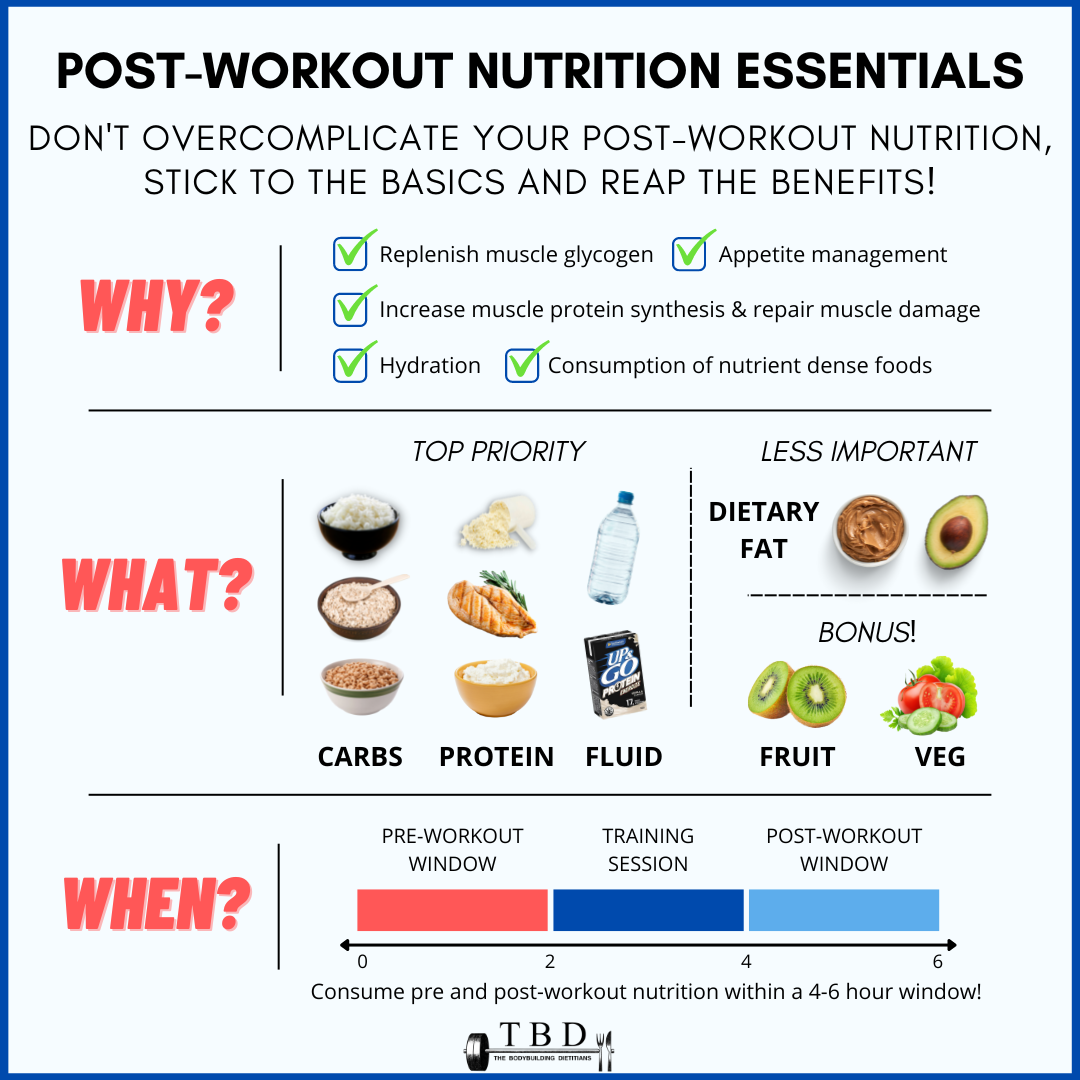
A practical guideline is to aim for your post-workout meal or snack within 45 to 90 minutes. This gives you enough time to prepare something nutritious without rushing. What you eat matters just as much as when you eat.
- Protein:Helps repair and build muscle. Aim for 20-30 grams.
- Carbohydrates:Replenish energy stores. Choose whole grains, fruits, or vegetables.
- Hydration:Don’t forget to rehydrate with water or an electrolyte drink.
Have you noticed improvements when you adjusted your post-workout meals? Pay attention to how your body responds and tailor your timing to what feels best for you.
Credit: smilessalam.sg
Key Nutrients After Exercise
After a workout, your body is in recovery mode and needs specific nutrients to rebuild and replenish. Eating the right foods at the right time can make a huge difference in how quickly you recover and how well you perform in your next session.
Think about your muscles as a car engine that just ran a long race—they need fuel and repair parts to run smoothly again. What you eat right after exercise directly impacts muscle repair, energy restoration, and hydration levels.
Importance Of Protein
Protein is essential because it helps repair tiny muscle tears caused by exercise. Without enough protein, your muscles can’t rebuild properly, which slows down recovery and progress.
You don’t need a huge amount—about 20-30 grams of high-quality protein like chicken, eggs, or a protein shake is enough to kickstart muscle repair. Have you ever noticed your muscles feeling sore longer when you skip protein after workouts?
Role Of Carbohydrates
Carbohydrates restore the glycogen your muscles use for energy. Without carbs, your energy stores stay low, making your next workout feel harder.
Simple carbs like fruit or white rice work well right after exercise because they digest quickly. Combining carbs with protein not only replenishes energy but also improves protein absorption.
Hydration And Electrolytes
Water is crucial, but don’t forget electrolytes like sodium, potassium, and magnesium. These minerals keep your muscles working properly and prevent cramps.
If you sweat heavily, drink fluids with electrolytes or eat foods like bananas and nuts to restore balance. How often do you check your hydration after exercise, not just during?
Meal Examples For Recovery
After a workout, your body craves nutrients that help rebuild muscles and replenish energy. Choosing the right foods can make a big difference in how quickly you recover and how you feel later in the day. Here are some practical meal ideas that fit different lifestyles and time frames to help you get the most out of your post-exercise nutrition.
Quick Snacks
Sometimes you don’t have time for a full meal after exercising. Quick snacks can provide essential nutrients without slowing you down.
- Greek yogurt with honey and berries:Combines protein and antioxidants to aid muscle repair and reduce inflammation.
- Banana and peanut butter:A simple mix of carbs and healthy fats to quickly restore energy.
- Protein shake with almond milk:Fast absorption of protein to jumpstart recovery.
Have you noticed how a quick snack sometimes gives you the energy boost you need before your next activity?
Balanced Meals
When you have more time, aim for balanced meals that include protein, carbohydrates, and healthy fats. These meals support longer recovery and keep you full.
| Meal | Key Nutrients | Benefits |
|---|---|---|
| Grilled chicken, quinoa, and steamed broccoli | Protein, complex carbs, fiber | Muscle repair and sustained energy |
| Salmon with sweet potato and asparagus | Omega-3 fats, carbs, antioxidants | Reduces inflammation and replenishes glycogen |
| Beef stir-fry with brown rice and mixed veggies | Iron, protein, carbs, vitamins | Supports oxygen transport and muscle recovery |
Plant-based Options
If you follow a plant-based diet, there are plenty of powerful recovery foods for you too.
- Lentil and sweet potato stew:Rich in protein and complex carbohydrates to refuel your body.
- Chickpea and avocado salad:Provides healthy fats and fiber to support muscle repair and digestion.
- Tofu scramble with spinach and whole-grain toast:High in protein and iron to restore energy and aid recovery.
Which plant-based option sounds like it could become your new post-workout favorite?
Factors Influencing Meal Timing
Understanding the right time to eat after a workout depends on several key factors. These factors shape how your body recovers and builds strength. Knowing what affects your meal timing can help you maximize the benefits of your exercise.
Workout Intensity And Duration
The harder and longer you train, the more your body needs fuel to repair muscles and restore energy. A light 20-minute walk won’t demand the same immediate nutrition as a 90-minute high-intensity session.
If you push yourself with heavy lifting or intense cardio, eating soon after can speed up recovery. On easier days, you might have a bit more flexibility with when you eat. Have you noticed how your hunger changes after different workouts?
Individual Metabolism
Your metabolism plays a big role in how quickly you need to refuel. Some people burn calories faster and feel hungry almost right after exercise. Others might not feel the urge to eat immediately but still need nutrients to recover well.
Think about how your body reacts after workouts. Do you feel ravenous or just a little hungry? Adjust your meal timing based on your natural hunger cues and energy levels rather than strict rules.
Fitness Goals
What you want to achieve affects when you should eat. If your goal is muscle gain, eating protein within 30 to 60 minutes post-workout can help build muscle effectively. For fat loss, timing your meals might be less critical than total calories consumed throughout the day.
If you’re training for endurance, replenishing carbohydrates quickly can restore glycogen stores to keep you going. Are you aligning your meal timing with what you want to achieve, or just following general advice?
Common Mistakes To Avoid
Many people make mistakes after workouts that hurt their progress. Eating or drinking the wrong way can slow recovery. Avoiding these errors helps muscles rebuild and energy return faster.
Knowing what to avoid is as important as knowing what to eat. Common mistakes can reduce workout benefits and cause discomfort.
Skipping Post-workout Meals
Skipping meals after exercise stops muscle recovery. The body needs protein and carbs to repair tissues. Without food, muscles stay tired and weak. Energy levels drop, making the next workout harder.
Eating soon after exercise helps the body heal and grow stronger. Missing this step delays progress and may cause muscle loss.
Overeating After Exercise
Eating too much after a workout can undo calorie burn. Overeating leads to fat gain instead of muscle gain. It’s better to eat balanced portions with protein, carbs, and fats.
Control portion sizes to fuel the body without adding extra weight. Eating the right amount supports muscle growth and recovery.
Ignoring Hydration
Ignoring water intake harms recovery and performance. Exercise causes fluid loss through sweat. Not drinking enough slows muscle repair and causes cramps.
Drink water before, during, and after workouts. Proper hydration keeps muscles working and speeds recovery.
Credit: www.lemon8-app.com
Tips For Consistency
Consistency is key when it comes to eating after a workout. Your body needs reliable fuel to recover and build strength. Without regular timing and good habits, it’s easy to miss that crucial window for nutrition.
Meal Prepping
Preparing meals ahead of time keeps you ready for your post-workout nutrition. When your fridge is stocked with balanced meals, you avoid the trap of skipping or grabbing unhealthy snacks.
Try setting aside a couple of hours each weekend to cook and portion out meals. This way, you always have something nutritious to eat right after exercising, saving you time and decision fatigue.
Listening To Your Body
Your body sends signals about when it’s hungry and what it needs. Pay attention to how you feel after workouts—are you starving immediately or can you wait a bit?
Adjust your eating schedule based on these cues instead of sticking rigidly to a clock. This personal approach helps you stay consistent because it feels natural, not forced.
Adjusting Timing Based On Schedule
Life doesn’t always follow a perfect routine, so flexibility matters. If you work late or have unexpected plans, shift your post-workout meal timing without skipping it.
Ask yourself: can you eat a small snack now and a bigger meal later? This way, you keep your nutrition on track even when your day changes.
Credit: miradorsanjose.com
Frequently Asked Questions
When Is The Best Time To Eat After A Workout?
The best time to eat is within 30 to 60 minutes after exercise. This helps replenish energy and repair muscles effectively. Eating soon after a workout boosts recovery and supports muscle growth.
What Should I Eat After A Workout For Recovery?
Focus on a balanced meal with protein and carbs. Protein aids muscle repair, while carbs restore glycogen. Examples include chicken with rice or a protein smoothie with fruit.
Can I Delay Eating After A Workout?
Delaying eating beyond two hours can slow recovery. Your muscles need nutrients promptly to rebuild and reduce soreness. Aim to eat within an hour post-workout for optimal benefits.
How Much Protein Is Needed After Exercise?
Consuming 20-30 grams of protein post-workout is ideal. This amount supports muscle repair and growth. Protein sources can be lean meats, dairy, or plant-based options.
Conclusion
Eating soon after a workout helps your body recover faster. Aim to eat within 30 to 60 minutes after exercise. Choose foods rich in protein and carbs for best results. This timing refuels your muscles and restores energy. Don’t wait too long to eat.
Your body needs nutrients quickly to rebuild and grow. Remember, a balanced meal supports your fitness goals. Consistency matters more than perfect timing. Keep it simple and listen to your body’s hunger. This habit can improve your strength and overall health.
Try to make post-workout meals a regular part of your routine.







