
Are you curious about yoga but think it’s not for men like you? Think again.
Yoga is a powerful way to boost your strength, improve flexibility, and reduce stress—all without needing special skills or experience. This guide to beginner yoga for men is designed just for you. Whether you want to feel more energized, recover faster from workouts, or simply find a new way to relax, you’ll discover easy steps to get started today.
Ready to see how yoga can change your life? Keep reading, and you’ll find simple, effective moves that fit your lifestyle perfectly.
Benefits Of Yoga For Men
Yoga offers unique benefits for men, going beyond the common perception of it being just stretching or relaxation. It builds physical strength, sharpens the mind, and helps protect your body from injuries. Understanding these benefits can motivate you to bring yoga into your routine, no matter your fitness level.
Enhancing Strength And Flexibility
Yoga challenges your muscles in ways traditional workouts might not. Holding poses like plank or warrior strengthens your core, arms, and legs simultaneously.
Flexibility improves gradually, making daily movements easier and reducing muscle stiffness. Imagine reaching for something on a high shelf without discomfort—that’s the kind of freedom yoga can add to your life.
Improving Mental Focus
Yoga encourages you to focus on your breath and body alignment, which trains your mind to stay present. This mental discipline can help you concentrate better at work or during sports.
Many men notice reduced stress and clearer thinking after just a few sessions. How often do you pause and truly focus on the moment in your busy day?
Supporting Injury Prevention
Yoga helps balance muscle groups and improve joint stability, which lowers the risk of injuries. Tight muscles and poor posture often lead to strains—yoga works on both.
By increasing body awareness, you learn to move more safely in your daily activities and workouts. Have you ever ignored a small ache that later turned into a bigger problem? Yoga teaches you to listen and respond early.
Essential Yoga Equipment
Starting yoga requires some basic equipment to make practice safe and enjoyable. Choosing the right tools helps maintain balance and comfort. It also supports proper posture and reduces injury risks. The following essentials help every man begin yoga with confidence.
Choosing The Right Mat
A good yoga mat offers grip and cushioning. It prevents slipping during poses. Thickness matters for joint comfort. Standard mats are about 1/8 inch thick, while thicker ones provide extra padding. Look for non-slip surfaces and durable materials. A mat that rolls up easily fits into any bag. Color and design can motivate regular practice.
Comfortable Clothing
Wear clothes that allow free movement. Avoid tight or stiff fabrics. Soft, stretchy materials like cotton or blends work best. Breathable fabrics keep the body cool. Shorts, joggers, or leggings paired with a fitted shirt suit yoga well. Clothes should not restrict breathing or bending. Keep comfort and flexibility as priorities.
Optional Props For Support
Props help beginners maintain correct alignment. Blocks, straps, and bolsters provide extra support. Blocks raise the floor to meet the hands. Straps assist in stretching hard-to-reach areas. Bolsters offer cushion for seated or reclining poses. These tools reduce strain and build strength safely. They are easy to carry and use at home or class.
Warm-up Techniques
Warming up is a key part of any yoga practice, especially for men new to yoga. It helps prepare the body and mind for the exercises ahead. Warm-up techniques reduce the risk of injury and improve flexibility. They also increase blood flow to muscles, making movements smoother and more effective.
Starting with proper warm-up methods makes yoga feel easier and more enjoyable. Focus on breathing and gentle stretches to get the best start.
Breathing Exercises
Breathing exercises calm the mind and oxygenate the body. They help increase focus and reduce tension. Begin with slow, deep breaths through the nose.
- Inhale deeply for four counts.
- Hold the breath for two counts.
- Exhale slowly for six counts.
- Repeat for five minutes.
This practice prepares your lungs and relaxes your muscles. It sets a steady rhythm for your yoga session.
Gentle Stretching Routines
Gentle stretches loosen tight muscles and improve joint movement. Start with easy movements that target major muscle groups. Avoid forcing any stretch.
- Neck rolls: Slowly rotate your neck in circles.
- Shoulder shrugs: Lift and drop your shoulders.
- Cat-Cow pose: Arch and round your back on hands and knees.
- Seated forward bend: Reach toward your toes without straining.
These stretches prepare your body for deeper yoga poses. They reduce stiffness and enhance balance.

Credit: www.youtube.com
Basic Yoga Poses For Strength
Building strength through yoga is not about lifting heavy weights but about using your own body to create tension and stability. These basic poses target multiple muscle groups, helping you gain strength while improving balance and flexibility. You’ll notice your core, arms, and legs becoming more powerful with consistent practice.
Downward Dog
Downward Dog is a full-body pose that strengthens your arms, shoulders, and legs. When you push your hips up and back, you engage your shoulders and upper back muscles. This pose also stretches your hamstrings and calves, which helps prevent injury during strength training.
Try to hold the position for 30 seconds to a minute. Do you feel your arms working to keep you stable? That tension is what builds strength without any weights.
Warrior Ii
Warrior II builds strength in your legs and core while also improving endurance. Your front thigh works hard to keep you steady, while your back leg supports your balance. Keep your arms stretched out to engage your shoulders and upper back.
Focus on sinking your hips lower without losing your balance. Can you feel how your muscles activate to hold the pose? This stance trains your body to stay strong and steady under pressure.
Plank Pose
Plank is one of the best poses for building core and upper body strength. Your arms, shoulders, chest, and abs all work to keep your body straight and stable. It’s a simple pose but challenging if you hold it correctly.
Start with 20 to 30 seconds and gradually increase the time. Notice how your entire body tightens to maintain the position. How long can you hold your plank before shaking sets in? That’s your strength improving with every second.
Simple Poses For Flexibility
Simple yoga poses help improve flexibility without strain. These poses stretch key muscles gently. Men new to yoga can try these easy moves. Each pose supports better movement and less stiffness. Practice regularly for best results.
Seated Forward Bend
Sit on the floor with legs straight ahead. Slowly bend forward from the hips. Reach your hands toward your feet. Keep your back as straight as possible. Hold the stretch for 20 to 30 seconds. This pose loosens hamstrings and lower back muscles.
Cat-cow Stretch
Start on all fours with hands below shoulders. Arch your back up like a cat. Then dip your belly down and lift your head. Move slowly between these two positions. Repeat 10 times to ease spine stiffness. This stretch improves spine flexibility and posture.
Bridge Pose
Lie on your back with knees bent and feet flat. Lift your hips toward the ceiling. Keep your shoulders and feet on the ground. Hold the position for 15 to 30 seconds. This pose strengthens your back and opens the chest. It helps release tension in the spine.

Credit: www.youtube.com
Creating A Balanced Routine
Creating a balanced yoga routine is key to making steady progress and enjoying the practice. It helps you build strength, improve flexibility, and avoid injuries. Striking the right mix keeps your sessions fresh and motivates you to stick with yoga long term.
Combining Strength And Flexibility Poses
Strength and flexibility go hand in hand. Focusing only on flexibility can leave you weak, while only building strength might limit your range of motion.
Try adding poses like Plankor Chair Poseto build muscle, and balance them with Downward Dogor Seated Forward Bendto stretch tight areas.
Have you noticed which poses challenge your strength versus your flexibility? This awareness helps you tailor your routine to target weak spots.
Setting Realistic Goals
Setting clear, achievable goals keeps your yoga journey on track. Instead of aiming to master advanced poses quickly, focus on small wins like holding a pose for 10 extra seconds or improving your breathing.
Track your progress weekly. Celebrate improvements, no matter how small—they add up over time.
What small goal can you set today that feels challenging but doable? This focus keeps your practice purposeful and rewarding.
Consistency Tips
Yoga benefits multiply with regular practice. Carve out a specific time daily, even if it’s just 10 minutes. Consistency beats occasional marathon sessions.
Use reminders or set up a dedicated yoga space to make it easier to show up. Think about how you feel after yoga—the calm, focus, and energy—and let that motivate you on tough days.
What simple habit can you add to your day that supports your yoga consistency? Finding that anchor can make all the difference.
Common Mistakes To Avoid
Starting yoga as a man brings many benefits. Avoiding common mistakes helps you stay safe and progress well. These errors can cause pain or slow your improvement. Focus on good habits from the start.
Overstretching
Stretching too far can cause muscle strain or injury. Your body needs time to get flexible. Push gently and listen to your limits. Overdoing it leads to pain and setbacks. Stretch slowly and increase range bit by bit.
Ignoring Proper Form
Good posture makes yoga effective and safe. Poor form can cause joint or back problems. Watch your alignment in every pose. Use mirrors or ask for guidance if unsure. Correct form builds strength and prevents injury.
Skipping Warm-ups
Warm-ups prepare your muscles and joints for yoga. Skipping them can lead to stiffness or strains. Spend 5 to 10 minutes on light movement. Simple stretches or walking helps increase blood flow. Warm muscles respond better and reduce injury risk.
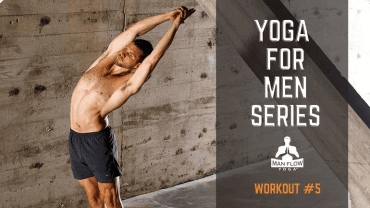
Credit: manflowyoga.com
Tracking Progress And Staying Motivated
Tracking your yoga progress helps keep your practice steady and rewarding. Seeing how far you’ve come boosts confidence and encourages regular sessions. Staying motivated can be a challenge, but simple habits make a big difference.
Journaling Your Practice
Write down your yoga activities after each session. Note the poses you did and how your body felt. Record any improvements in flexibility or strength. Journals show your growth over time. They also help identify areas needing focus. A few minutes of journaling builds awareness and keeps you engaged.
Celebrating Small Wins
Recognize every improvement, no matter how small. Holding a pose longer or feeling less tension counts. Celebrate these moments to stay encouraged. Small wins add up to big progress. Reward yourself with simple treats or rest days. This positive feedback fuels your commitment.
Joining Yoga Communities
Connect with other men practicing yoga. Online groups or local classes provide support and advice. Sharing experiences makes practice more enjoyable. Communities offer motivation and accountability. You learn new tips and stay inspired by others’ journeys. Being part of a group helps maintain focus and excitement.
Frequently Asked Questions
What Are The Benefits Of Yoga For Men?
Yoga improves flexibility, strength, and balance, enhancing physical performance. It reduces stress and promotes mental clarity. Practicing yoga can also aid in injury prevention and recovery. It enhances cardiovascular health and boosts overall well-being. Regular yoga practice leads to improved posture and body awareness, making it beneficial for men.
Can Beginners Start Yoga At Home?
Yes, beginners can start yoga at home with online resources. Many platforms offer beginner-friendly videos and tutorials. Ensure you have a comfortable space and a yoga mat. Consistency and patience are key. Starting at home allows flexibility in scheduling and personal comfort, making it a great option for newcomers.
How Often Should Men Practice Yoga?
For best results, men should practice yoga 2-3 times a week. Consistency is crucial for noticeable benefits. Begin with shorter sessions and gradually increase duration. This frequency helps improve flexibility, strength, and mental clarity. Regular practice also aids in stress reduction and overall well-being.
Do Men Need Special Yoga Gear?
No, men don’t need special gear to start yoga. Comfortable clothing and a good quality mat are essential. Some may prefer yoga blocks or straps for support. These items enhance practice but are not mandatory. Focus on comfort and flexibility in your clothing choice for optimal movement.
Conclusion
Starting yoga can bring many benefits to men’s health and mind. It helps improve strength, balance, and flexibility. Yoga also reduces stress and supports better sleep. Small steps each day lead to steady progress. Keep practicing with patience and an open mind.
Enjoy the calm and energy that yoga offers. This simple routine fits any busy schedule. Give your body and mind the care they deserve. Try beginner yoga and feel the positive change yourself.







